12V 100Ah Group 31 LiFePO4 Battery for Trolling Motors
$169.00
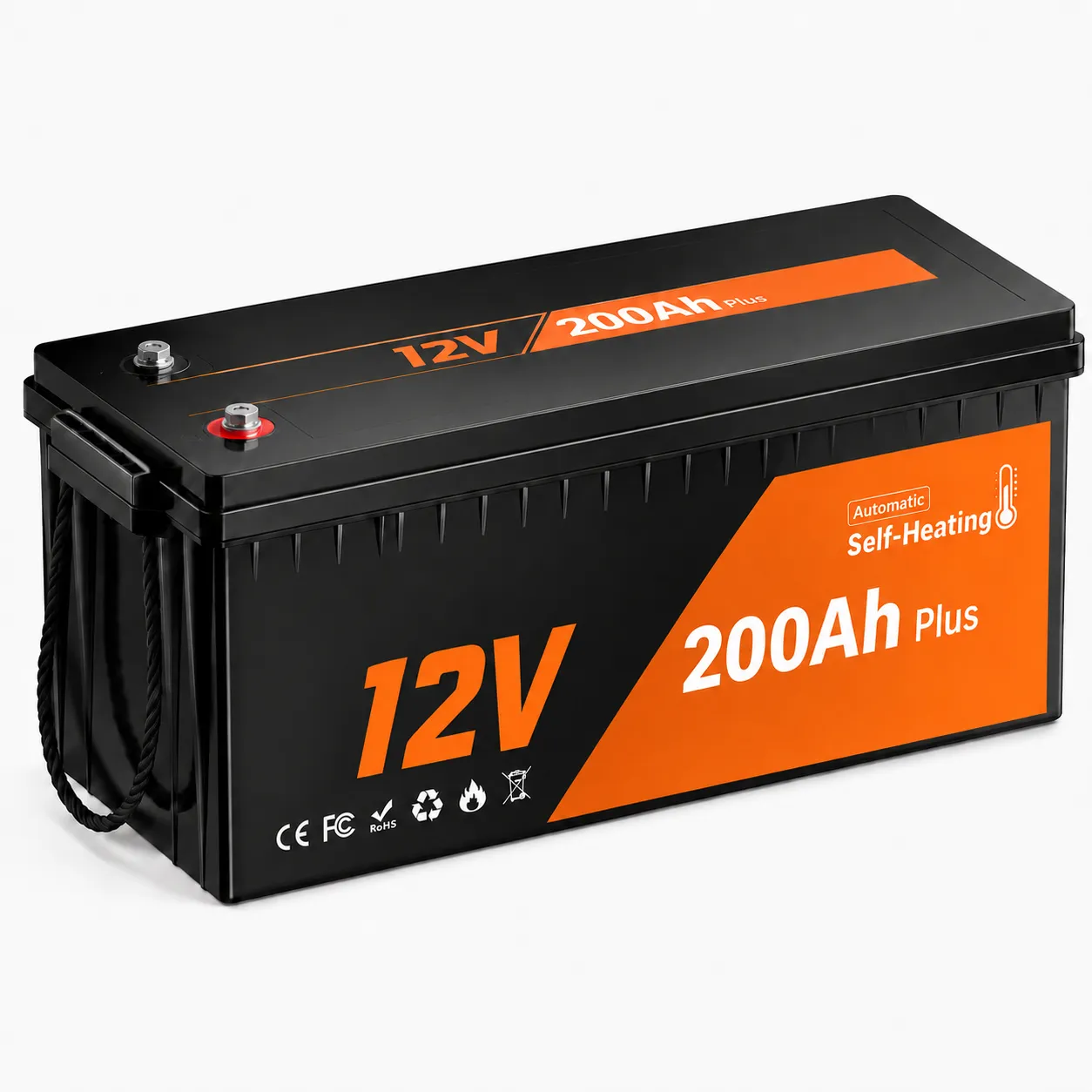
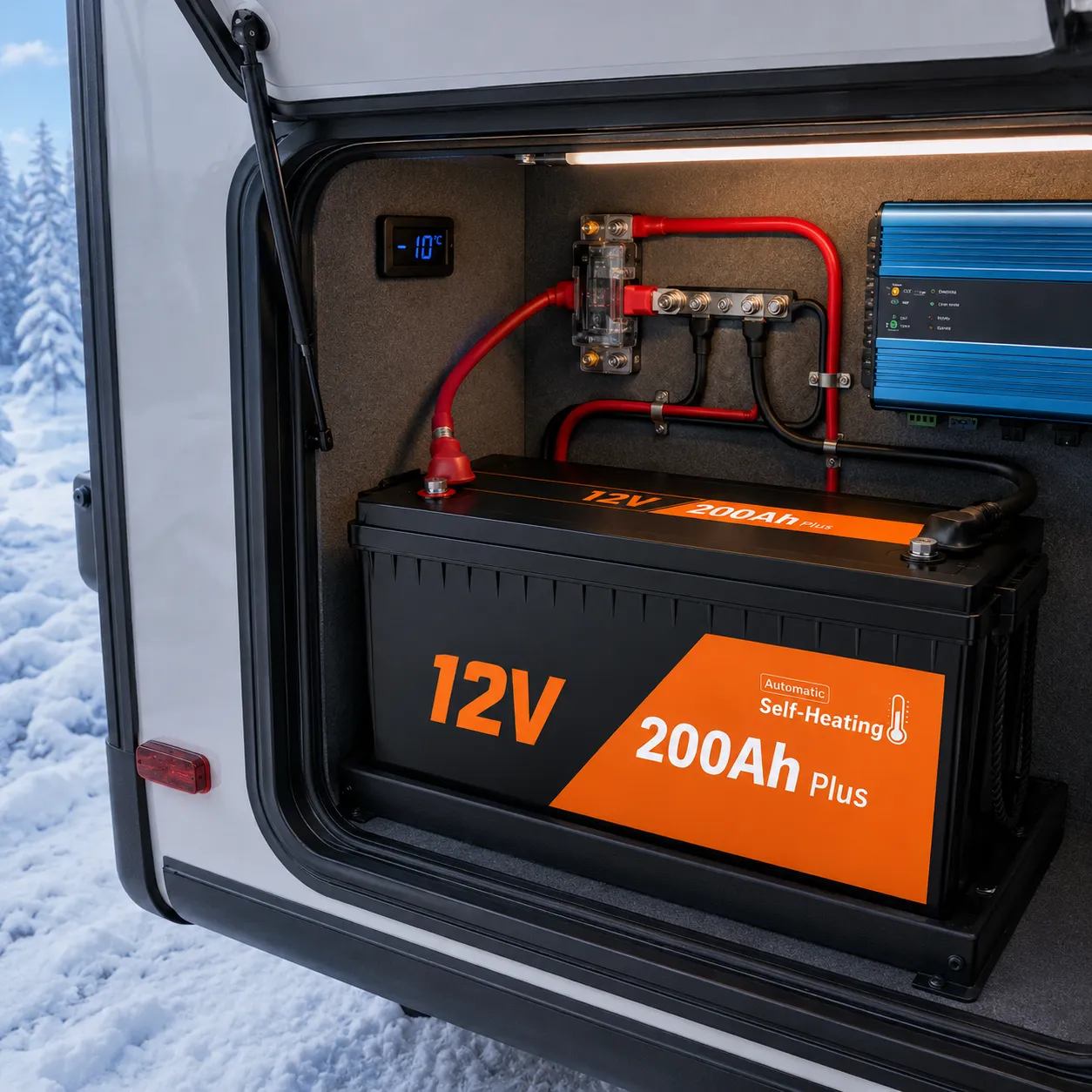
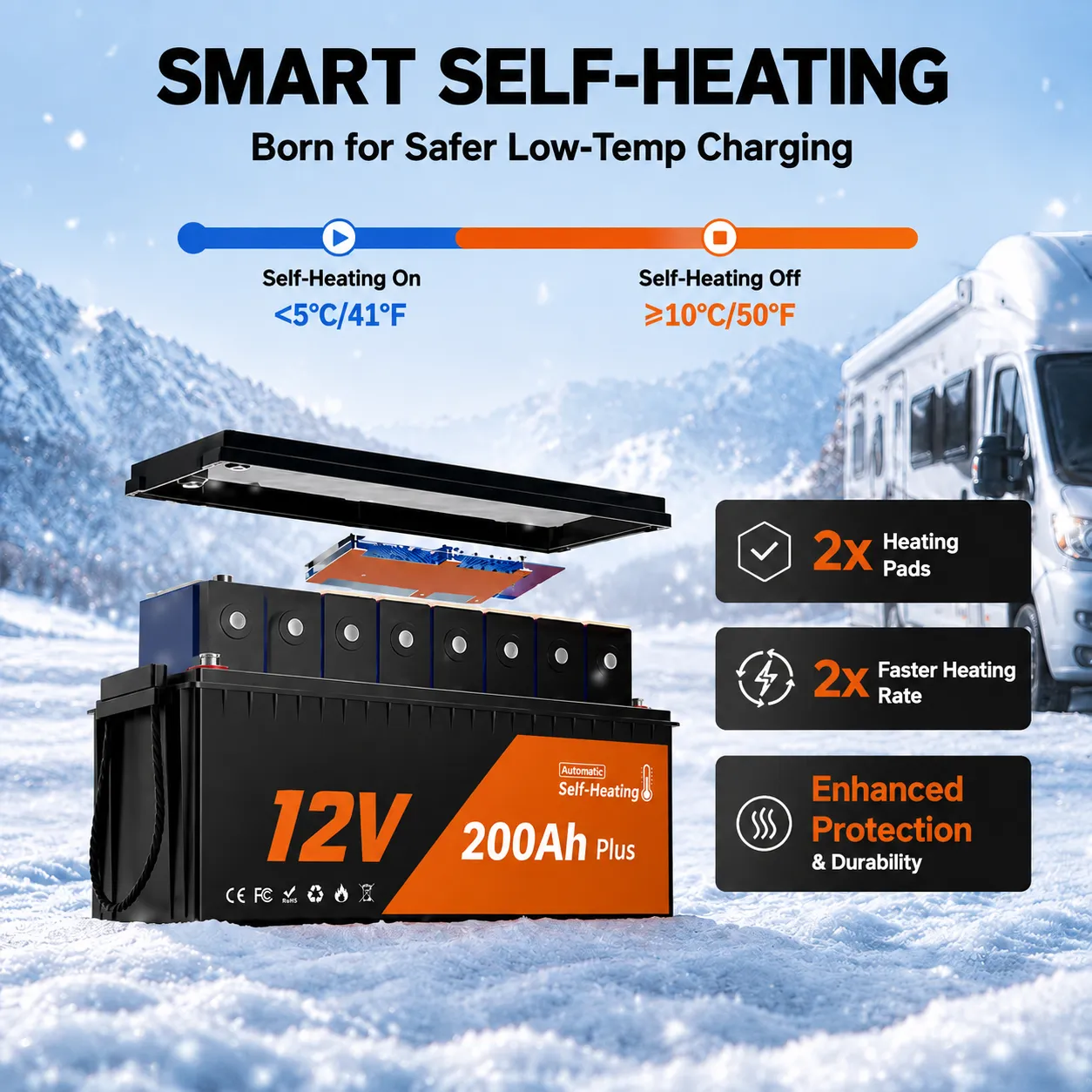
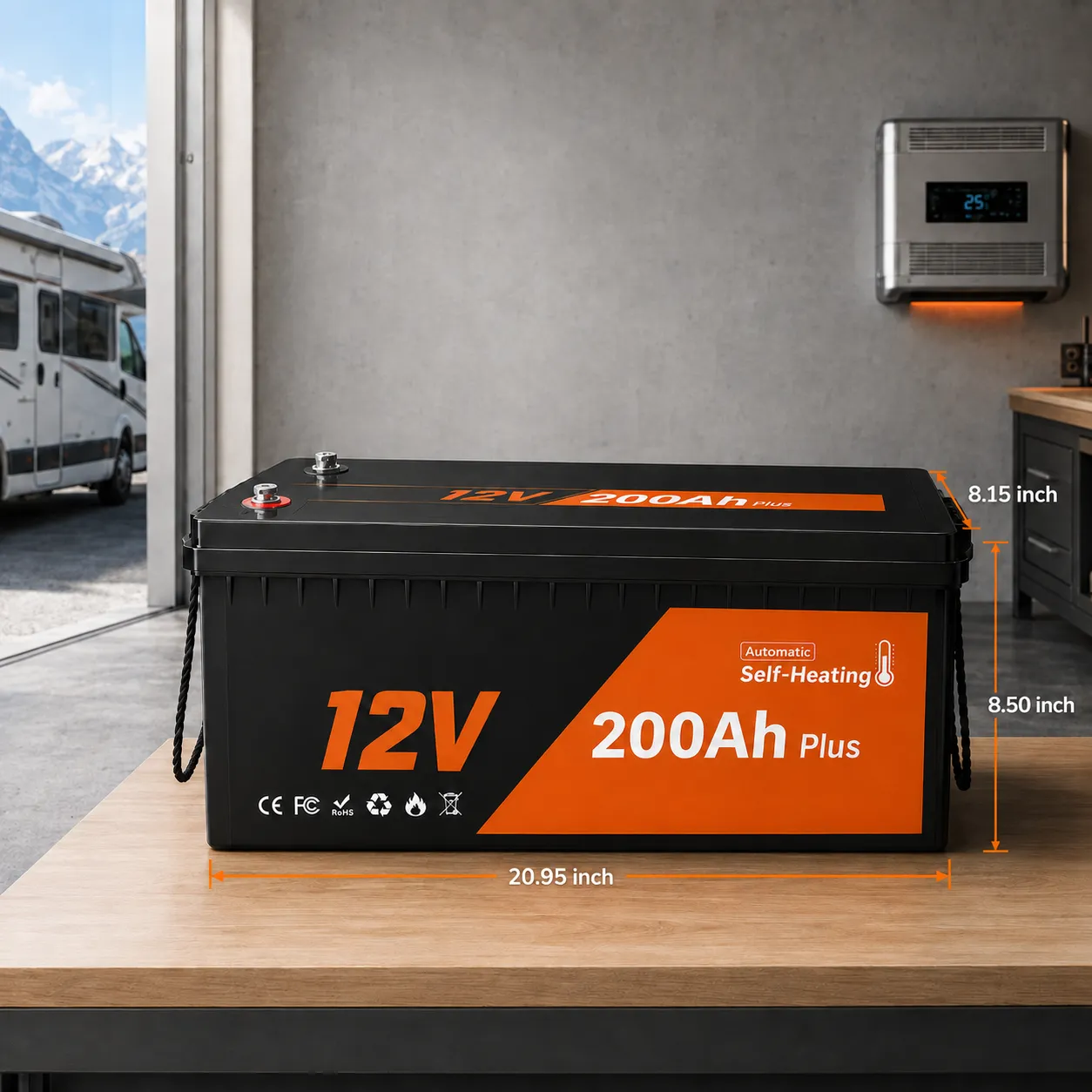
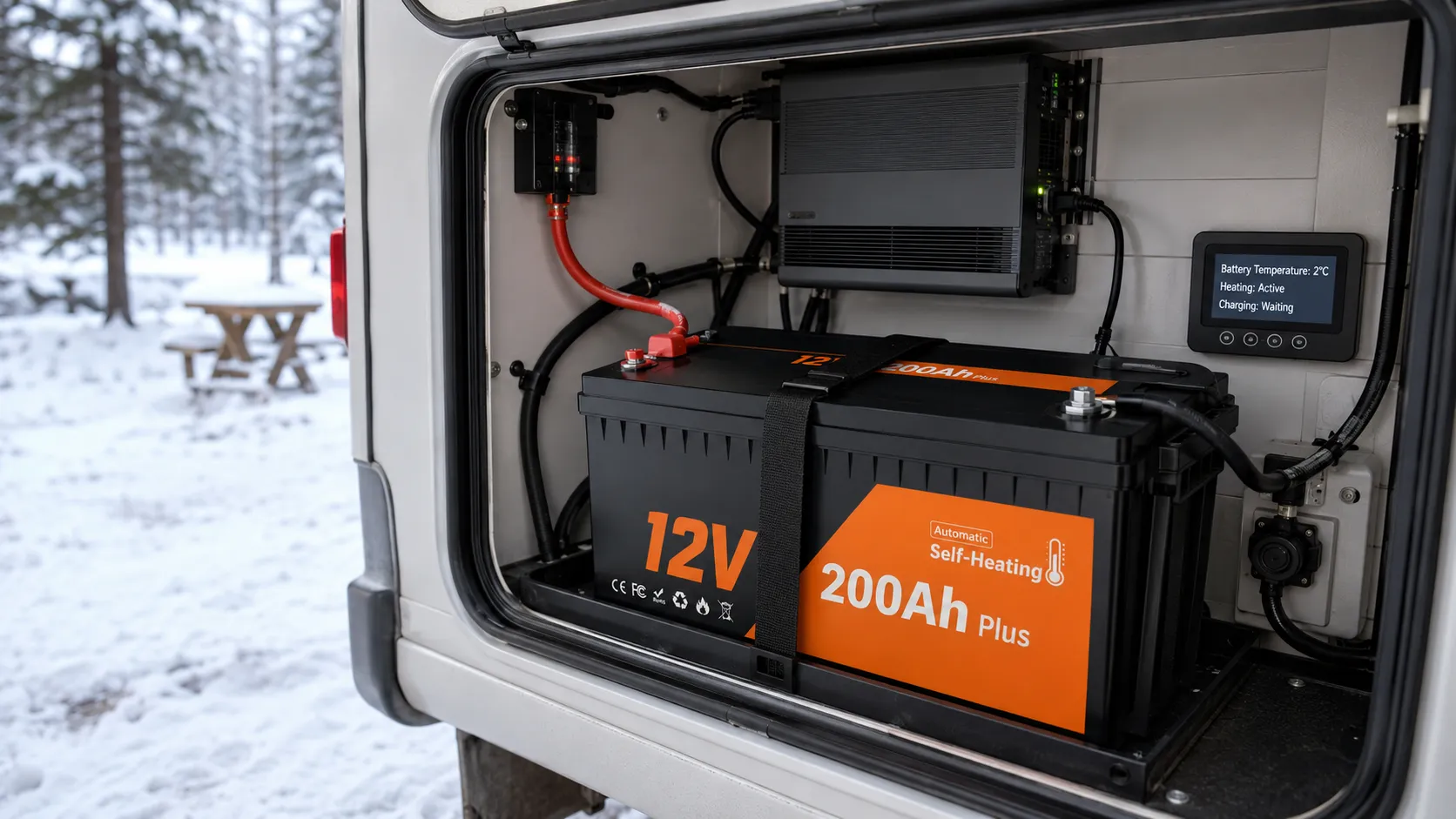
The 12V 200Ah self-heating LiFePO4 battery stores 2560Wh of energy for RV house-power systems, camper vans, marine house banks and off-grid installations. Integrated heating allows the battery to warm its cells before charging in freezing conditions, while low-temperature protection prevents unsafe charging when the cells are too cold.
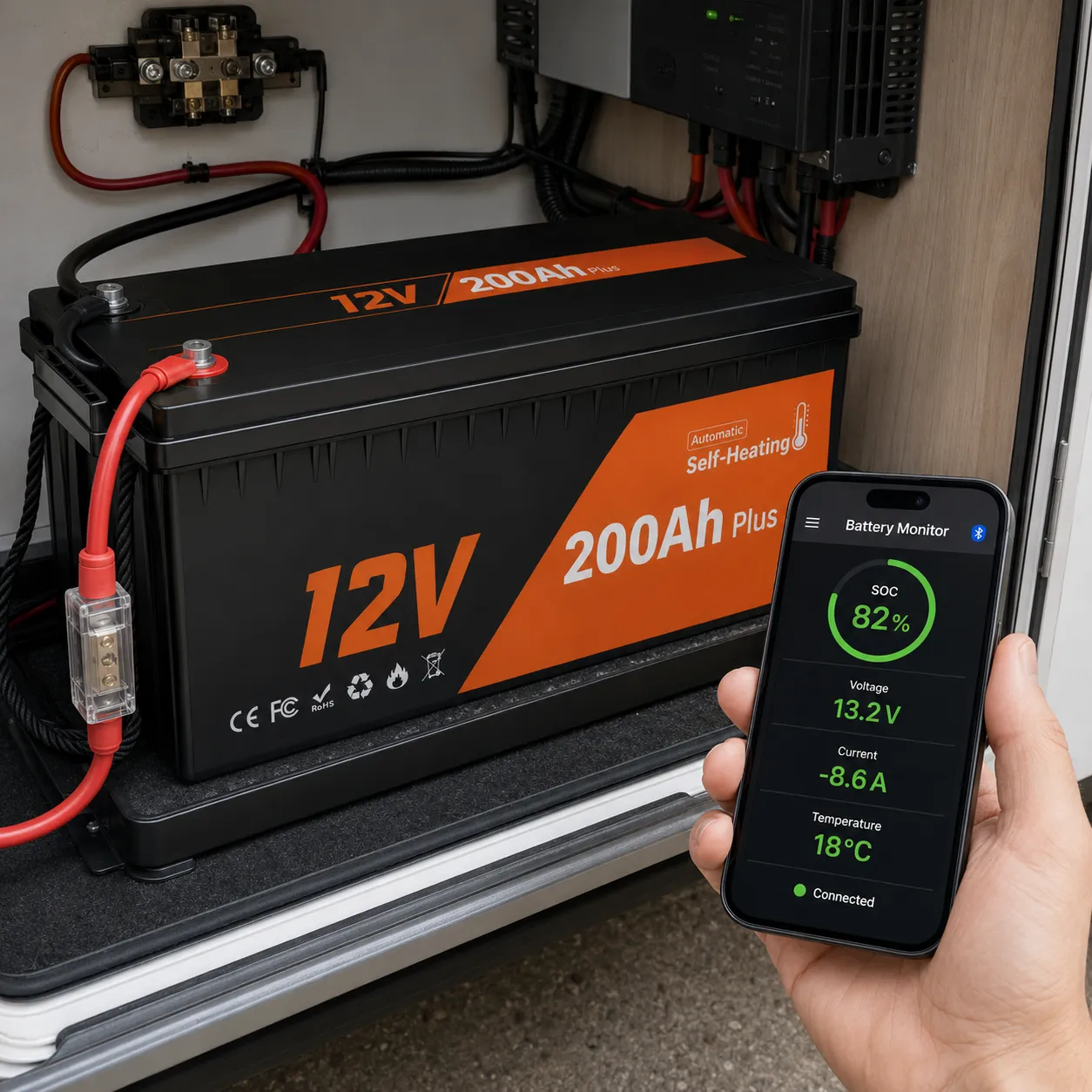
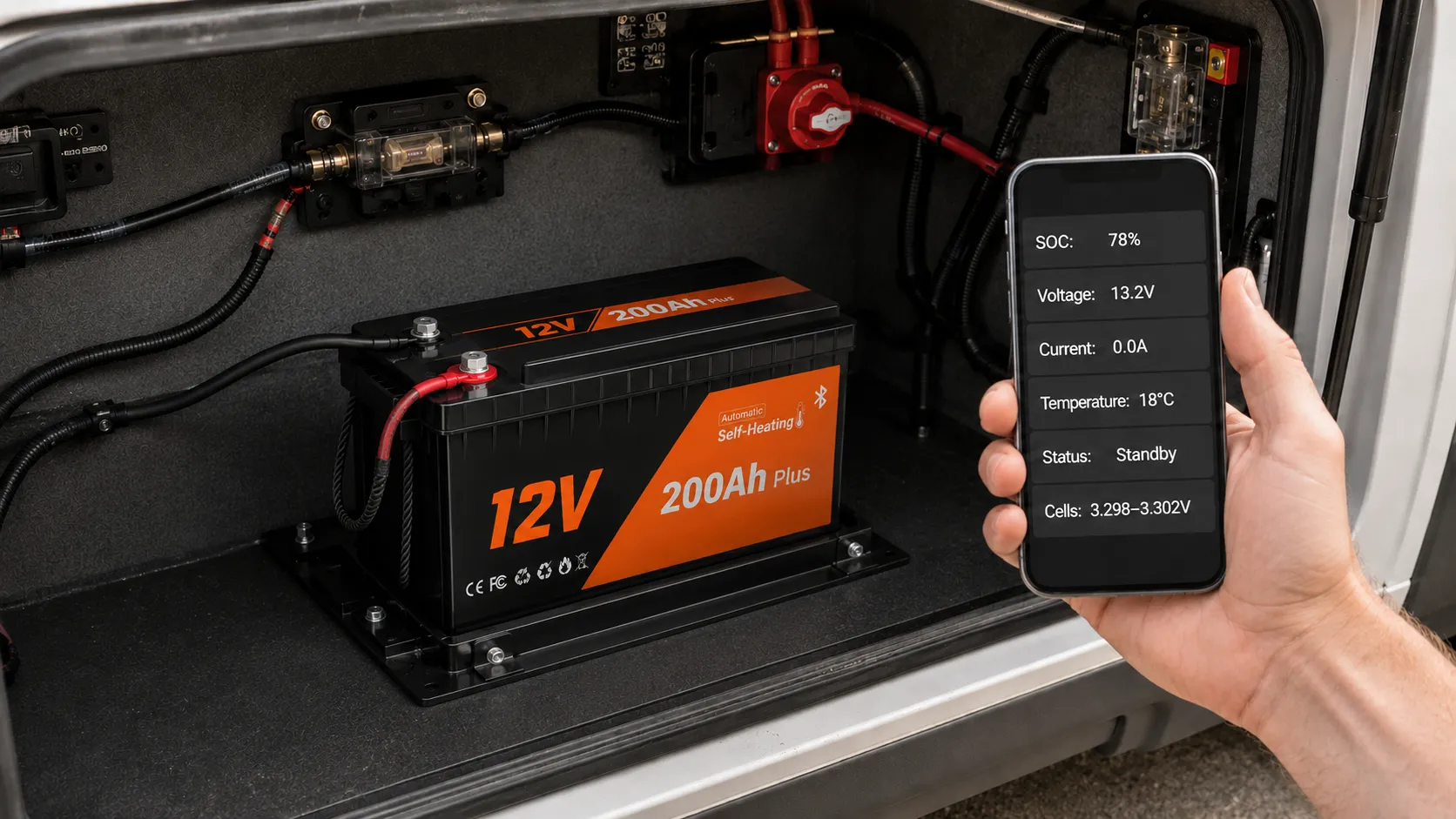
A 200A smart BMS supports up to 2560W of continuous output and protects the battery against common electrical and temperature faults. Built-in Bluetooth lets installers and owners check state of charge, voltage, current and temperature from a compatible mobile app.
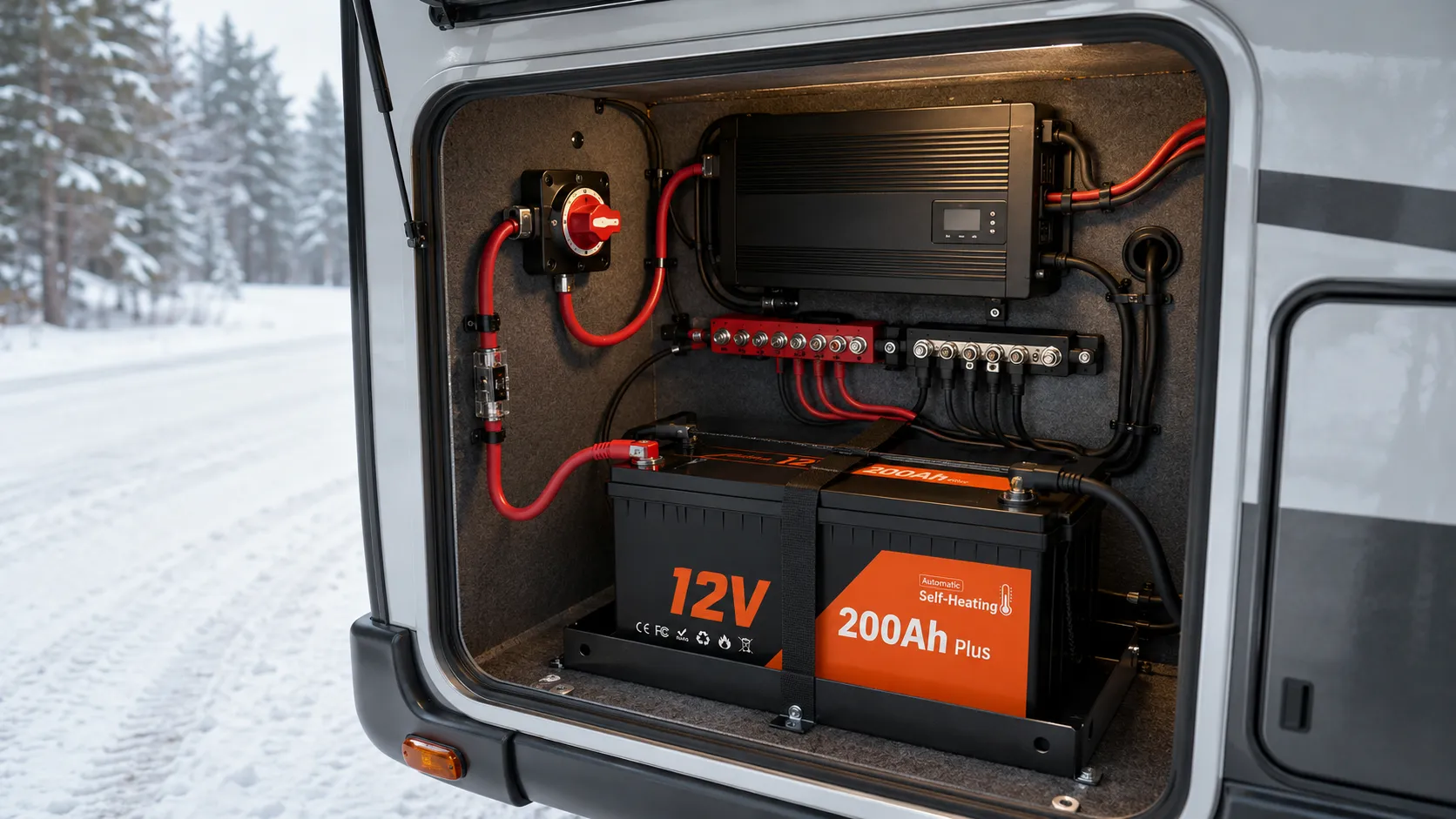
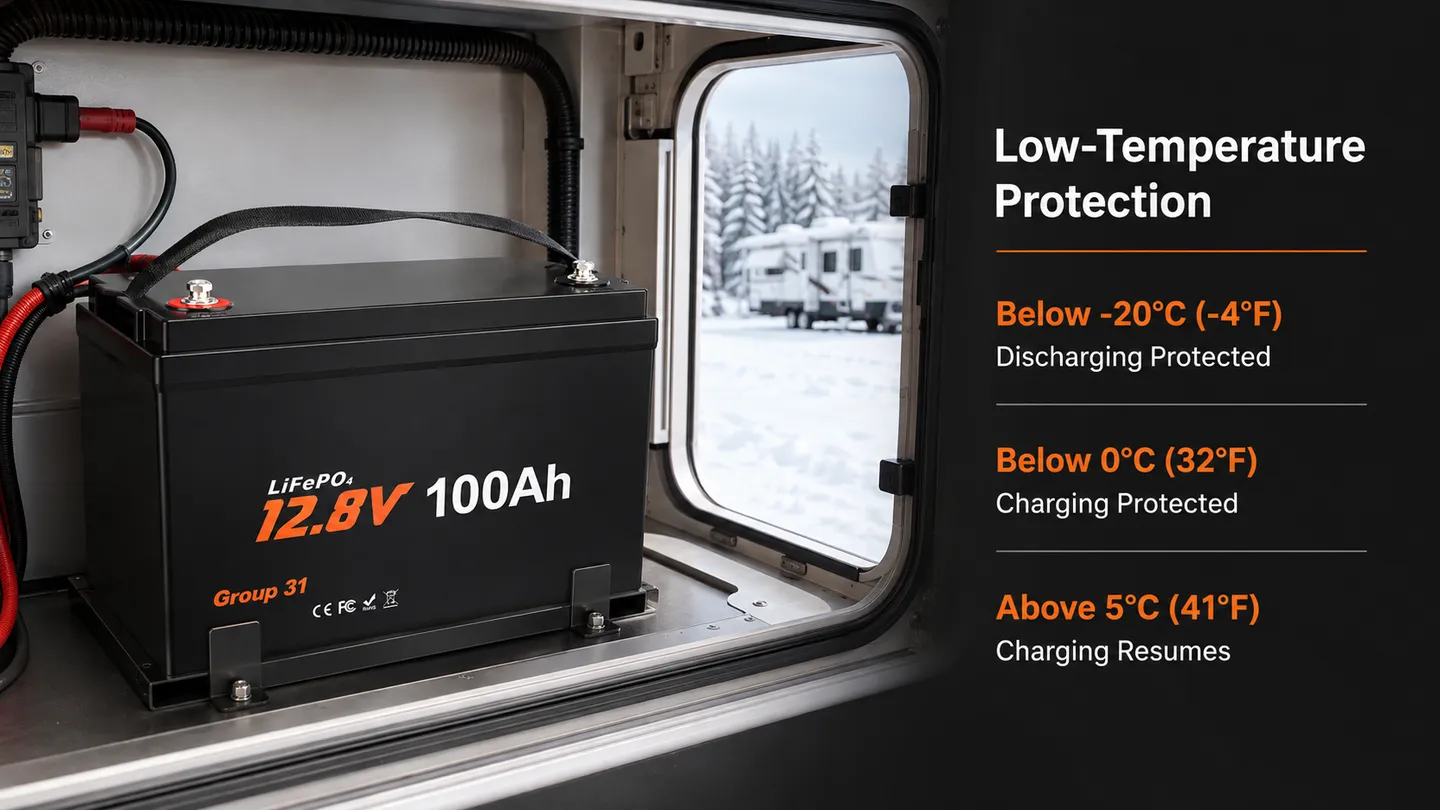
When a compatible charger is connected in cold conditions, the BMS directs charging current to the internal heating pads before allowing normal cell charging. The referenced heating system operates from approximately −4°F to 41°F (−20°C to 5°C) and stops heating when the cells reach a safe charging temperature.
The heating function requires at least 20A of available charging current. Approximate warm-up time is 70–90 minutes from 14°F (−10°C) and 100–150 minutes from −4°F (−20°C). Actual heating time depends on ambient temperature, installation insulation and charger output.
The integrated BMS monitors cell voltage, current and operating temperature while providing protection against overcharge, over-discharge, over-current, short circuit and high or low temperature. Cell balancing helps maintain consistent performance across the battery pack.
Bluetooth monitoring displays state of charge, voltage, current, power, temperature and operating status through a compatible mobile app, making routine checks easier without opening the battery compartment.
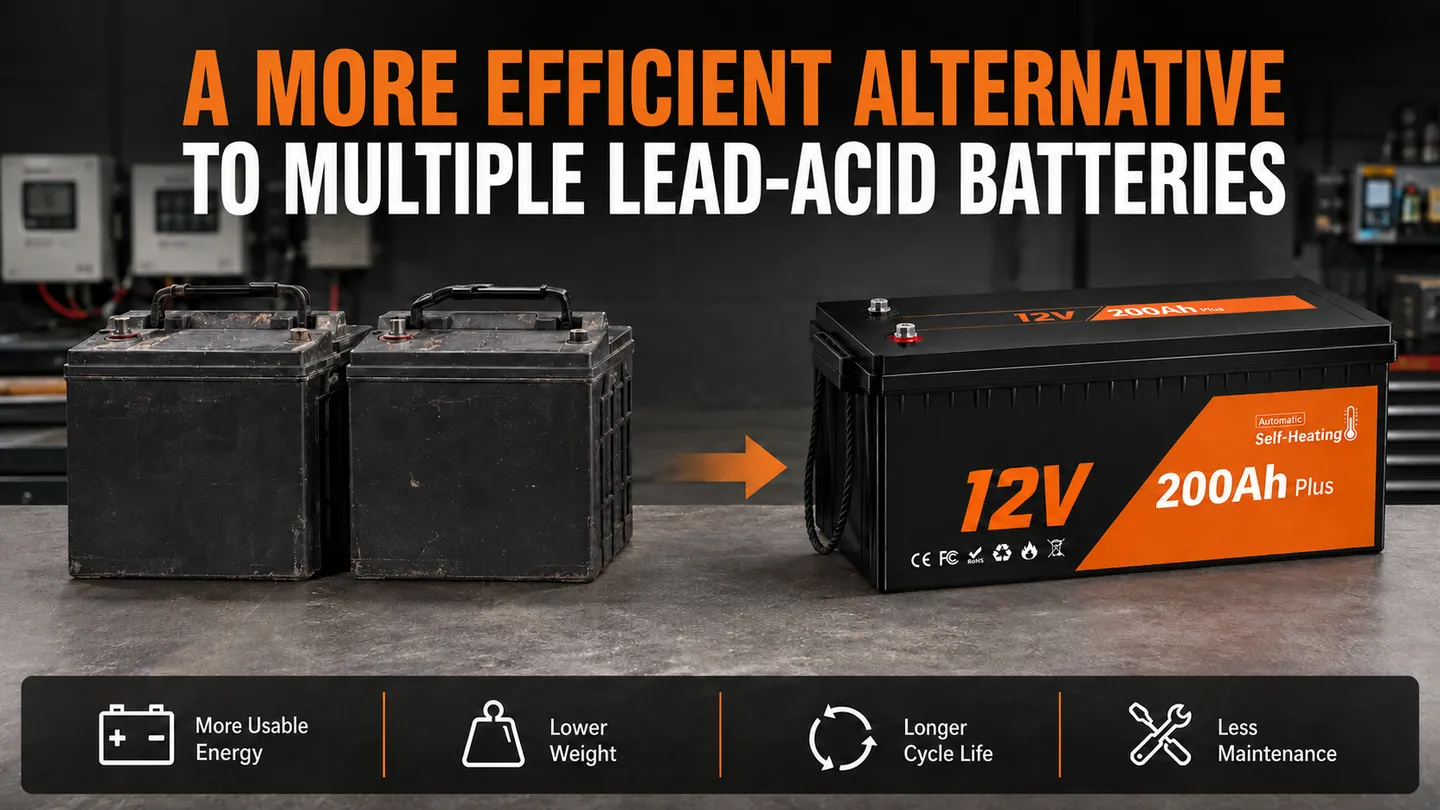
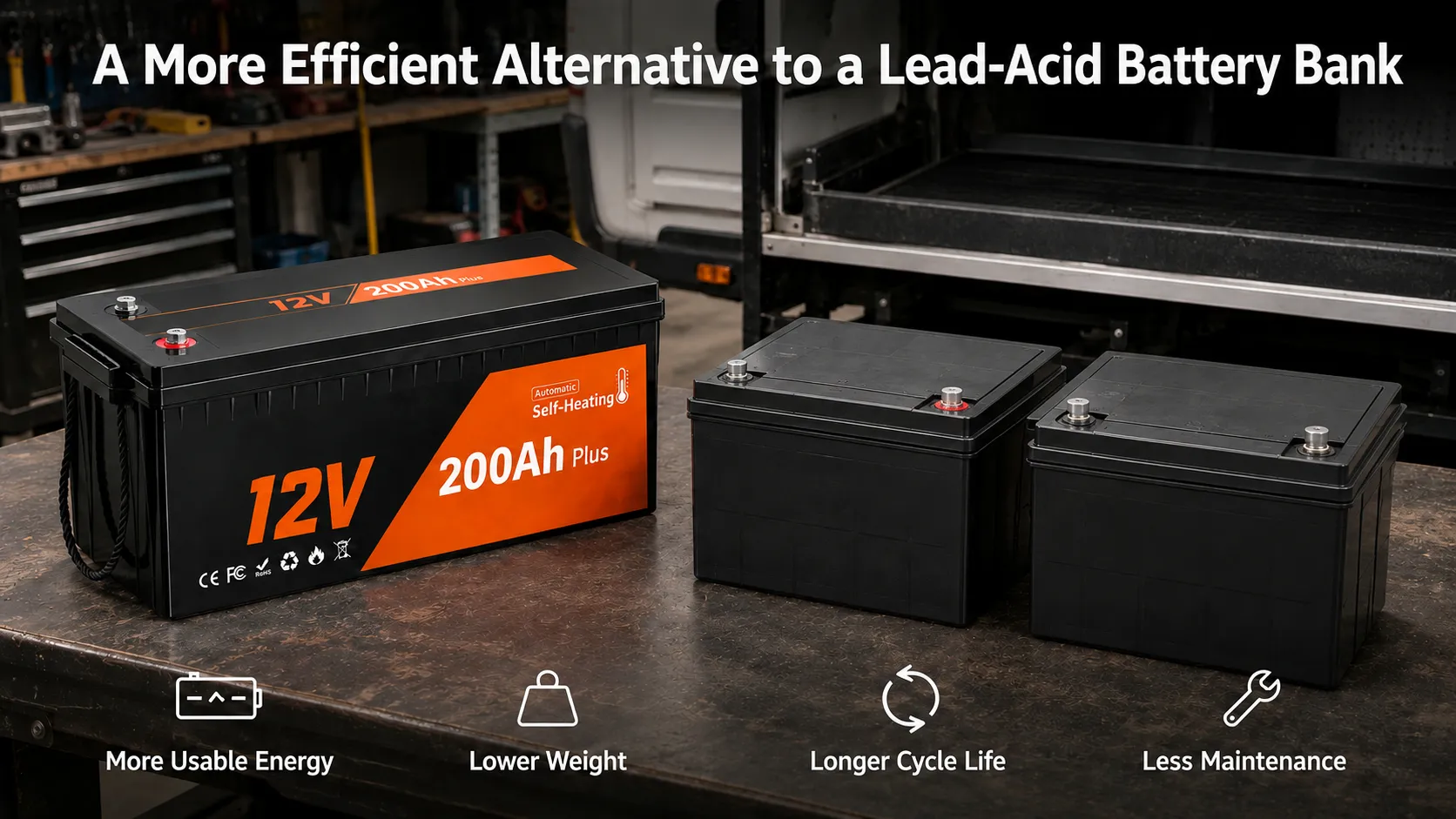
A 12V 200Ah LiFePO4 battery can replace a compatible RV or marine lead-acid house bank when the voltage, battery tray, charging system, cable size, fuse rating and inverter demand are correctly matched. LiFePO4 chemistry provides a higher usable depth of discharge and more stable voltage under load than conventional flooded lead-acid or AGM batteries.
Before conversion, verify the shore charger, solar controller, alternator charging method and inverter settings. Alternator charging should normally use a correctly sized DC-to-DC charger to protect both the alternator and battery.
| Battery chemistry | LiFePO4 |
|---|---|
| Nominal voltage | 12.8V |
| Rated capacity | 200Ah |
| Rated energy | 2560Wh |
| BMS rating | 200A smart BMS |
| Maximum continuous charge current | 200A |
| Maximum continuous discharge current | 200A |
| Maximum continuous output | 2560W |
| Peak discharge current | 800A for 1 second |
| Cycle life | 4,000 cycles at 100% DOD; 6,000 cycles at 80% DOD; 15,000 cycles at 60% DOD |
| Maximum expansion | 4P4S |
| Internal resistance | ≤40mΩ |
| Charge method | CC/CV |
| Charge voltage | 14.4V ± 0.2V |
| Recommended charge current | 40A |
| Charge temperature | −4°F to 122°F (−20°C to 50°C) with self-heating operation |
| Discharge temperature | −4°F to 140°F (−20°C to 60°C) |
| Storage temperature | 14°F to 122°F (−10°C to 50°C) |
| Heating operating range | −4°F to 41°F (−20°C to 5°C) |
| Minimum charging current for heating | 20A |
| Bluetooth monitoring | Yes |
| Terminals | M8 bolts |
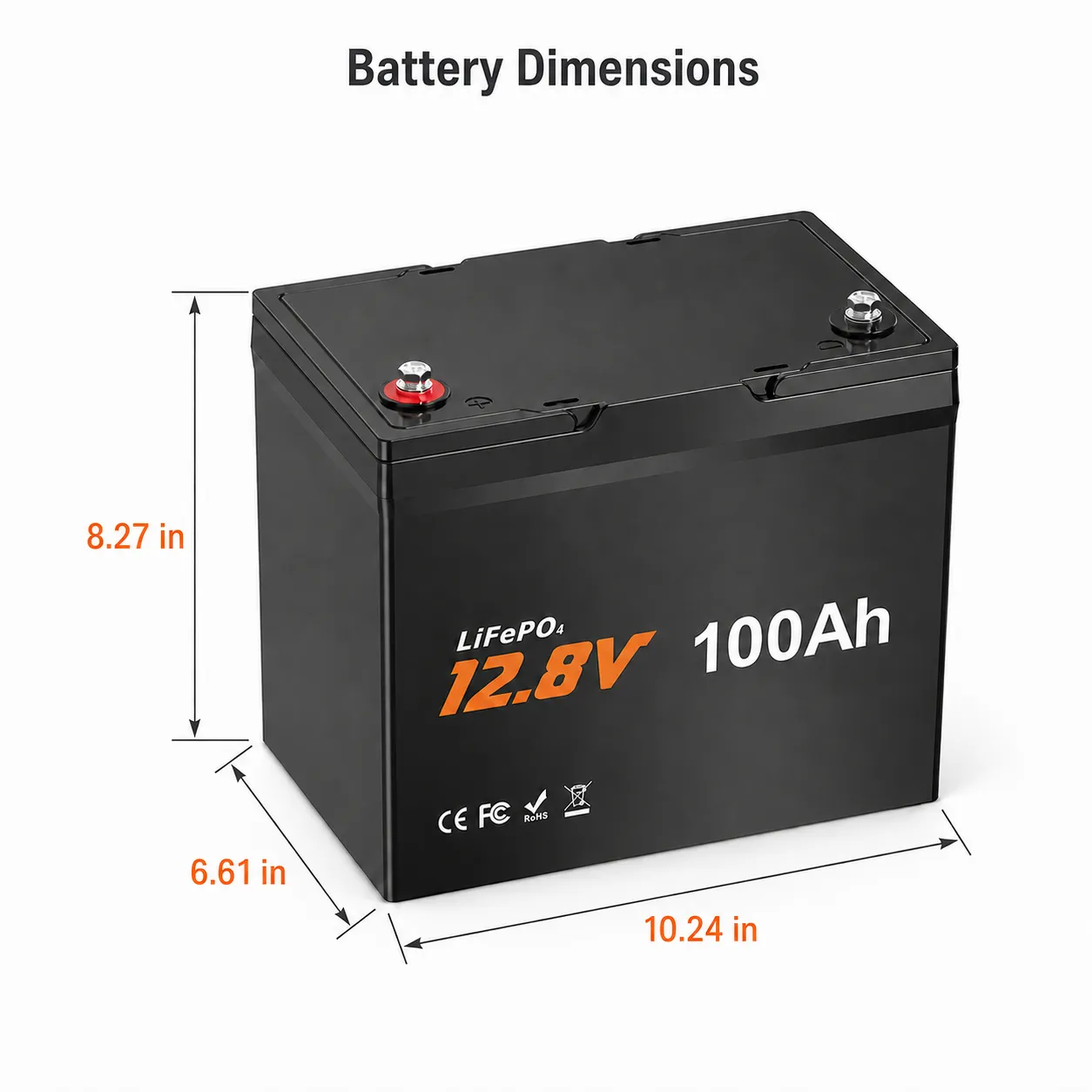
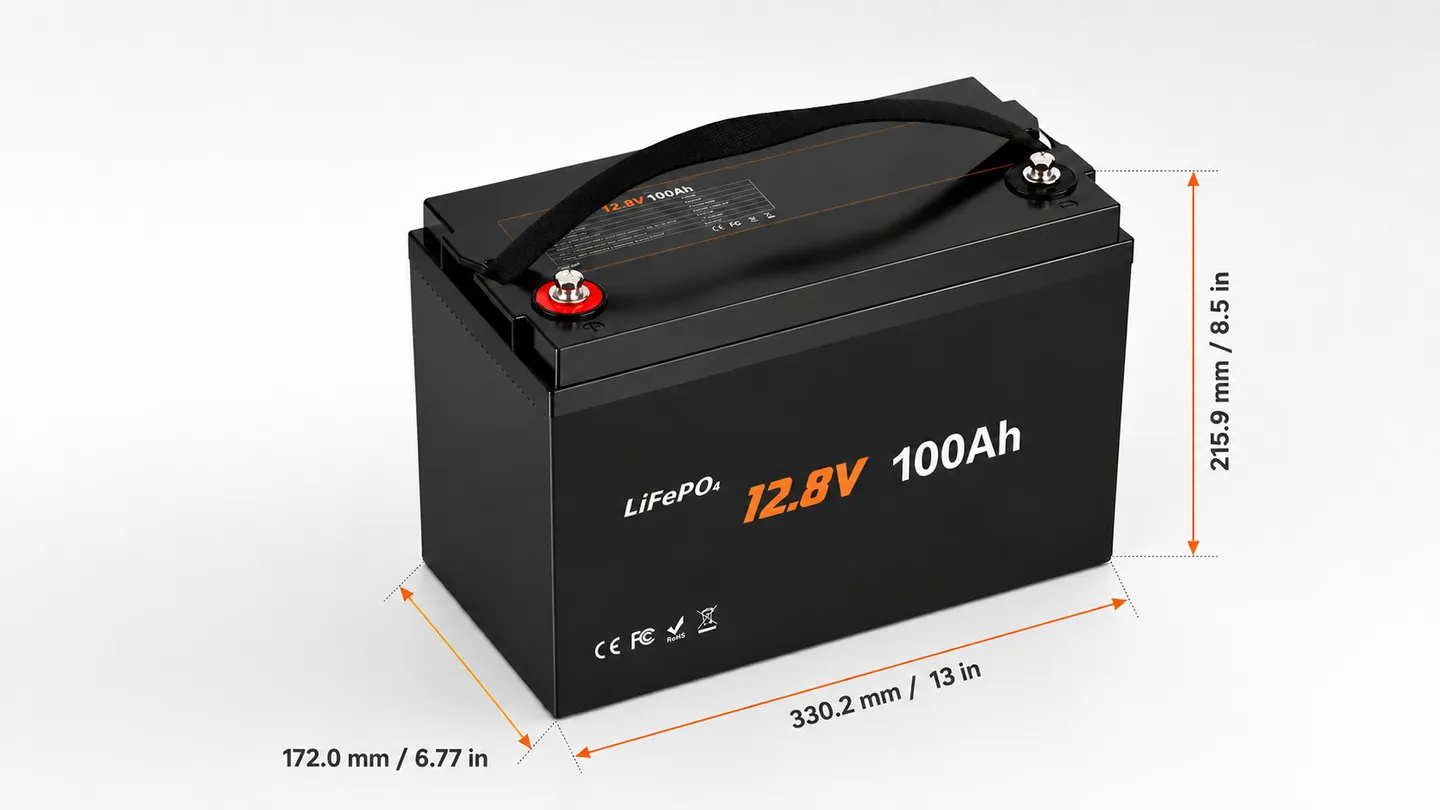
| Dimensions | 21 × 8.2 × 8.5 in (approximately 533 × 208 × 216 mm) |
| Approximate weight | 44.1 lb (20 kg) |
| Housing material | ABS |
| Protection rating | IP65 |
| Referenced certifications | FCC, CE, RoHS and UN38.3 |
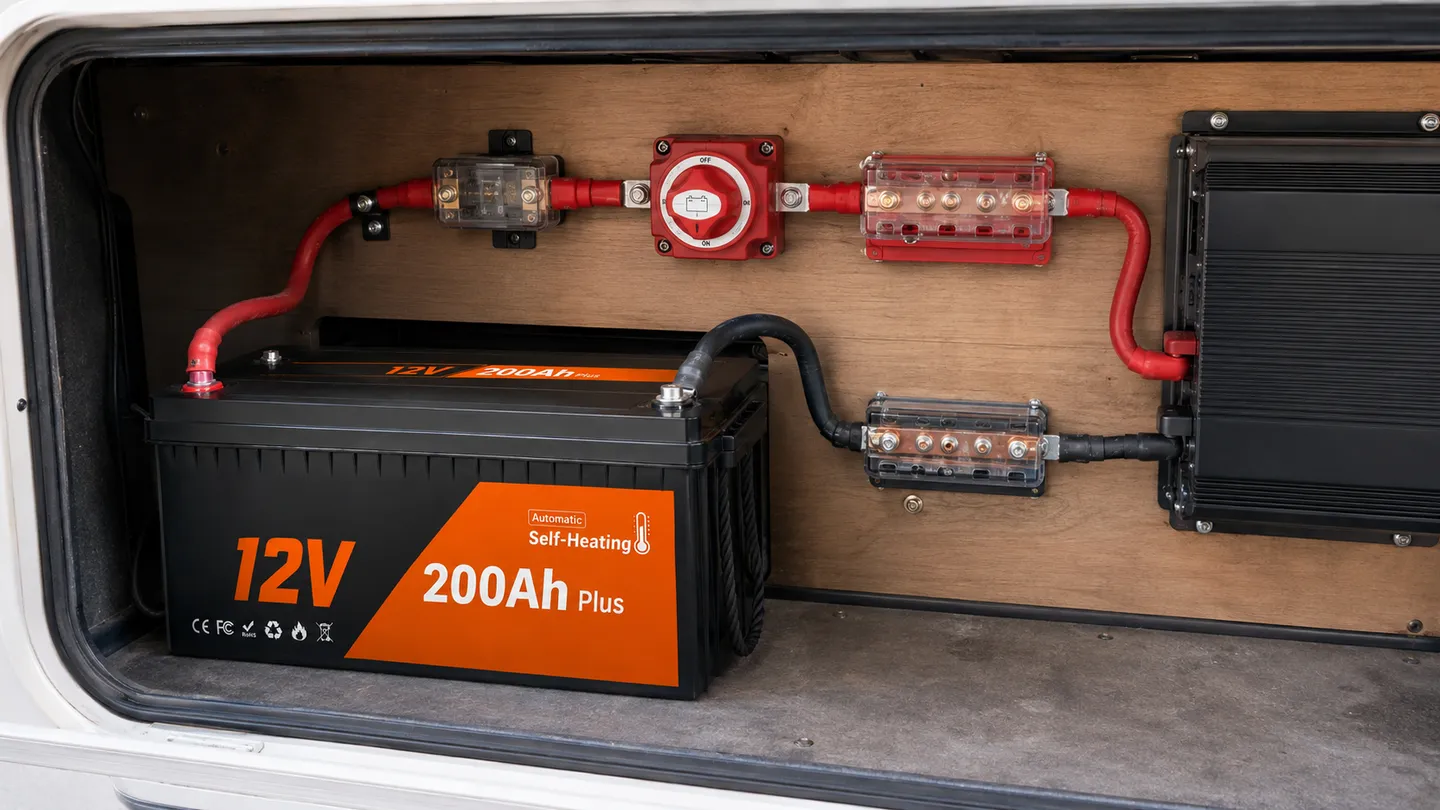
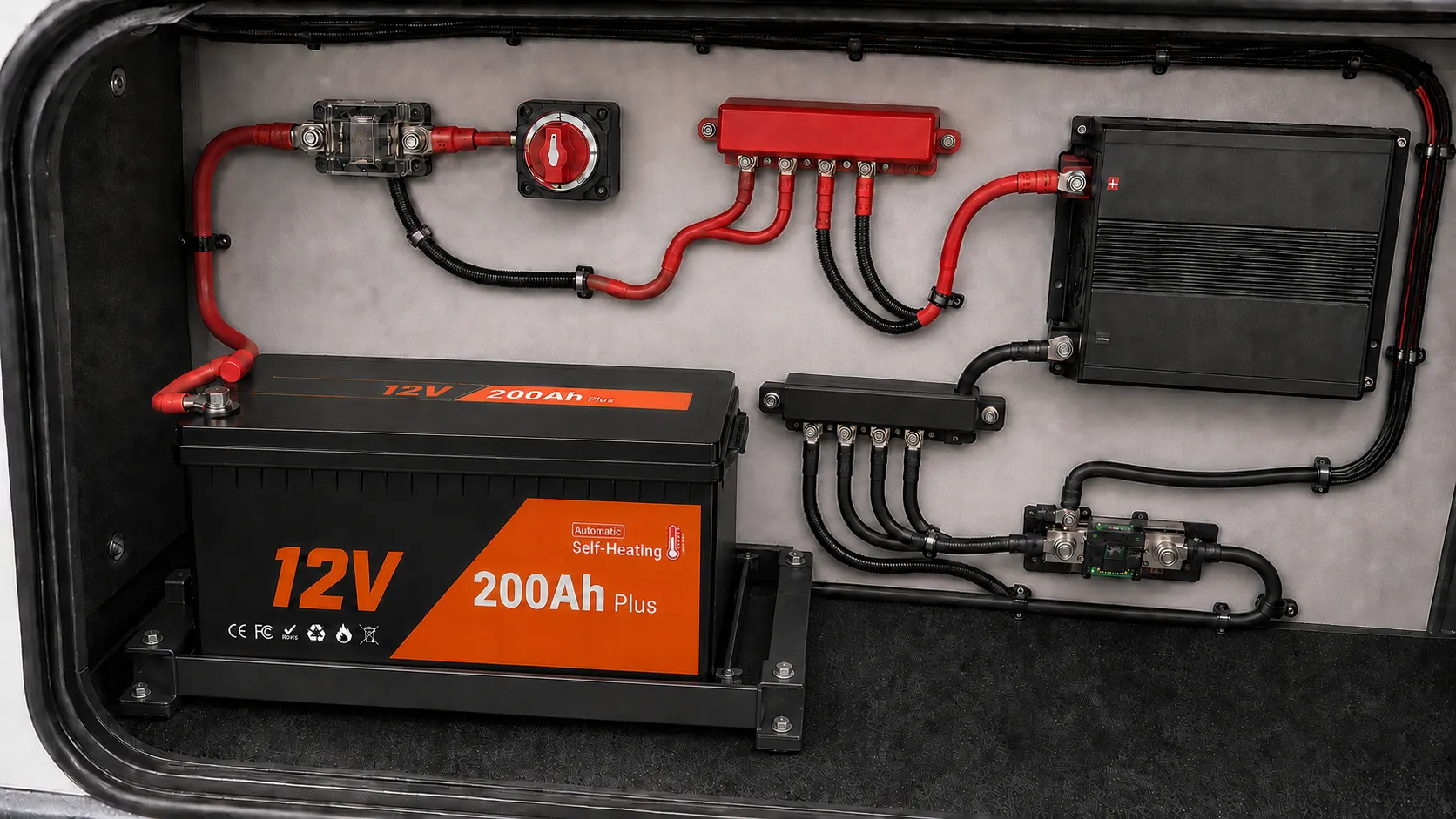
A high-current RV installation should include correctly sized positive and negative cables, a Class T or suitably rated main fuse close to the positive terminal, a battery disconnect switch, protected busbars and an inverter or DC distribution connection sized for the expected load. Cable routing should be secured and kept clear of sharp edges and heat sources.
For RV manufacturers, camper van builders, marine installers, distributors and system integrators, available OEM support can include BMS configuration, Bluetooth monitoring, heating settings, terminal selection, labels, packaging and production testing.
MOQ, pricing, sample availability, lead time, payment terms and warranty depend on the confirmed specification and order quantity.
A self-heating model is useful when the battery may need to charge below freezing. If the battery is always installed and charged in a temperature-controlled compartment, low-temperature charge protection without heating may be sufficient.
The charger initially powers the heating pads. Normal cell charging begins after the battery reaches a safe charging temperature.
Yes, when the installation space, charging system, cable size, fuse, inverter demand and terminal layout are compatible. Charger settings should be changed to an approved LiFePO4 profile.
The referenced configuration supports up to four batteries in series and four in parallel. Use only matching batteries of the same model, age, capacity, BMS rating and state of charge, and confirm 4P4S approval for the production model.
Yes, through a compatible DC-to-DC charger sized for the alternator and battery. Direct alternator connection is not recommended unless the complete charging system has been engineered for LiFePO4 use.
No. This is a deep-cycle energy-storage battery for house loads and compatible inverter systems. Use a battery specifically rated for engine starting when cranking current is required.
Send your application, required quantity and target specifications. We can review the datasheet, MOQ, OEM pricing, lead time, heating configuration and customization options.
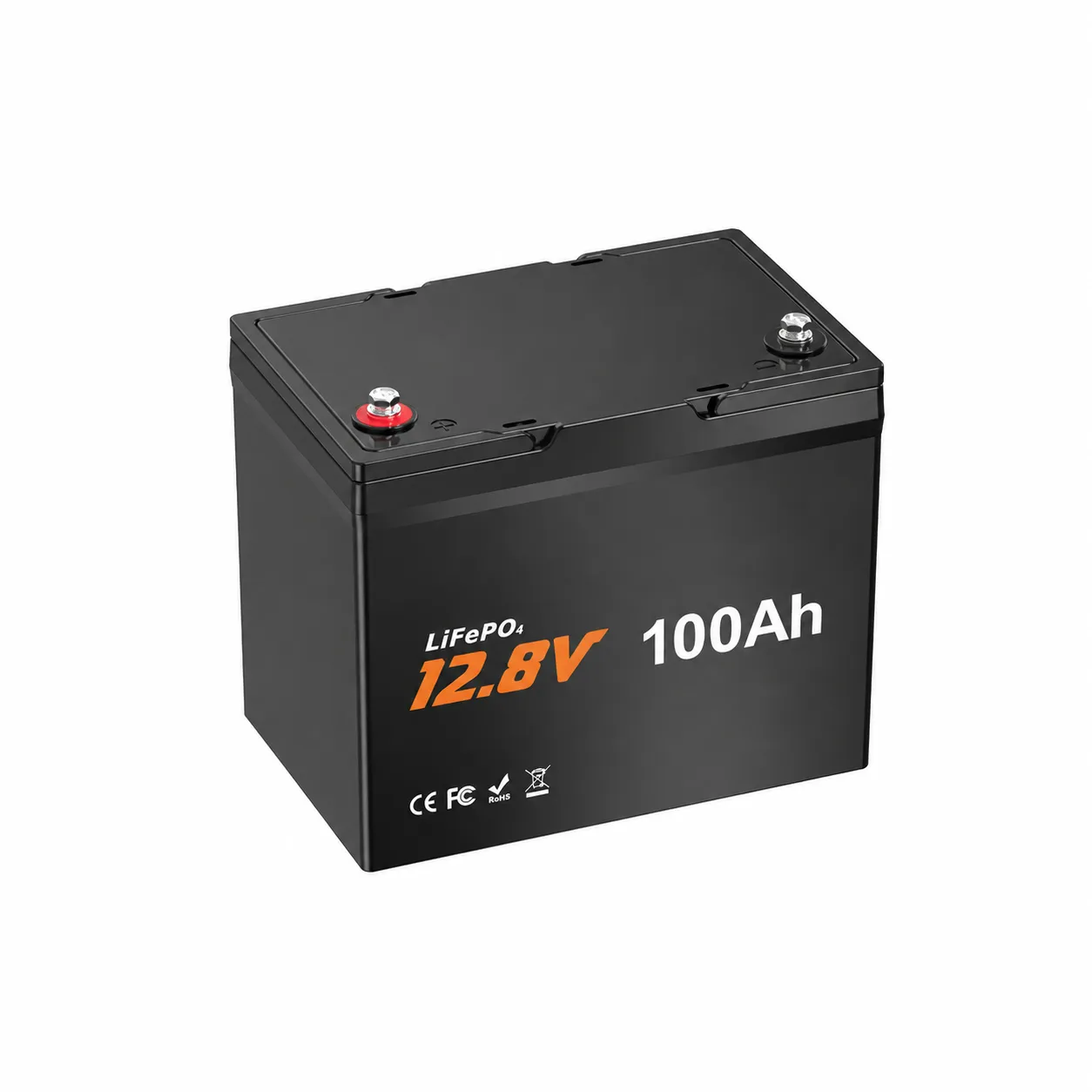
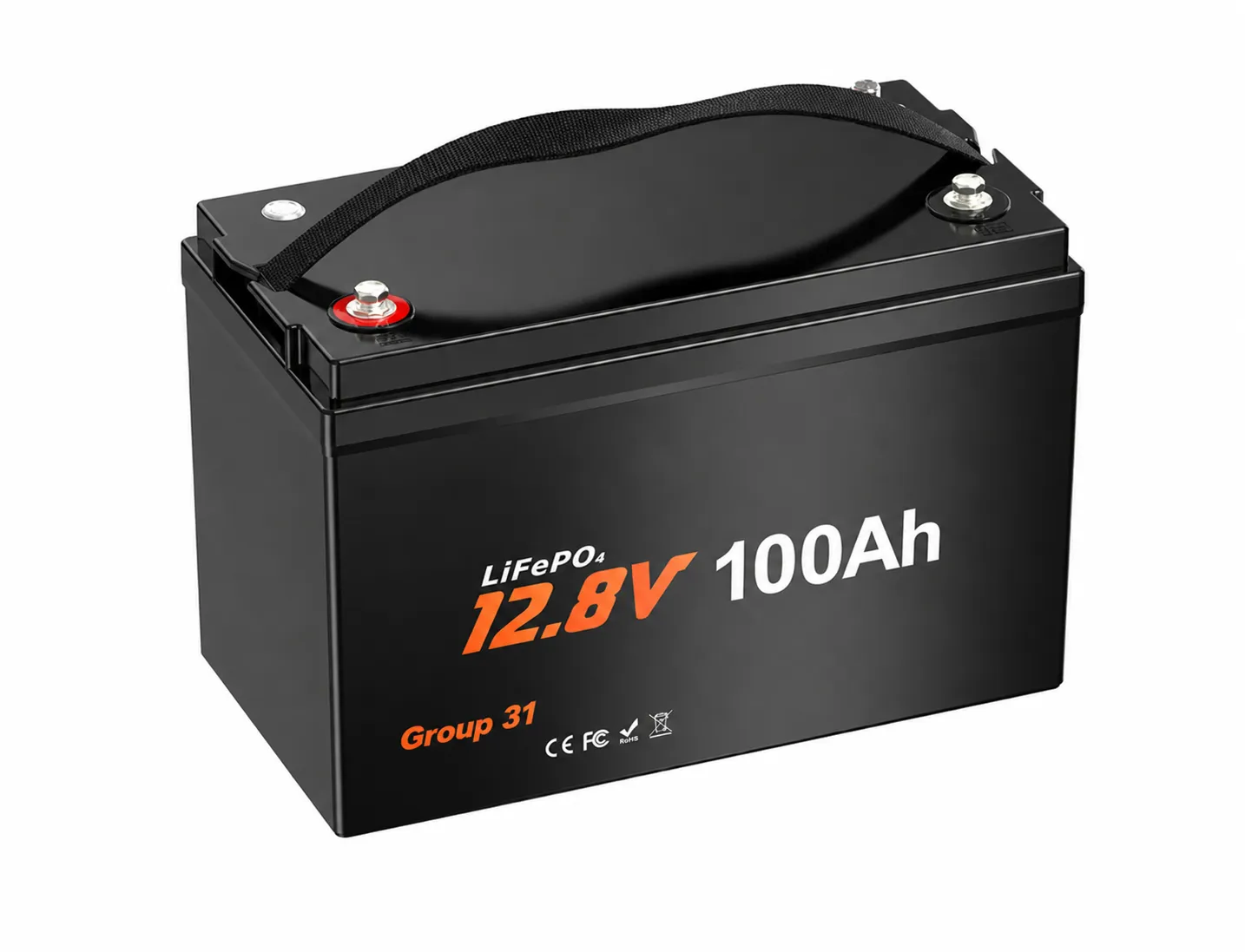
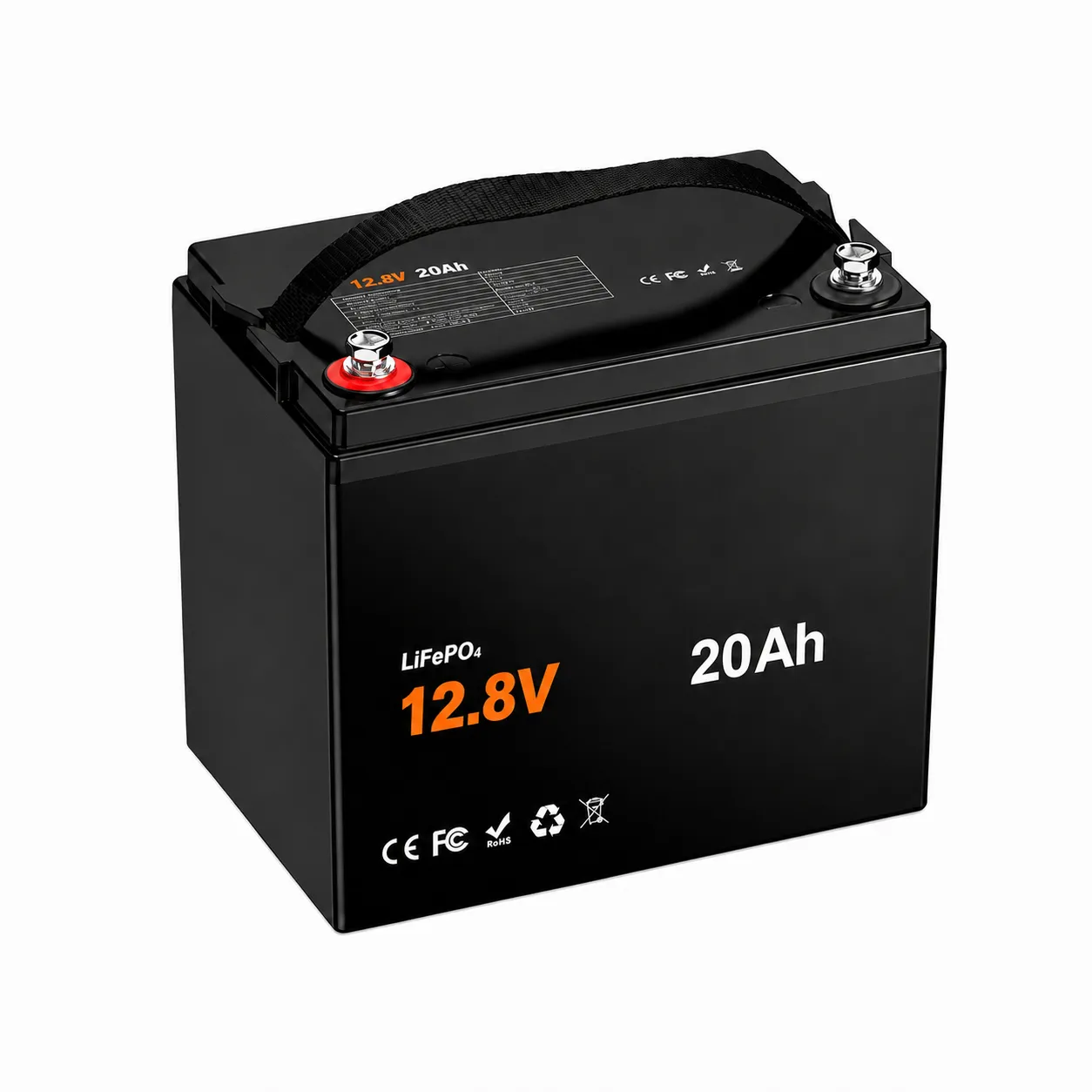
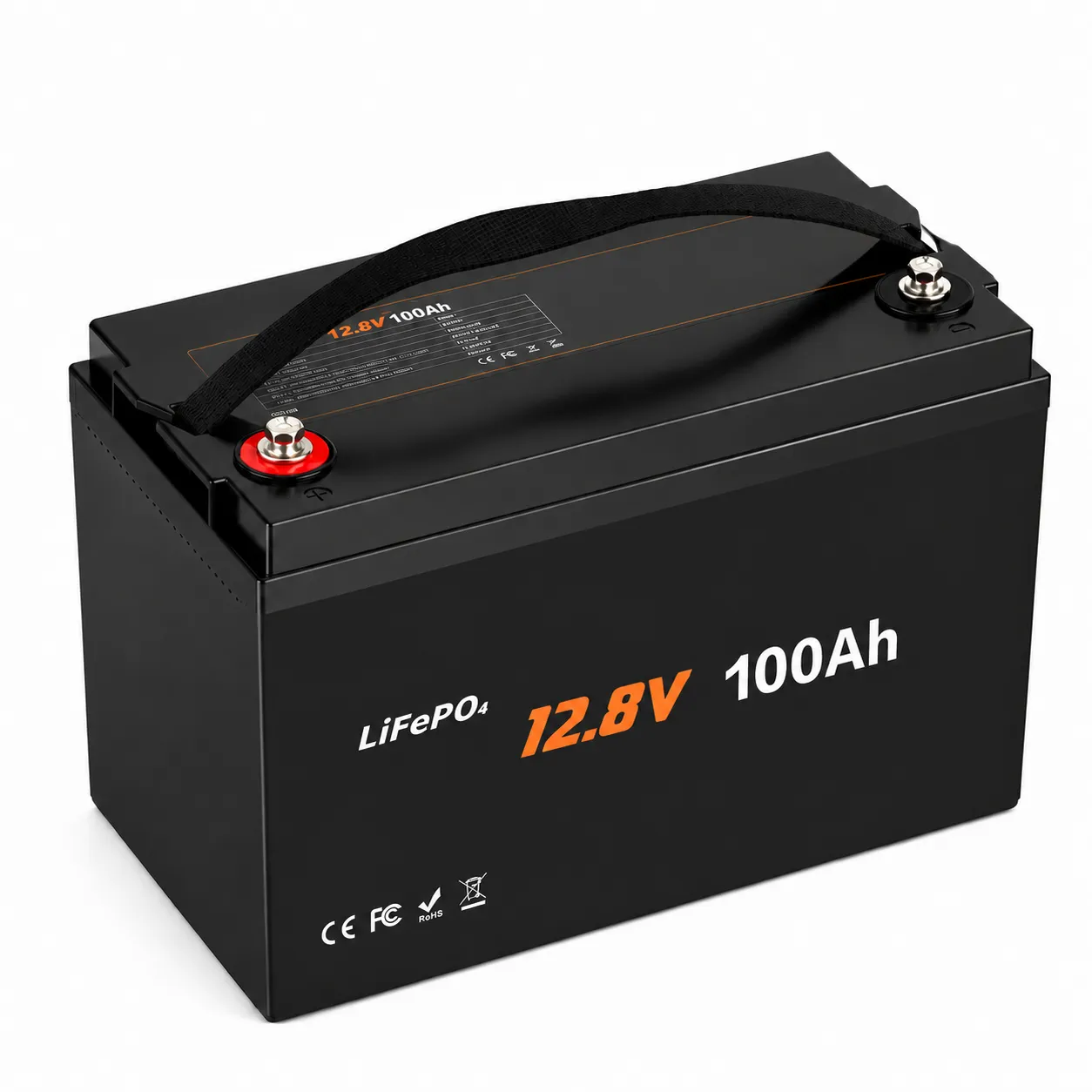
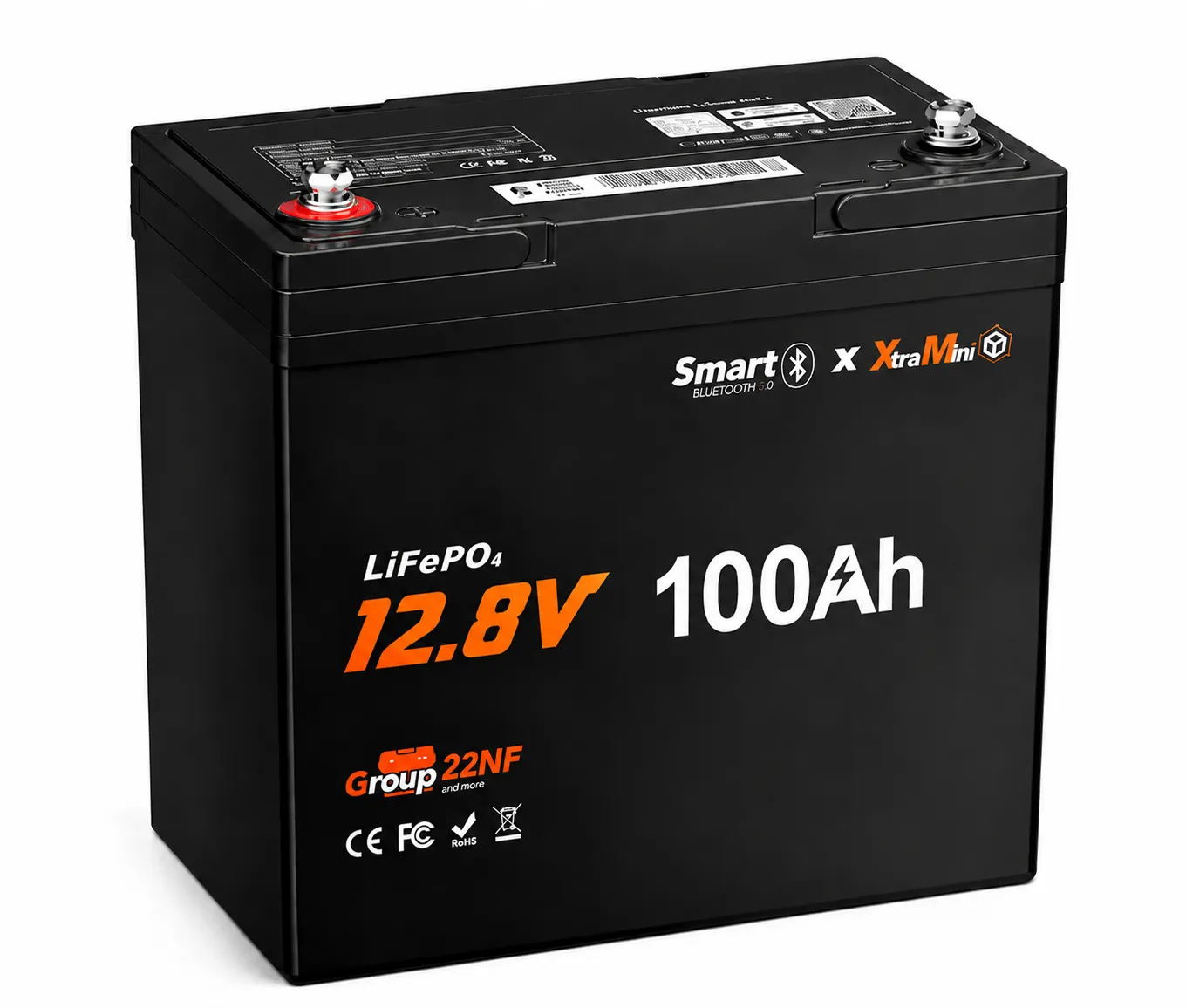
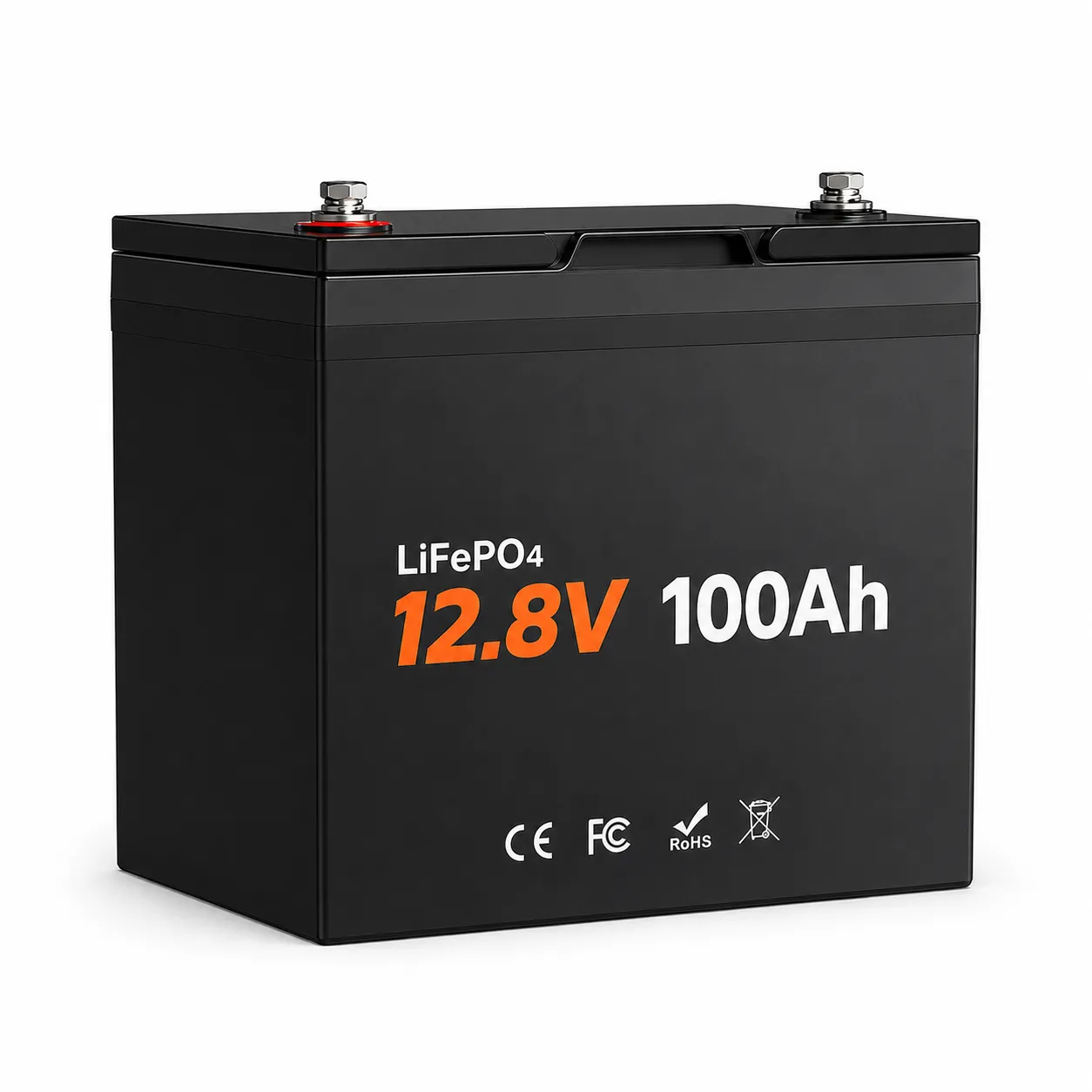
Many LiFePO4 batteries can replace compatible lead-acid deep-cycle batteries in RVs, boats, golf carts and industrial equipment. Before installation, confirm the system voltage, battery dimensions, terminal layout, charger profile, maximum load, cable size, fuse rating and operating temperature.
Most LiFePO4 batteries are compatible with standard 12V, 24V, 36V or 48V inverters when the system voltage and power requirements match. Many modern chargers also include a LiFePO4 charging profile. For lead-acid replacement projects, confirm the charger voltage, inverter rating and maximum load before installation. A compatible charger or DC-to-DC charger may be required if the existing charging equipment does not support LiFePO4 batteries.
Yes. OEM and custom battery support can include voltage, capacity, BMS settings, enclosures, terminals, connectors, communication protocols, labels and packaging. Send us the application, electrical requirements, installation dimensions and expected order quantity for review.
MOQ depends on the battery model, specification and customization requirements. Standard models may be available for sample testing, while custom enclosures, private labels and OEM production normally require a confirmed order quantity. Contact us with the model and required quantity for details.
Available certifications and documents depend on the battery model and destination market. Supporting documents may include UN38.3, MSDS, CE, RoHS and product test reports. Confirm the required documents and target market before placing an order.
Lead time depends on the battery model, order quantity, customization and testing requirements. Export shipping options are arranged according to the battery specification, destination and order volume. Send us the required quantity, delivery location and target schedule for a project-specific quotation.