Explore RV and motorhome LiFePO4 battery projects covering lead-acid replacement, shore-power charging, alternator and DC-DC charging, Victron system integration, Smart BMS communication, battery fitment and OEM vehicle integration.
A reliable RV lithium battery upgrade requires more than matching battery voltage and Ah. The battery, BMS, converter or inverter-charger, alternator charging, DC-DC charger, solar controller, cables, protection devices and communication system should be reviewed as one electrical system.
For battery selection and system design, see RV LiFePO4 Battery Solutions. For broader charger, inverter and communication matching, see Lithium Battery System Compatibility.
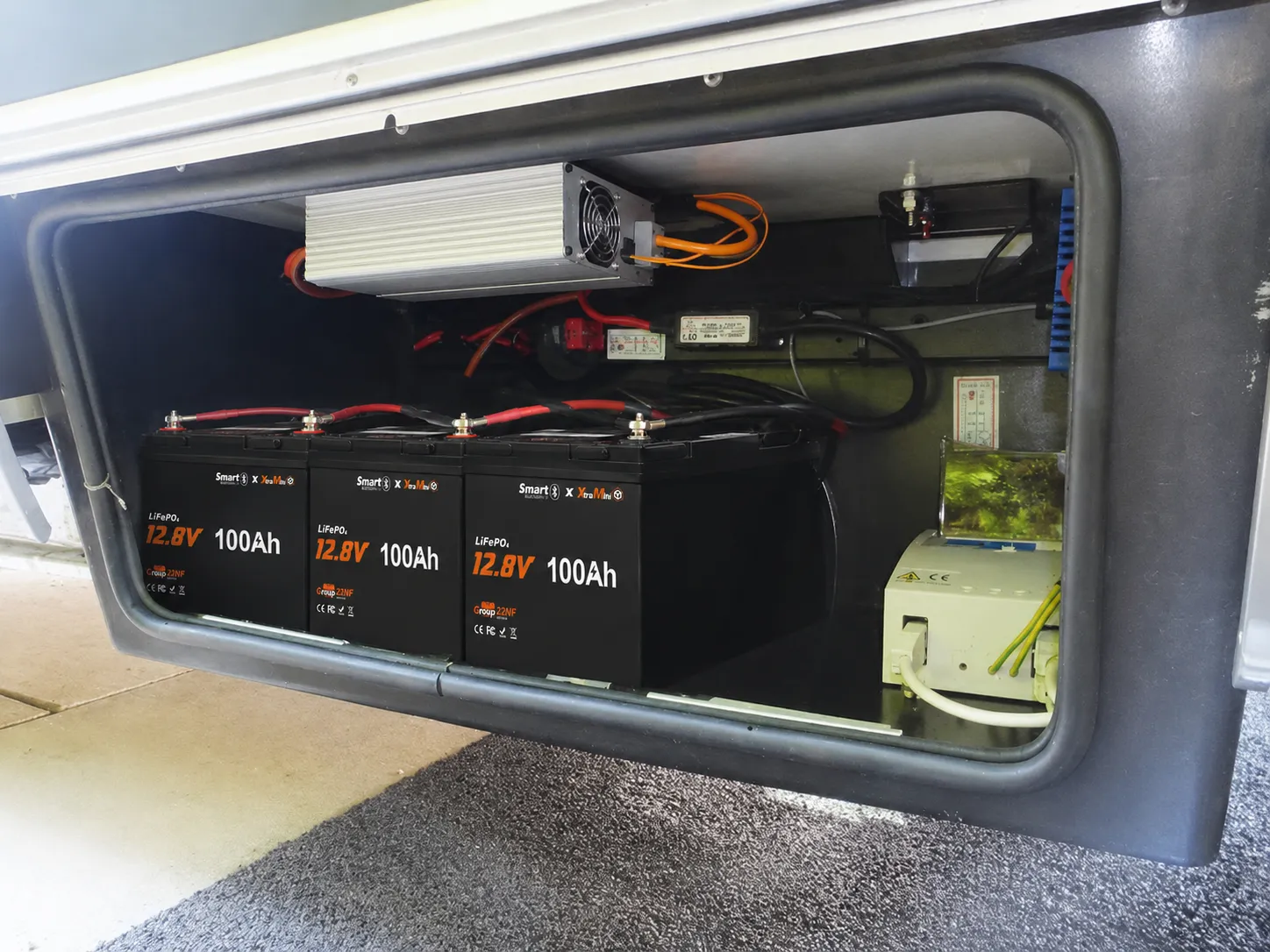
See a real RV OEM battery project covering battery fitment, enclosure development, Smart BMS configuration, charging-system compatibility, CAN / RS485 integration, sample testing and OEM production requirements.
Start with the system area closest to your RV or camper project. These pathways organize the main engineering checks required before sample approval, retrofit installation or OEM production.
Replacing an RV lead-acid house battery with LiFePO4 is not only a battery-capacity decision. The original charging equipment, inverter load, alternator charging circuit, solar charging, cables, fuses, disconnects and battery-compartment layout should all be reviewed before the retrofit is approved.
The conversion review should include:
Shore power being available does not automatically mean the house battery is charging correctly. AC appliances can operate while a battery-side fuse, disconnect, ground connection, charger setting or BMS protection condition prevents charging.
A shore-power charging review should check:
Alternator charging should be designed around the vehicle alternator, starter-battery system, lithium house battery and approved BMS charge-current limit. A DC-DC charger can provide controlled charging while reducing the risk of excessive alternator loading.
Before selecting or configuring a DC-DC charger, confirm:
In Victron-based RV systems, battery compatibility should be reviewed across the inverter-charger, GX device, solar charging, DC-DC charging, battery BMS and communication protocol. A physical CAN connection alone does not confirm communication compatibility.
Common equipment in an RV integration can include:
Integration should confirm battery charge and discharge limits, SOC reporting, charger settings, inverter behavior, DVCC requirements where used, and the exact communication protocol supported by the battery and connected GX equipment.
View RV Battery Solutions & Victron Integration →
CAN and RS485 describe communication channels; they do not guarantee that two devices understand the same data format. Battery integration must confirm the protocol, pinout, baud rate, termination requirements and supported data objects expected by the inverter, controller, display or energy-management device.
Communication requirements can include:
Bluetooth, CAN and RS485 should be treated as project options rather than assumed standard features on every battery model.
RV battery compartments vary widely between motorhomes, camper vans, expedition vehicles and custom conversions. A battery that matches the required voltage and capacity may still be unsuitable if the enclosure, terminals, mounting points or cable exits do not match the available space.
Fitment review should confirm:
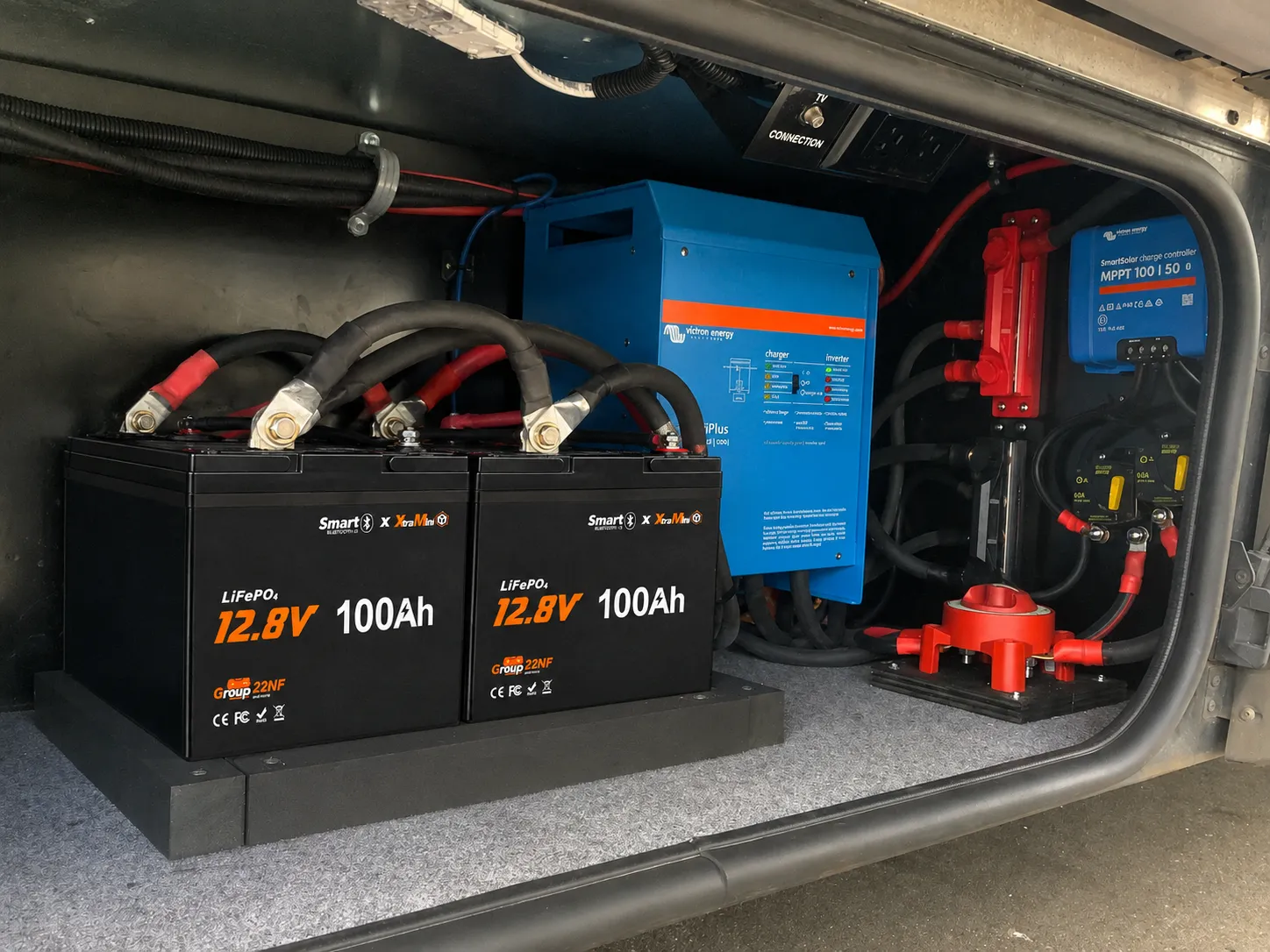
Battery capacity should be sized from the RV’s real energy demand rather than from Ah alone. Daily DC loads, inverter-powered AC loads, required off-grid time, charging opportunities and reserve margin all affect the required battery energy.
Required Battery Energy ≈ Daily Energy Use × Required Off-Grid Days ÷ Planned Usable Fraction
Key sizing inputs include:
RV house batteries often receive energy from several sources: shore power, alternator charging and solar. Each charging source should remain within the battery’s approved voltage, current and temperature limits.
Solar-controller settings, inverter low-voltage behavior, charger priorities and total available charging current should be reviewed together. Multiple chargers operating at the same time can create a combined charge current higher than the intended battery or BMS limit.
A sample battery or approved battery configuration should be checked against the target RV electrical system before repeated installation or volume production.
Validation can include:
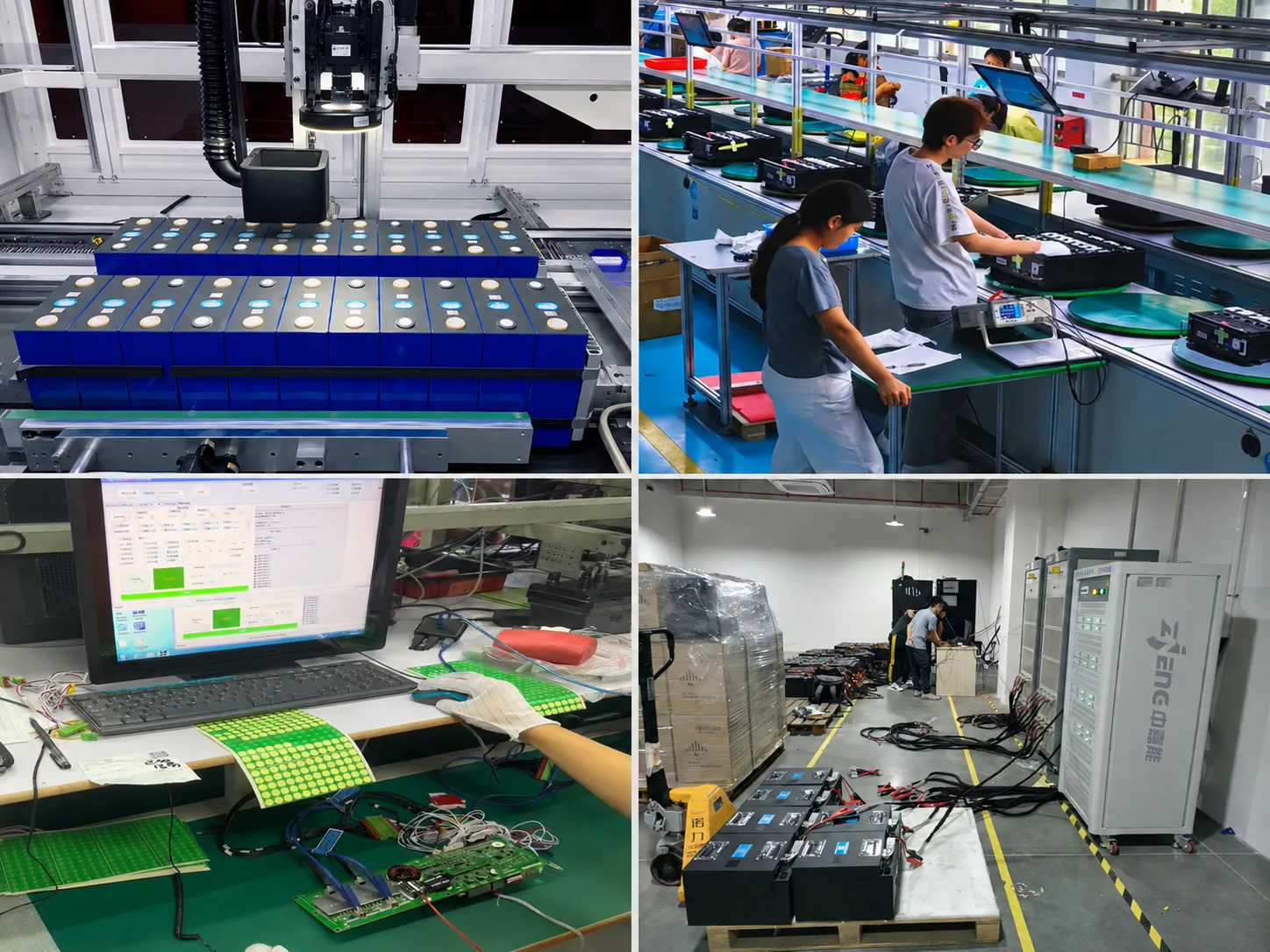
We support RV manufacturers, camper builders, vehicle converters, distributors and system integrators with application-specific LiFePO4 battery development and production.
OEM and ODM options can include:
Use these technical resources to move from RV project planning into charging, communication, compatibility, troubleshooting and battery selection.
Yes, when the battery voltage, charger settings, alternator or DC-DC charging, inverter load, cables, fuses, mounting and temperature requirements are compatible with the approved LiFePO4 battery configuration.
Possible causes include charger settings, a battery-side fuse or disconnect, cable or ground problems, voltage drop, BMS charge protection or a charger profile that is not compatible with the selected LiFePO4 battery.
It depends on the vehicle charging architecture. A DC-DC charger is commonly used to control alternator-to-house-battery charging and should be sized around alternator capacity, cable size and the battery’s approved charge-current limit.
No. CAN is the communication channel. The battery and connected Victron equipment must also support the required protocol, data format, wiring and configuration.
Size the battery from daily energy demand, inverter load, required off-grid time, charging sources, reserve margin, available installation space and the battery’s continuous and peak current requirements.
For qualified OEM and integration projects, enclosure dimensions, terminals, cables, connectors, Smart BMS settings and supported communication interfaces can be developed around the approved system requirements.
Send us the RV or camper type, system voltage, required capacity, continuous and peak current, battery-compartment dimensions, inverter and charger specifications, DC-DC charging information, communication requirements and estimated order quantity.
Our engineering team can review the electrical and installation requirements and recommend a suitable LiFePO4 battery configuration for sample development, retrofit integration or OEM production.
Request an RV Battery Project Review →