Explore LiFePO4 battery projects for RVs, marine systems, golf carts, industrial equipment and home energy storage. These case studies cover lead-acid replacement, battery sizing, Smart BMS configuration, charging compatibility, CAN / RS485 communication, installation fitment and custom OEM battery development.
Each project is reviewed around the original equipment, available installation space, required voltage and capacity, continuous and peak current, charger or inverter requirements, wiring and protection, communication needs and operating environment.
With more than 20 years of battery manufacturing experience, we support equipment manufacturers, battery brands, distributors and system integrators from specification review and prototype testing through OEM production. For engineering fundamentals, visit the LiFePO4 Technical Knowledge Center.
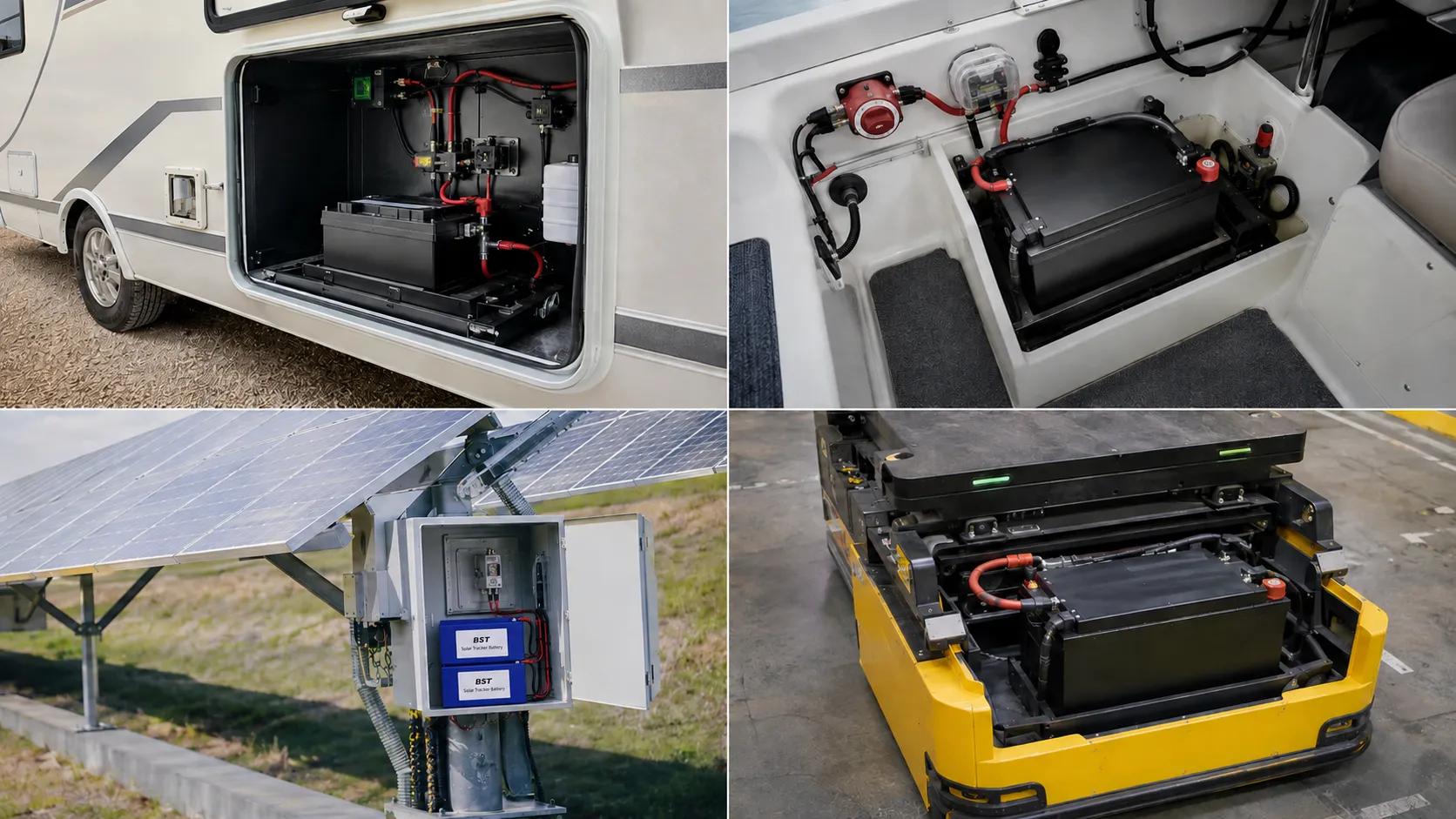
Choose the application closest to your equipment or energy system to review project requirements, integration checks and battery configuration examples.
RV battery projects often begin with a lead-acid house-battery replacement, but reliable integration depends on more than voltage and Ah capacity. Battery dimensions, inverter load, AC charging, solar charging, alternator or DC-DC charging, cable size, fuse protection and low-temperature requirements should be reviewed together.
Available configurations can include Smart BMS protection, Bluetooth monitoring, low-temperature charging protection, self-heating and CAN / RS485 communication where the connected RV electrical system requires it.
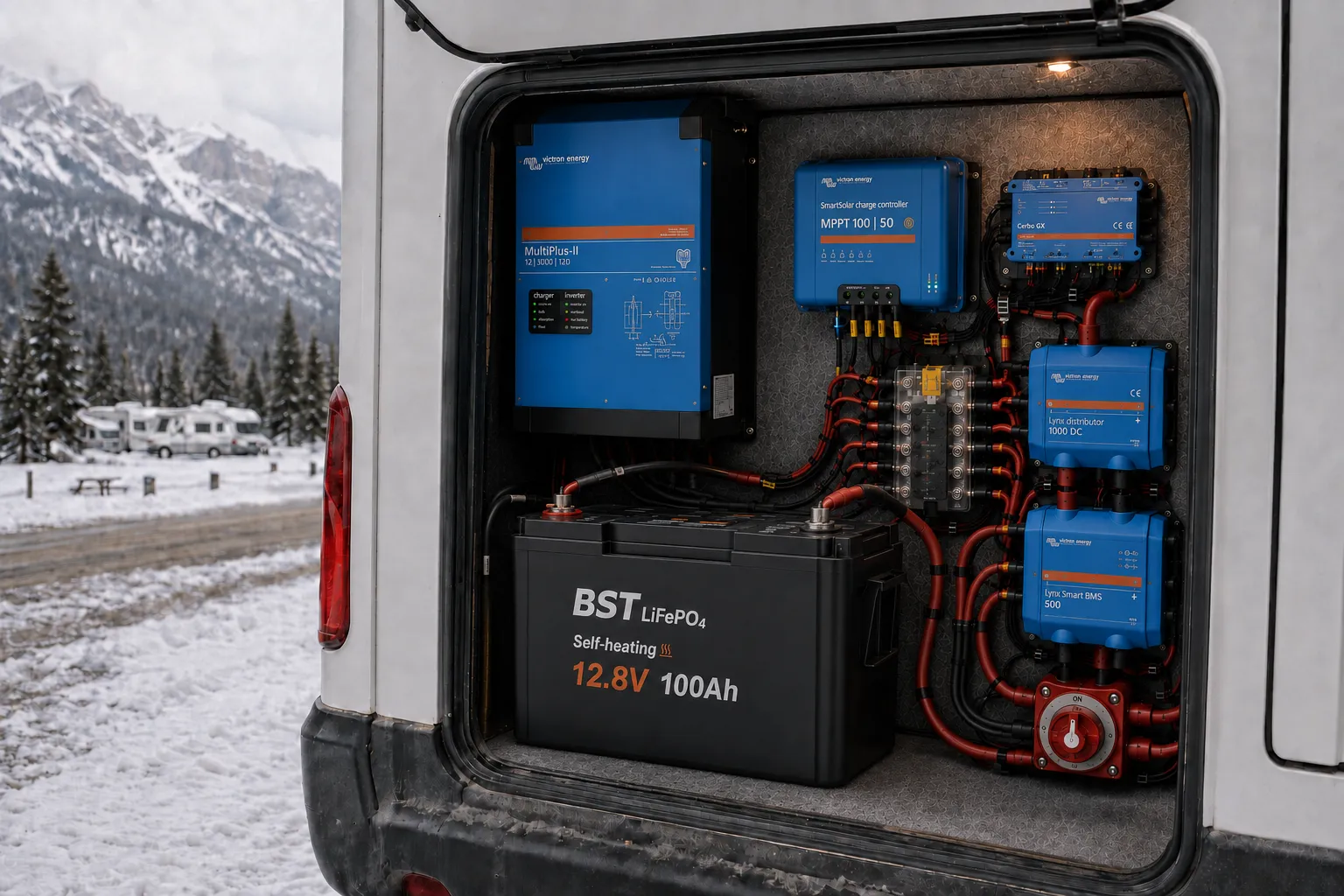
Related application page: RV LiFePO4 Battery Solutions →
Marine projects may include house-power batteries, trolling motor systems, engine-starting batteries or lead-acid replacement. The battery configuration should be reviewed against onboard loads, alternator charging, shore charging, solar input, inverter demand, installation space, mounting, cable routing and circuit protection.
Starting applications require verified cranking-current capability, while deep-cycle systems are sized around usable energy, continuous load and charging capacity.
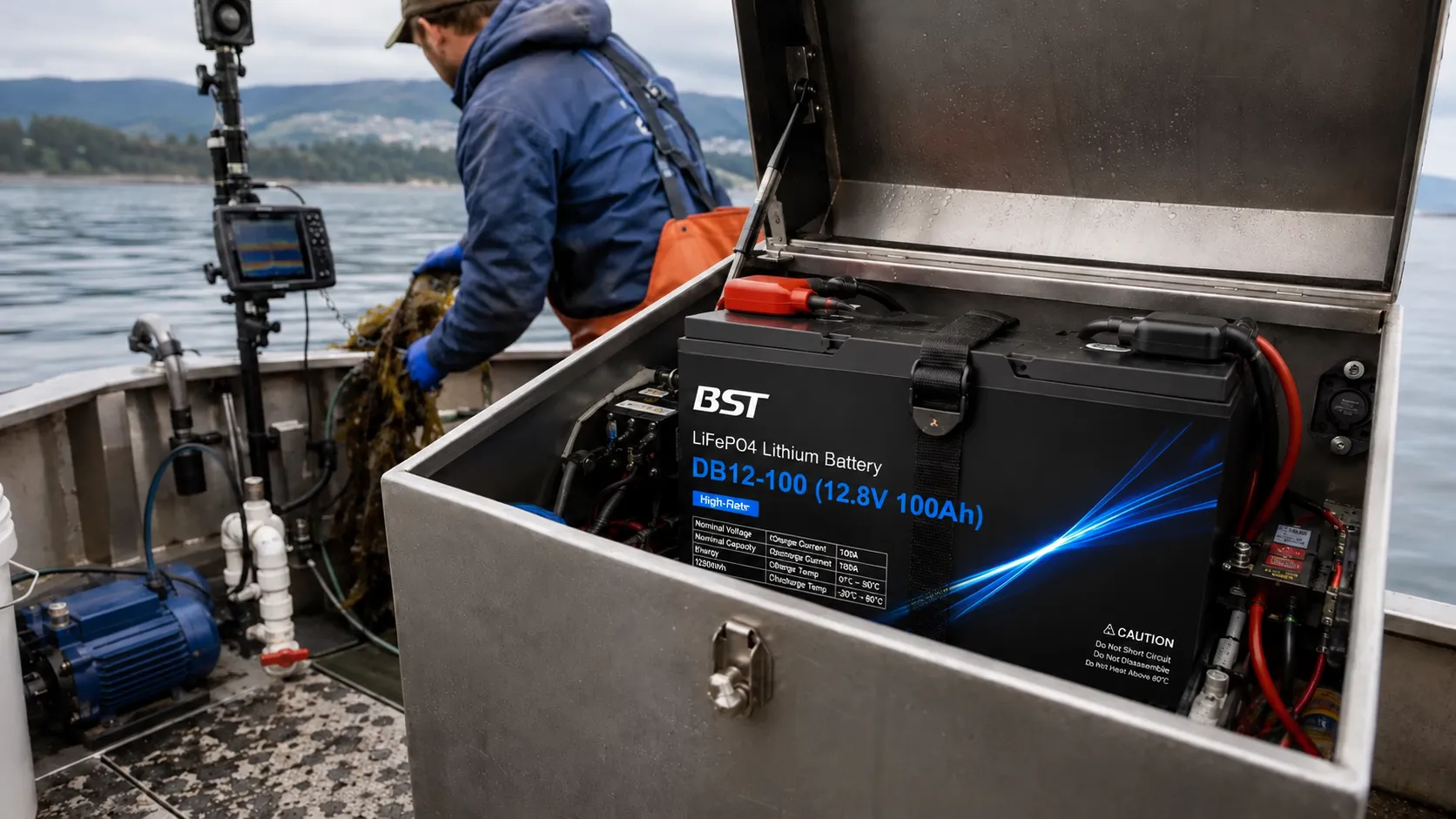
Related application page: Marine LiFePO4 Battery Solutions →
Golf cart lithium conversions require the battery to work with the vehicle voltage, motor, controller, charger, regenerative braking behavior and available battery compartment. A battery with sufficient Ah capacity can still shut down if the BMS current limit is below the controller’s peak demand.
Project reviews can include 36V and 48V LiFePO4 configurations, continuous and peak current, charger compatibility, custom enclosures, mounting brackets, connectors, power cables, battery monitoring and communication where required.
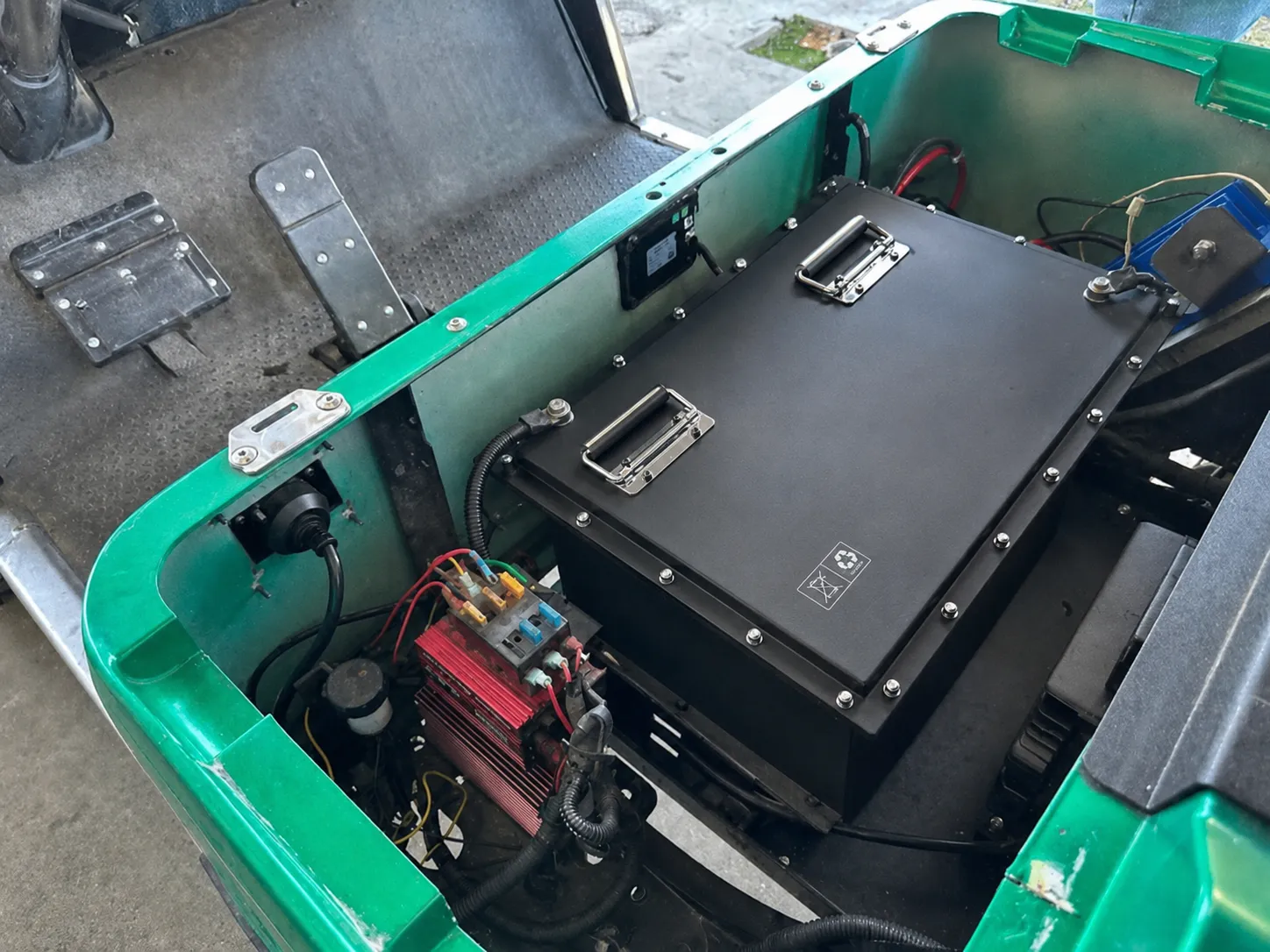
Related application page: Golf Cart Lithium Battery Solutions →
Industrial battery projects are developed around the equipment rather than a generic battery size. Voltage, capacity, continuous and peak current, enclosure dimensions, mounting points, terminals, connectors, wiring harnesses, charger requirements and operating conditions can all affect the final battery specification.
Smart BMS settings, Bluetooth monitoring, CAN / RS485 communication and custom equipment connectors can be configured for qualified OEM applications.
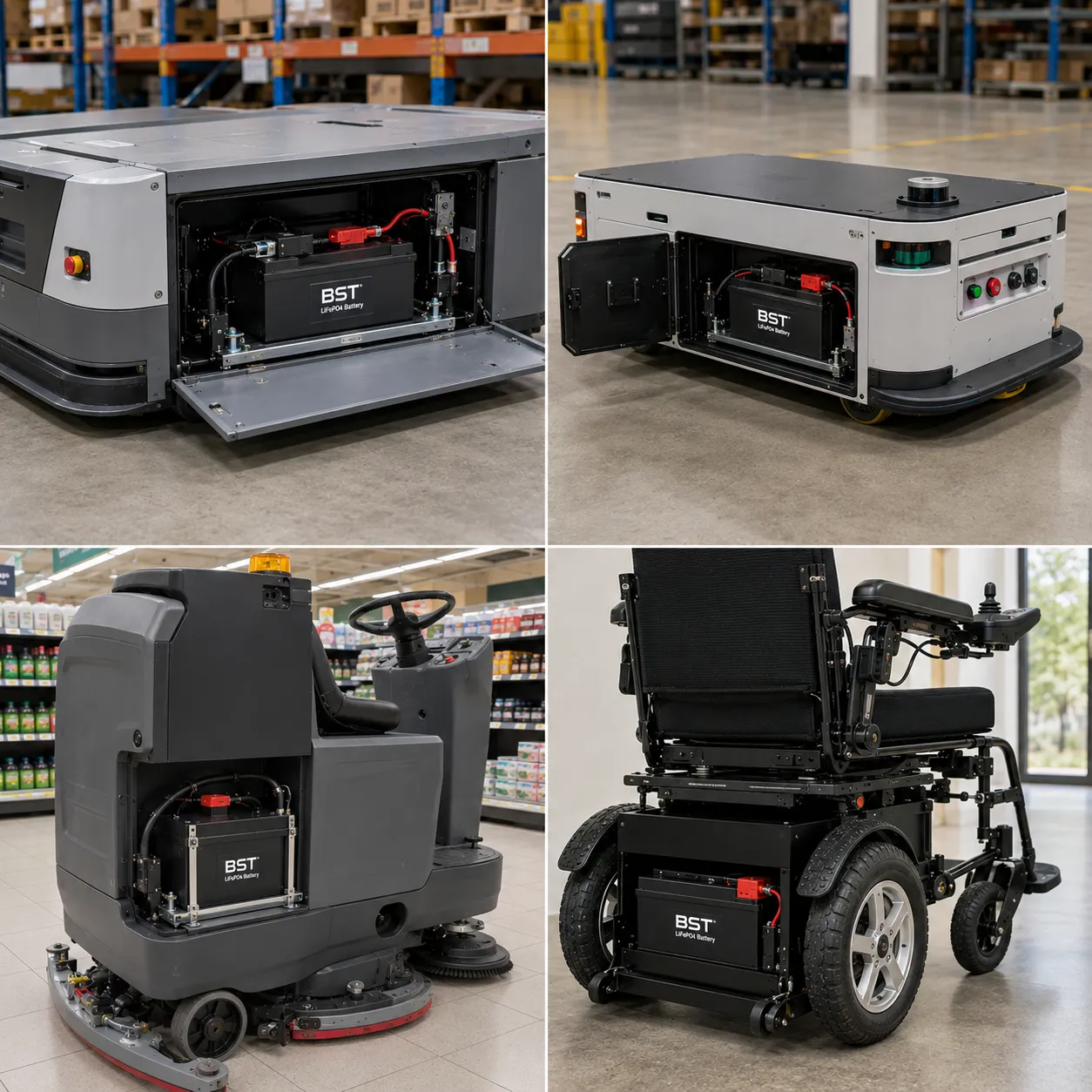
Related application page: Industrial LiFePO4 Battery Solutions →
Home energy storage projects combine the LiFePO4 battery with a hybrid or off-grid inverter, solar generation, electrical protection and energy-management equipment. Battery capacity and inverter power should be selected from household energy use, peak load, available solar generation, installation space and the required backup time.
For closed-loop systems, CAN / RS485 compatibility depends on the BMS protocol, inverter-supported protocol, communication pinout, firmware and system configuration—not only the presence of the same connector.
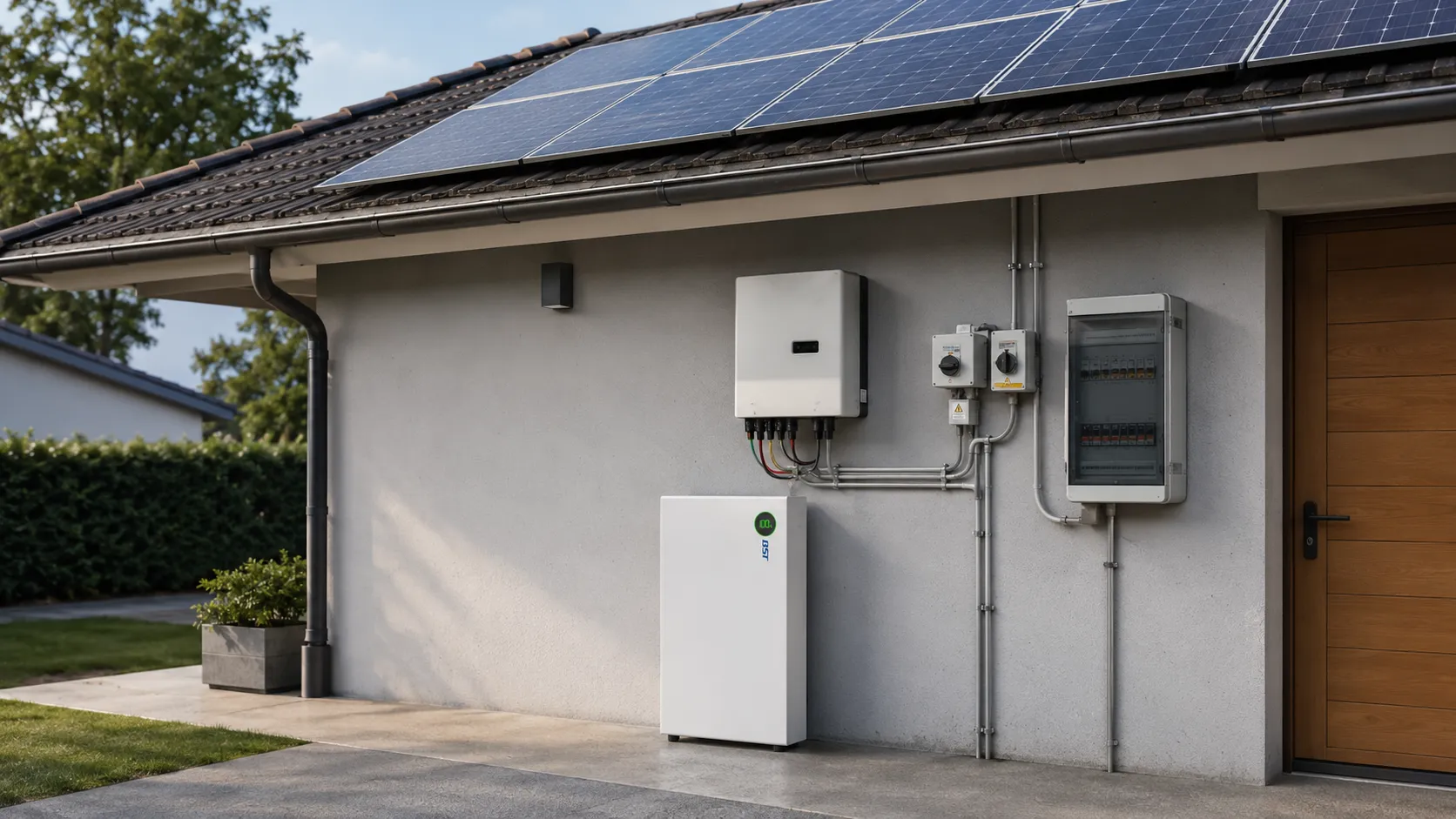
Related application page: Residential Energy Storage Solutions →
Battery voltage, capacity, startup current, runtime, charging method, enclosure and wiring were reviewed for poultry-farm monitoring and automation equipment.
View Agricultural Equipment Battery Project →A custom battery system was configured around controller consumption, motor startup current, solar charging, outdoor installation and required backup time.
View Solar Tracker Battery Systems →A successful battery project requires electrical, mechanical, charging and communication compatibility across the complete system. Matching only nominal voltage and Ah capacity is not enough.
Planning a lead-acid conversion? Read the LiFePO4 Lead-Acid Replacement Guide →
Integrating a charger, inverter, controller or BMS communication? Check Lithium Battery System Compatibility →
Learn more about LiFePO4 Battery Manufacturing & Testing and OEM & ODM Battery Development.
Use these technical resources before or alongside a battery project to understand system sizing, charging, BMS limits, communication and troubleshooting.
Not in every system. Battery dimensions, charger settings, current requirements, cables, fuses, controller or inverter compatibility and installation conditions should be checked before replacement.
Provide the application, original battery model where applicable, required voltage and capacity, continuous and peak current, installation dimensions, charging equipment, inverter or controller model, communication requirements and estimated order quantity.
Yes. Qualified OEM projects can include custom voltage and capacity, battery dimensions, enclosures, mounting points, terminals, connectors, wiring harnesses, Smart BMS settings, Bluetooth, CAN / RS485 and private labeling.
No. Communication compatibility can also depend on the protocol, pinout, baud rate, address, termination, firmware and master / slave configuration. See the Lithium Battery System Compatibility Guide.
Yes. Project support can include specification review, sample development, BMS configuration, charge-discharge testing, communication verification and final production approval according to the agreed project requirements.
Send us your application, required voltage and capacity, continuous and peak current, installation dimensions, charger, inverter or controller model, communication requirements and estimated order quantity.
Our engineering team will review the information and recommend a suitable LiFePO4 battery configuration for sample development or volume production.