48V and 51.2V LiFePO4 battery systems for residential solar storage, home backup power and off-grid installations.
With more than 20 years of battery manufacturing experience, we support solar equipment suppliers, installers, distributors and system integrators with battery sizing, inverter communication, sample testing and OEM production.
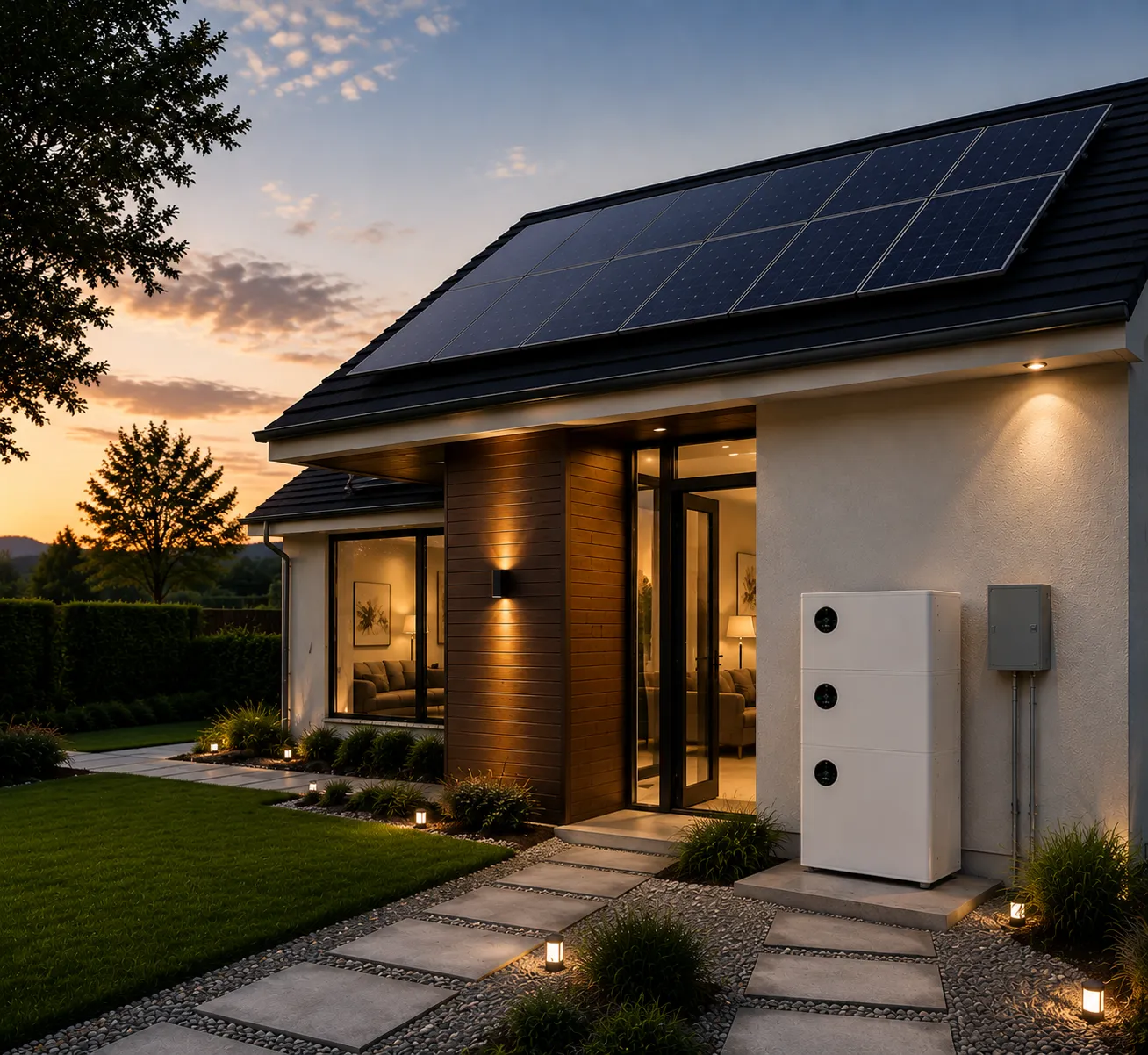
A residential solar battery stores excess rooftop solar energy for use after sunset, during periods of higher electricity demand or when the grid is unavailable.
The required storage capacity depends on daily energy consumption, essential loads, inverter power, available solar charging and the desired backup time.
Common applications include:
Residential energy storage systems commonly use 48V or 51.2V LiFePO4 batteries. The battery voltage, storage capacity and communication protocol must match the inverter and overall system design.
Available configurations include:
The installation type is selected according to the available space, required capacity, cable layout and access for inspection and service.
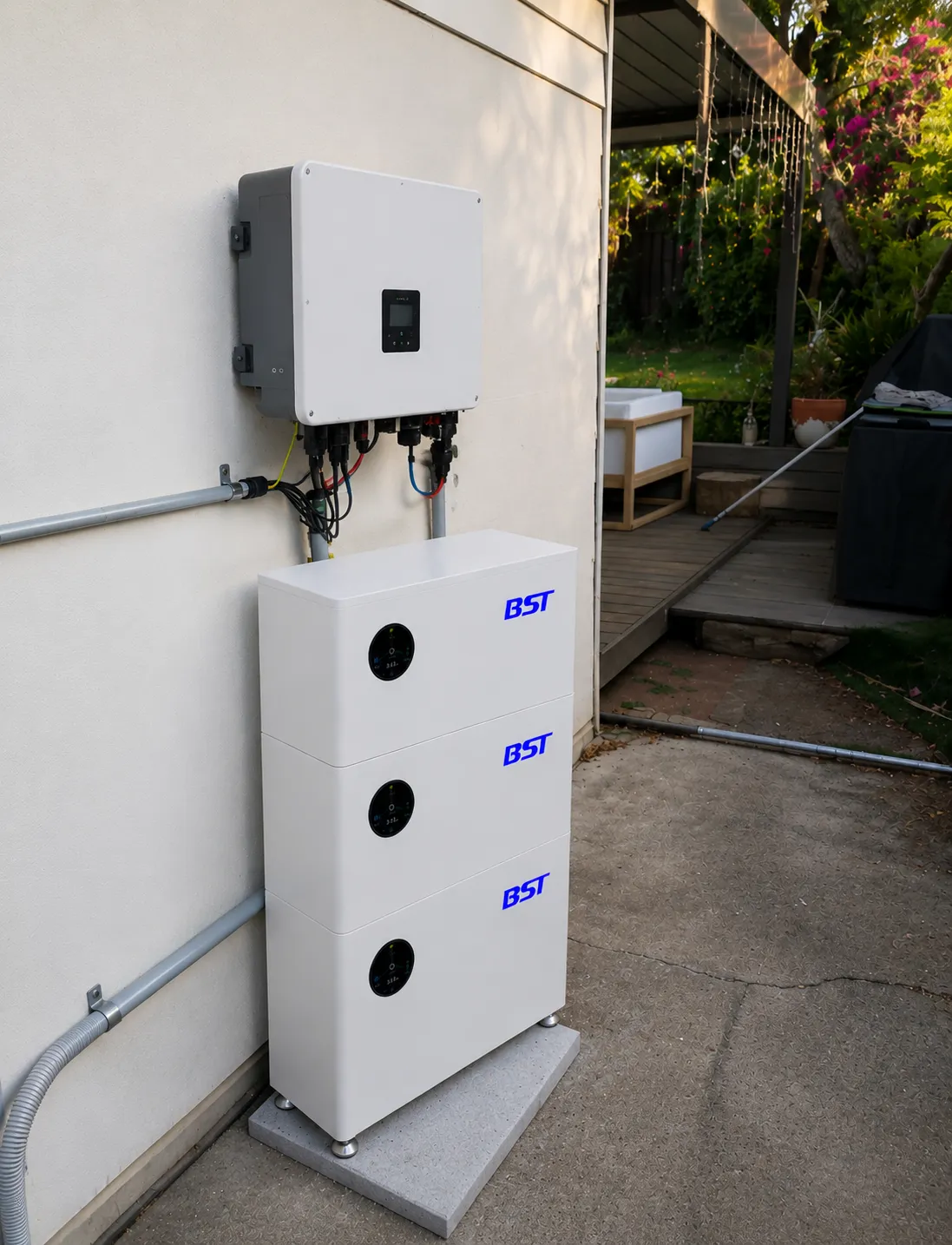
Compatible battery systems support CAN or RS485 communication with solar inverters and energy management equipment. Communication allows the inverter to receive battery data and apply suitable charging and discharging limits.
System integration support can include:
The inverter model, firmware version and communication protocol should be confirmed before sample development or production. Compatibility cannot be determined from battery voltage alone.
View LiFePO4 Battery Technical Support →
During the day, the battery stores available energy from the rooftop solar system. Stored energy can supply household loads after sunset, reduce grid electricity use or provide backup power during an outage.
For backup applications, the inverter and battery can be configured to support selected essential loads such as lighting, refrigeration, communication equipment and household electronics.
Estimated backup time can be calculated using:
Backup Time (Hours) = Usable Battery Energy (Wh) ÷ Connected Load (W)
Inverter losses, battery reserve settings, temperature and future changes in household load should also be considered when selecting battery capacity.
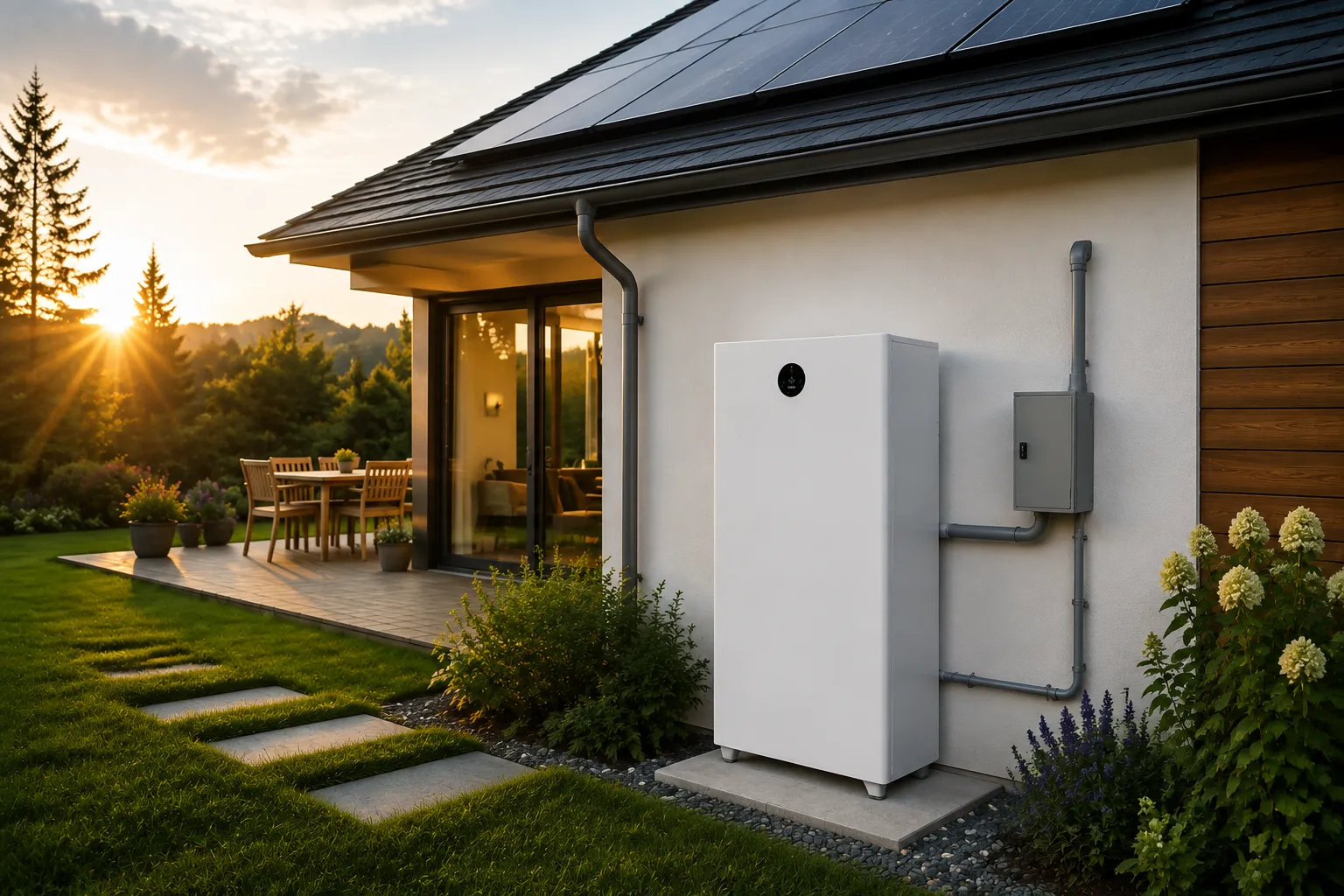
LiFePO4 batteries can also be integrated into independent power systems for remote homes and properties without a stable grid connection.
A typical off-grid home energy system may include:
Battery capacity should account for daily energy use, expected weather conditions, available solar charging and the required number of backup days. A generator or another backup charging source may be required for some off-grid installations.
We manufacture residential LiFePO4 battery systems for solar equipment suppliers, distributors, installers and private-label energy storage brands.
Battery specifications can be developed around the electrical, mechanical, communication and branding requirements of each project.
OEM and ODM services can include:
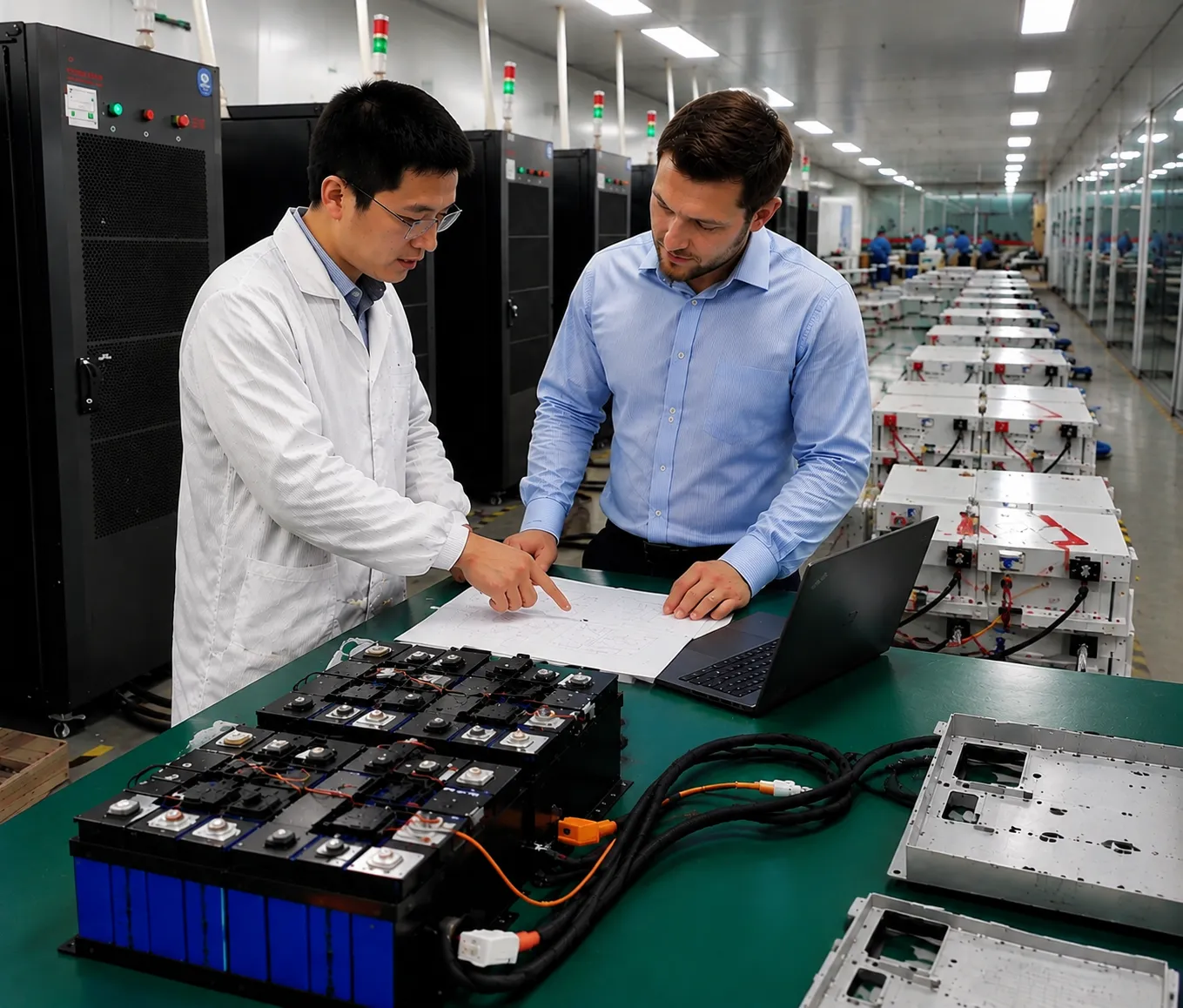
Electrical specifications, enclosure design and inverter compatibility are confirmed before sample assembly. Approved samples are tested before the final production specification is released.
View OEM & ODM Battery Services →
Battery packs are inspected during assembly and tested against the approved project specification before shipment.
Production and quality checks can include:
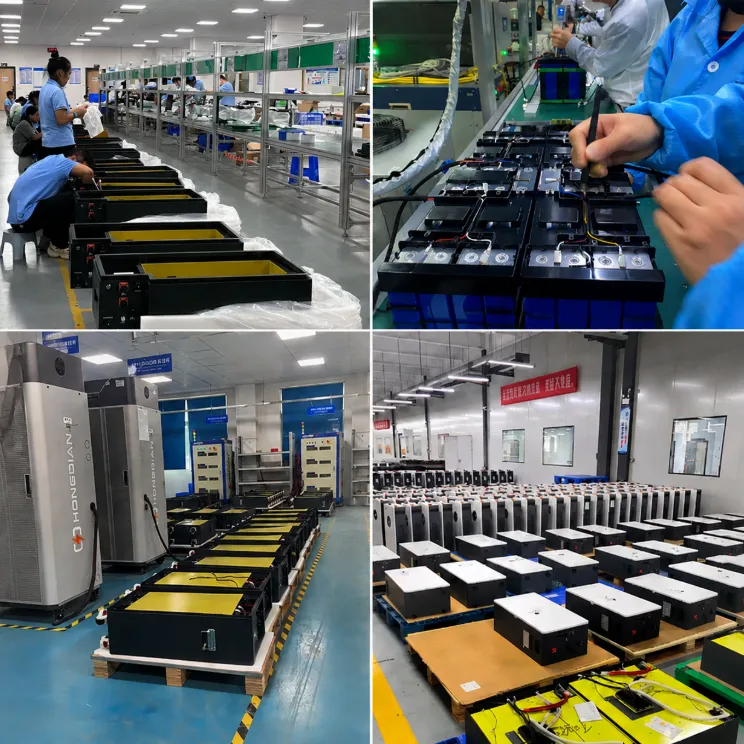
View LiFePO4 Battery Manufacturing →
Residential energy storage systems commonly use 48V or 51.2V LiFePO4 batteries. The correct voltage must match the inverter and overall system design.
Compatible battery configurations support CAN or RS485 communication. Compatibility depends on the inverter model, firmware version and BMS protocol.
Compatible systems support parallel expansion. The maximum number of batteries, cable configuration and communication arrangement should be confirmed before installation.
Required capacity depends on the essential loads, backup time, inverter efficiency and battery reserve. Calculate the connected load in watts and multiply it by the required operating time in hours.
Yes. OEM options include custom capacity, enclosure configuration, Smart BMS settings, communication protocols, product labels and packaging.
Please provide the system voltage, required capacity, inverter model, communication protocol, installation type, backup-time requirement, destination country and estimated order quantity.
Send us the required voltage, storage capacity, inverter model, communication protocol, installation type, backup time and estimated order quantity.
Our engineering team will review the requirements and recommend a suitable residential LiFePO4 battery configuration for sample development or volume production.