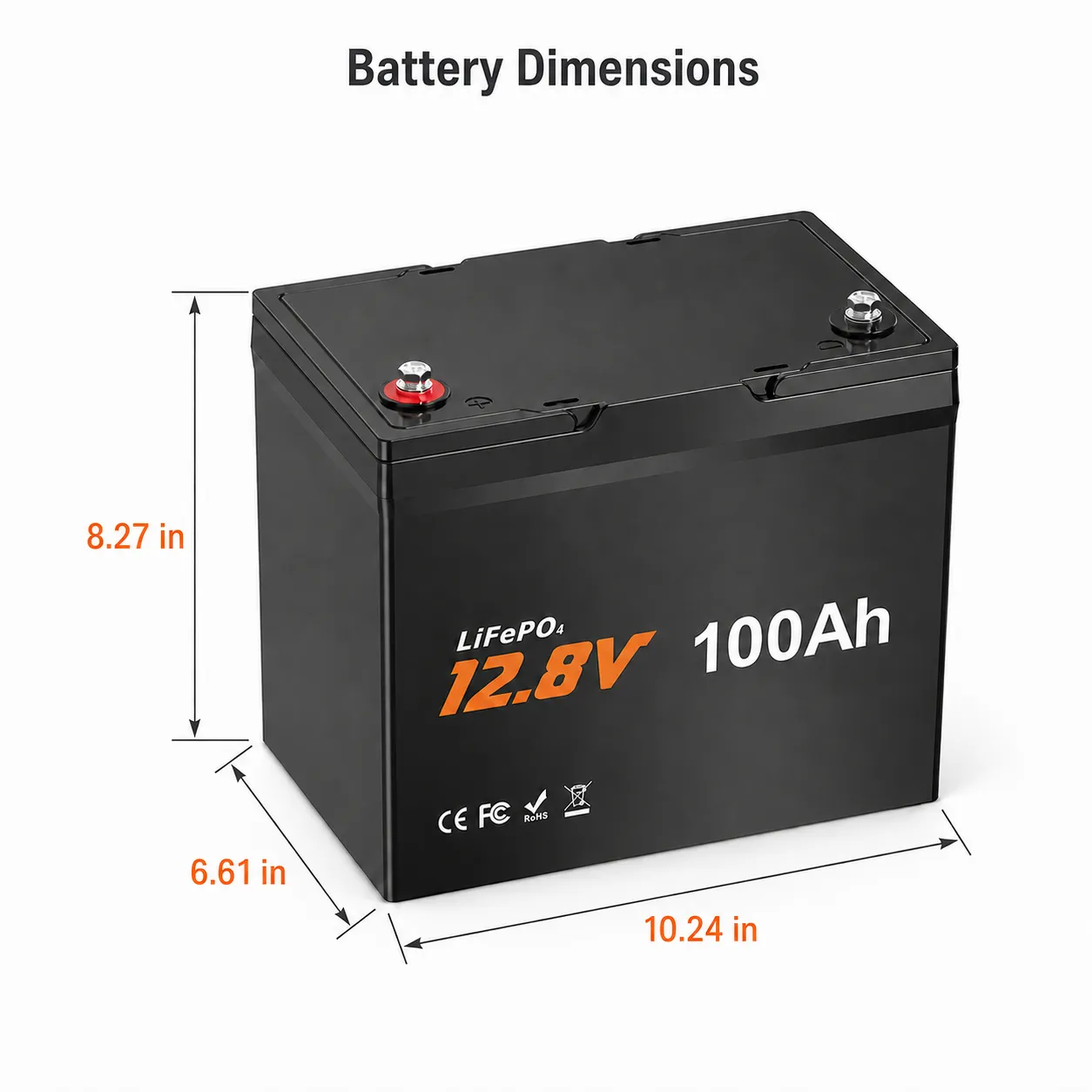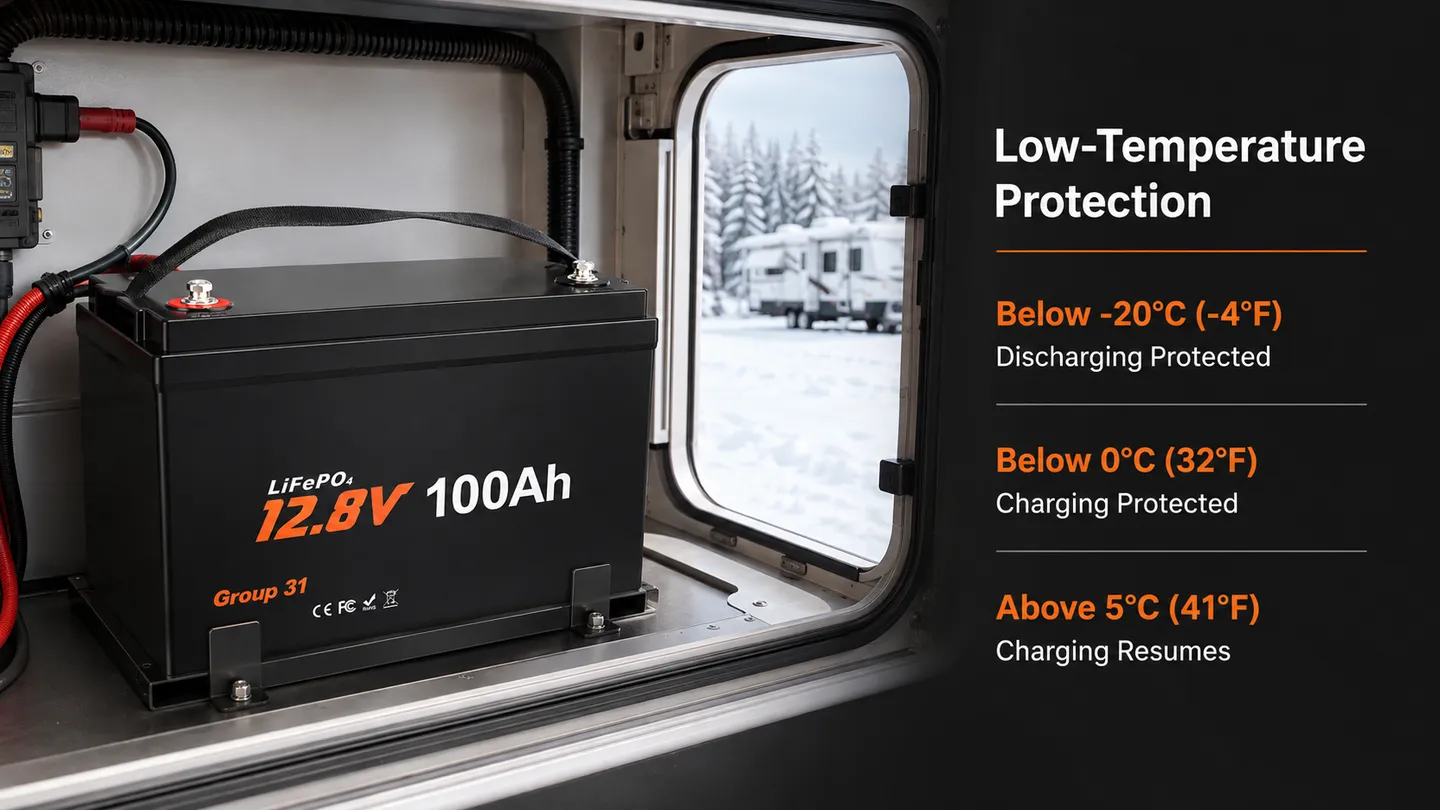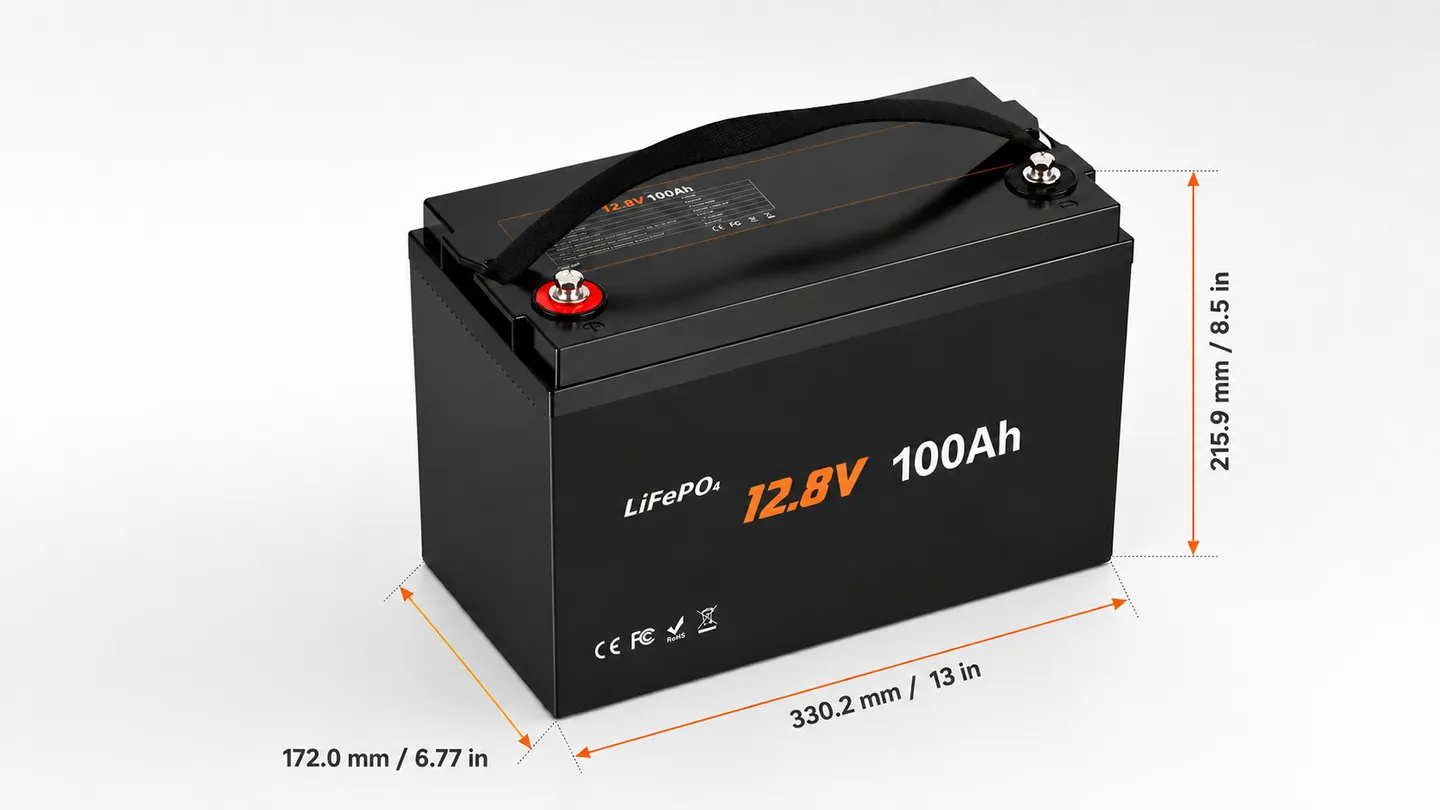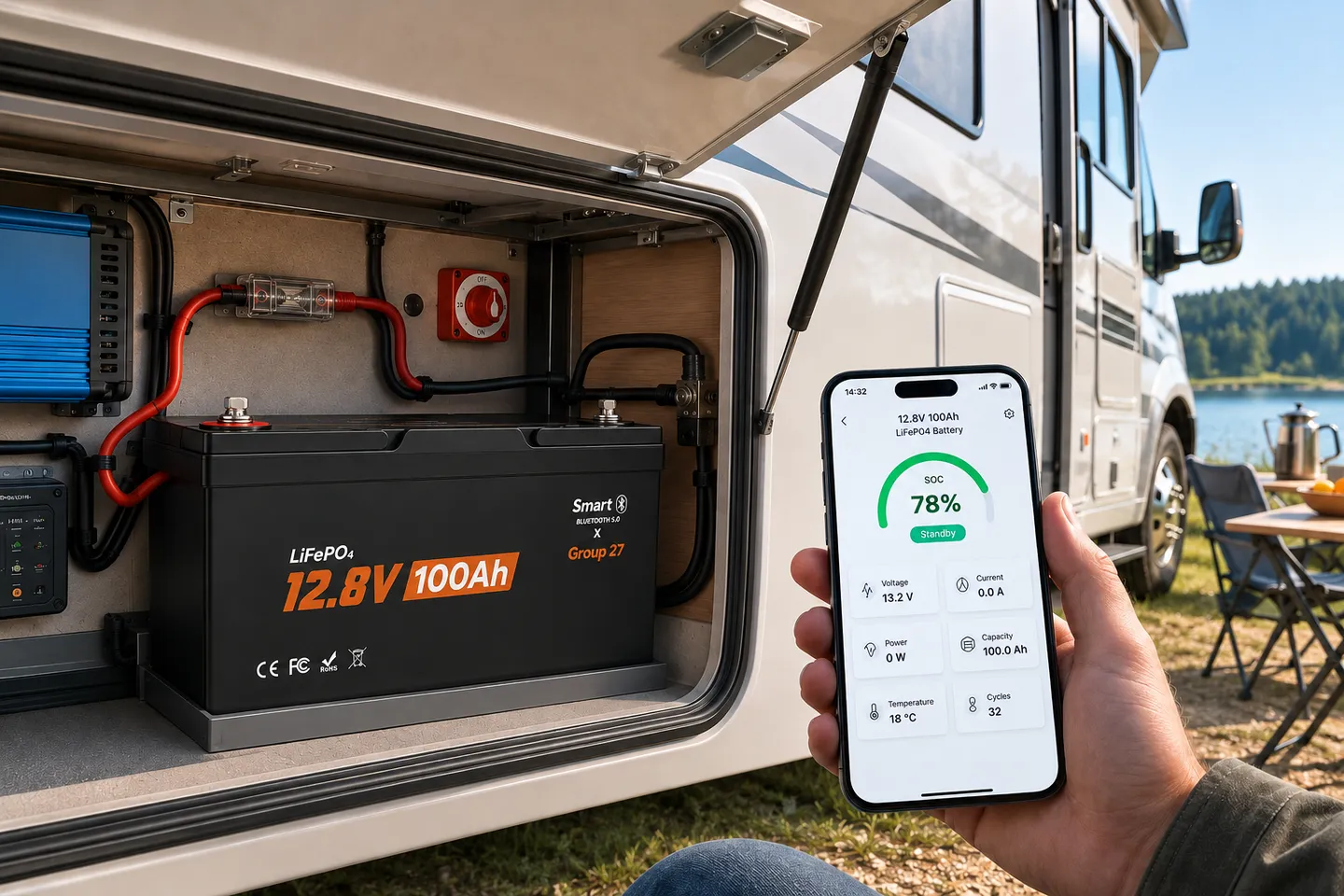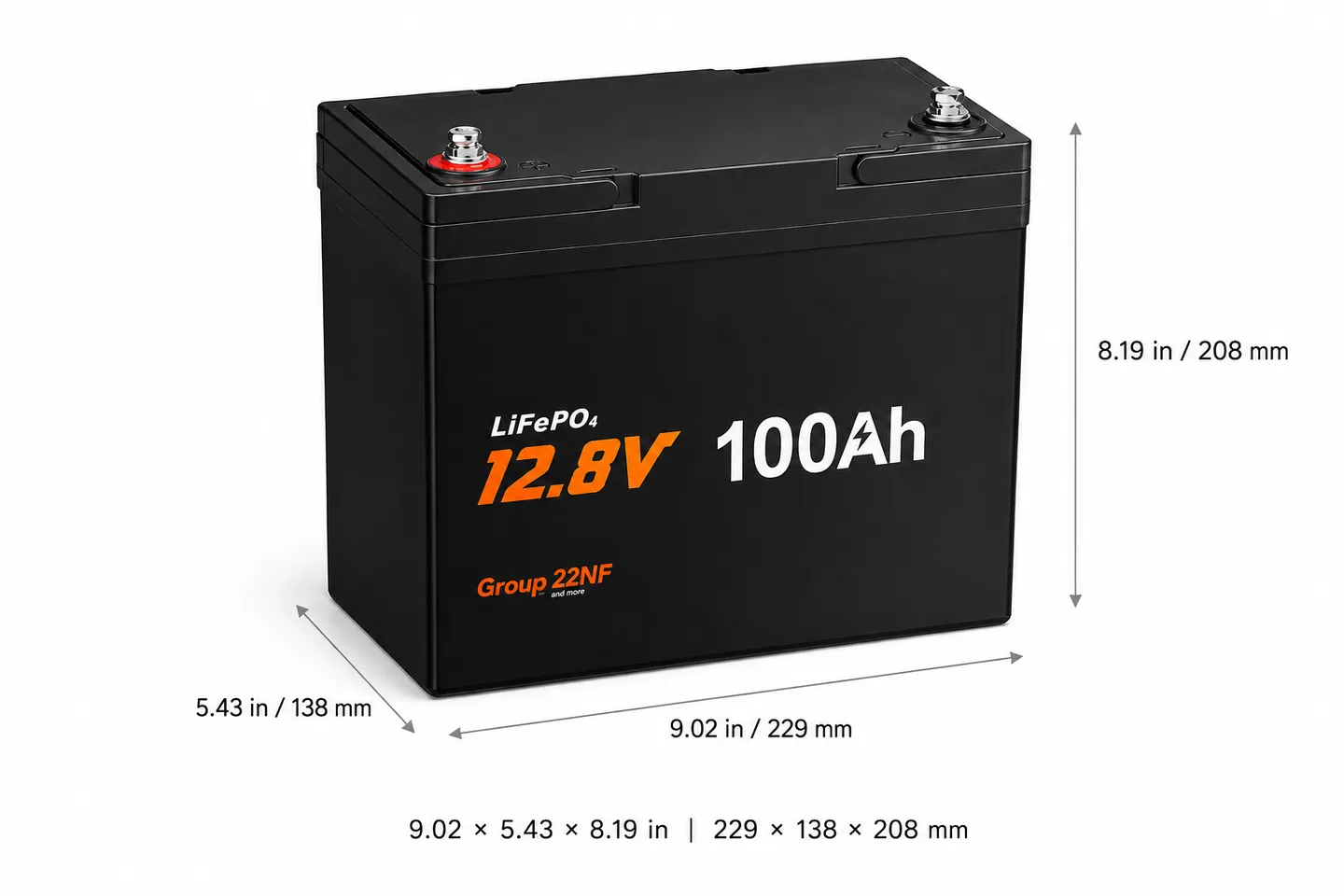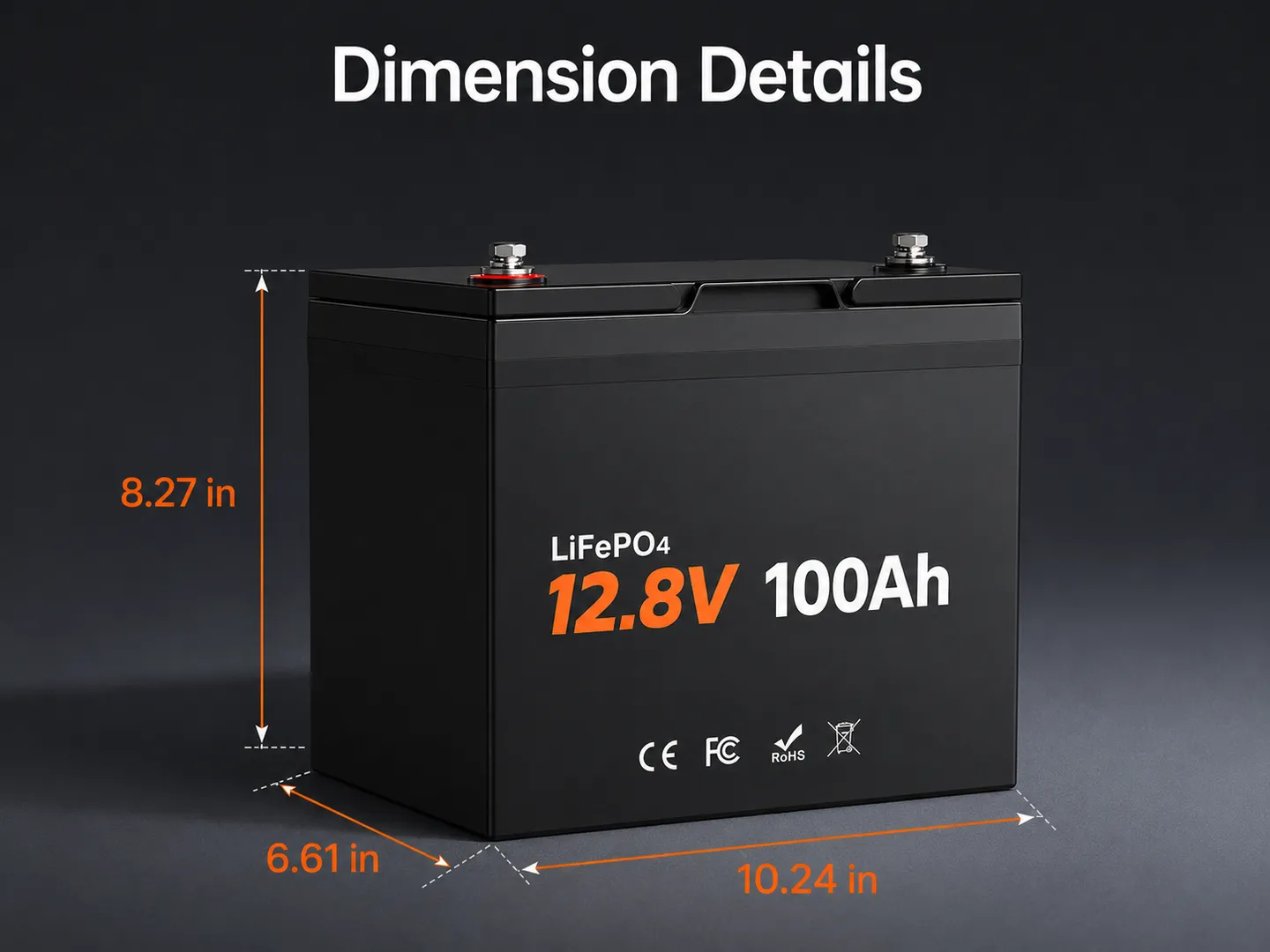
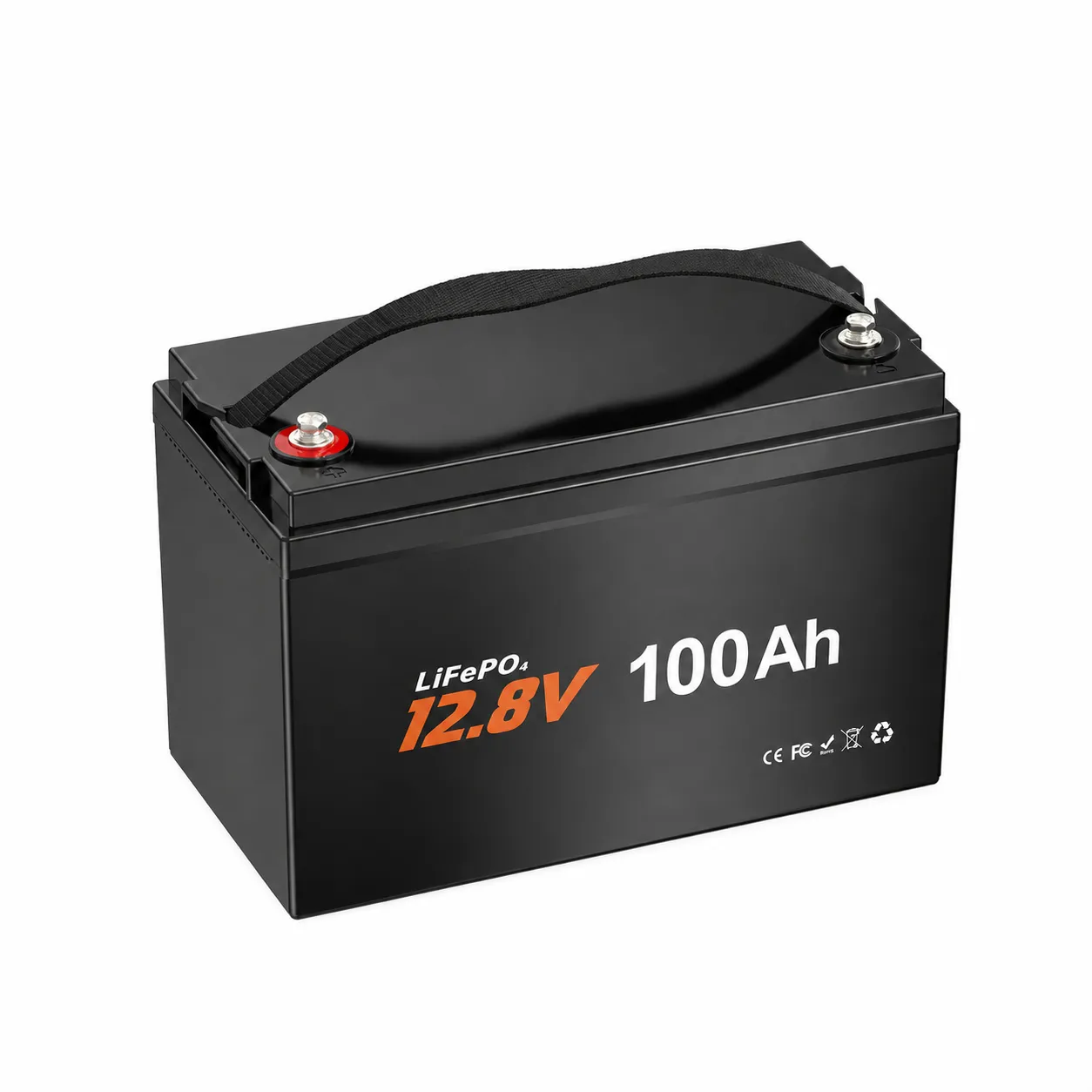
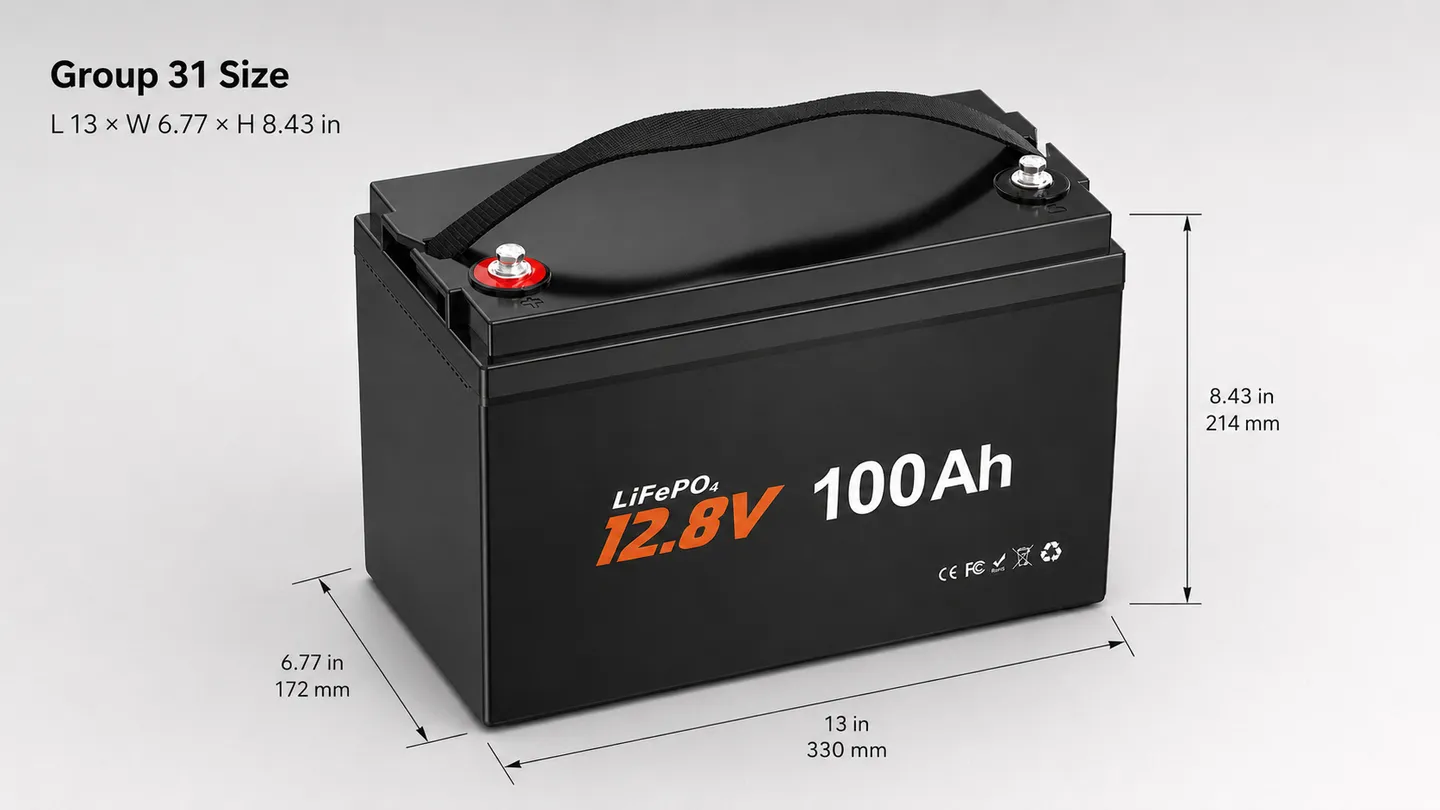
12V 100Ah Group 31 LiFePO4 Battery for Trolling Motors
$169.00
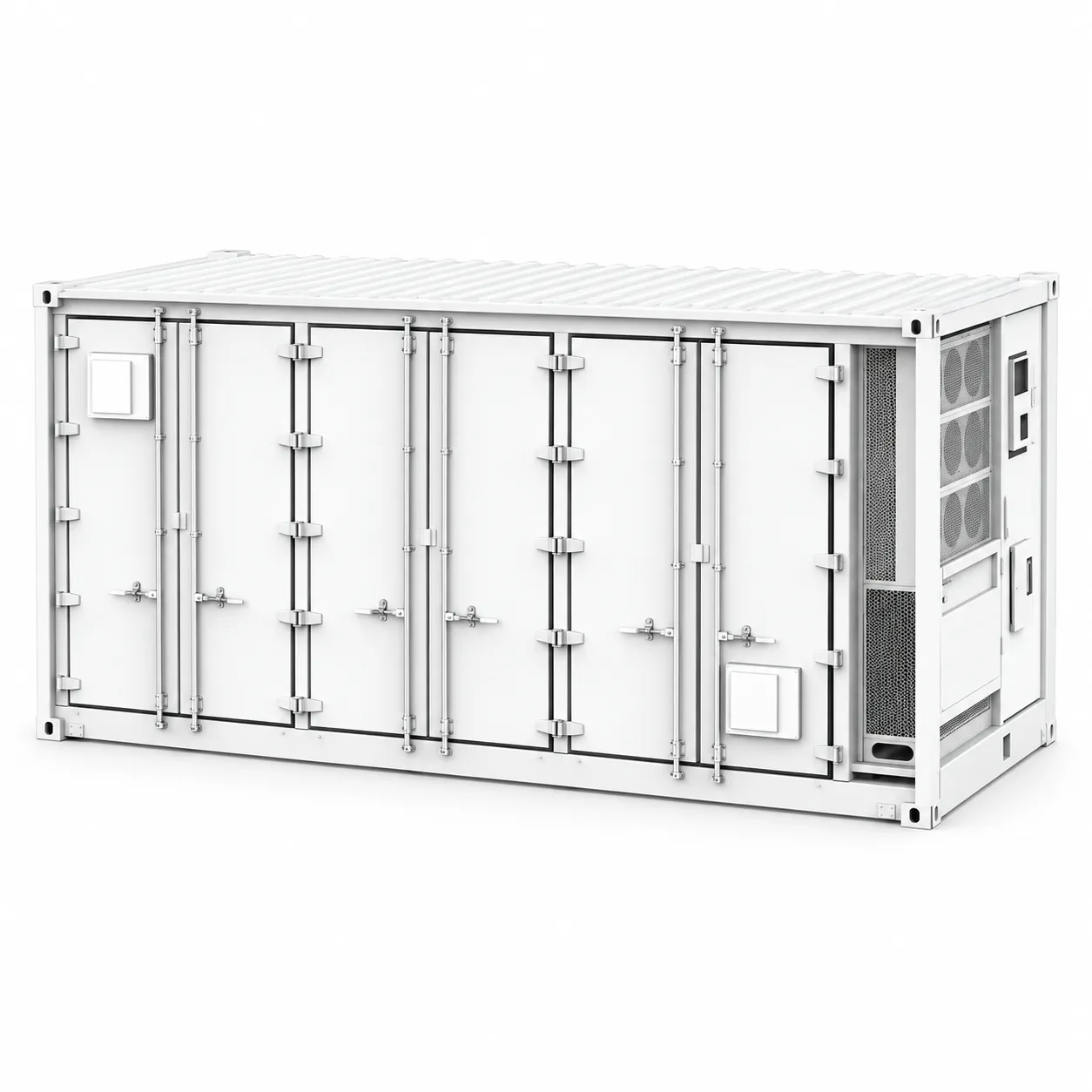
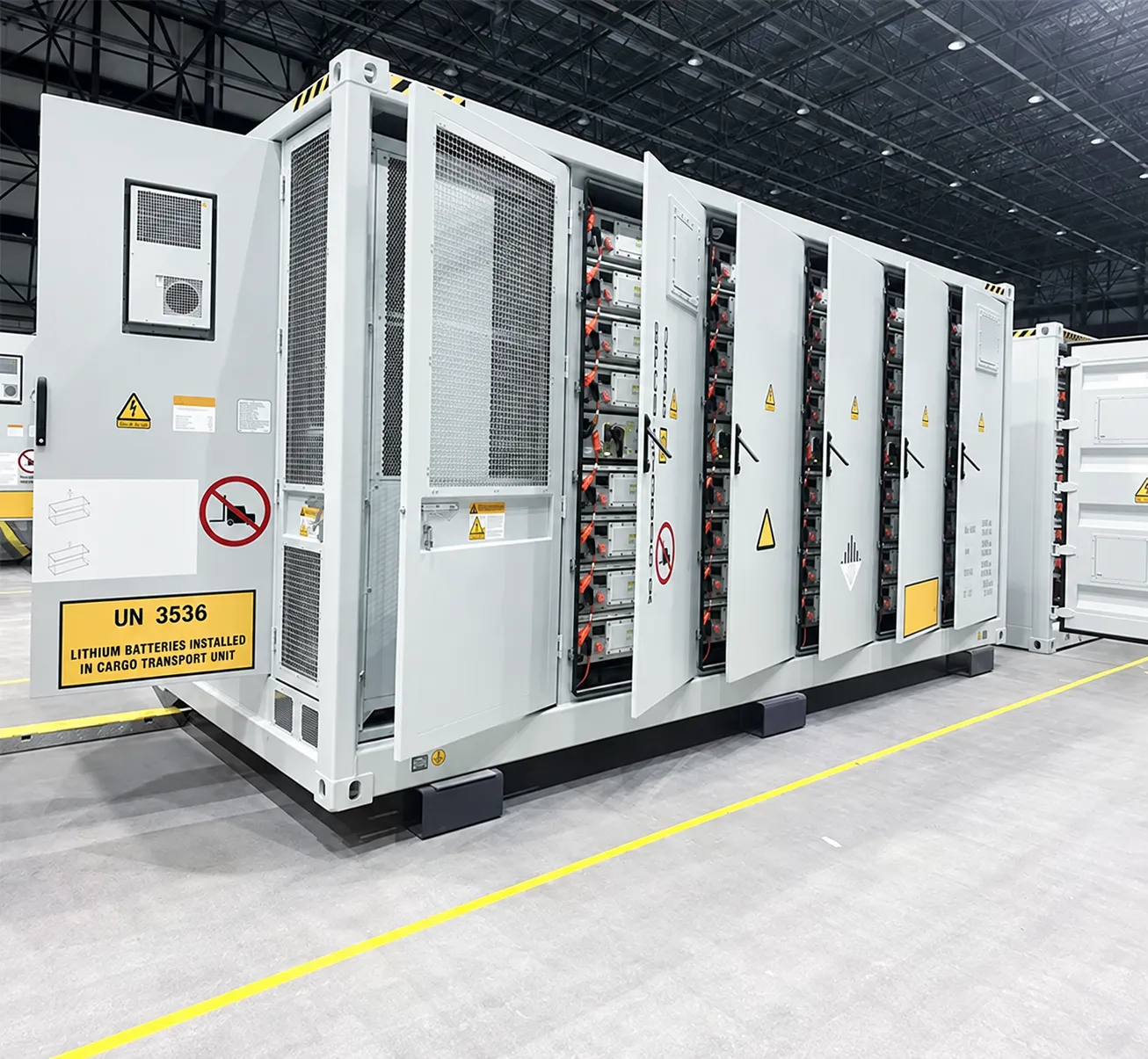
Utility-Scale & Commercial Containerized Battery Energy Storage
This 1MWh–5MWh liquid-cooled containerized battery energy storage system is designed for utility-scale storage, renewable-energy integration, industrial parks, commercial facilities, peak shaving, valley filling and grid-side frequency regulation.
The 5MWh configuration uses 314Ah LiFePO4 cells, a 1P416S system architecture and 12 battery clusters, providing 5015.9kWh rated energy at 1331.2V nominal voltage.
The containerized BESS integrates the battery system, BMS, firefighting system, temperature-control system and power-distribution control system into one transportable energy-storage platform.
It is intended primarily for utility-level energy storage and can be used for photovoltaic and wind-energy integration, peak shaving and valley filling, and source-side or grid-side frequency regulation.
The broader product platform supports 1MWh to 5MWh capacity customization for different industrial, commercial and utility-scale energy-storage requirements.
The following detailed values apply to the 5MWh configuration.
| System Model / Configuration | 5MWh Container / 1P416S |
| Rated Energy | 5015.9kWh |
| Nominal Voltage | 1331.2V |
| System Voltage Range | 1040–1500V |
| Number of Battery Clusters | 12 |
| Rated Charge / Discharge Rate | 0.6C / 0.6C (1C TBD) |
| Depth of Discharge | 90% DoD |
| Service Life | >10,000 cycles @ 80% DoD |
| Thermal Management | Liquid cooling technology |
| Thermal Runaway Management | Aerosol extinguishing or PFH + water immersion |
| System IP Rating | IP55 |
| Operating Temperature | -20°C to +55°C |
| Operating Humidity | 0–95% RH |
| Operation Altitude | 3000m (>3000m derating) |
| Noise Level @ 1m | <75dB(A) |
| Communication | CAN / RS485 / Wi-Fi |
| Weight | Approx. 43t |
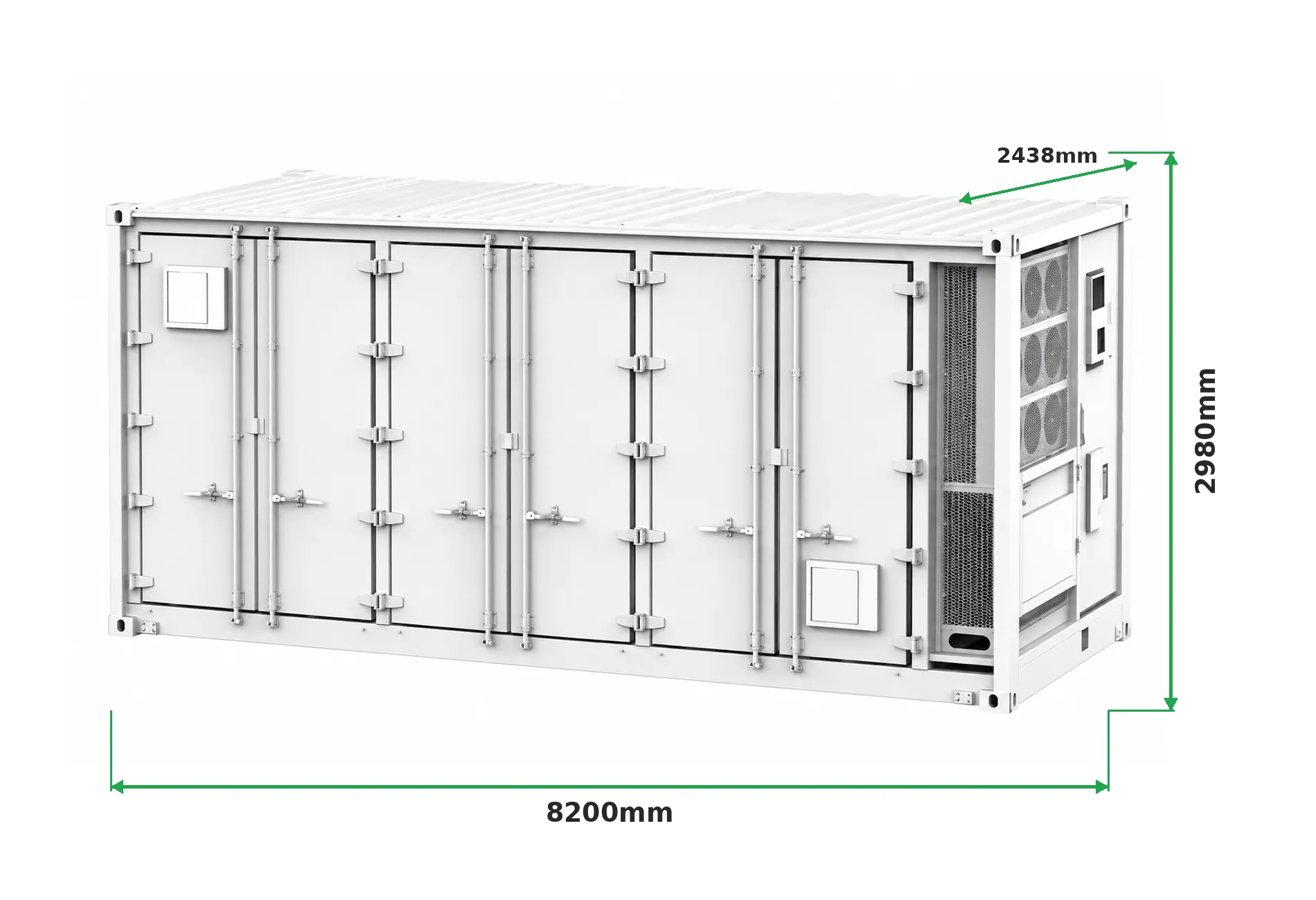
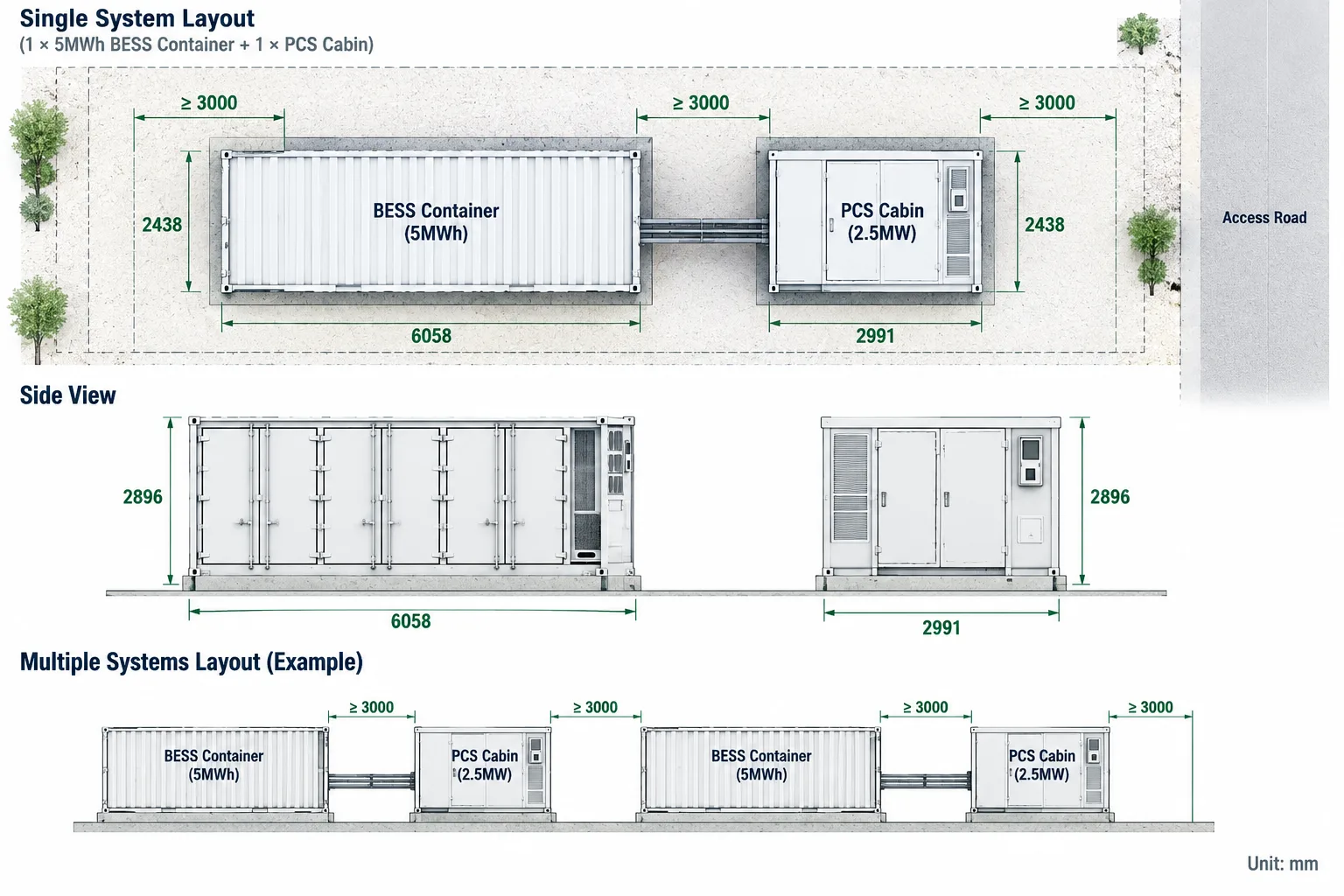
| Container / Dimensions | 20HQ / 6058L × 2438W × 2896H mm |
| Cell Capacity | 314Ah |
| Module Configuration | 1P104S |
| Module Voltage | 332.8V |
| Module Voltage Range | 260–379.6V |
| Module Energy | 104.499kWh |
| Rated C-Rate | 0.5C |
| Maximum C-Rate | 1C |
| Cooling / Heating | Liquid cooling |
| Module IP Rating | IP67 |
| Max. Continuous Charge / Discharge Current | 192A |
| Max. Pulse Charge / Discharge Current | 314A for 60s |
| Module Dimensions | 2150.5D × 779W × 259H mm |
| Module Mass | Approx. 690kg |
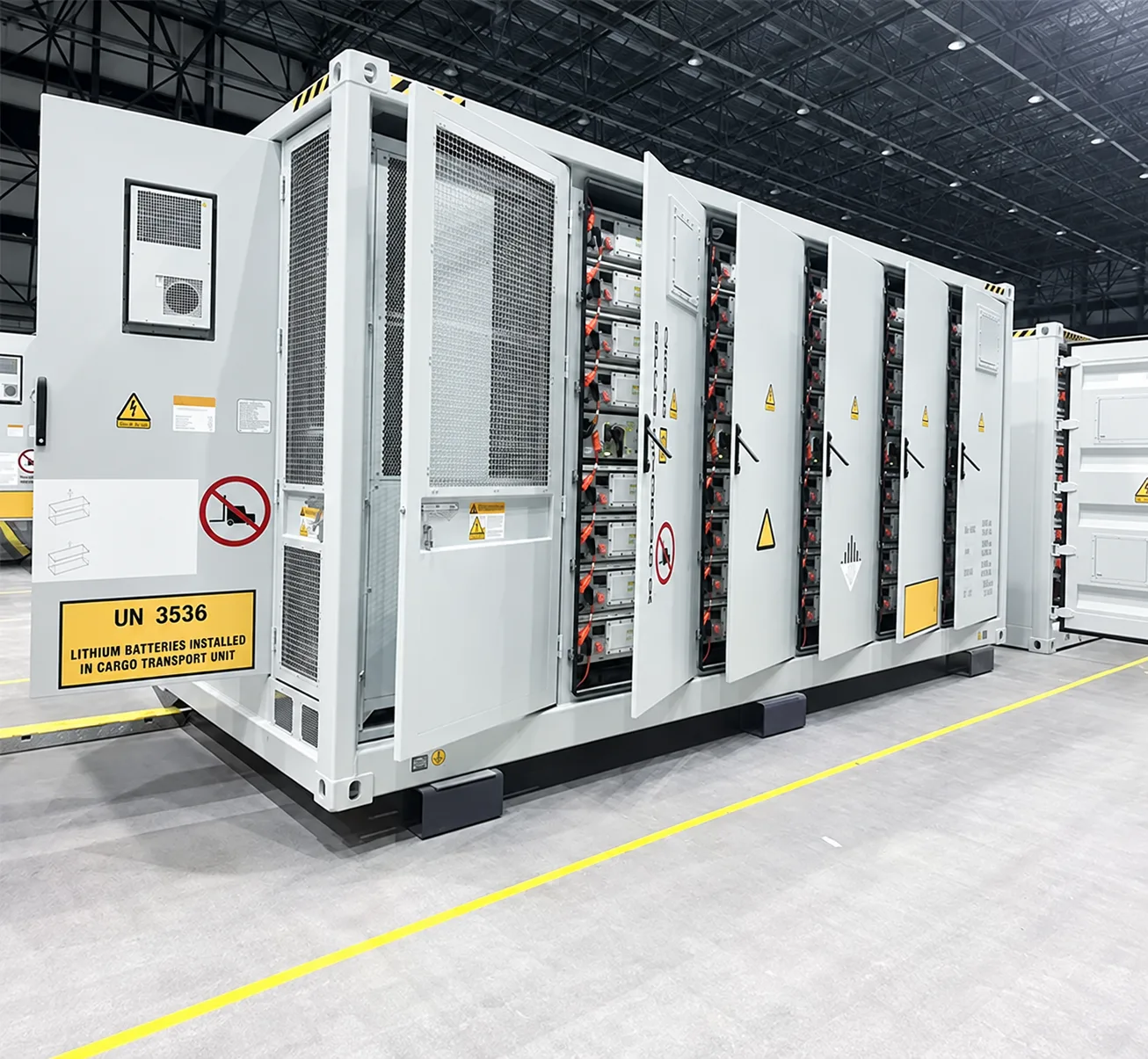
The container integrates modular battery assemblies, liquid-cooling equipment, BMS, electrical protection and supporting control systems for centralized operation and maintenance.
Typical deployment scenarios include PV power stations, wind farms, industrial parks, grid-side storage and peak-shaving projects.
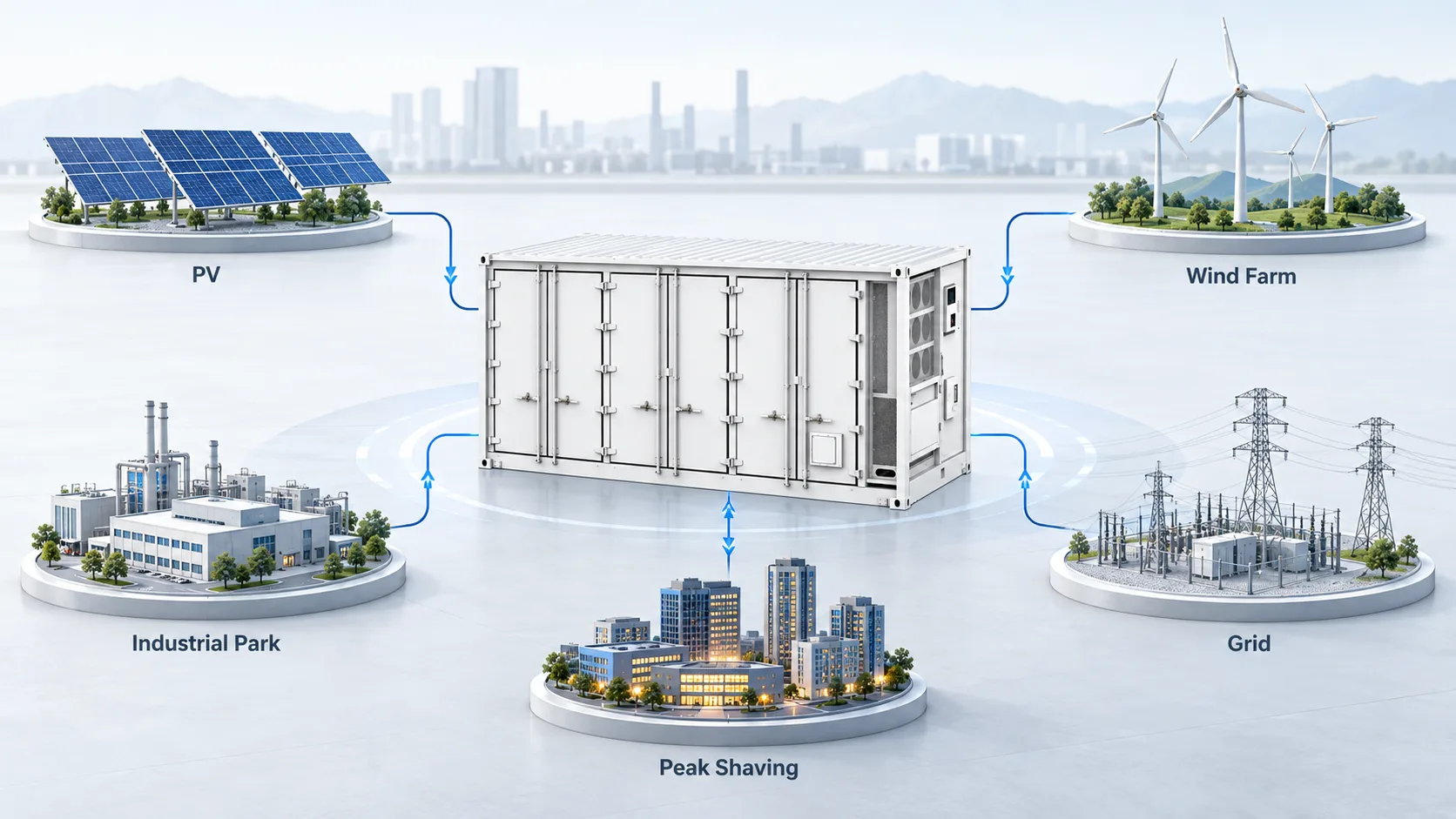
Store renewable generation and support smoother energy dispatch.
Integrate wind generation with large-scale battery energy storage.
Support peak shaving, valley filling and energy-cost optimization.
Support frequency regulation and utility-level energy management.
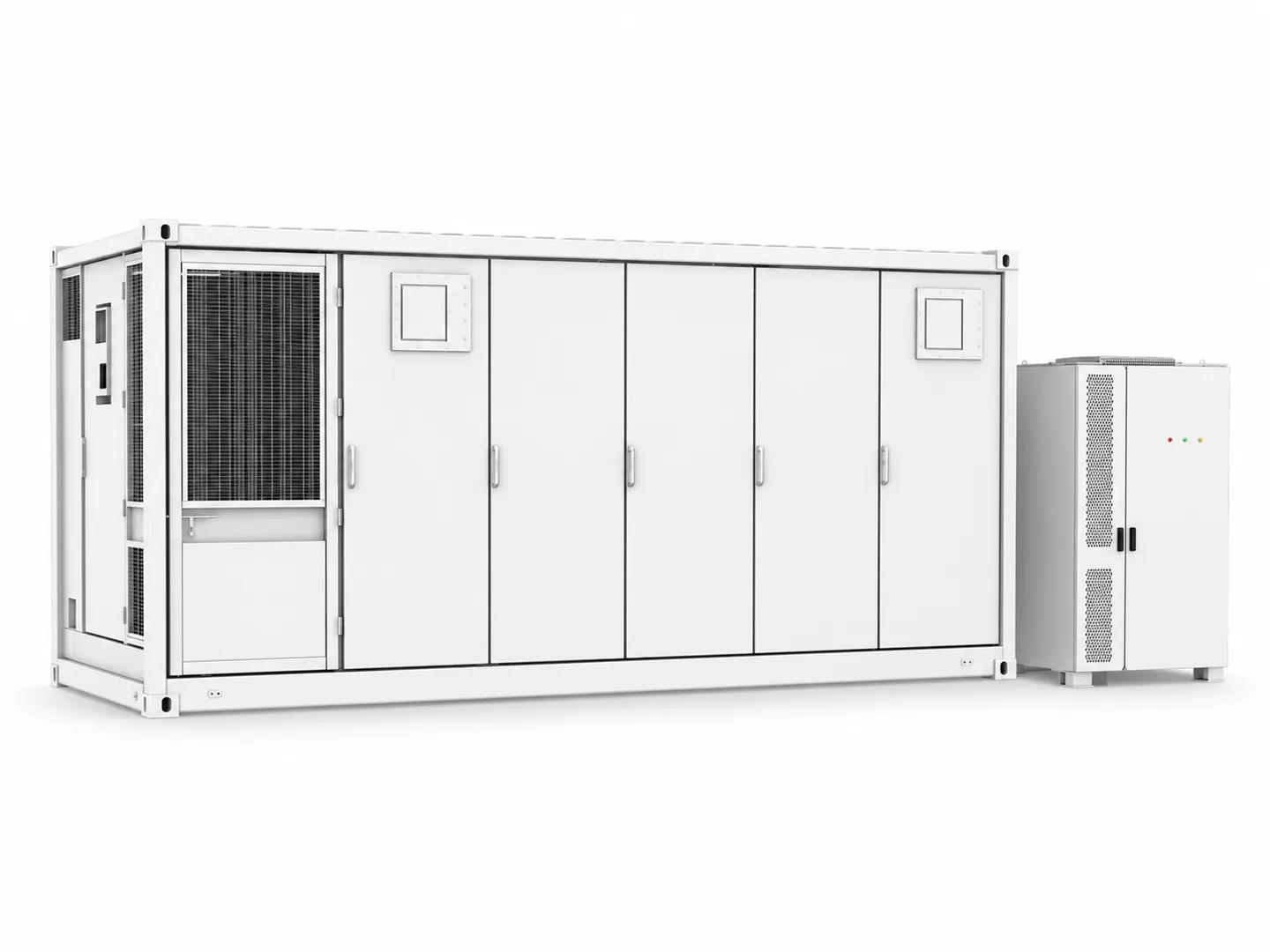
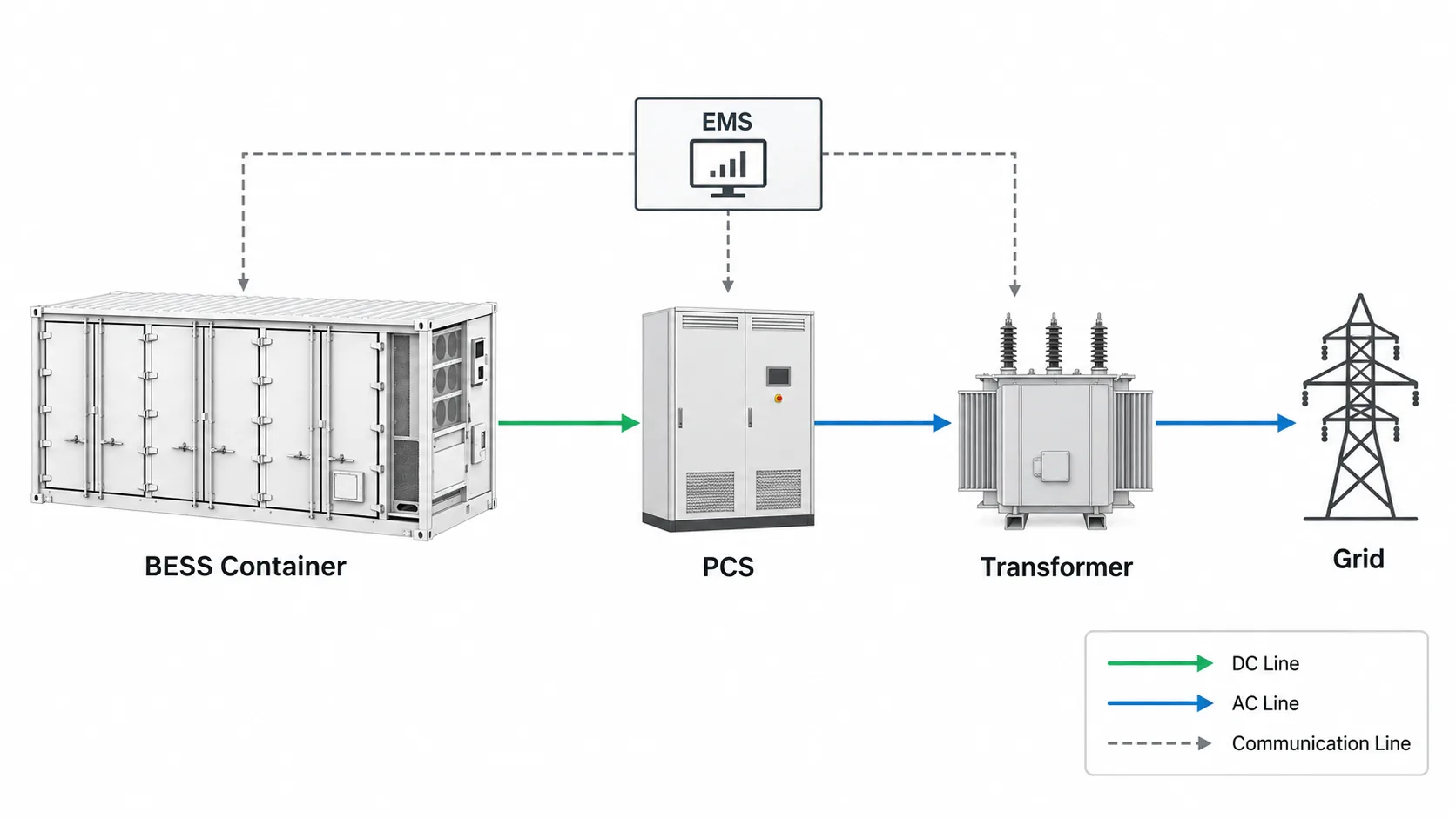
Typical power architecture connects the BESS Container → PCS → Transformer → Grid, while the EMS communicates with the major system components for monitoring and energy management.
Typical project configurations can use one 5MWh container with a PCS or multiple 5MWh containers with matched PCS capacity, depending on required power and discharge rate.
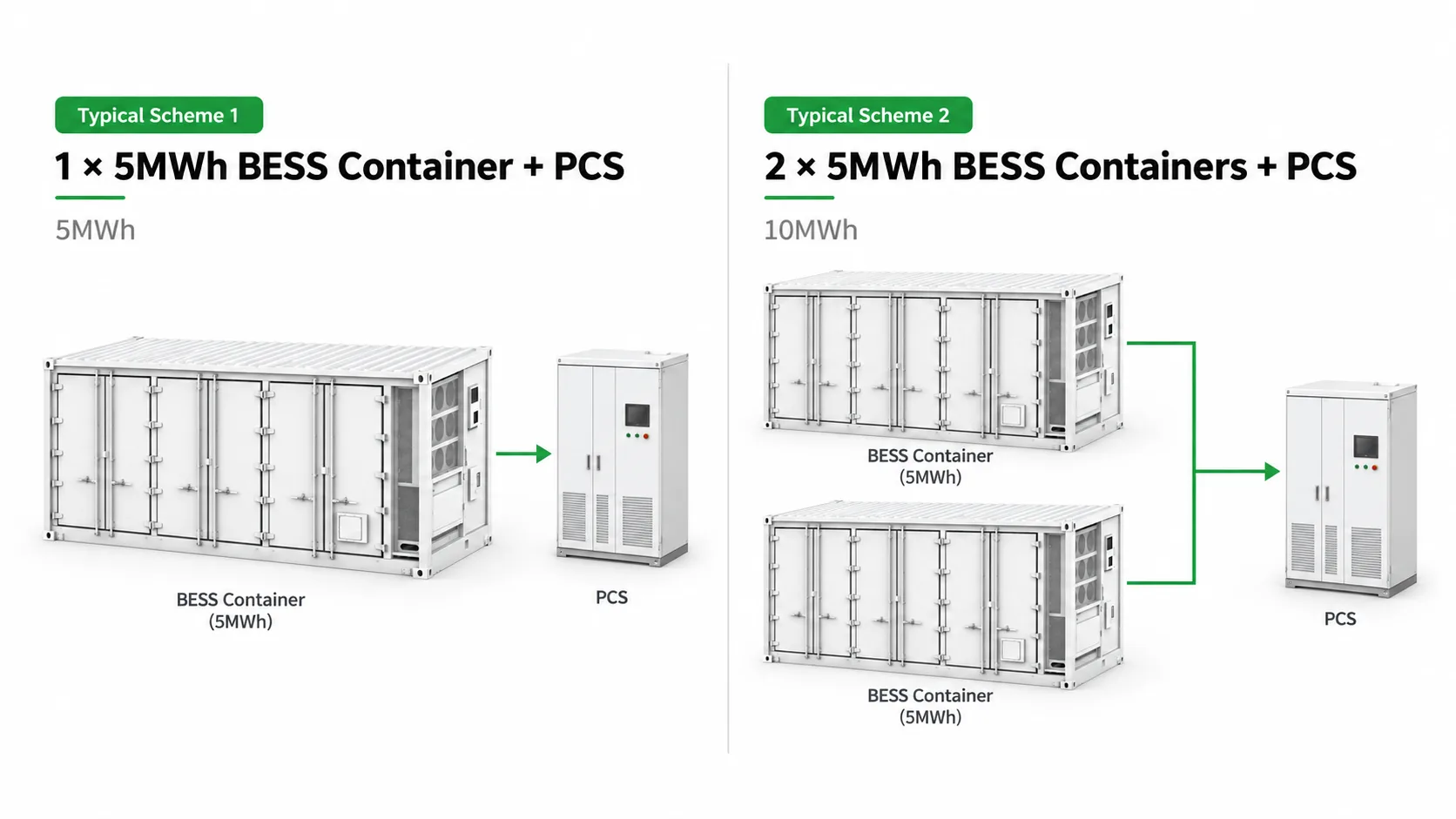
| Scenario | Rate | DC Configuration | AC Configuration |
|---|---|---|---|
| C&I | 0.5P | 2 × 5MWh containers | 2 × 2.5MW PCS integrated warehouse |
| C&I | 0.25P / 0.3P | 2 × 5MWh containers | 2 × 1.25MW PCS |
| Public Utility | 0.5P | 1 × 5MWh container | 1 × 2.5MW PCS integrated warehouse |
| Public Utility | 0.25P / 0.3P | 1 × 5MWh container | 1 × 1.25MW / 1.5MW PCS |
Typical engineering layout showing the relationship between the 5MWh BESS container and PCS cabin, together with equipment dimensions and service-clearance space. Final civil and electrical design should follow the approved project drawings.
The 5MWh technical documentation specifies liquid-cooling thermal management and thermal-runaway management using aerosol extinguishing or PFH together with water immersion.
Certification availability should be confirmed for the exact project configuration and destination market.
Technical Download
Download the no-logo technical datasheet covering the 314Ah LiFePO4 battery module, 1331.2V / 5015.9kWh system parameters, liquid cooling, fire protection, communication interfaces, typical system configurations and site layout.
Download 5MWh Liquid-Cooled BESS Datasheet (PDF)314Ah LiFePO4 · 1331.2V · 5015.9kWh · Liquid Cooling · IP55
The 5MWh configuration is specified at 5015.9kWh rated energy.
The technical datasheet specifies 314Ah LiFePO4 cells.
Nominal system voltage is 1331.2V, with a listed operating voltage range of 1040–1500V.
The 5MWh configuration uses 12 battery clusters.
The system uses liquid-cooling technology for battery thermal management.
The datasheet lists CAN, RS485 and Wi-Fi.
The technical datasheet lists more than 10,000 cycles at 80% DoD.
Yes. The product platform is marketed with flexible capacity from 1MWh to 5MWh for different industrial, commercial and utility-scale projects.
Typical applications include photovoltaic power stations, wind farms, industrial parks, commercial facilities, peak shaving, valley filling and grid-side frequency regulation.
A typical topology connects the BESS container to a PCS, then through a transformer to the grid, with EMS communication used for system monitoring and control.
Utility-Scale & Commercial Energy Storage Project
Tell us your required energy capacity, PCS power, grid voltage, charge/discharge rate, application, installation environment and project quantity so we can evaluate a suitable containerized battery energy storage configuration.
Request a Quote
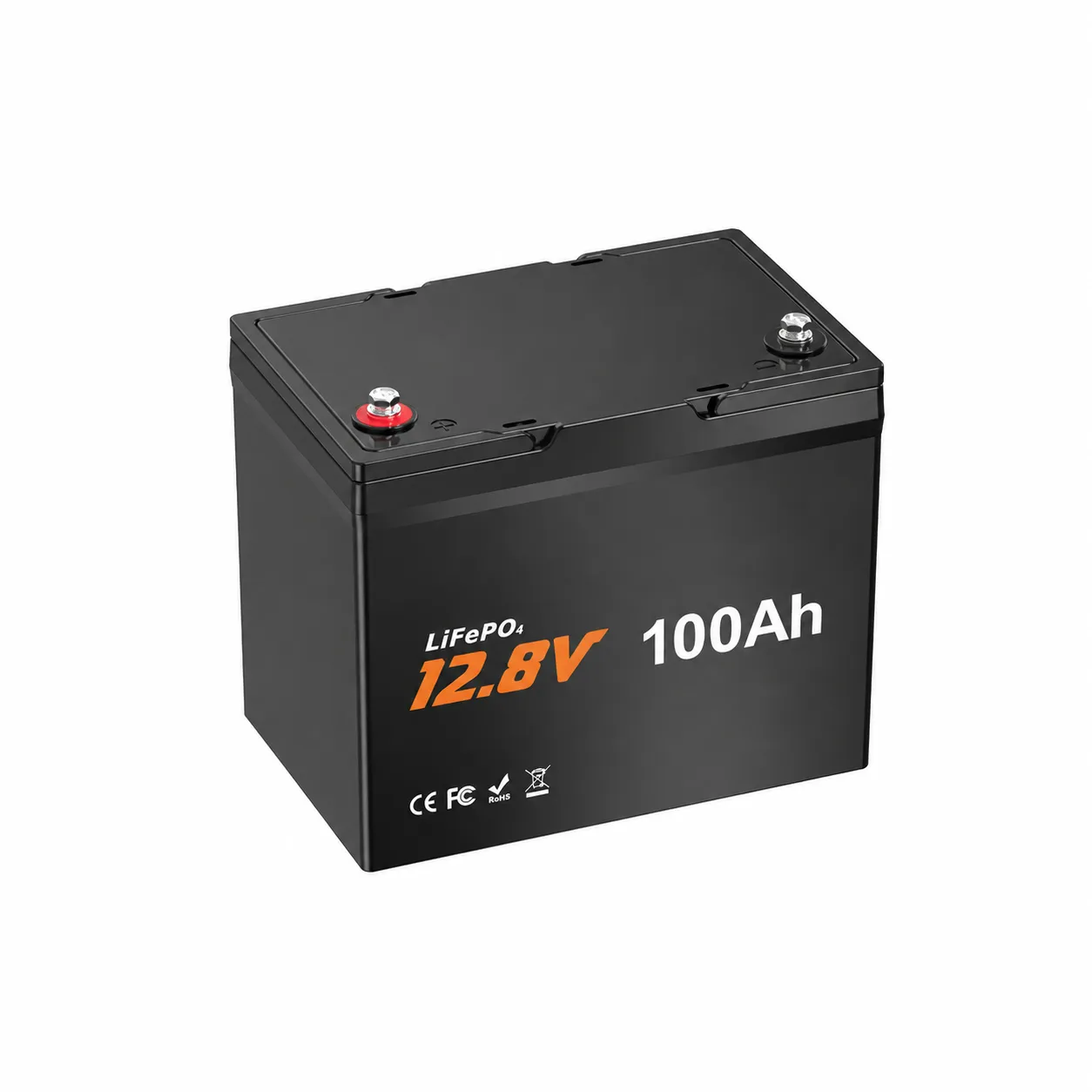
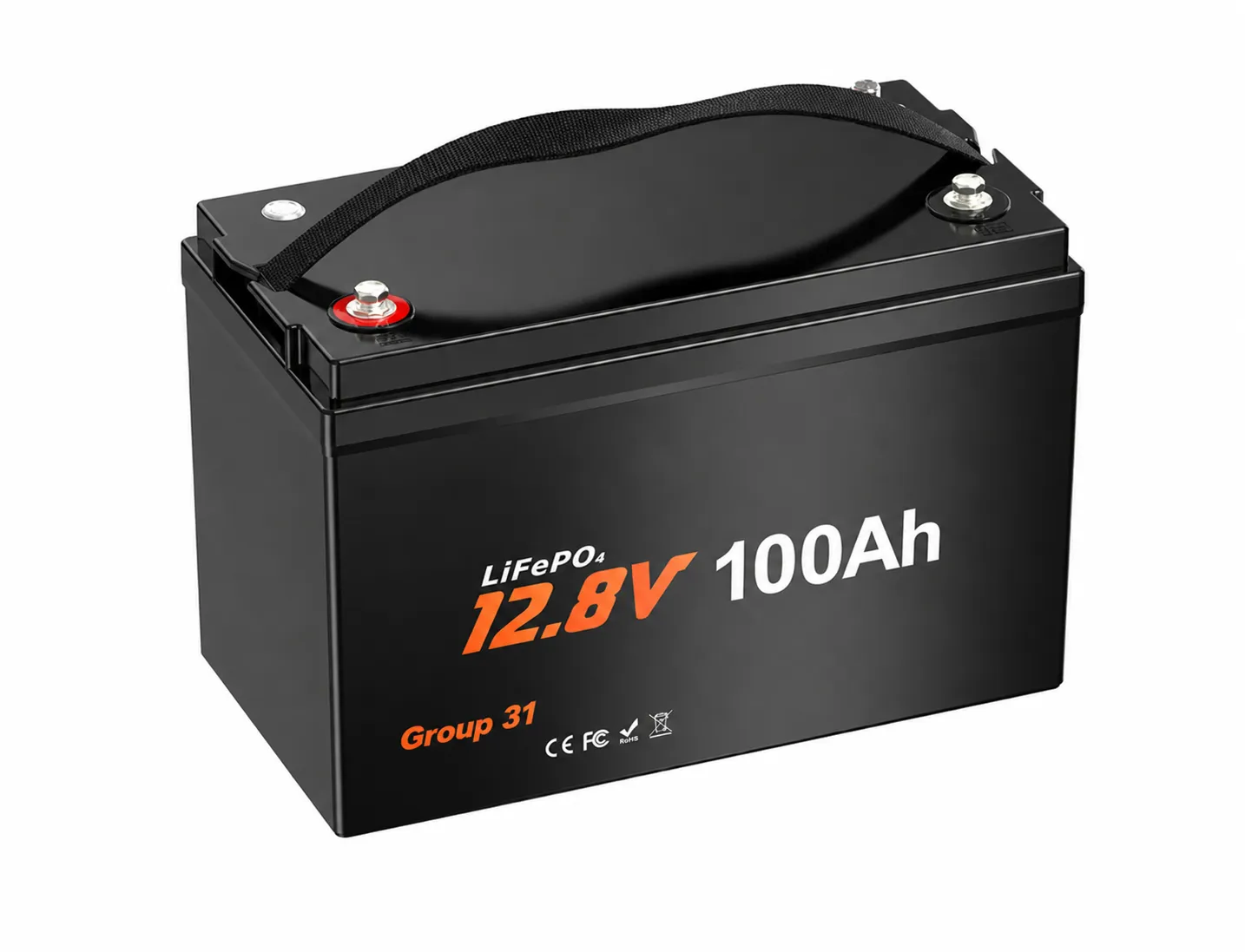
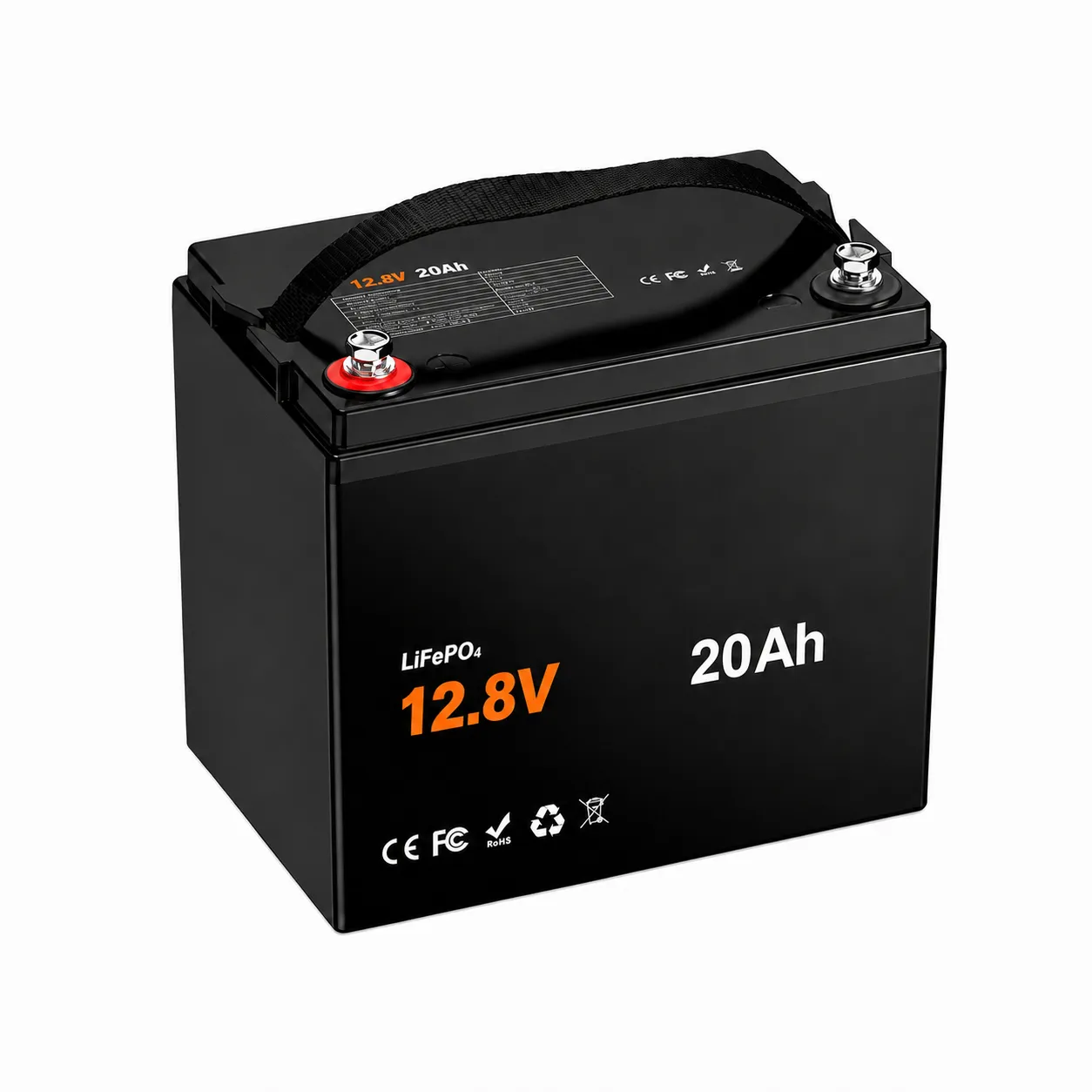
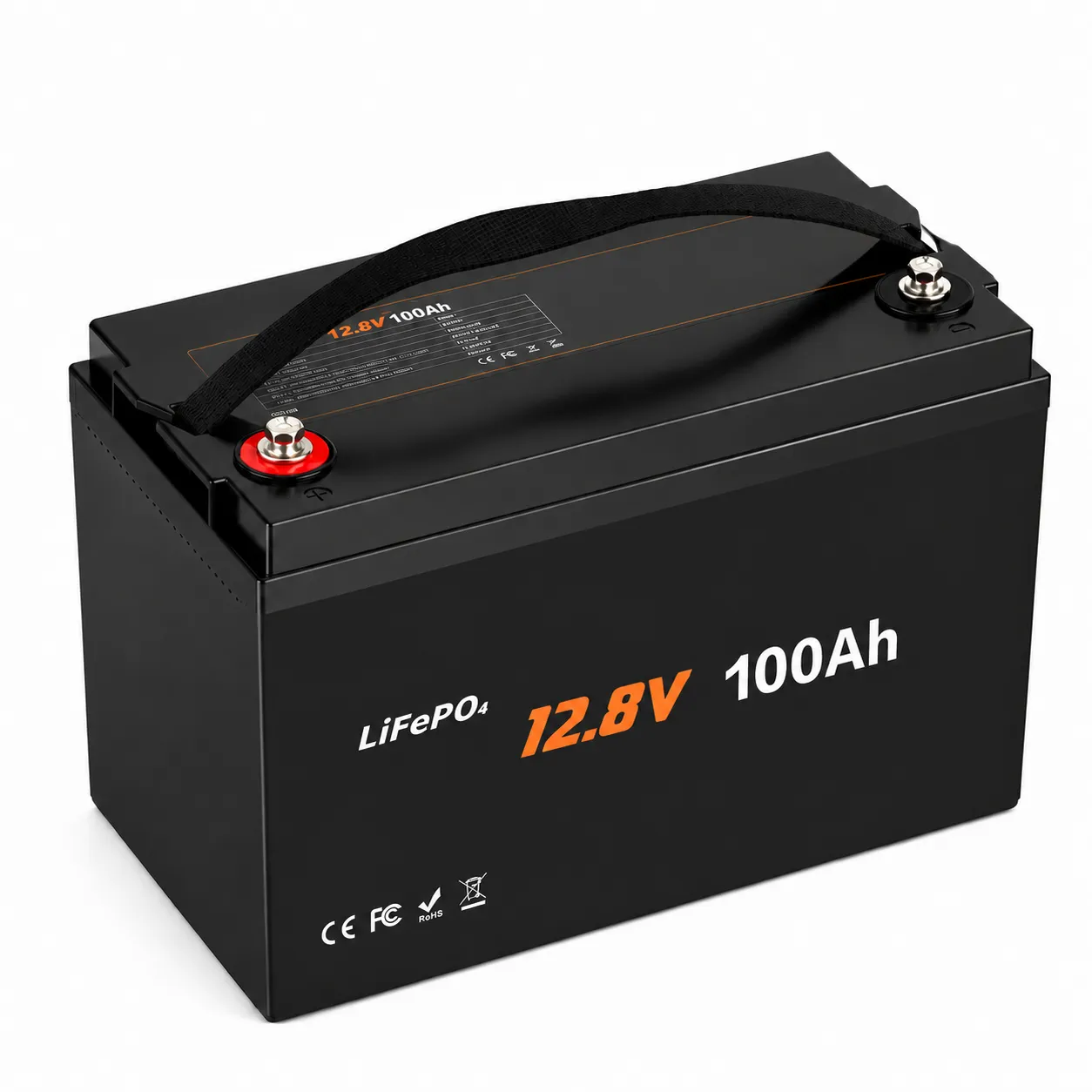
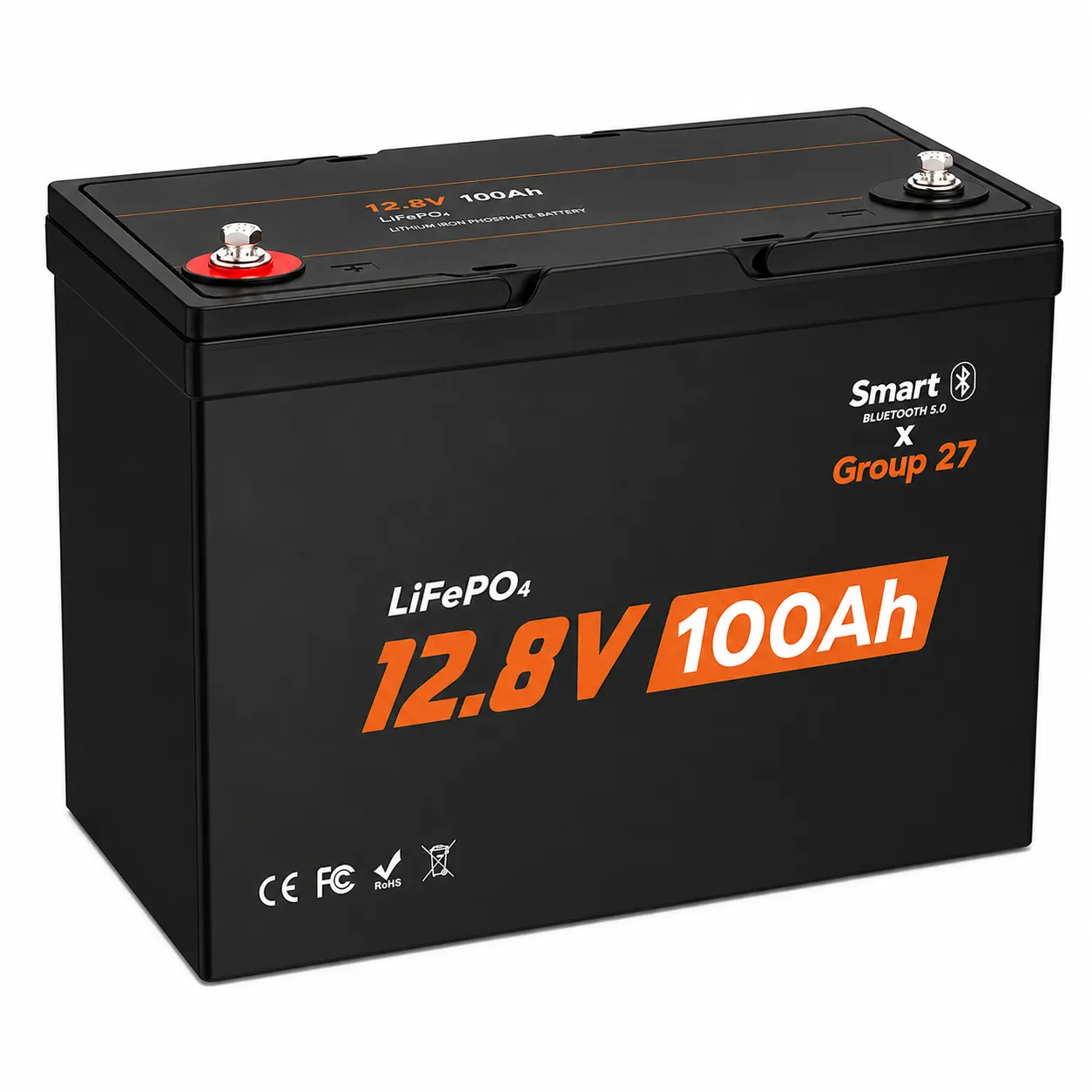
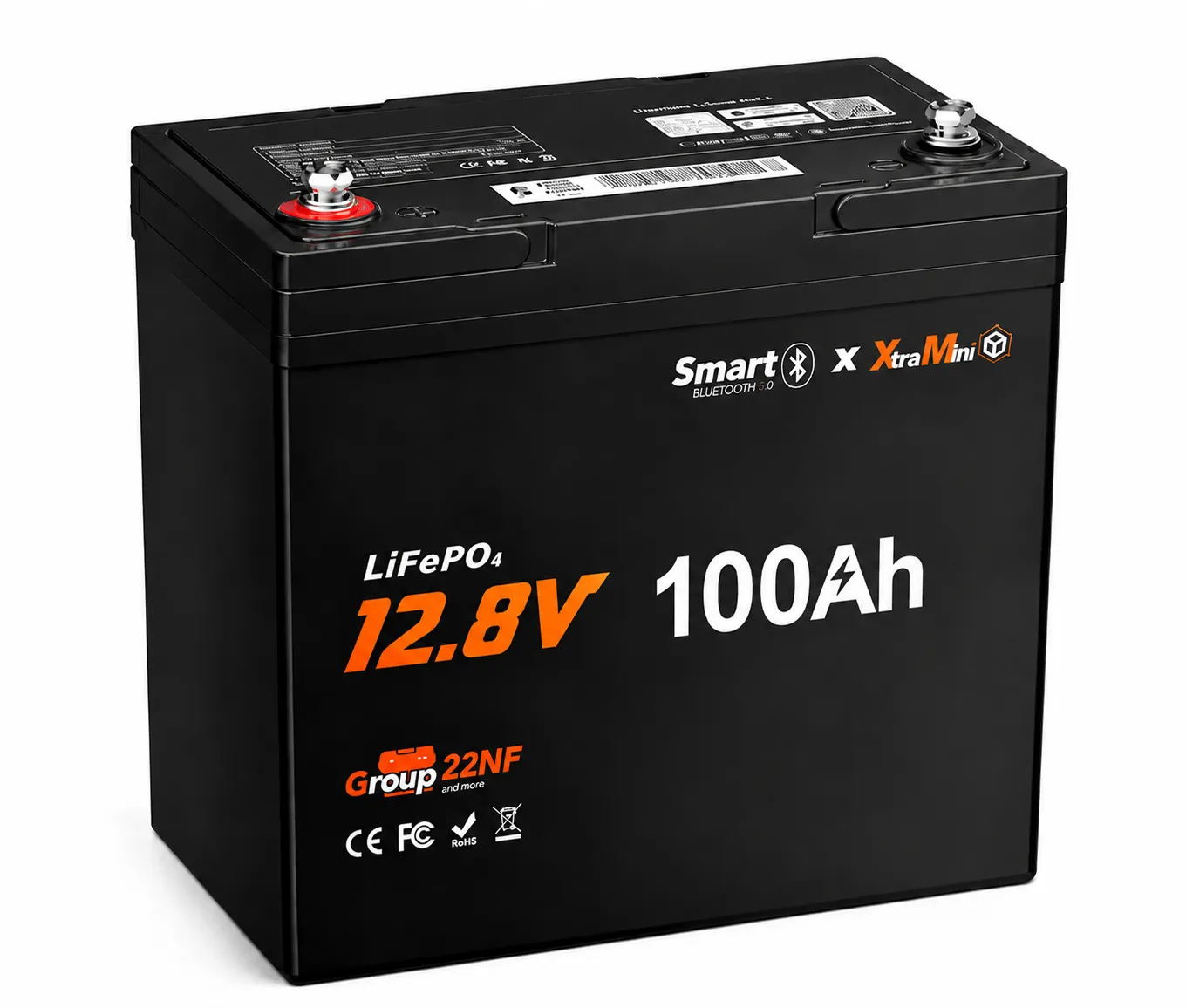
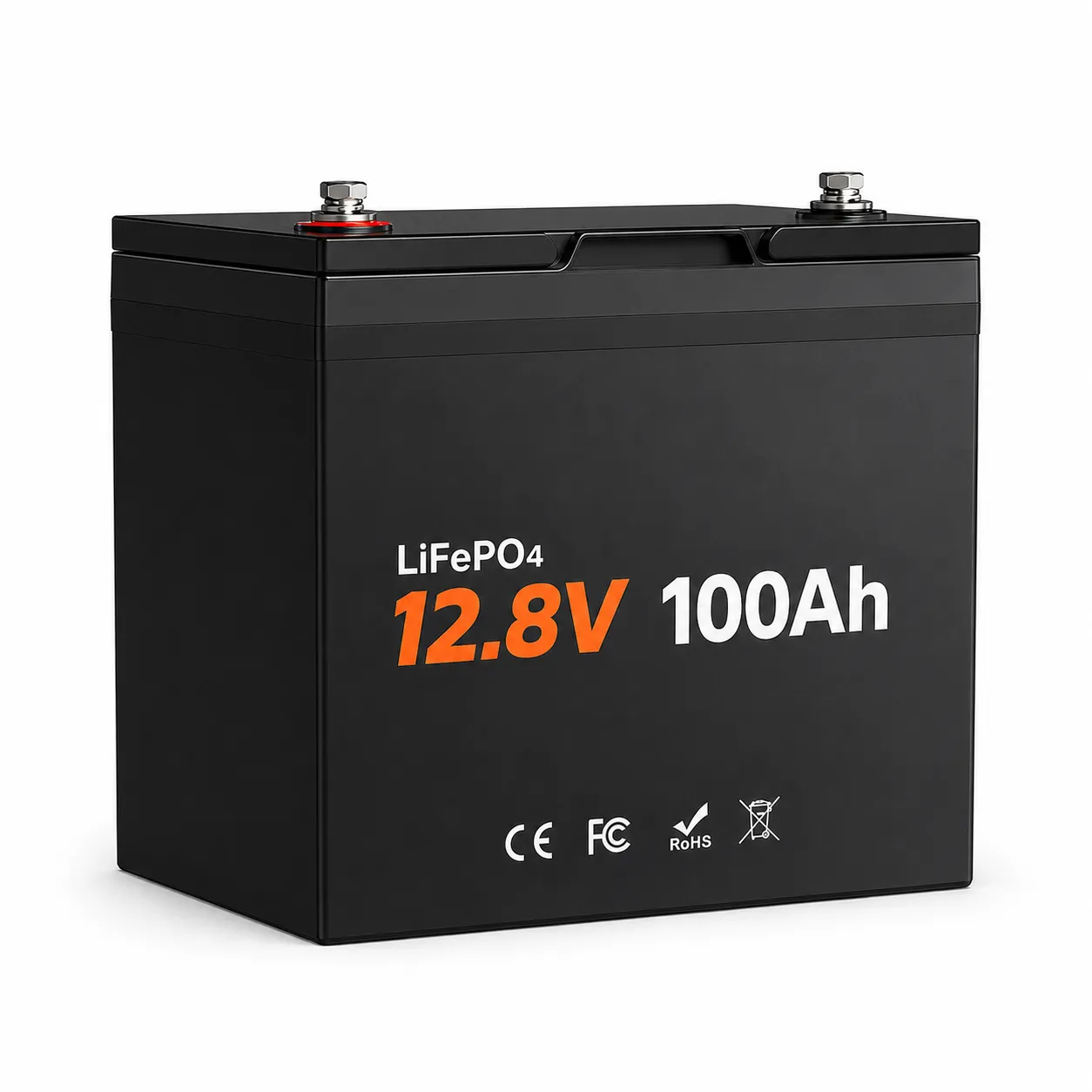
Many LiFePO4 batteries can replace compatible lead-acid deep-cycle batteries in RVs, boats, golf carts and industrial equipment. Before installation, confirm the system voltage, battery dimensions, terminal layout, charger profile, maximum load, cable size, fuse rating and operating temperature.
Most LiFePO4 batteries are compatible with standard 12V, 24V, 36V or 48V inverters when the system voltage and power requirements match. Many modern chargers also include a LiFePO4 charging profile. For lead-acid replacement projects, confirm the charger voltage, inverter rating and maximum load before installation. A compatible charger or DC-to-DC charger may be required if the existing charging equipment does not support LiFePO4 batteries.
Yes. OEM and custom battery support can include voltage, capacity, BMS settings, enclosures, terminals, connectors, communication protocols, labels and packaging. Send us the application, electrical requirements, installation dimensions and expected order quantity for review.
MOQ depends on the battery model, specification and customization requirements. Standard models may be available for sample testing, while custom enclosures, private labels and OEM production normally require a confirmed order quantity. Contact us with the model and required quantity for details.
Available certifications and documents depend on the battery model and destination market. Supporting documents may include UN38.3, MSDS, CE, RoHS and product test reports. Confirm the required documents and target market before placing an order.
Lead time depends on the battery model, order quantity, customization and testing requirements. Export shipping options are arranged according to the battery specification, destination and order volume. Send us the required quantity, delivery location and target schedule for a project-specific quotation.