12V 100Ah Group 31 LiFePO4 Battery for Trolling Motors
$169.00
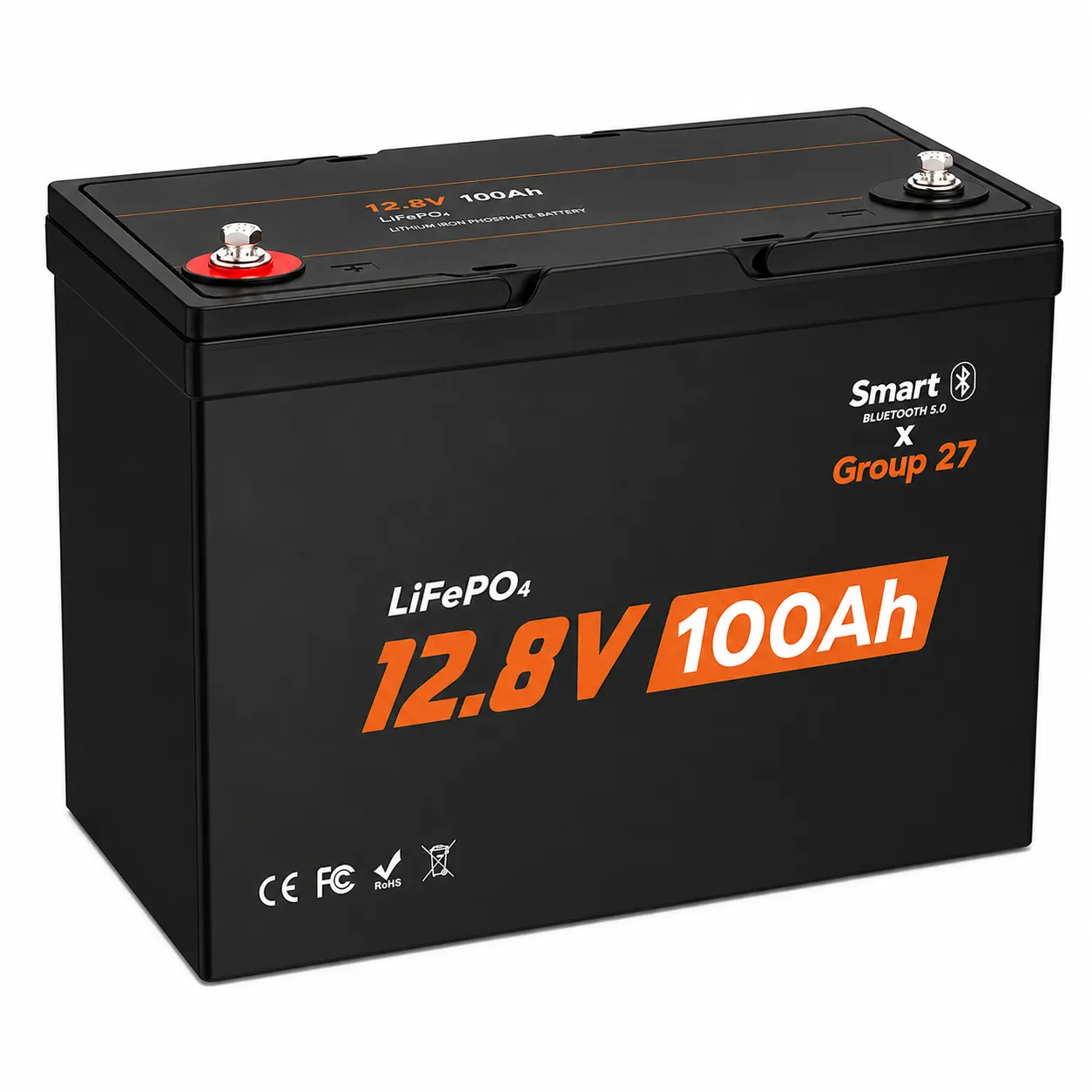
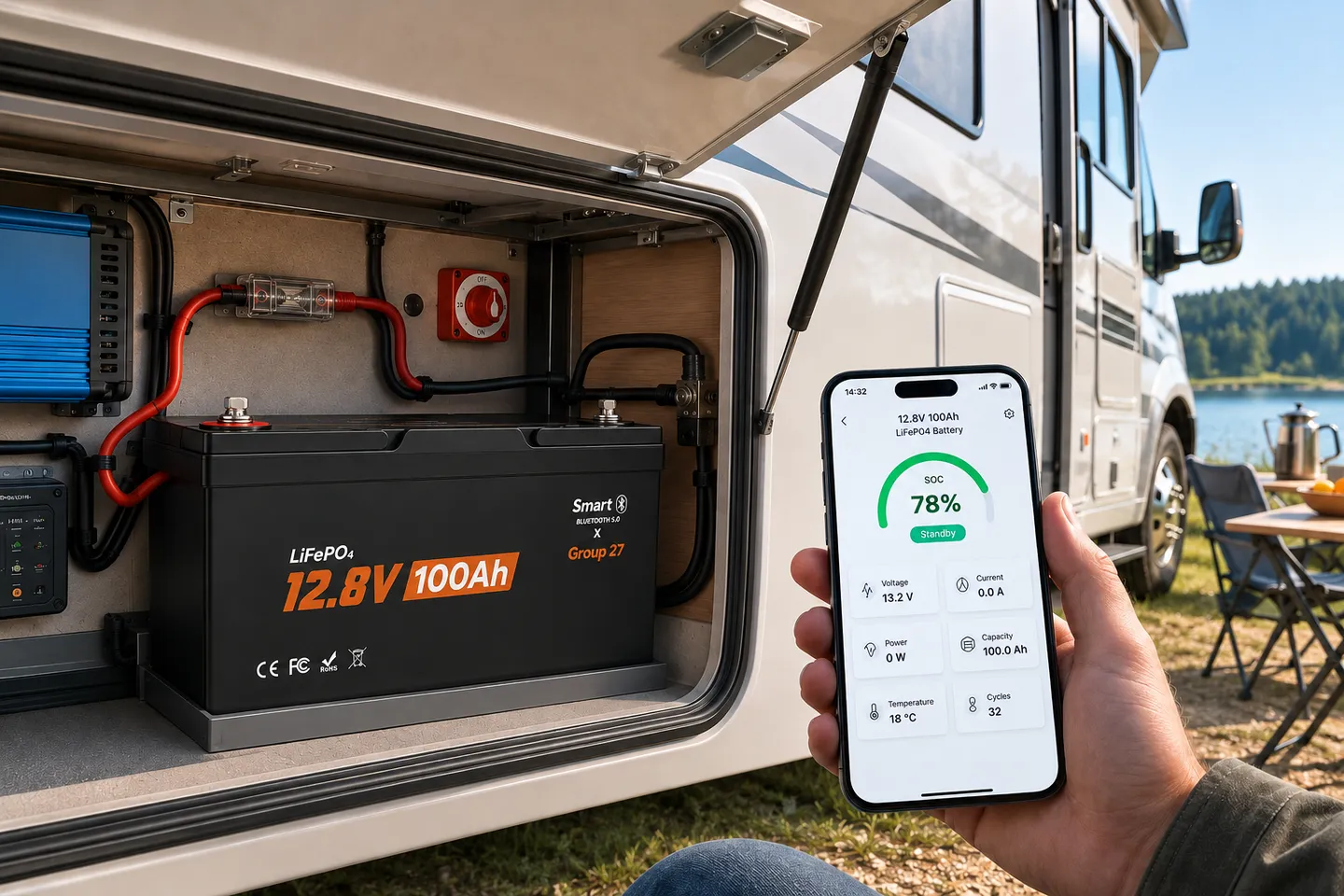
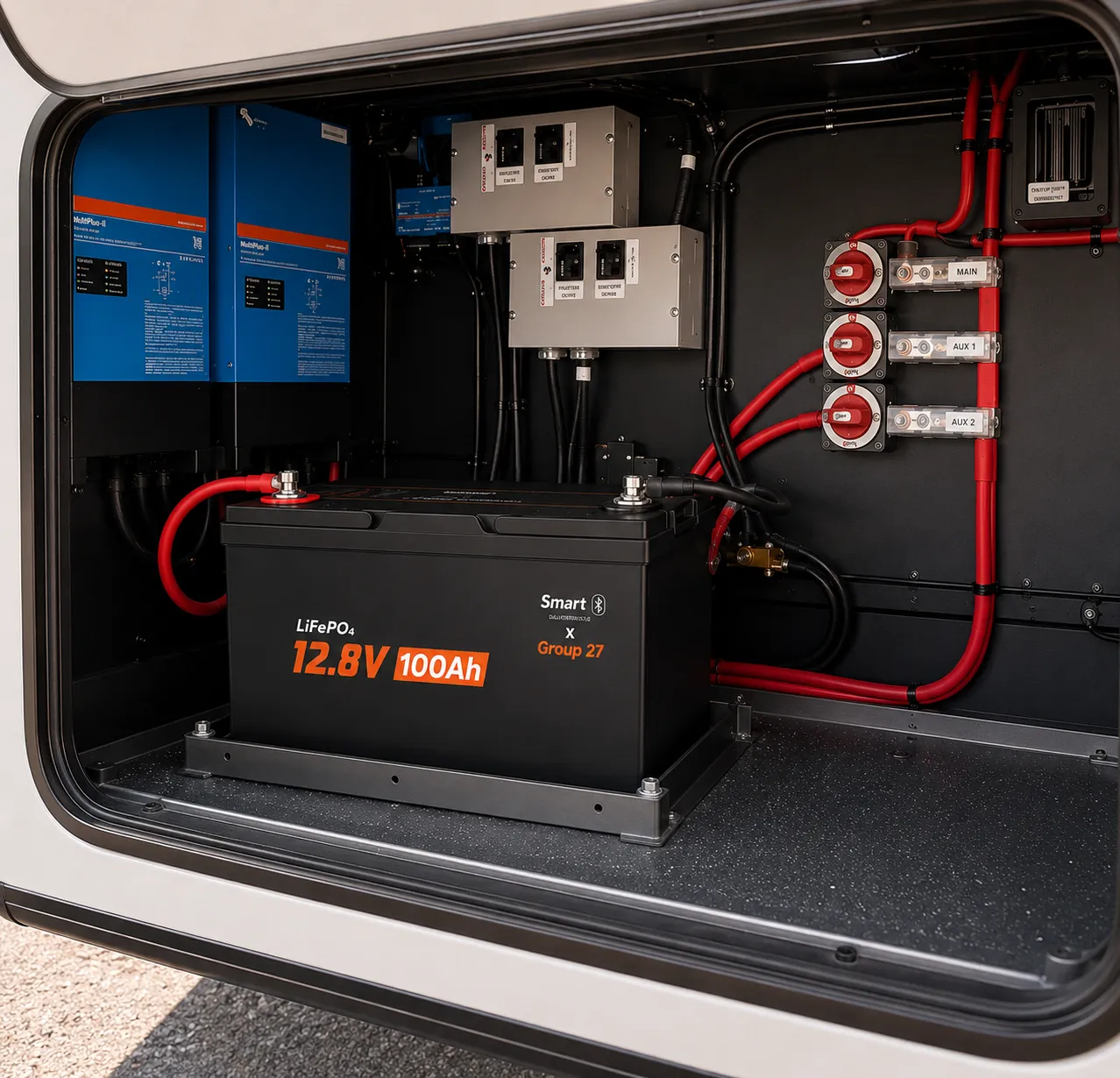
This 12V 100Ah Group 27 LiFePO4 battery provides 1,280Wh of deep-cycle energy for compatible RV house-power systems, camper vans, marine auxiliary loads, trolling motors and off-grid applications. Built-in Bluetooth monitoring provides convenient battery status access, while the integrated 100A Smart BMS manages charging, discharging and cell protection.
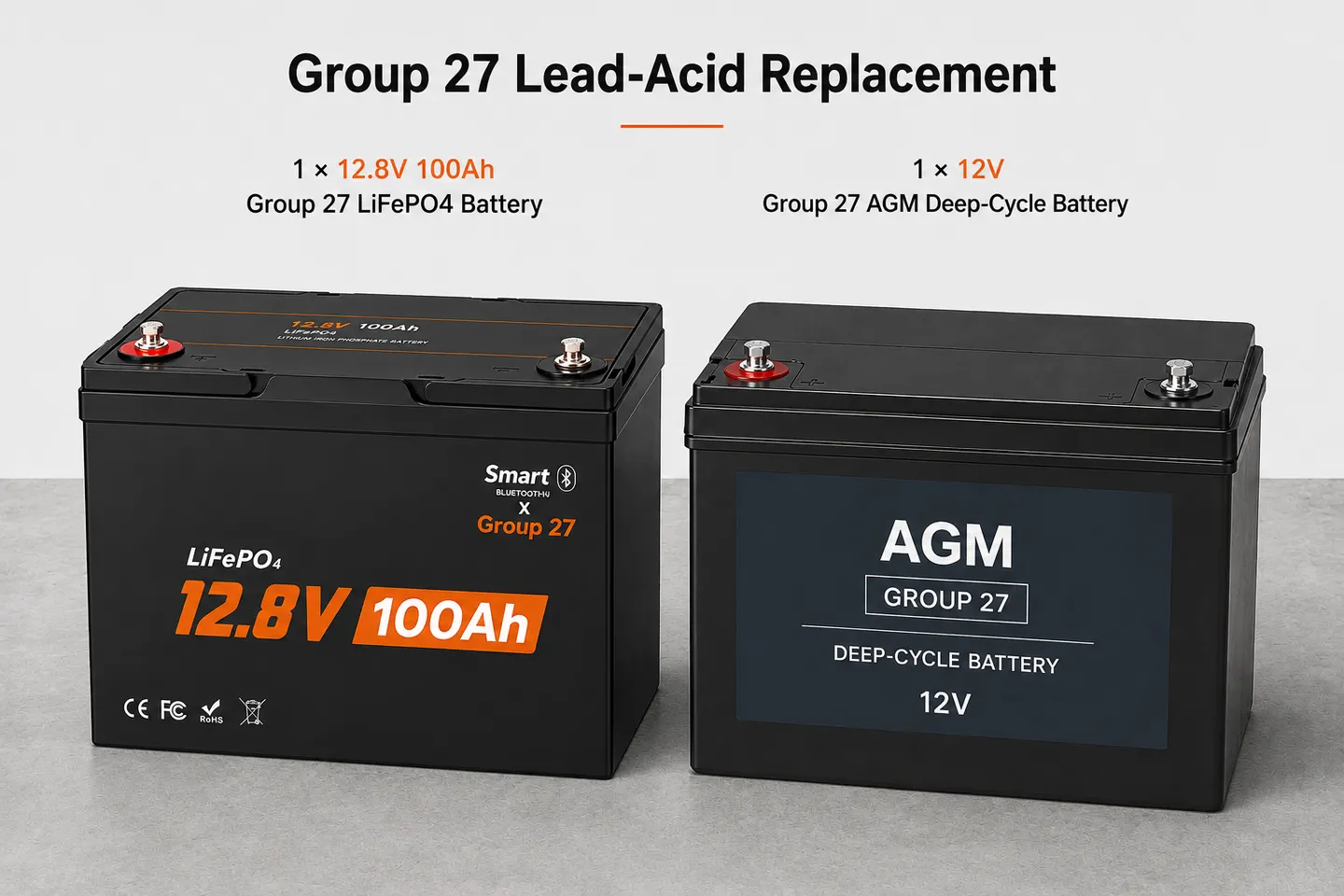
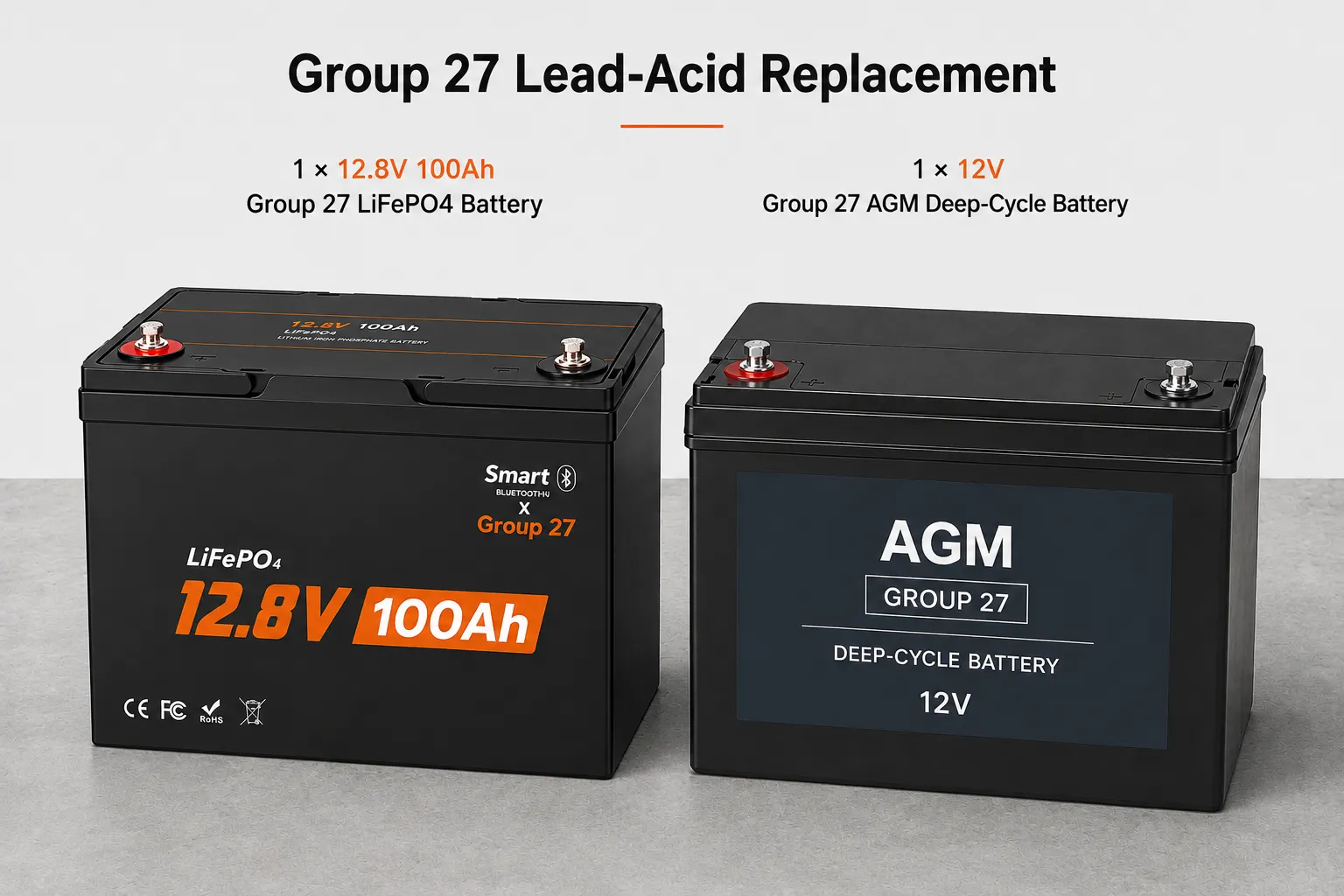
Its Group 27 case also makes it a practical lithium replacement option for selected AGM and flooded lead-acid deep-cycle batteries after battery-compartment dimensions, terminal position, charger compatibility, cable size, fuse protection and maximum system load are confirmed.
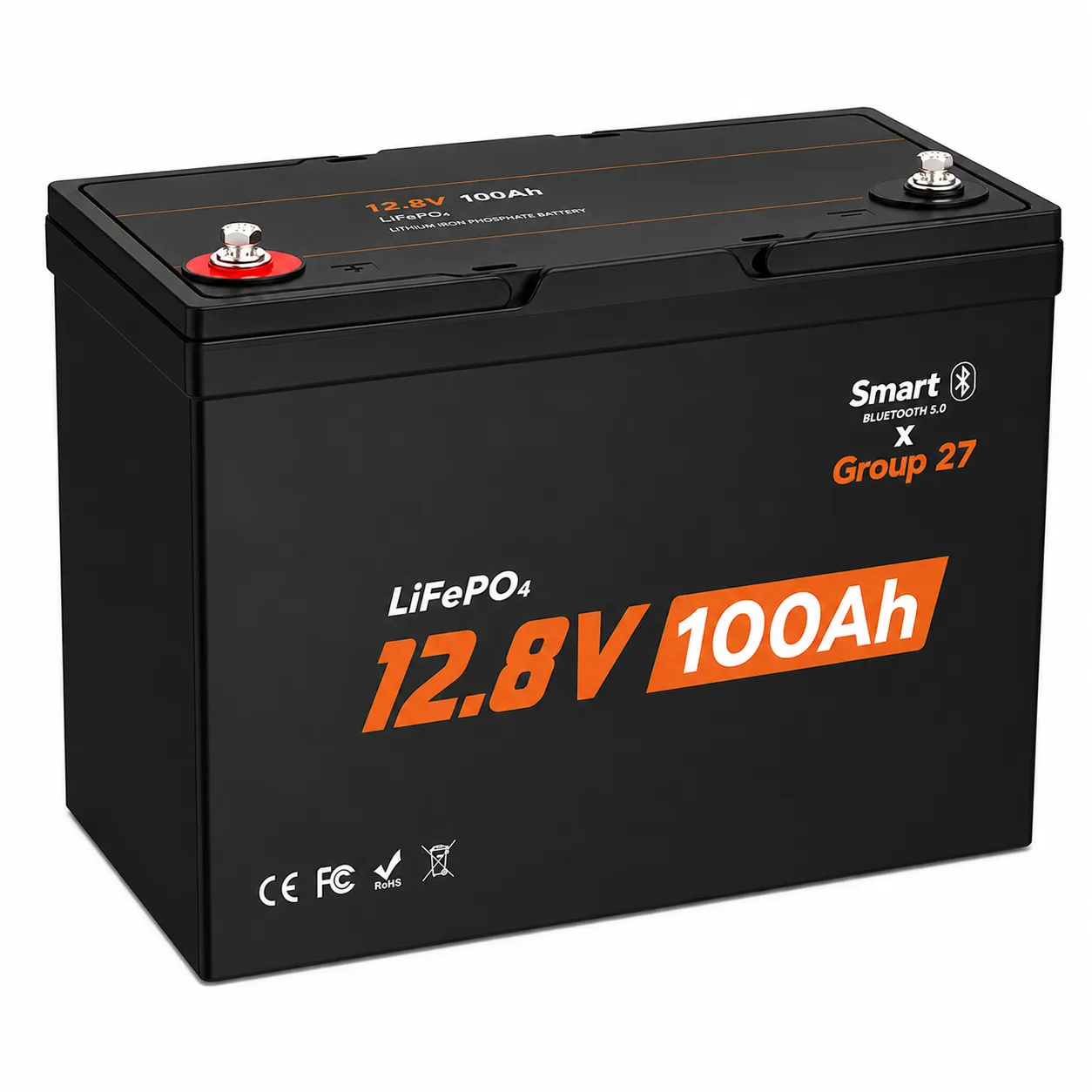
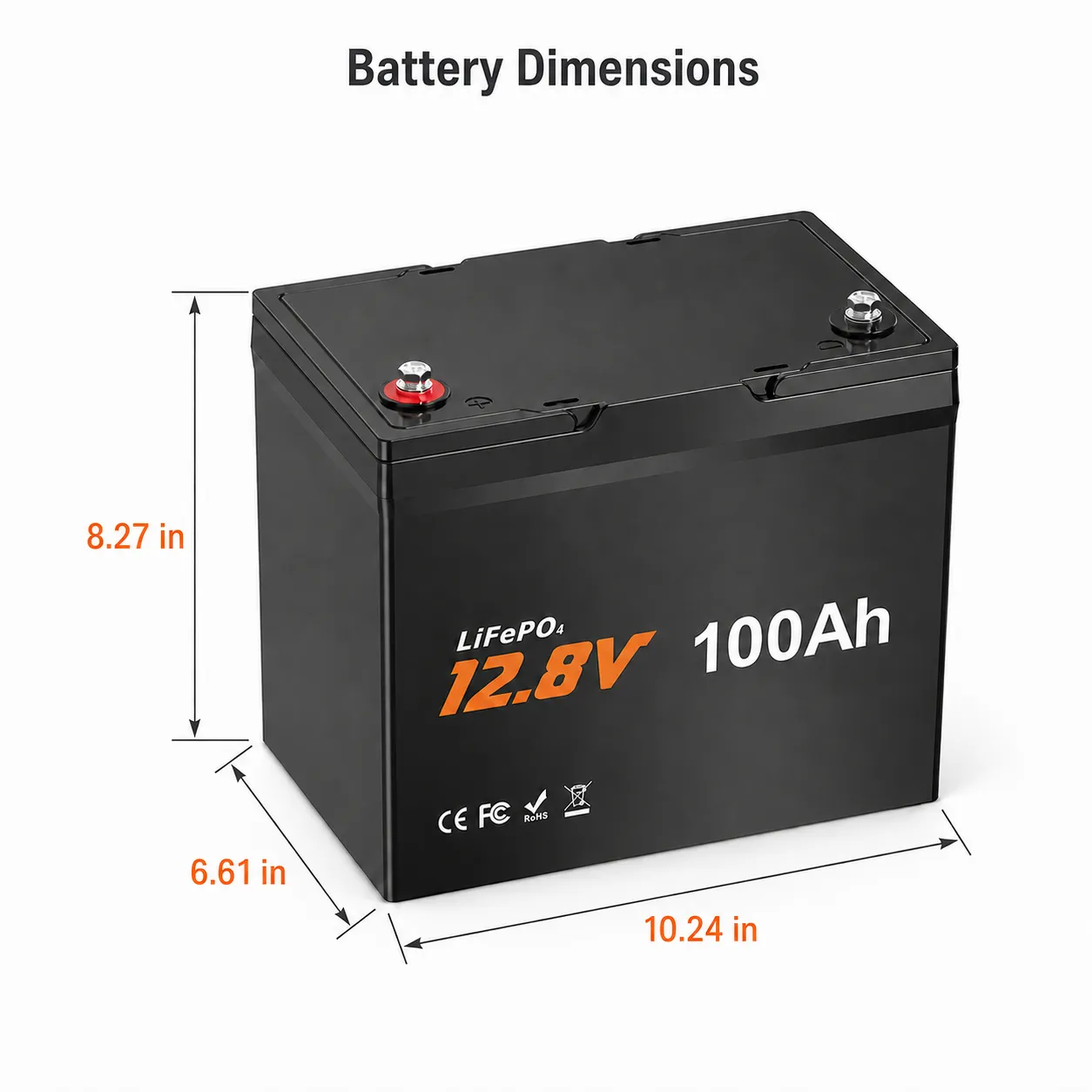
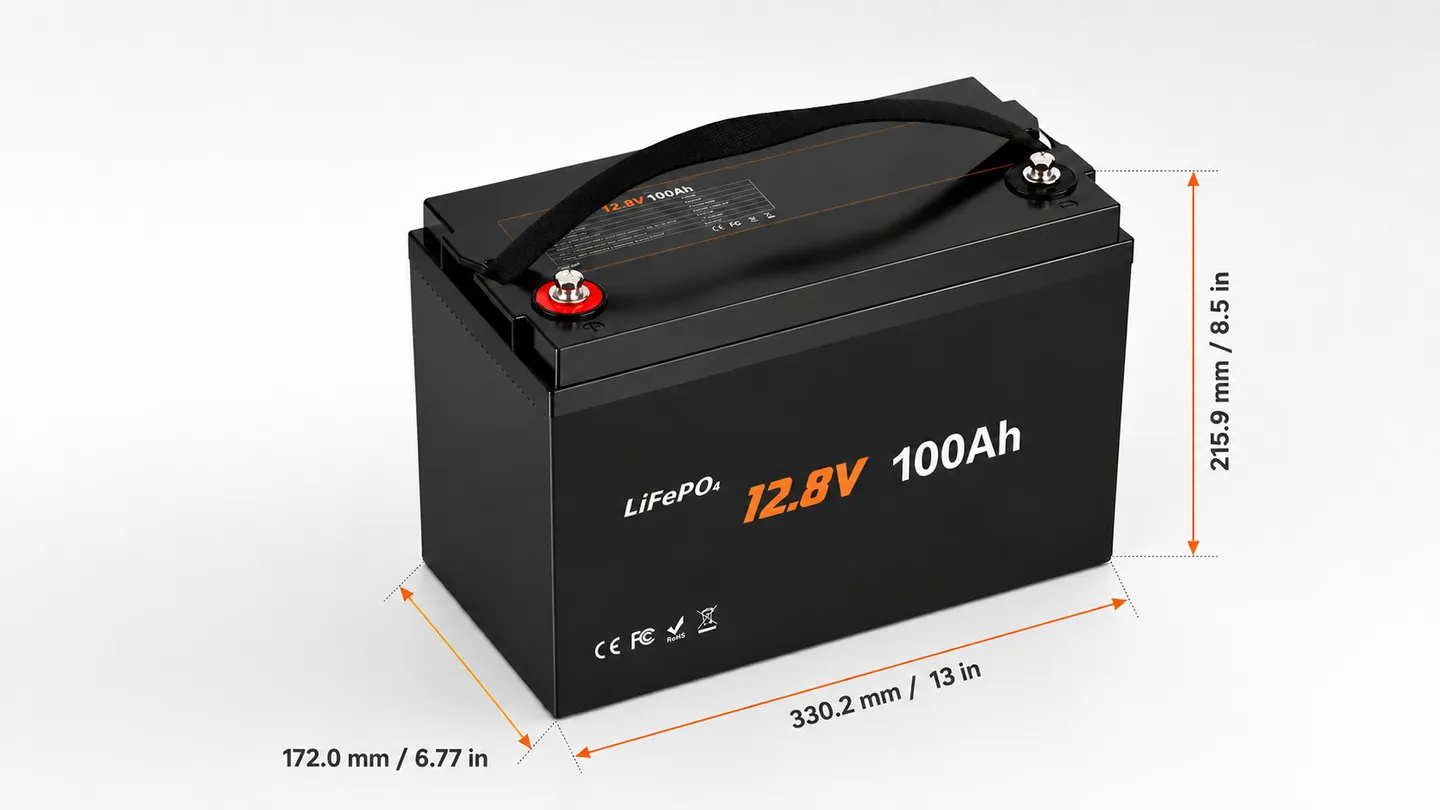
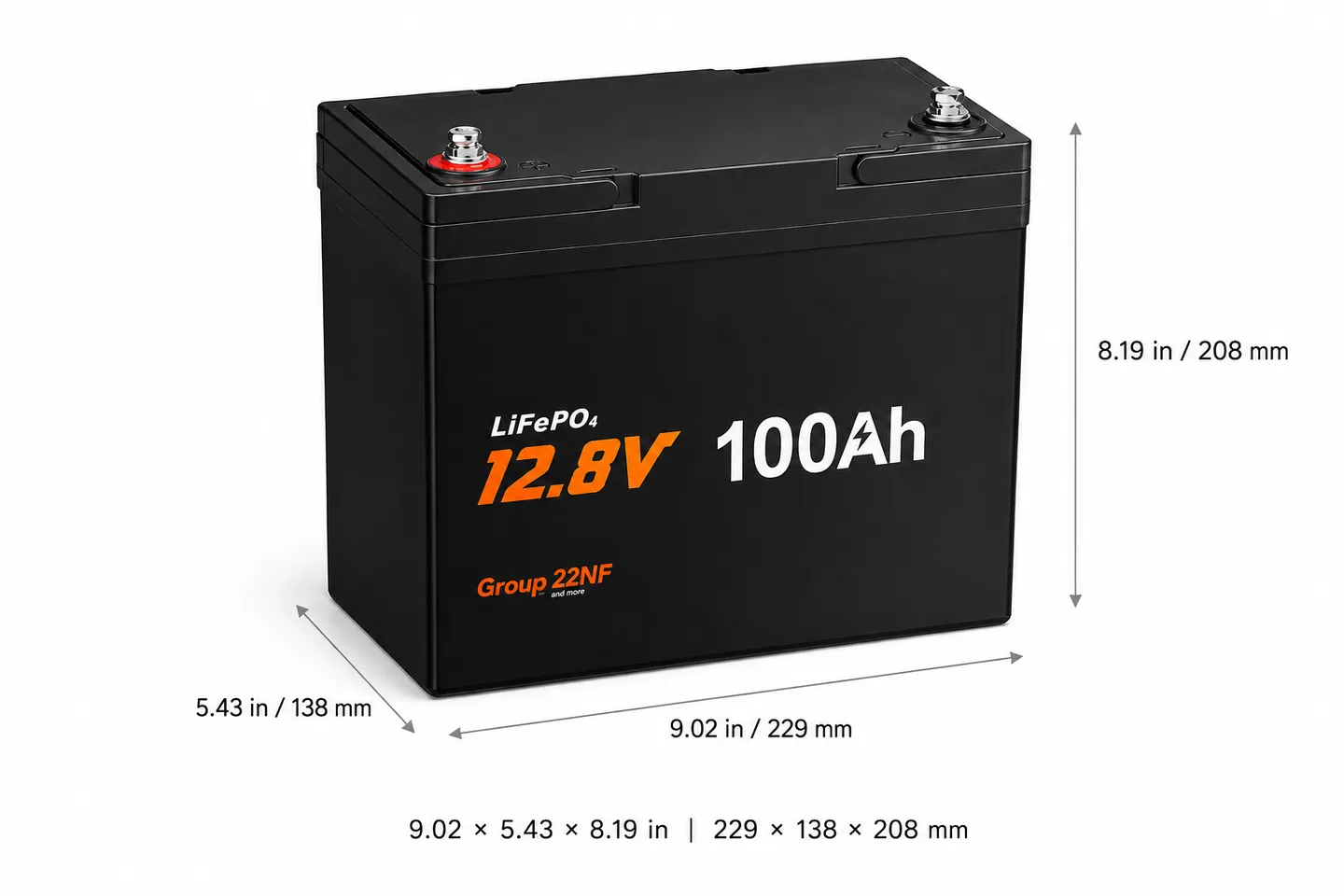
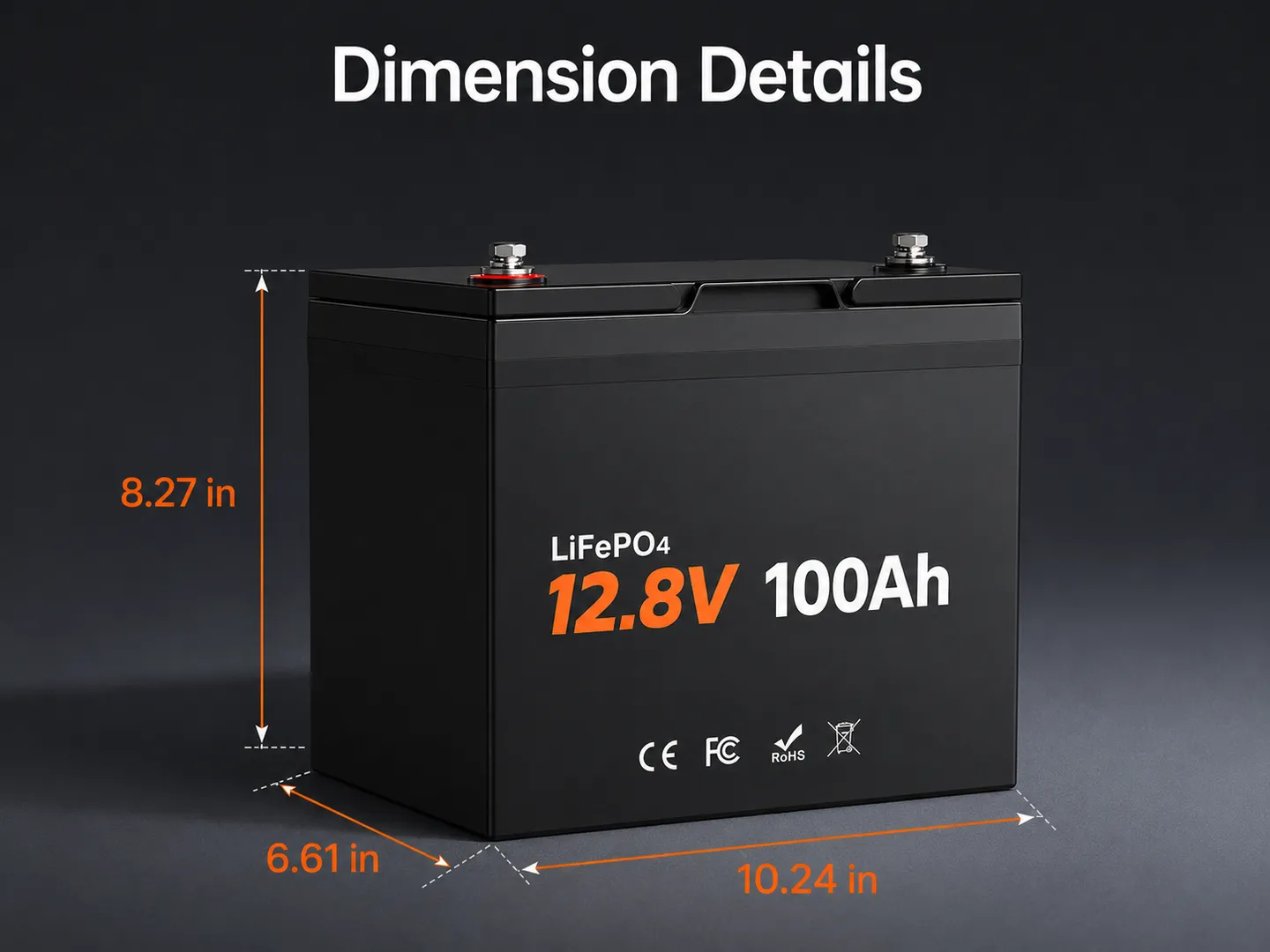
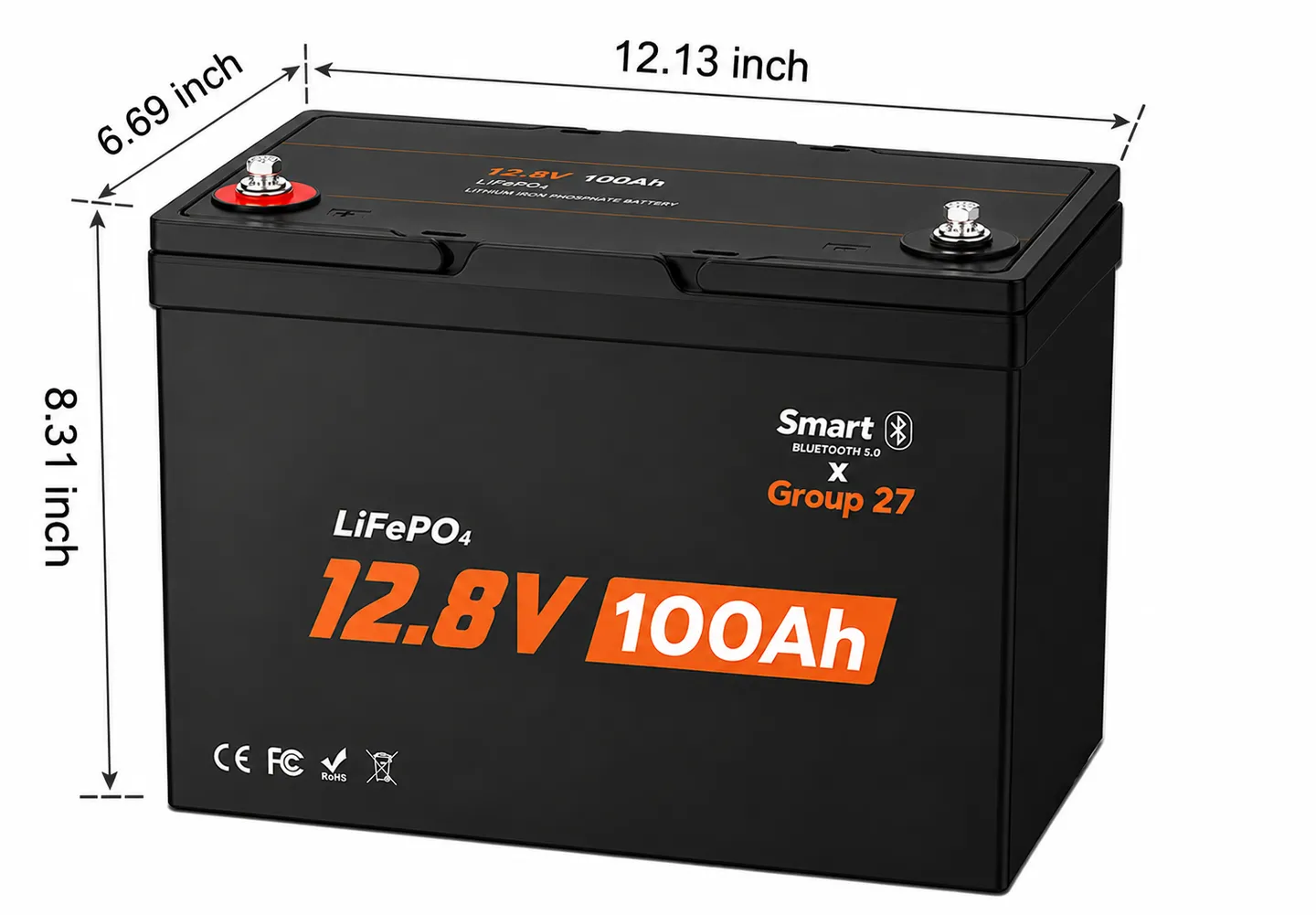
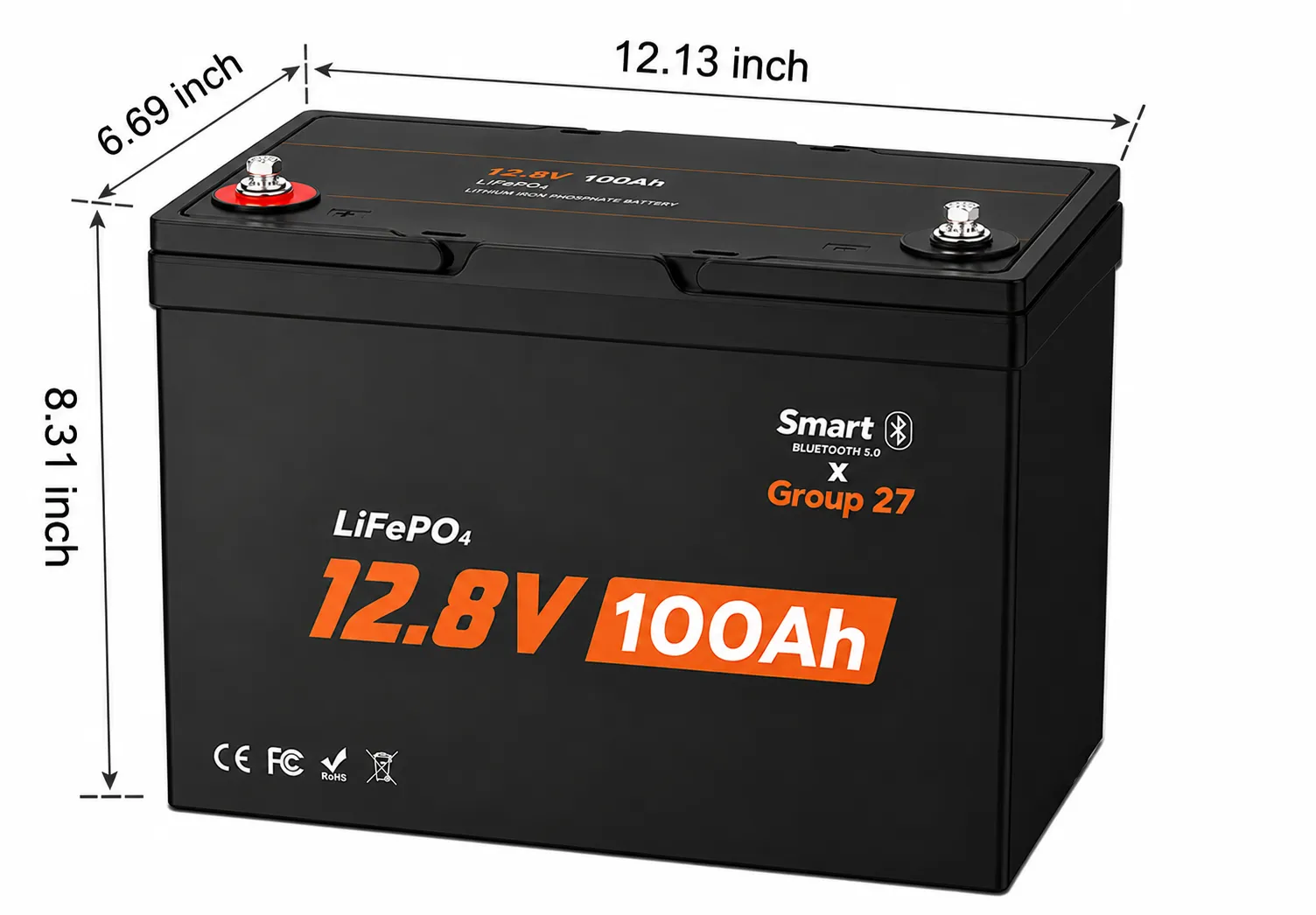
The battery measures approximately 12.09 × 6.81 × 8.86 inches and weighs approximately 22.85 lb. Its Group 27 case format is intended for installations where the available battery compartment is designed around a similar footprint.
Group size alone does not guarantee a direct physical fit. Before replacing an AGM or lead-acid battery, confirm compartment dimensions, terminal clearance, cable routing, mounting space and battery orientation.
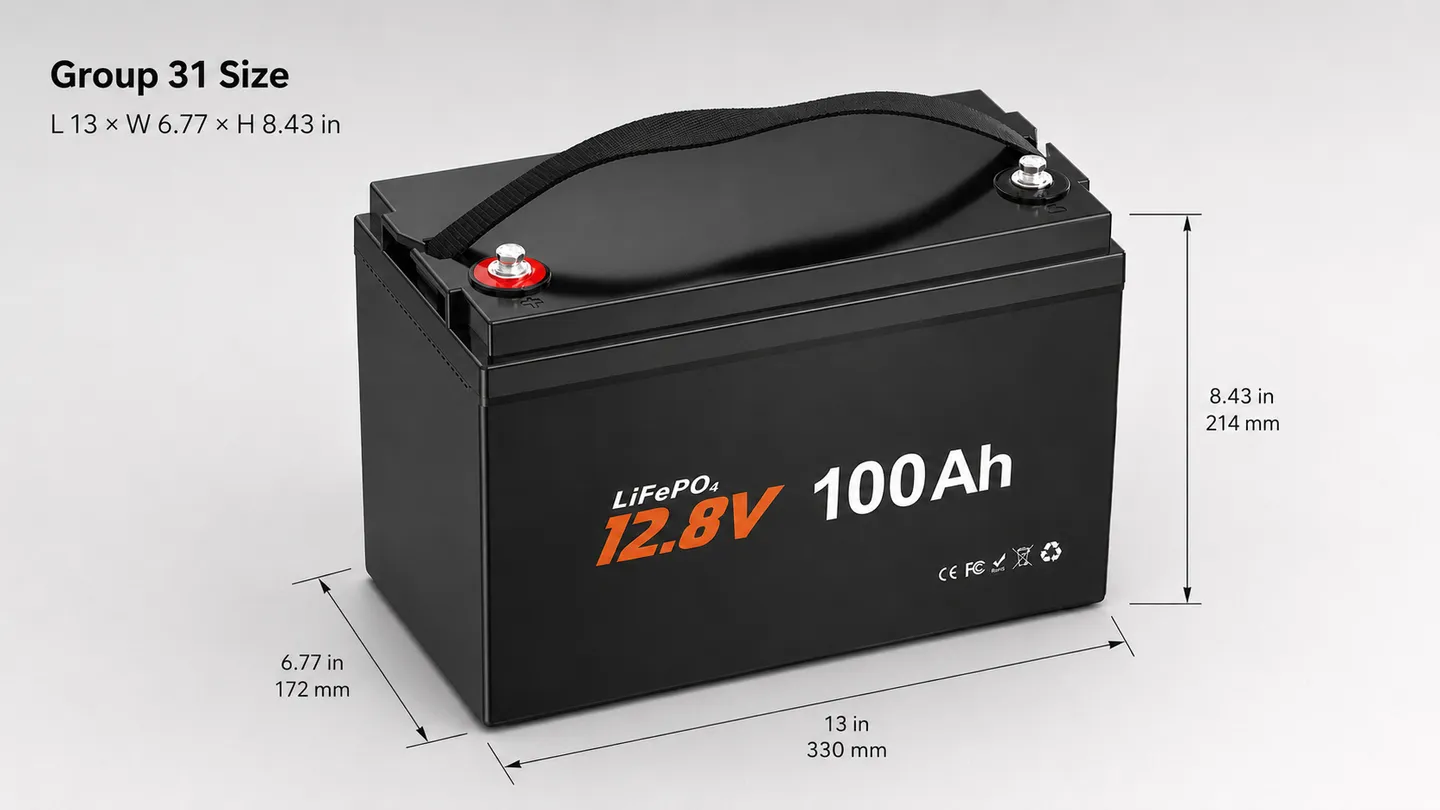
Not sure whether Group 27 is the right battery size for your installation? See our Group 24 vs Group 27 vs Group 31 battery size guide .
For compatible deep-cycle systems, this Group 27 LiFePO4 battery can be considered as a lithium replacement option for selected Group 27 AGM and flooded lead-acid batteries. The conversion should be based on electrical requirements rather than case size alone.
Before replacing a lead-acid battery with lithium, check the system voltage, charger profile, maximum charge current, expected discharge current, cable size, fuse protection, battery compartment dimensions and operating temperature.
Existing chargers with lithium-compatible CC/CV settings may be suitable when their voltage and current limits match the battery specification. Equalization and uncontrolled desulfation modes intended for flooded lead-acid batteries should not be used.
Review the Lead-Acid to LiFePO4 Battery Replacement Guide before changing the original charger, wiring or battery bank.
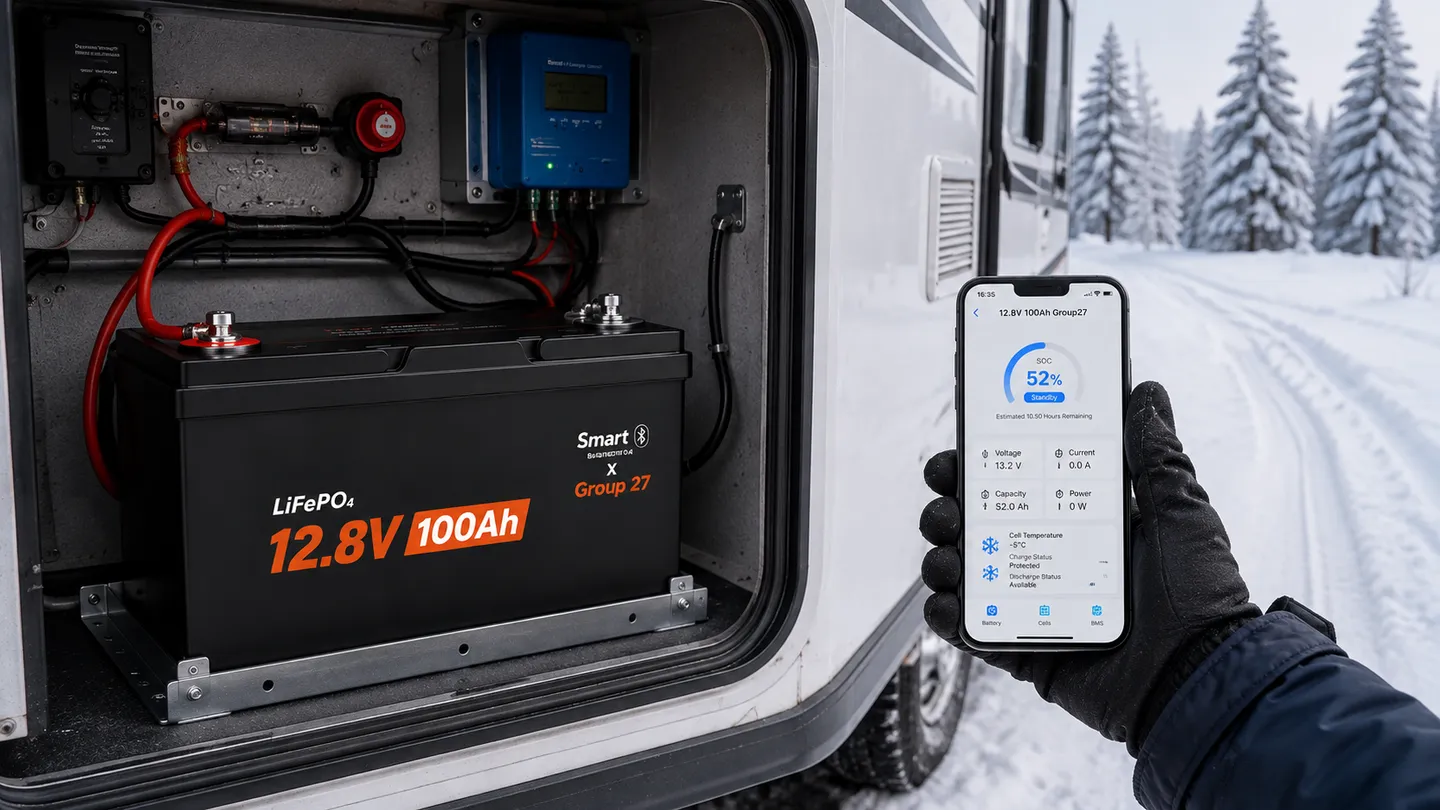
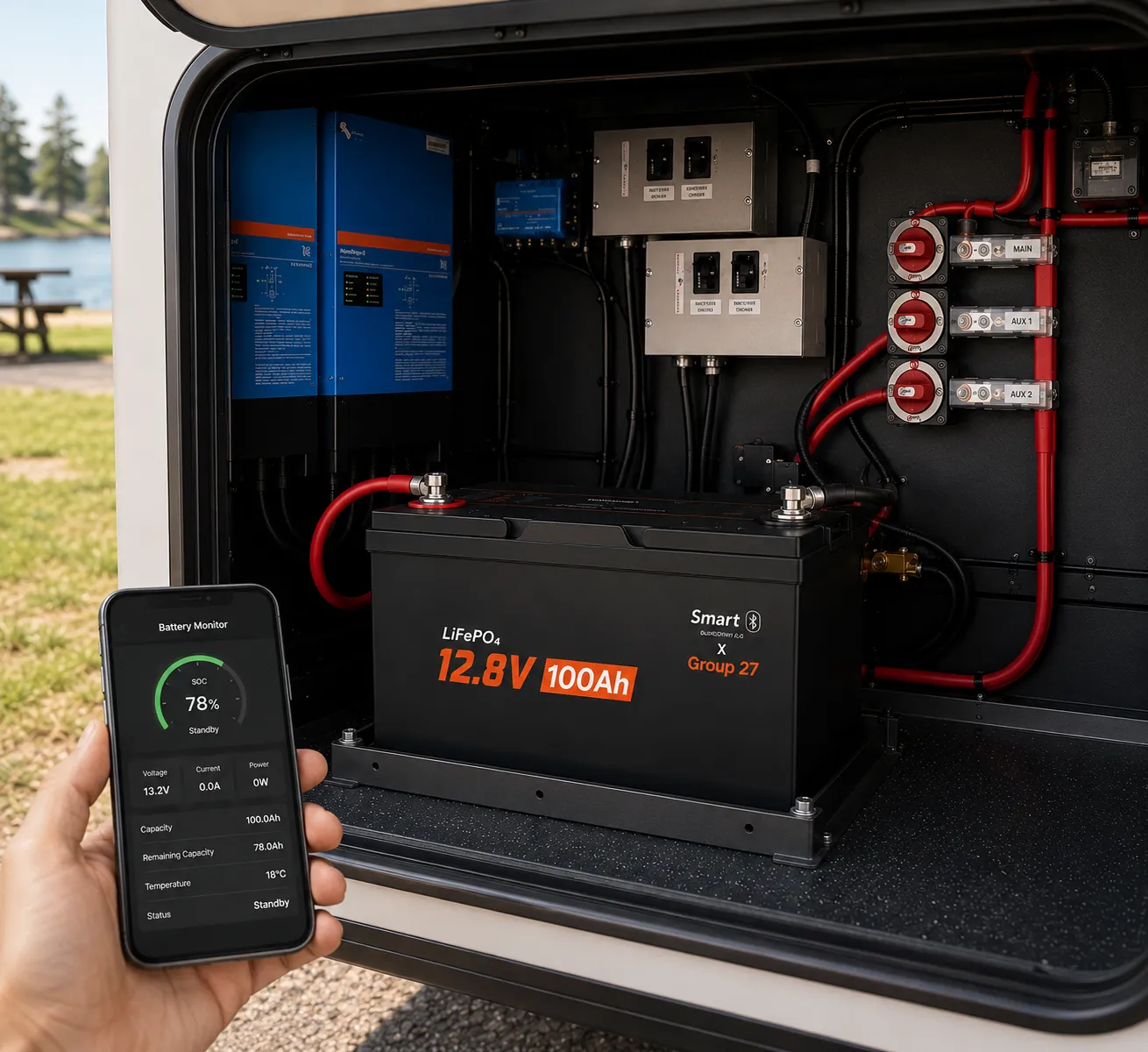
Bluetooth monitoring provides convenient access to battery status from a compatible mobile device. This is particularly useful when the battery is installed inside an RV electrical compartment, camper battery box or protected marine battery compartment.
Depending on the final battery monitoring configuration, available information may include:
The integrated 100A battery management system manages the battery during charging and discharging. It monitors electrical and temperature conditions and provides protection when operating conditions move outside programmed limits.
The battery supports up to 100A continuous charge current and 100A continuous discharge current, with maximum continuous output of approximately 1,280W. Peak-current requirements must be checked against the approved production specification before the battery is paired with a motor or inverter.
System design should still include correctly sized cables, fusing, disconnect protection and suitable charging equipment. The internal BMS should not be treated as a replacement for proper external circuit protection.
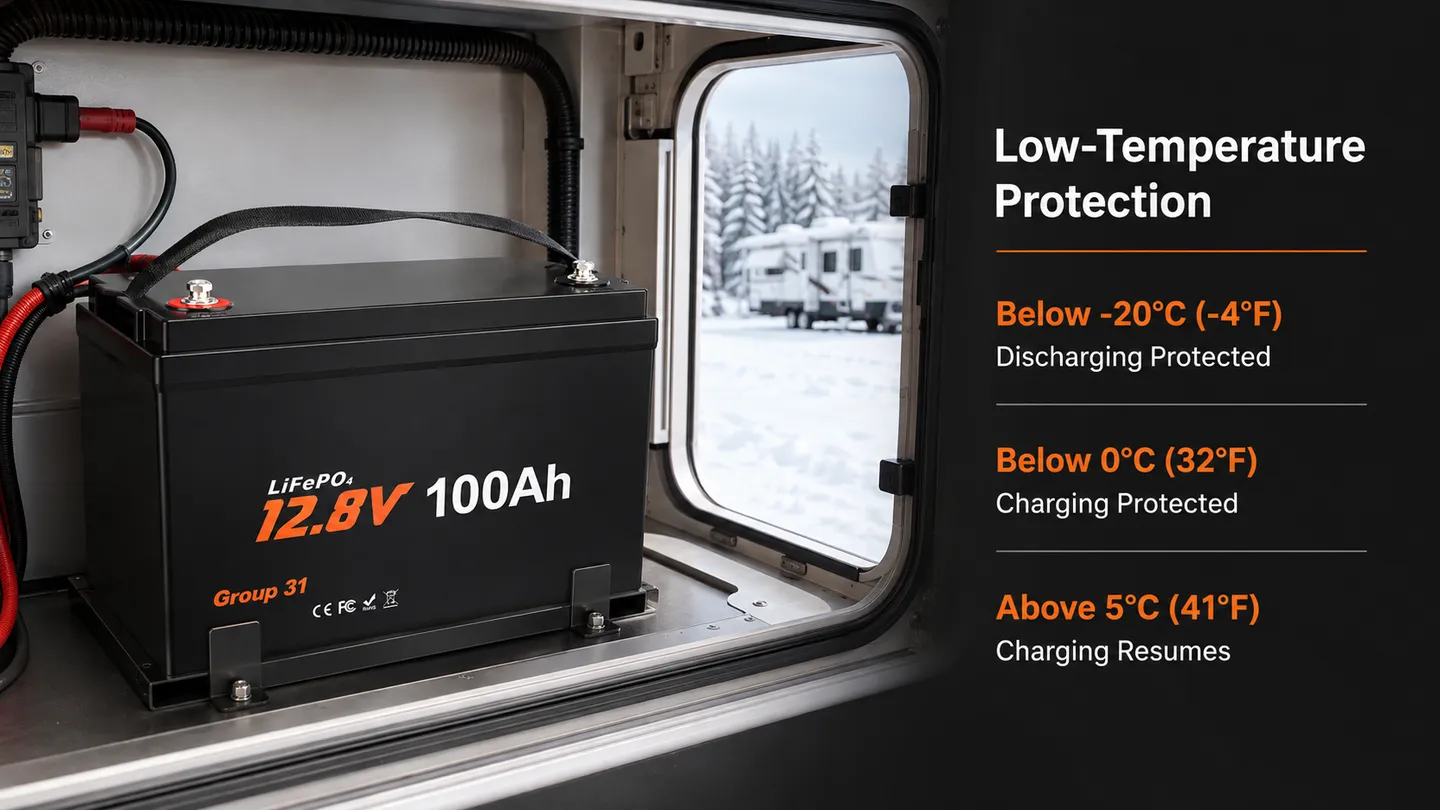
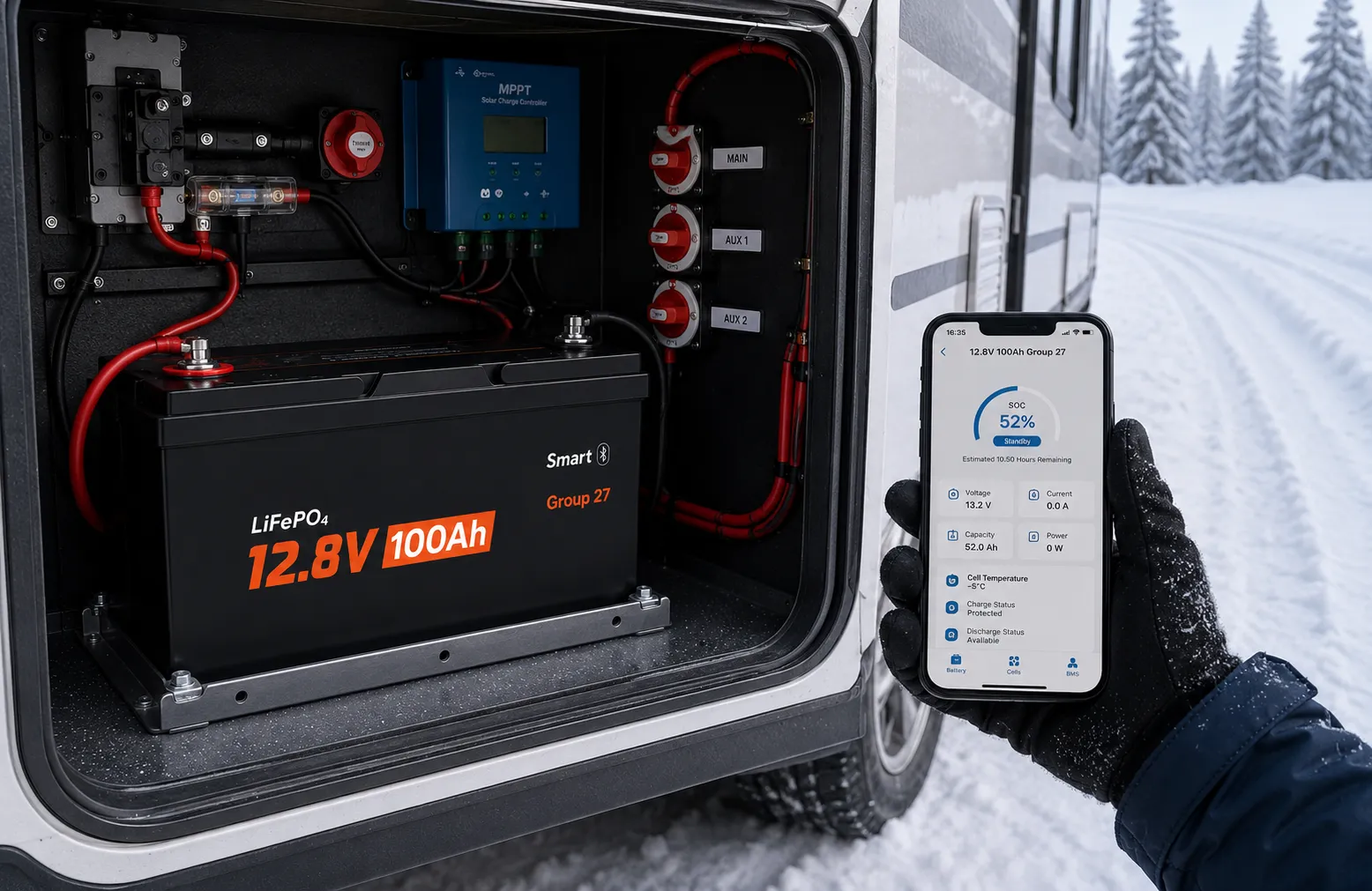
This battery includes low-temperature protection but does not include an internal self-heating system.
Charging is protected when cell temperature falls below approximately 0°C / 32°F. Charging can resume after cell temperature reaches approximately 5°C / 41°F, subject to the programmed BMS operating logic.
Discharge operation is specified down to approximately −20°C / −4°F. The battery should still be installed in a dry, protected compartment and operated within the specified temperature range.
The combination of a Group 27 case, 100Ah capacity, Bluetooth monitoring and a 100A Smart BMS makes this battery suitable for a range of compatible 12V deep-cycle applications.
In RV and camper systems, the battery can supply compatible 12V house loads such as lighting, control electronics, pumps, ventilation and inverter-supported appliances within the electrical limits of the installation.
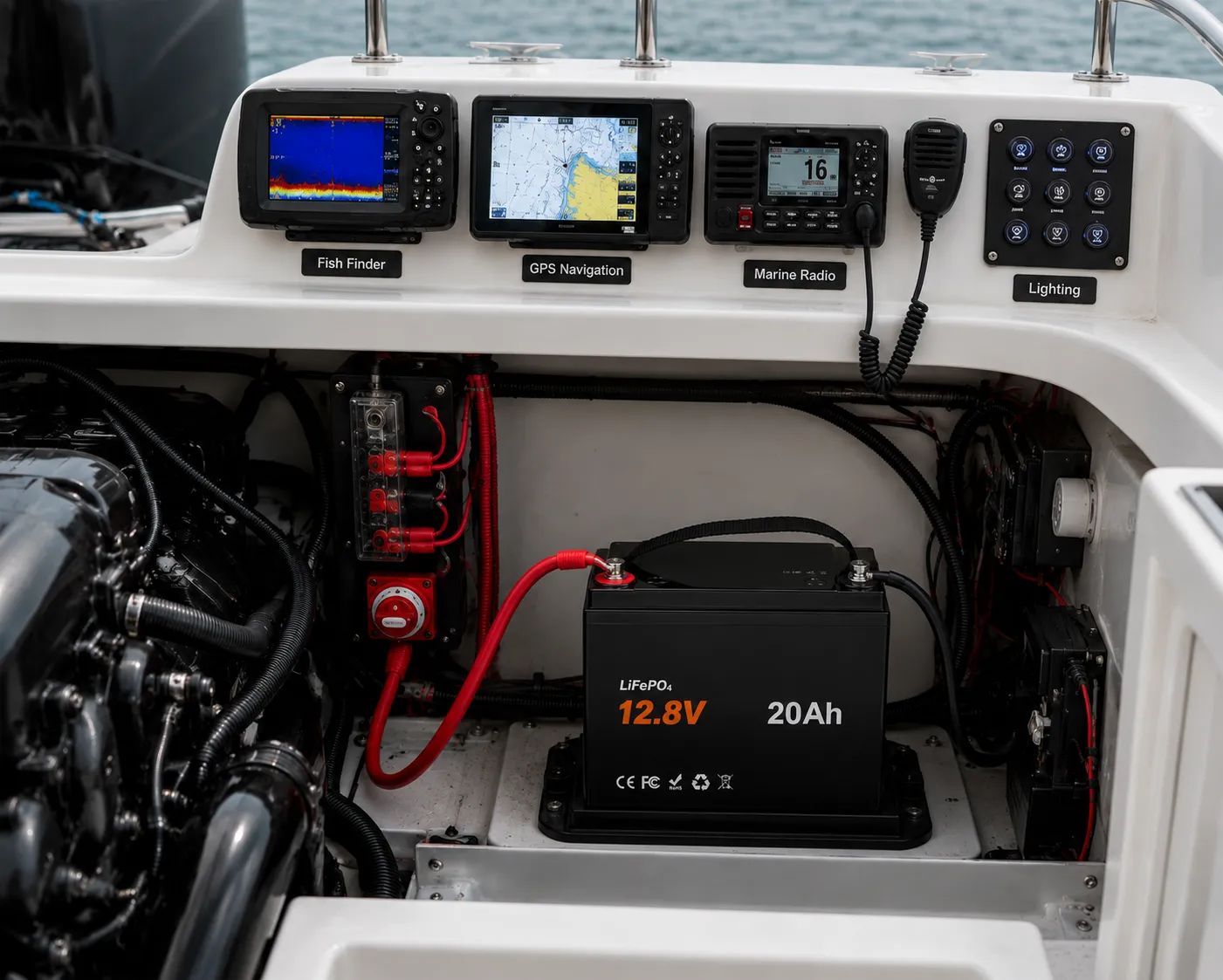
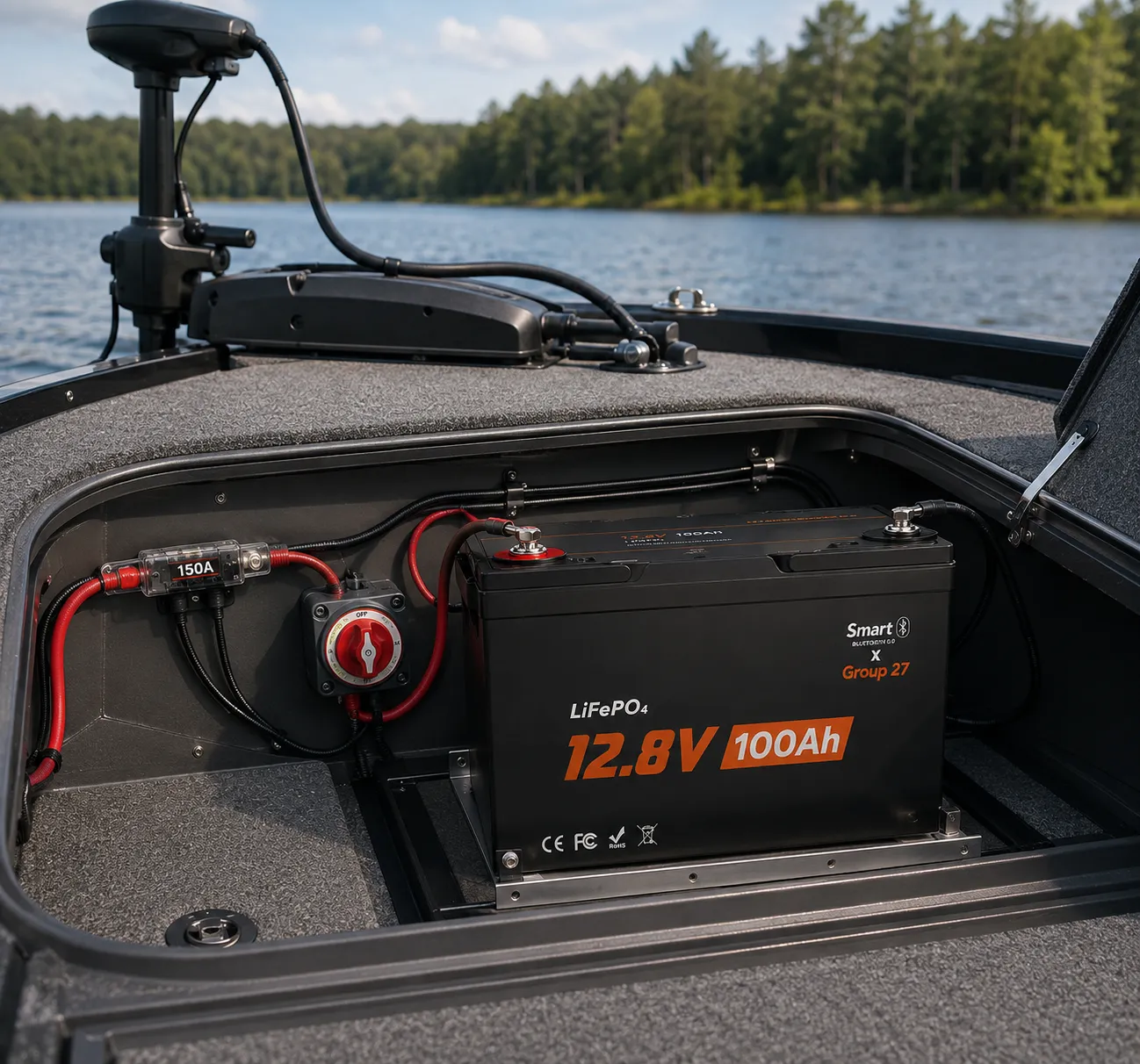
The battery can be used in compatible marine house-power and auxiliary systems when installed in a dry, protected battery compartment with appropriate fusing, disconnect protection, cable sizing and terminal protection.
For a 12V trolling motor system, battery selection should be based on the trolling motor's rated voltage, continuous current demand, peak current and required runtime. Confirm the motor manufacturer's electrical requirements before installation.
The specified charging method is CC/CV, with a charge voltage of approximately 14.4V ± 0.2V. The recommended standard charge current is approximately 20A.
Use the LiFePO4 battery system compatibility guide to check charger, inverter, solar controller, alternator charging, cable size and fuse protection as one complete system.
The battery platform supports approved series and parallel configurations up to the limits specified for the product. When building a multi-battery bank, use batteries of the same voltage, capacity, BMS configuration and similar production age.
Before connecting batteries in series or parallel, confirm final system voltage, cable size, fuse rating, busbar capacity, charger configuration and inverter requirements.
Do not mix batteries with different capacities, chemistries, BMS ratings or significantly different states of charge in the same battery bank.
| Parameter | Specification |
|---|---|
| Battery Chemistry | LiFePO4 |
| Nominal Voltage | 12.8V |
| Rated Capacity | 100Ah |
| Energy | 1,280Wh |
| Battery Format | Group 27 |
| Dimensions | Approx. 12.09 × 6.81 × 8.86 in |
| Weight | Approx. 22.85 lb |
| Battery Management System | 100A Smart BMS |
| Maximum Continuous Charge Current | 100A |
| Maximum Continuous Discharge Current | 100A |
| Maximum Continuous Output Power | 1,280W |
| Peak Discharge Current | Confirm according to approved production specification |
| Recommended Charge Current | 20A |
| Charge Method | CC/CV |
| Charge Voltage | 14.4V ± 0.2V |
| Bluetooth Monitoring | Supported |
| Low-Temperature Protection | Supported |
| Self-Heating | Not included |
| Charge Temperature | 0°C to 50°C / 32°F to 122°F |
| Discharge Temperature | −20°C to 60°C / −4°F to 140°F |
| Storage Temperature | −10°C to 50°C / 14°F to 122°F |
| Automatic Charge Protection | Below approx. 0°C / 32°F |
| Automatic Charging Recovery | Approx. 5°C / 41°F or above |
| Low-Temperature Discharge Protection | Approx. −20°C / −4°F |
| Internal Resistance | ≤40mΩ |
| Terminal Type | M8 bolts |
| Housing Material | ABS |
| Ingress Protection | IP65 |
Use the model-specific datasheet when confirming charging limits, dimensions, temperature range, Bluetooth functions and system compatibility.
Electrical specifications, charging limits, operating temperatures, dimensions, Bluetooth monitoring and installation checks.
View Group 27 Battery DatasheetCorrect installation is important for battery performance and system safety. The battery should be mounted securely in a dry, protected compartment with adequate terminal clearance and suitable cable routing.
Yes. This battery uses a Group 27 case format and measures approximately 12.09 × 6.81 × 8.86 inches. Measure the tray, total available height, terminal clearance and cable reach before ordering.
It can replace a compatible Group 27 AGM or flooded lead-acid deep-cycle battery when nominal voltage, tray dimensions, terminal position, charger profile, current demand, cable size and fuse protection are compatible.
It is suitable for compatible 12V RV house-power and camper-van systems that remain within the 100A continuous BMS limit.
The compatible mobile application may display state of charge, battery voltage, charge or discharge current, power, temperature and operating status.
Use a charger with a LiFePO4-compatible CC/CV profile. The reference charge voltage is 14.4V ± 0.2V and the recommended charge current is 20A.
Yes, when charging is controlled by compatible equipment. Use a properly configured MPPT controller for solar charging and a suitable DC-to-DC charger where alternator output requires regulation.
No. This model does not include internal self-heating. The BMS pauses charging below approximately 0°C / 32°F and allows charging to recover after the cells reach approximately 5°C / 41°F.
It can be evaluated for a compatible 12V trolling motor when normal current, maximum current and required runtime remain within approved battery limits.
Only when the supplied battery model and BMS are approved for the required arrangement. Use matched batteries and follow the controlled product documentation for connection limits and protection requirements.
Need a 12V Group 27 Battery for Your Project?
Send the application, battery compartment dimensions, expected continuous and peak current, charging equipment and operating environment. The electrical configuration can then be reviewed before quotation or sample evaluation.
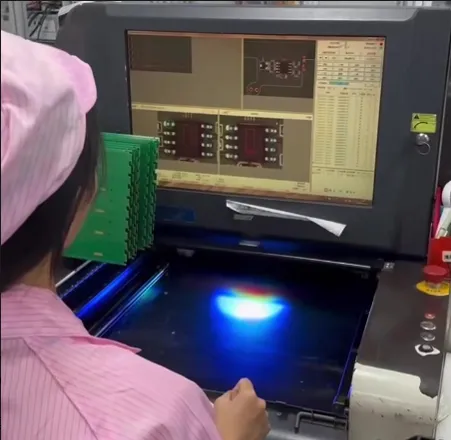
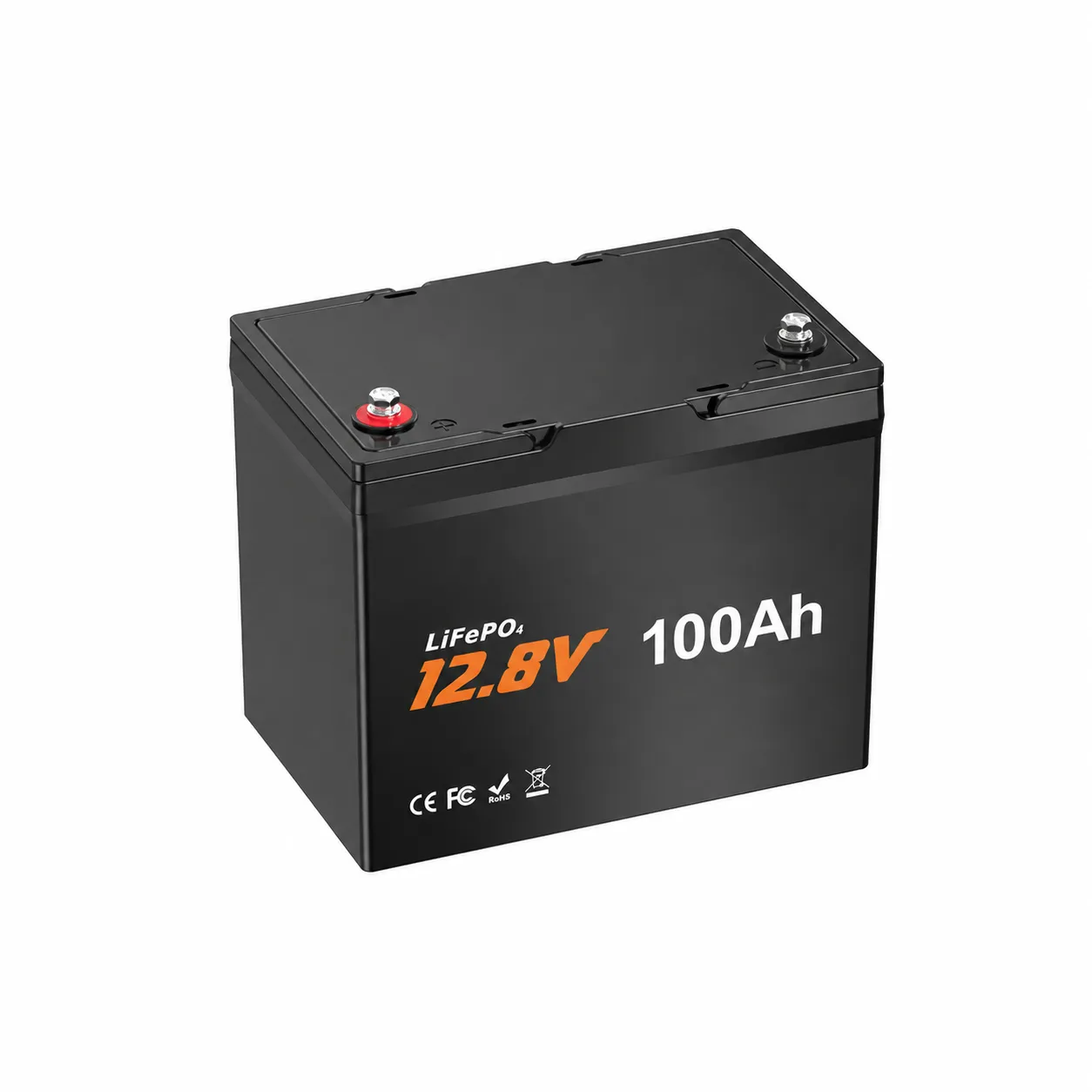
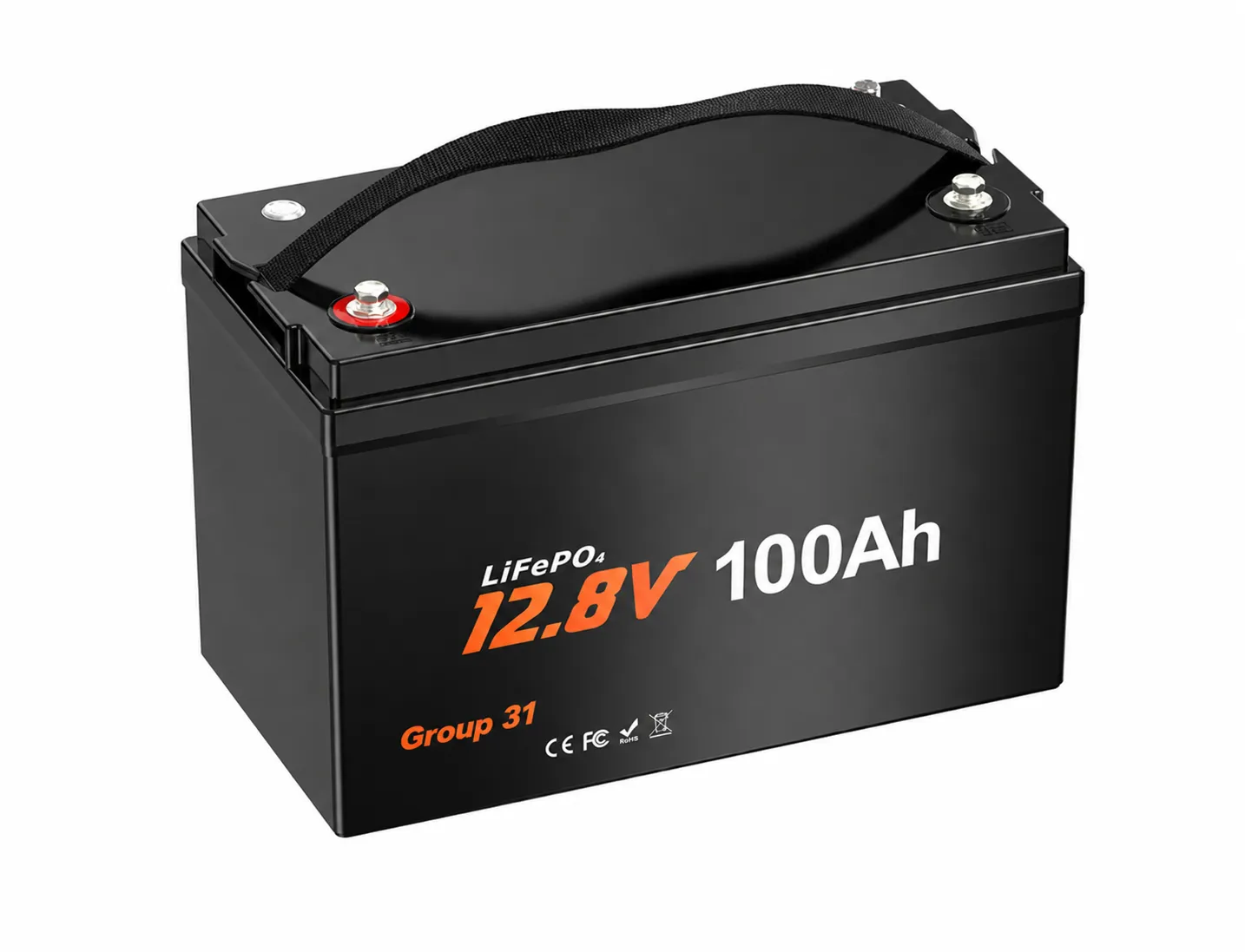
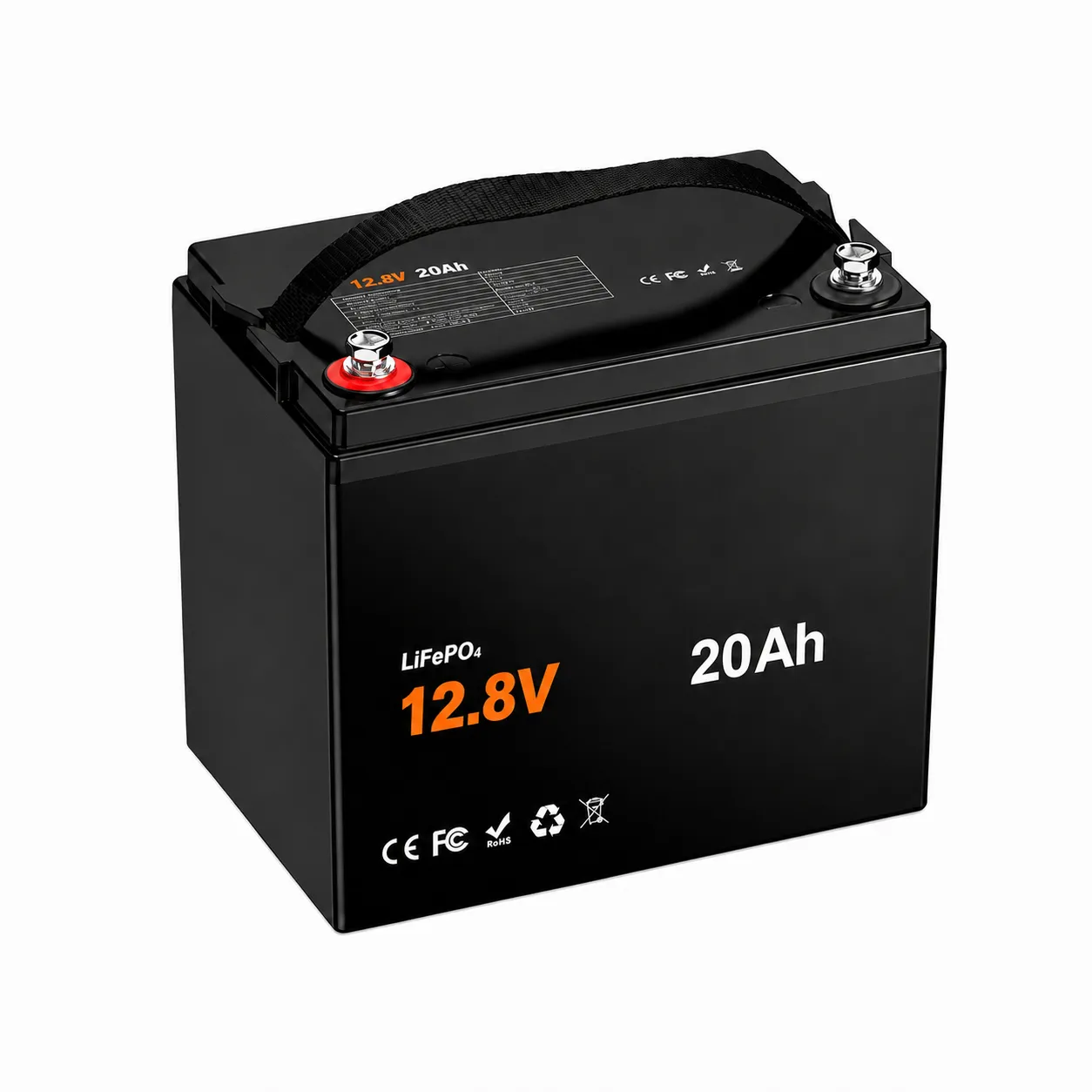
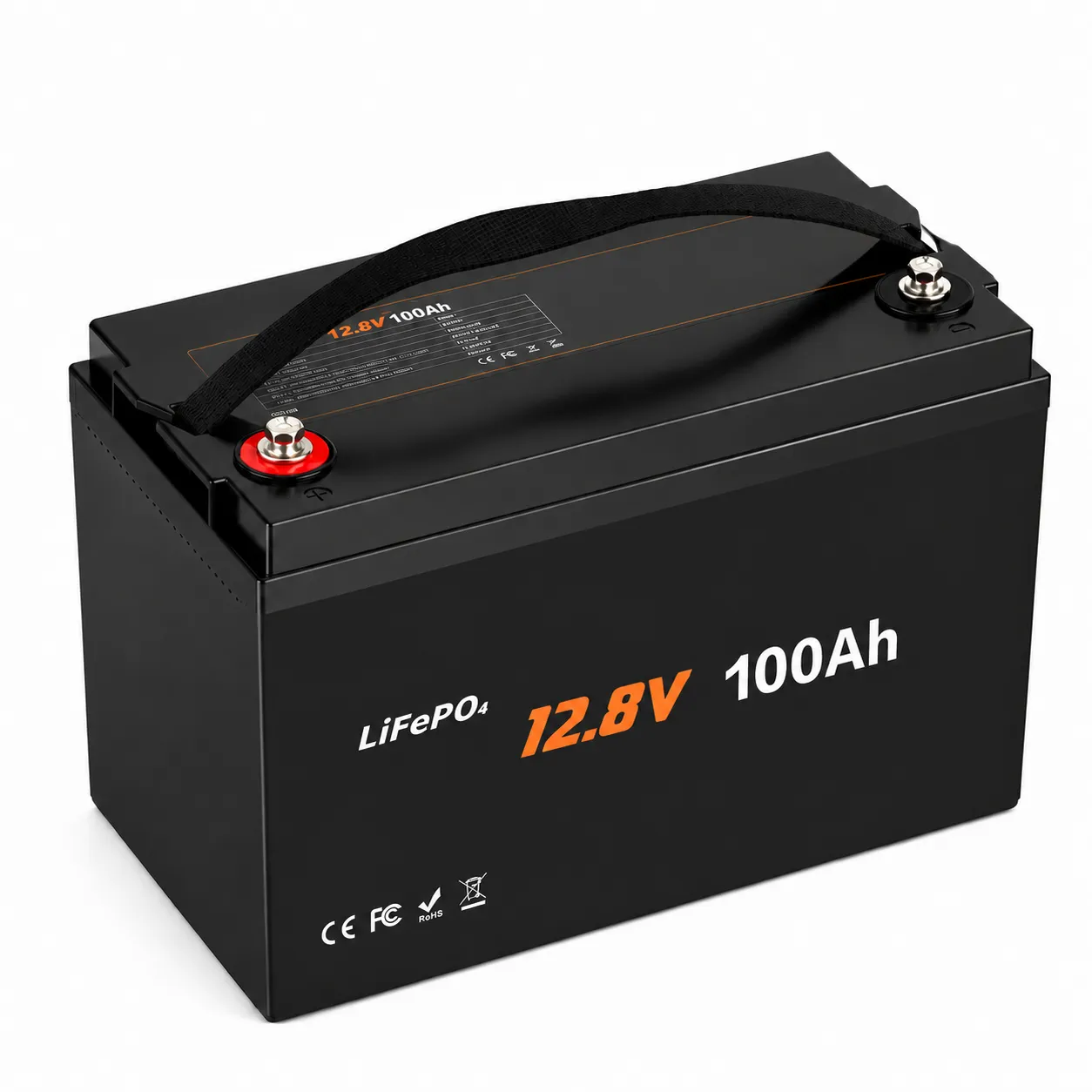
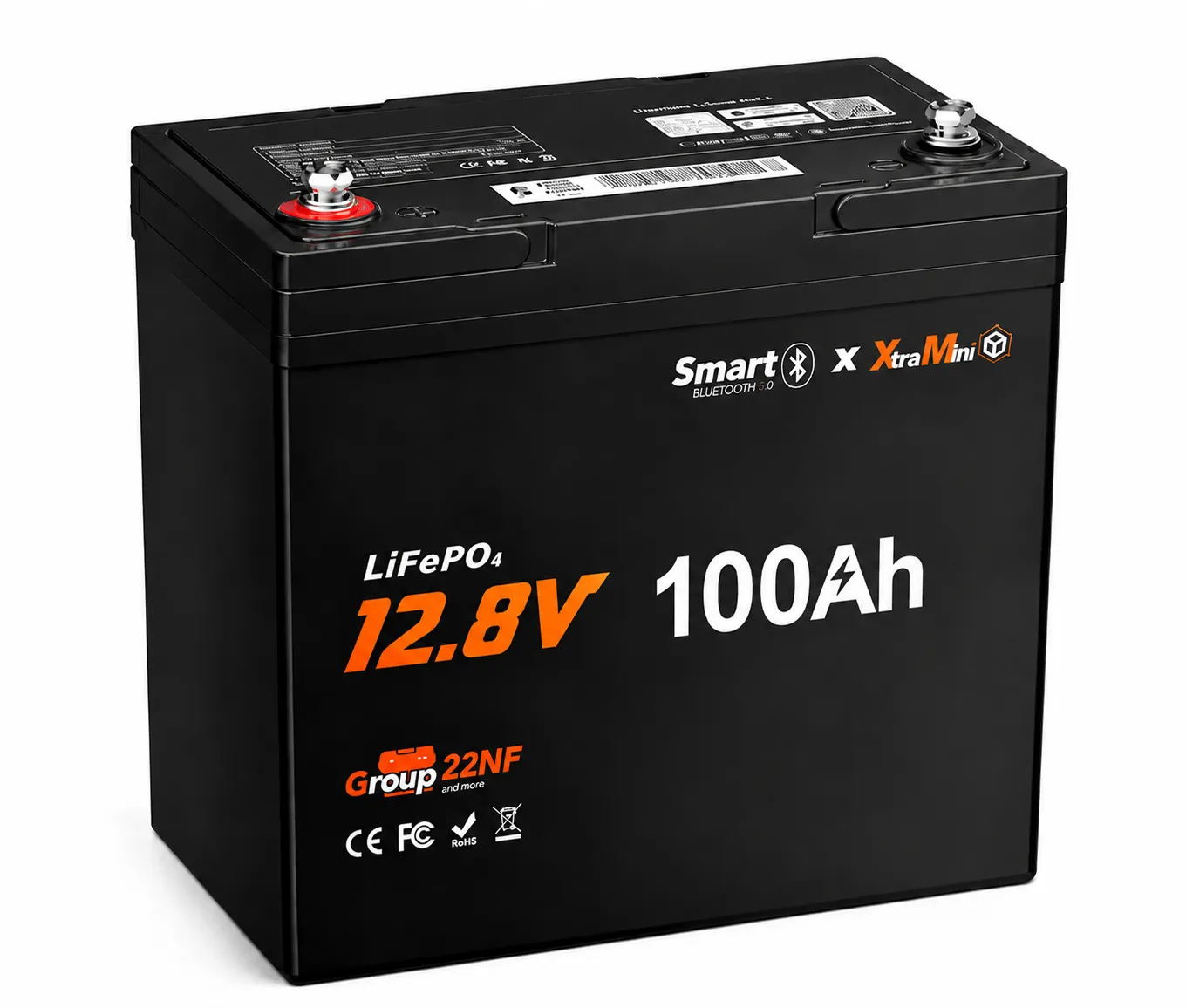
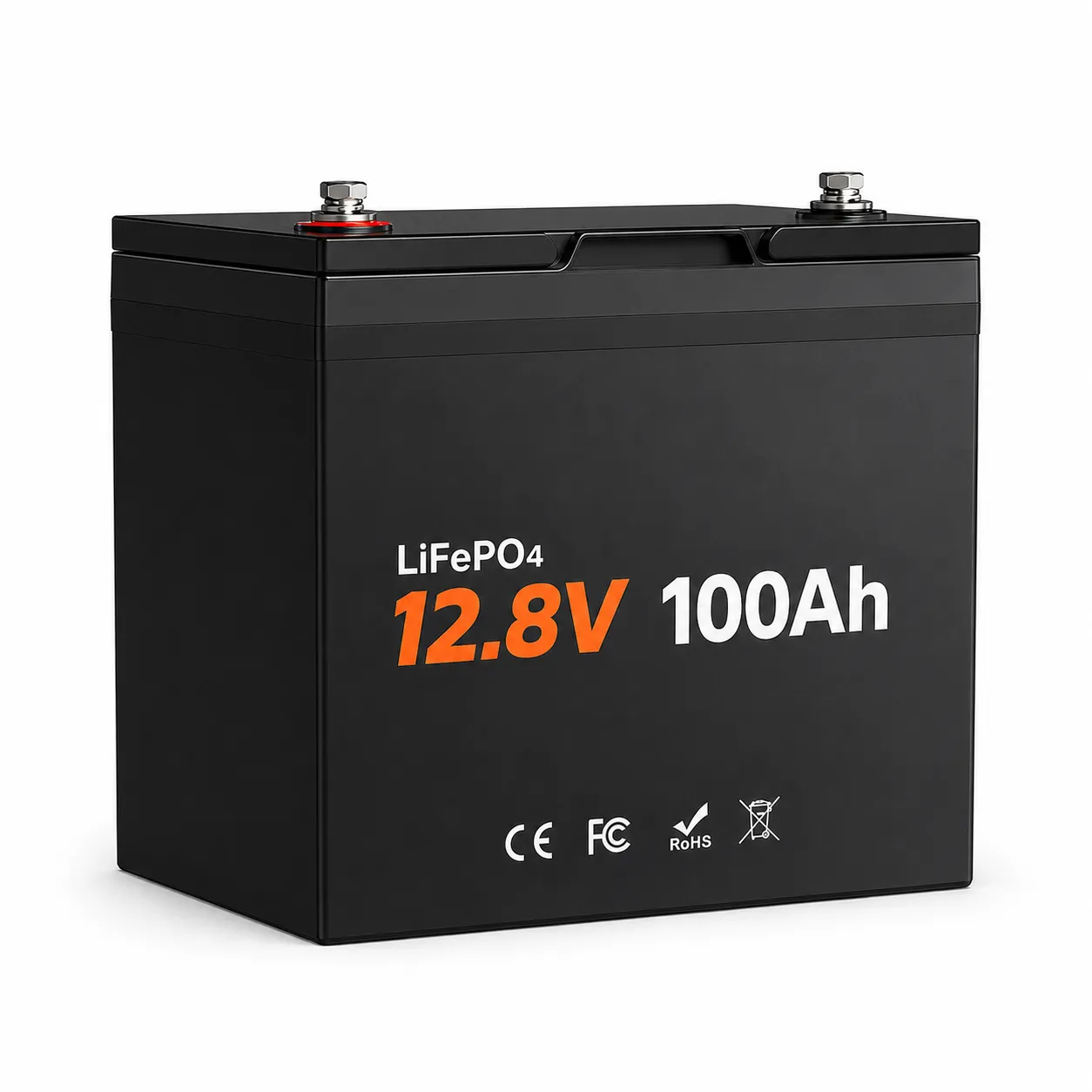
Many LiFePO4 batteries can replace compatible lead-acid deep-cycle batteries in RVs, boats, golf carts and industrial equipment. Before installation, confirm the system voltage, battery dimensions, terminal layout, charger profile, maximum load, cable size, fuse rating and operating temperature.
Most LiFePO4 batteries are compatible with standard 12V, 24V, 36V or 48V inverters when the system voltage and power requirements match. Many modern chargers also include a LiFePO4 charging profile. For lead-acid replacement projects, confirm the charger voltage, inverter rating and maximum load before installation. A compatible charger or DC-to-DC charger may be required if the existing charging equipment does not support LiFePO4 batteries.
Yes. OEM and custom battery support can include voltage, capacity, BMS settings, enclosures, terminals, connectors, communication protocols, labels and packaging. Send us the application, electrical requirements, installation dimensions and expected order quantity for review.
MOQ depends on the battery model, specification and customization requirements. Standard models may be available for sample testing, while custom enclosures, private labels and OEM production normally require a confirmed order quantity. Contact us with the model and required quantity for details.
Available certifications and documents depend on the battery model and destination market. Supporting documents may include UN38.3, MSDS, CE, RoHS and product test reports. Confirm the required documents and target market before placing an order.
Lead time depends on the battery model, order quantity, customization and testing requirements. Export shipping options are arranged according to the battery specification, destination and order volume. Send us the required quantity, delivery location and target schedule for a project-specific quotation.