Group 24, Group 27 and Group 31 are common battery case-size categories used in RVs, boats, camper vans and other deep-cycle power systems. The main difference is physical size: Group 24 is generally the most compact, Group 27 provides more case volume, and Group 31 is typically used where a larger battery compartment and higher-capacity system are available.
When replacing an AGM or lead-acid battery with LiFePO4, do not choose by group number alone. Battery-compartment dimensions, terminal clearance, BMS current, charging equipment, inverter demand and application requirements must all be checked before installation.
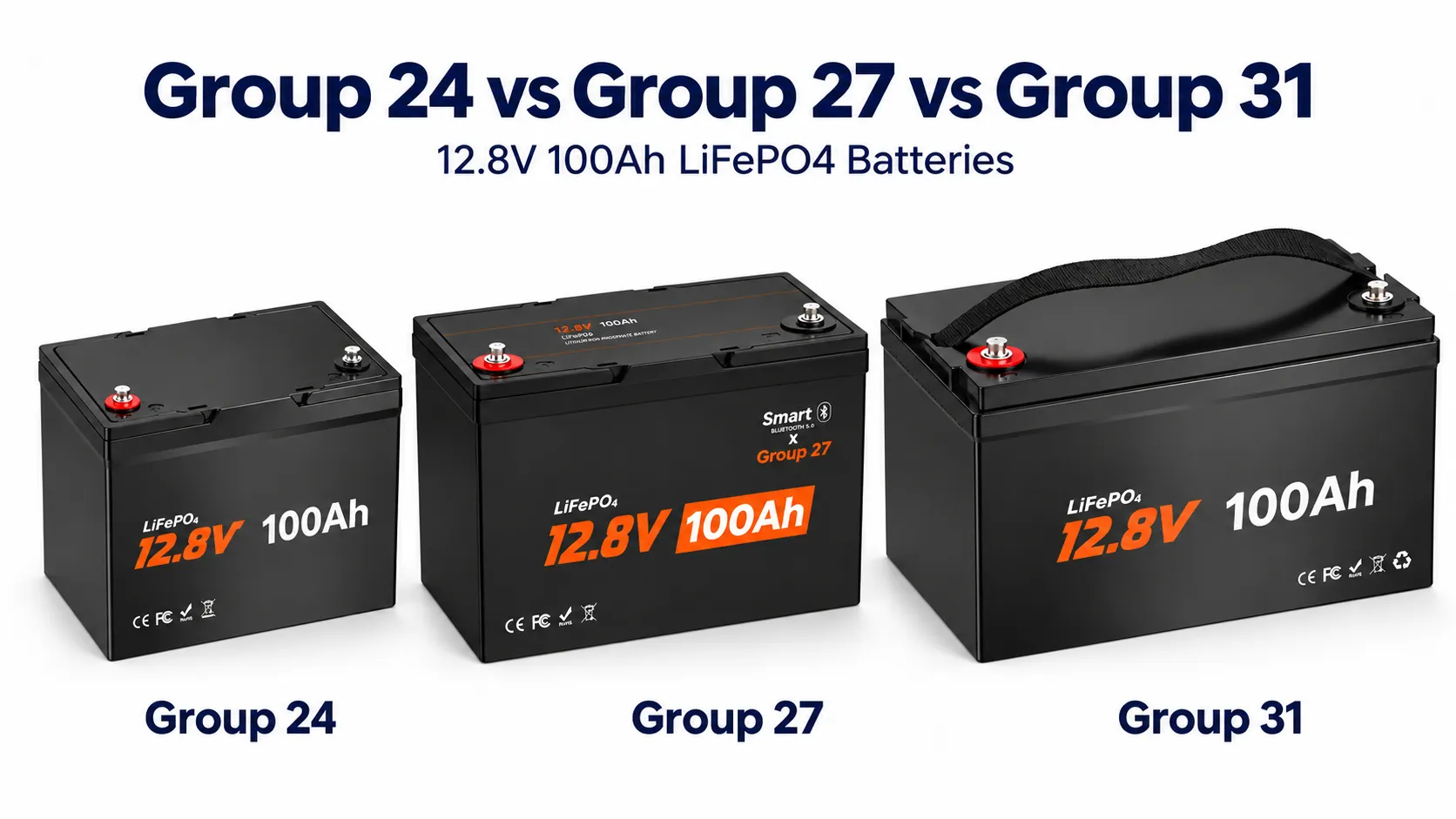
| Feature | Group 24 | Group 27 | Group 31 |
|---|---|---|---|
| Relative case size | Compact | Medium | Large |
| Typical use | Compact RV, camper van, marine house power | RV, marine, solar and auxiliary power | RV, marine, trolling motor and larger deep-cycle systems |
| Space requirement | Lowest | Medium | Highest |
| Best choice when | Battery compartment is limited | More installation space is available | Larger case size or higher system demand is required |
| Lead-acid replacement | Possible after fitment and charging checks | Possible after fitment and charging checks | Possible after fitment and charging checks |
Battery group numbers describe a general physical case category. Exact dimensions, terminal position and electrical specifications can vary by battery model, so always verify the actual product drawing before ordering.
Battery group size primarily describes the physical case format rather than battery chemistry or usable energy. A Group 24 AGM battery and a Group 24 LiFePO4 battery may fit a similar installation space, but their weight, usable capacity, charging profile, BMS limits and electrical behavior can be very different.
For a lithium upgrade, the correct group size is the one that physically fits the battery compartment while also meeting the electrical requirements of the RV, marine or off-grid system.
Group 24 is a strong option when installation space is limited. It is commonly used in RV battery compartments, camper vans, travel trailers, marine house-power systems and compact off-grid installations.
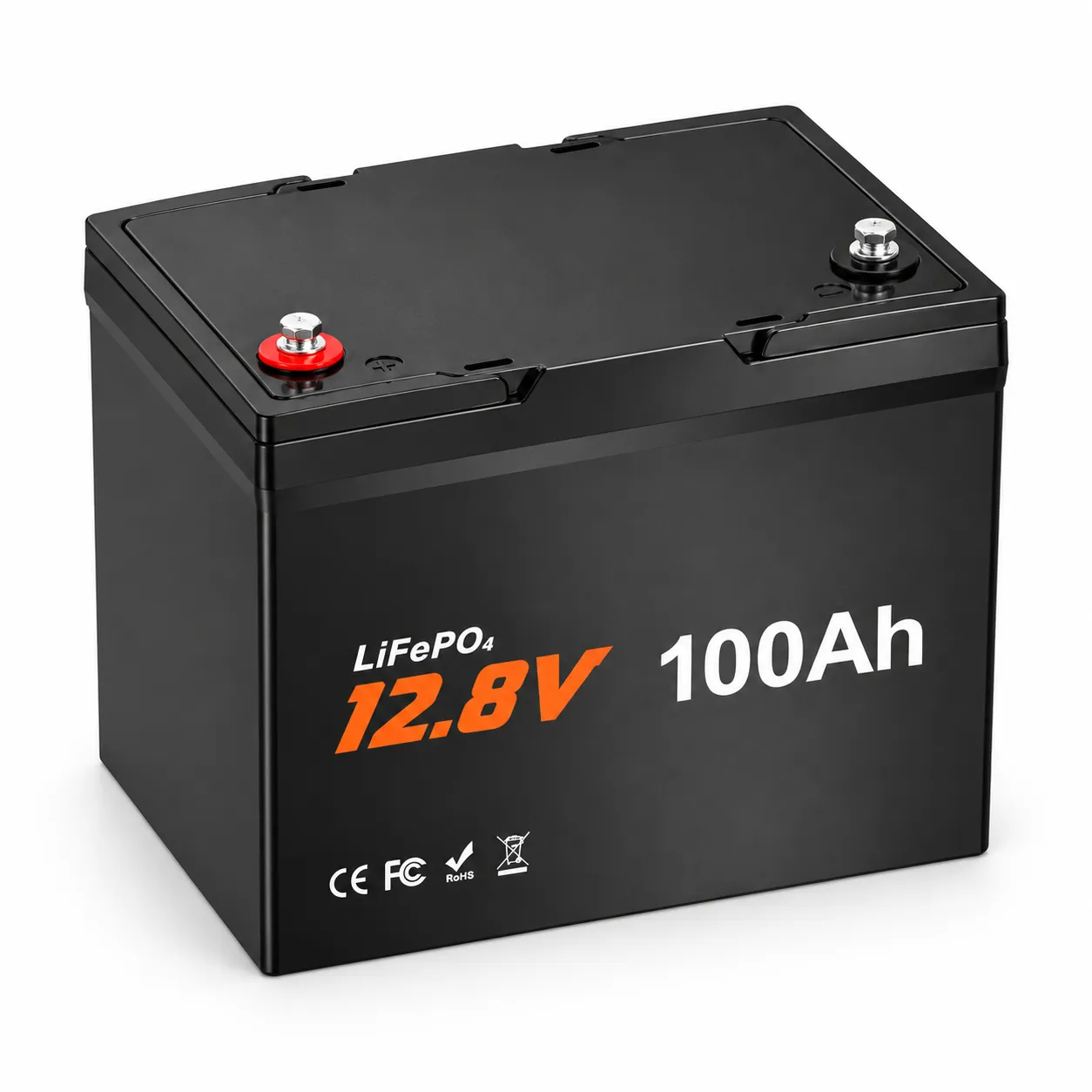
A compact Group 24 LiFePO4 battery can provide significantly more usable energy than a similarly sized lead-acid battery because lithium batteries can generally operate over a larger usable state-of-charge range.
View 12V 100Ah Group 24 LiFePO4 BatteryGroup 27 batteries use a larger case than Group 24 and are often selected when the battery compartment provides additional space. They are common in RVs, boats, solar systems and auxiliary deep-cycle applications.
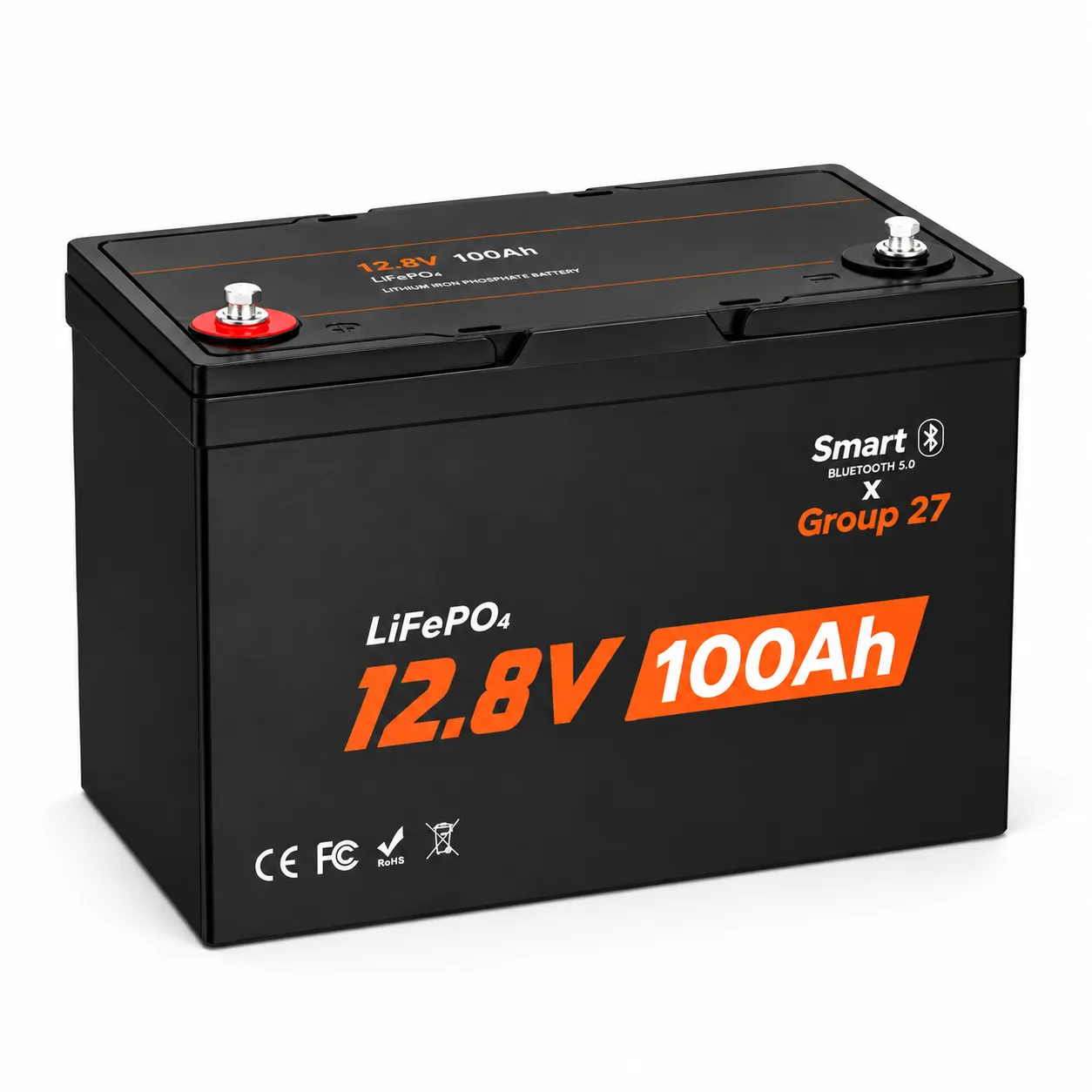
Group 27 can be a useful middle ground for installers who need more case volume than Group 24 but do not require the larger Group 31 format.
View 12V 100Ah Group 27 LiFePO4 BatteryGroup 31 is the largest of these three common battery case categories and is widely used in marine, RV, trolling-motor and high-demand deep-cycle applications.
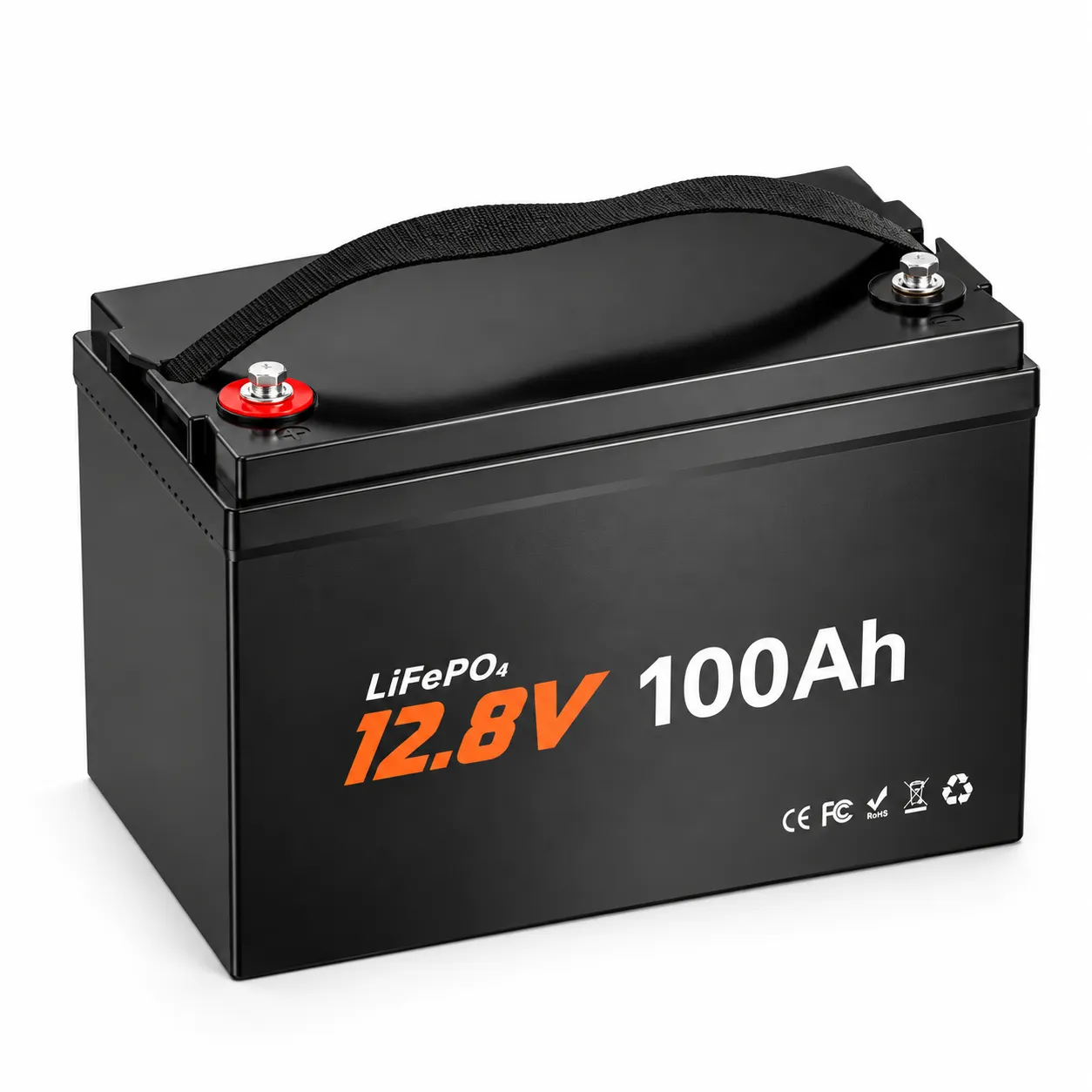
Choose Group 31 when the installation provides sufficient physical space and when the application benefits from a larger battery format, higher-capacity options or greater electrical demand.
The main difference between Group 24 and Group 27 is physical size. Group 24 is better suited to compact battery compartments, while Group 27 provides more case volume when additional installation space is available. If both formats meet the electrical requirements of the system, the available battery-compartment space is often the deciding factor.
Group 31 requires more installation space than Group 27 and is commonly used in systems with larger battery compartments or higher power requirements. Group 27 is often easier to install in medium-size RV and marine compartments, while Group 31 is frequently selected for larger deep-cycle systems.
There is no single best battery group size for every RV. Group 24 is attractive for compact installations, Group 27 works well when additional battery-box space is available, and Group 31 is suitable for larger RV electrical systems.
Before choosing an RV lithium battery, calculate daily energy consumption, inverter power, charging current and available installation space. Battery capacity and BMS current are more important to system performance than group size alone.
See our RV lithium battery solutions for application-specific guidance.
Group 24 and Group 27 batteries are commonly used for compact marine house-power systems, while Group 31 is widely used for larger auxiliary loads and compatible trolling-motor applications.
Marine installations should also consider enclosure protection, cable length, fuse protection, vibration, charging sources and whether the battery is being used for deep-cycle power or engine starting.
See our marine lithium battery solutions .
Yes, in many deep-cycle applications, but a physical fit does not automatically mean the electrical system is compatible.
Before replacing an AGM or flooded lead-acid battery, verify:
Read the Lead-Acid to LiFePO4 Replacement Guide before planning a conversion.
Yes. Group 31 is generally a larger battery case category than Group 27 and normally requires more installation space.
Yes. Group 27 generally uses a larger case than Group 24, although exact product dimensions should always be checked.
Yes. Group 31 is generally a larger case category than Group 24 and usually requires a larger battery compartment.
No. Battery group size mainly describes the physical case. Capacity, energy, BMS current and performance depend on the individual battery design.
Only if the larger battery physically fits and the charging system, cables, fuse, BMS current and terminal arrangement are compatible.
Yes, if the Group 31 battery fits the available compartment and the electrical system is compatible. Always check dimensions, terminals, charger settings and required current before changing case size.
The best size depends on the RV battery compartment and electrical system. Group 24 is useful for compact installations, Group 27 offers a middle-size format, and Group 31 is better suited to larger battery compartments.
Group 31 is commonly used in compatible trolling-motor applications because the larger case format is well suited to deep-cycle marine systems. Voltage, current and runtime requirements still need to be checked for the specific motor.
No. The group number mainly refers to the physical case category. Always check the actual Ah capacity, Wh energy, BMS current and battery specifications separately.
Still Not Sure Whether You Need Group 24, Group 27 or Group 31?
Measure your available battery compartment and send us the required voltage, Ah capacity, inverter power, charging method and application. The battery format can then be matched to the available space and electrical requirements.