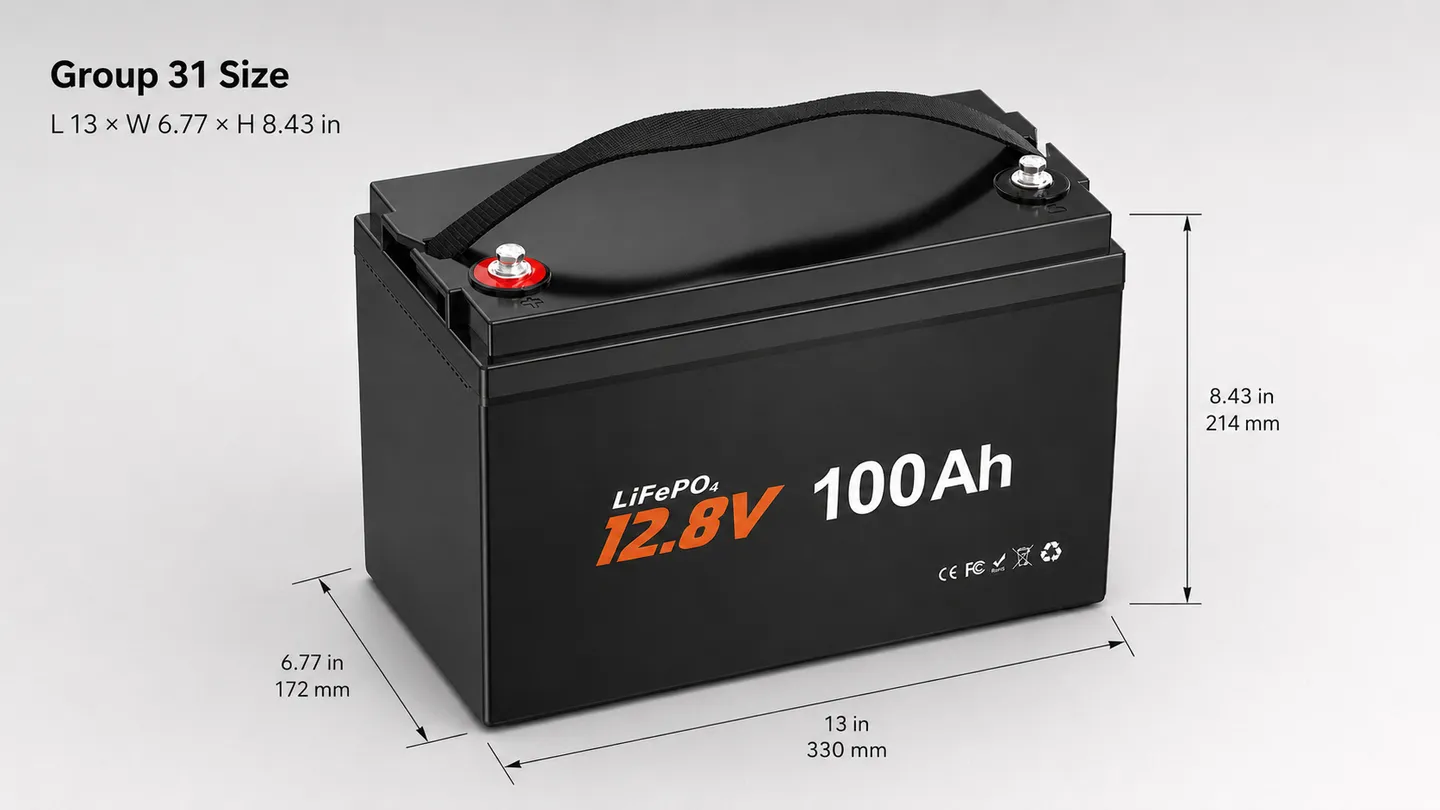
12V 100Ah Group 31 LiFePO4 Battery for Trolling Motors
$169.00
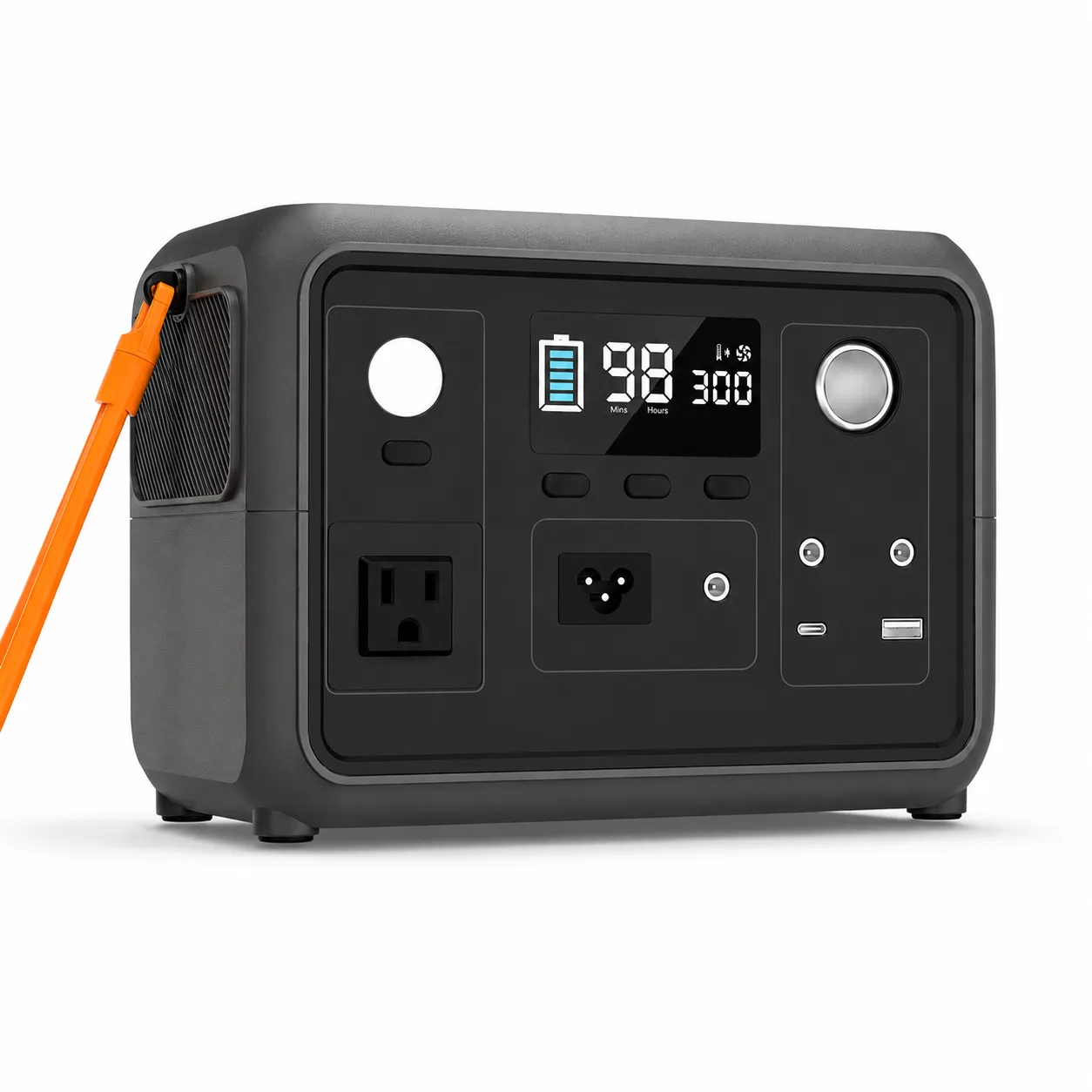
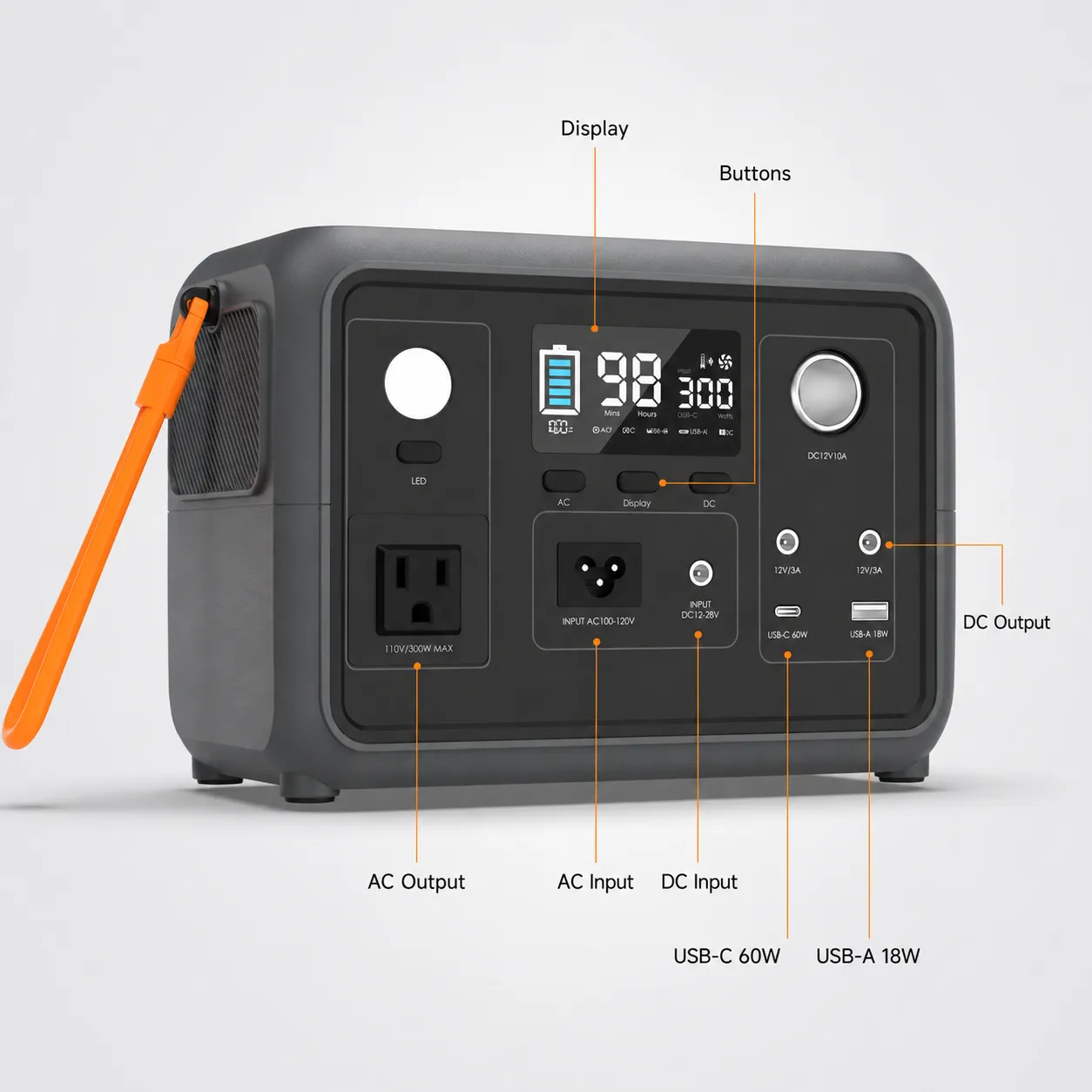
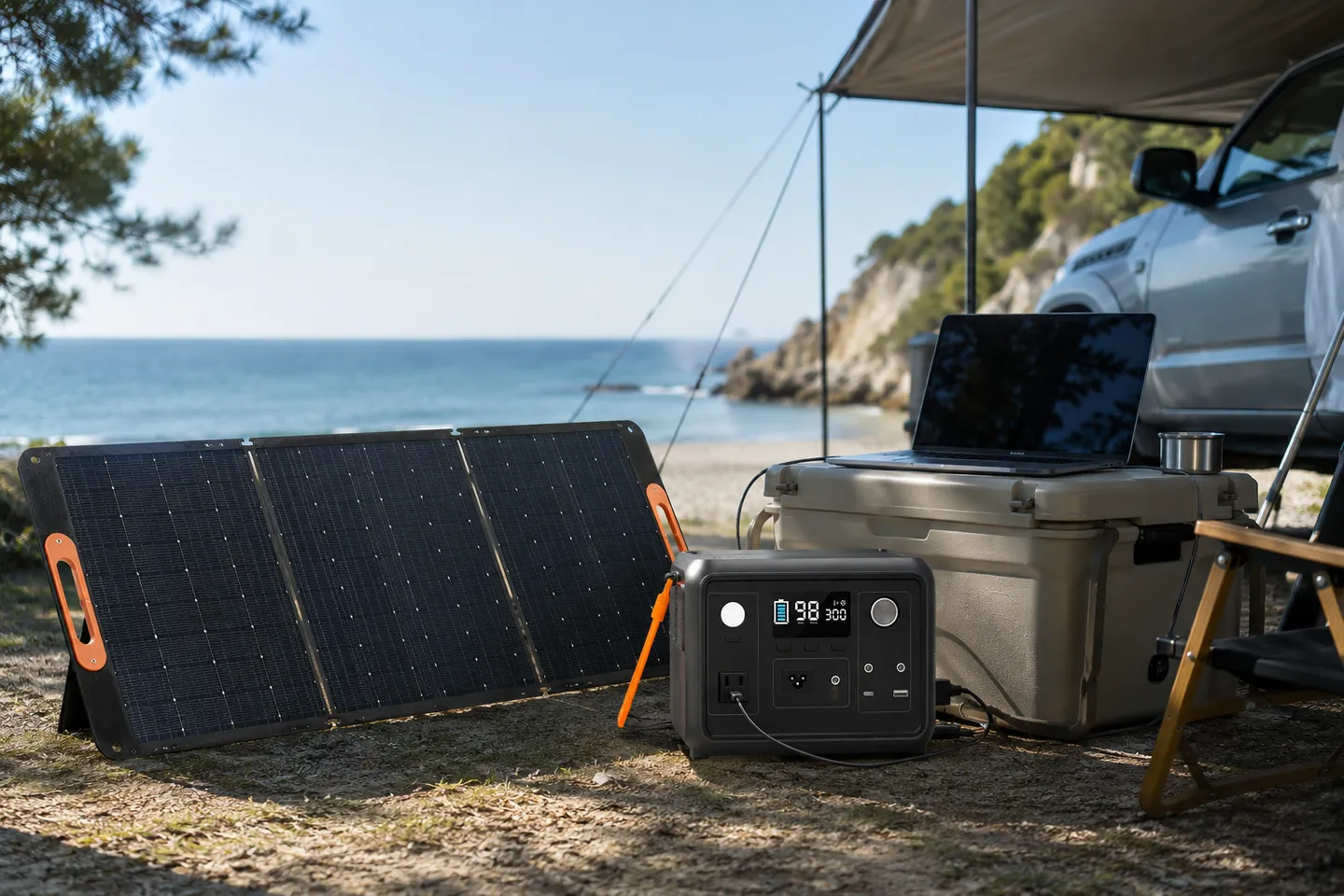
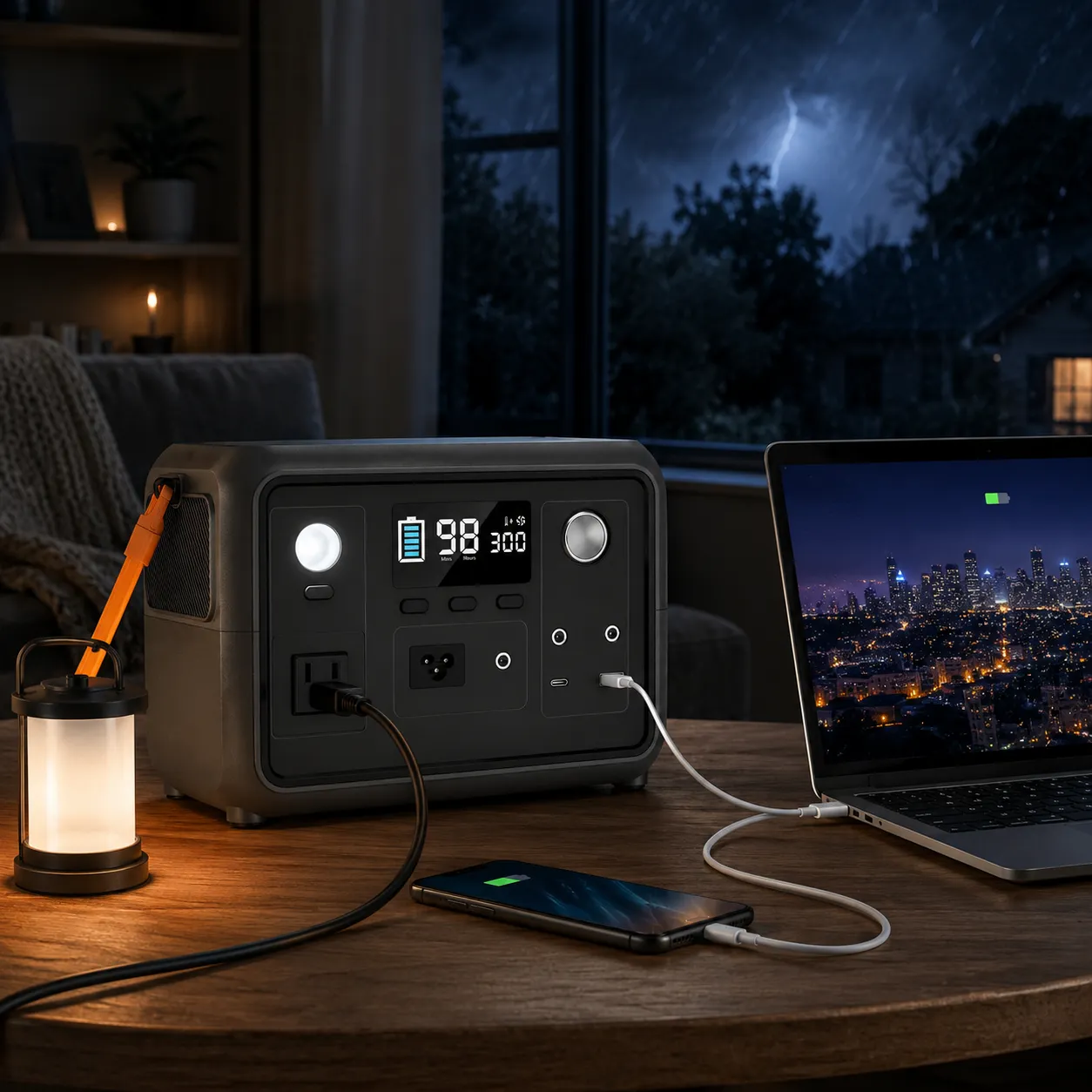
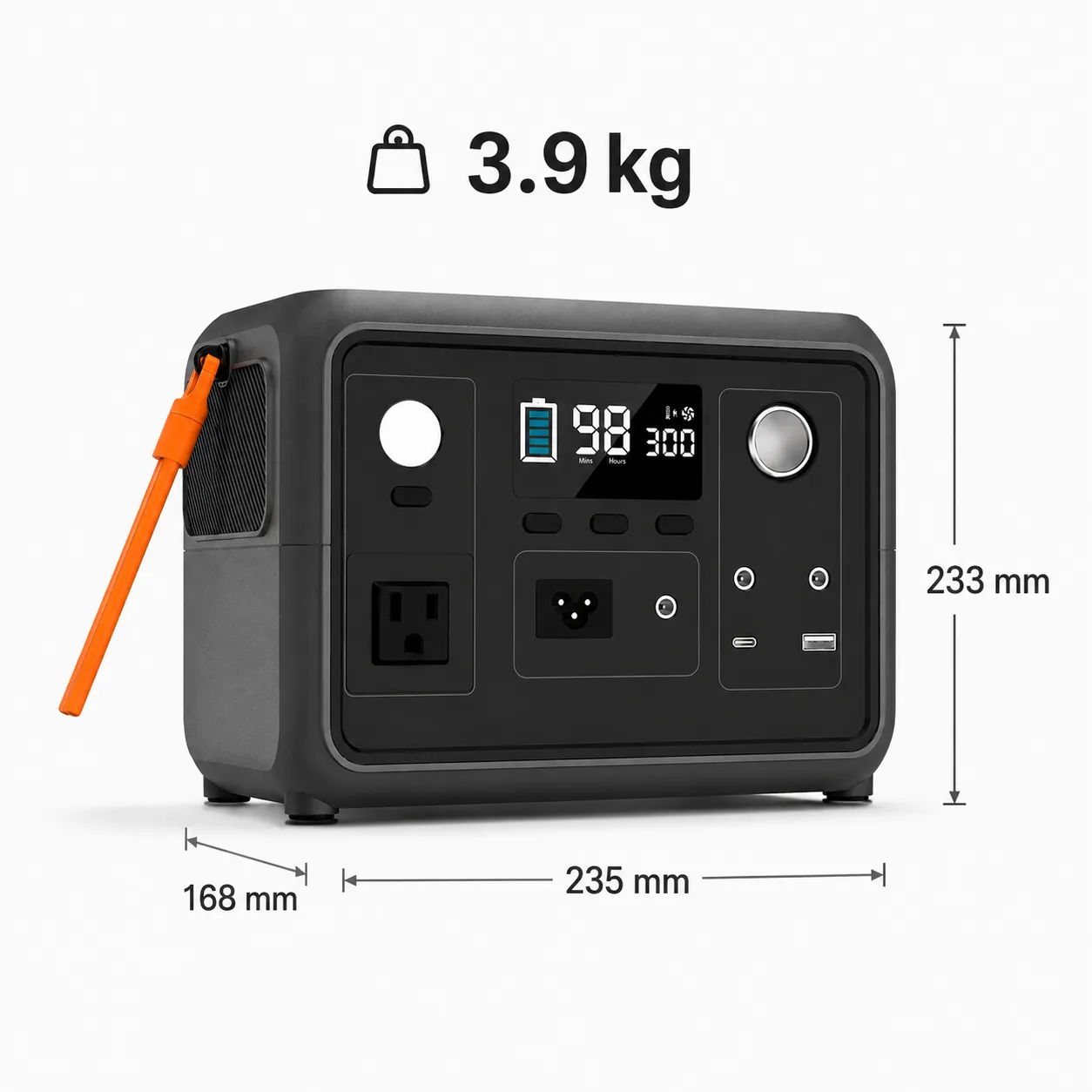
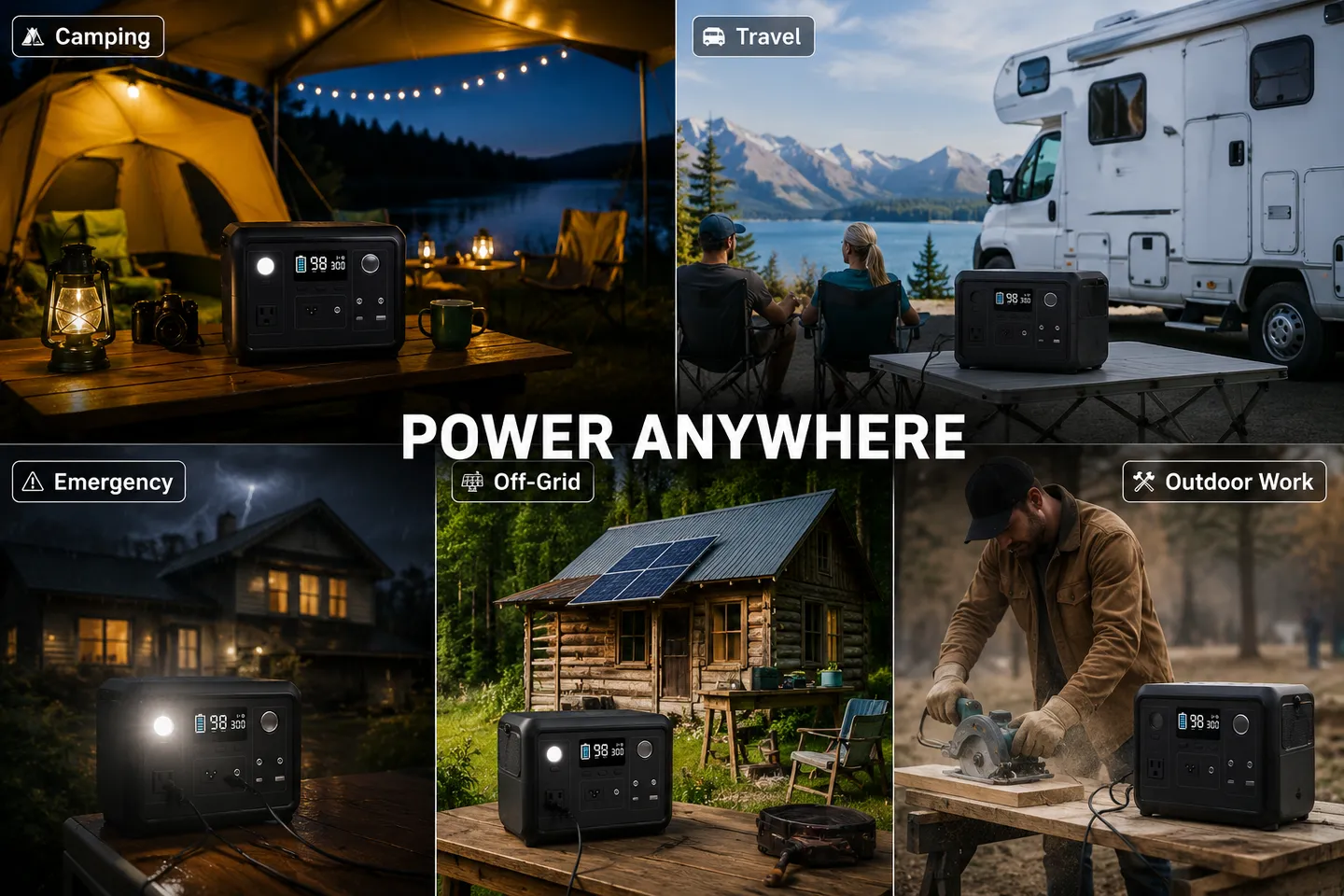
This 300W 256Wh LiFePO4 Portable Power Station is a compact power solution for camping, road trips, outdoor work, emergency backup and everyday mobile charging. It combines a 256Wh LiFePO4 battery with a 300W pure sine wave AC inverter and up to 600W peak output.
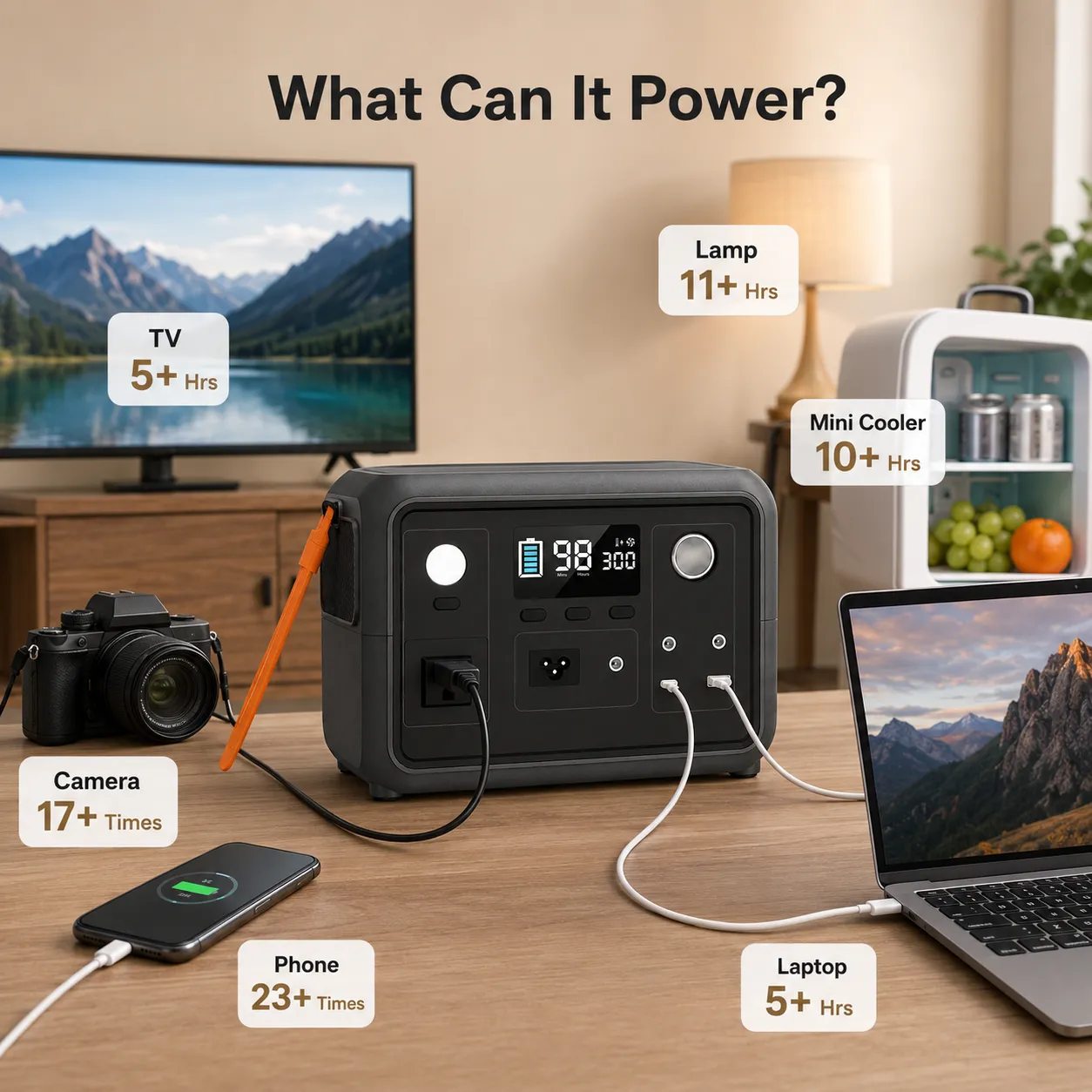
Use it to charge or power compatible laptops, phones, cameras, Wi-Fi routers, LED lights, small TVs, portable coolers and other low-power electronics. Multiple AC, USB and DC outputs make it easy to keep different devices powered from one portable unit.
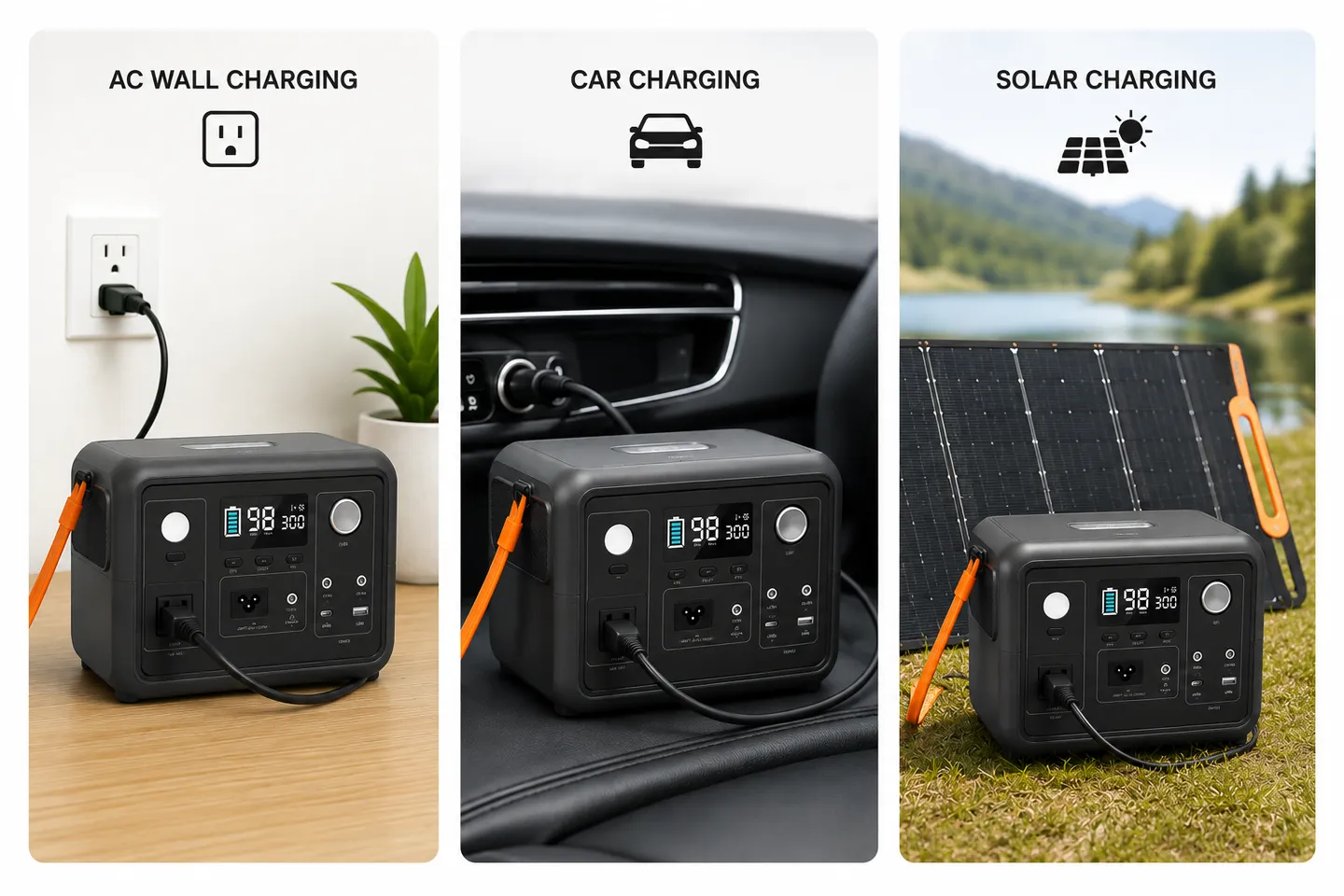
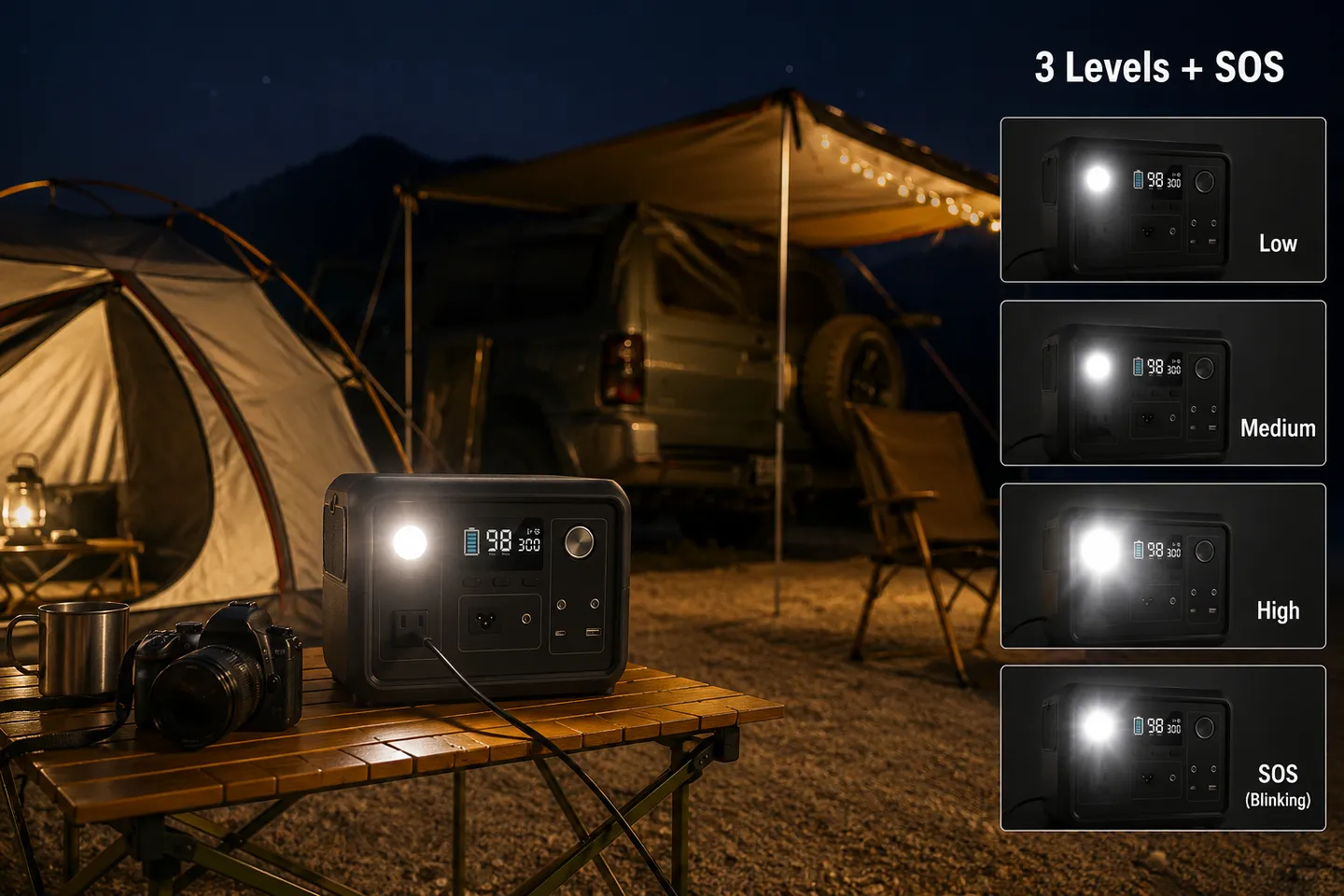
For flexible charging at home or away from the grid, the power station supports AC wall charging, car charging and solar charging. It also includes a UPS function and a built-in LED emergency light with three brightness levels and SOS mode.
| Battery | 256Wh / 80,000mAh LiFePO4 | AC Output | 300W Rated / 600W Peak |
| Waveform | Pure Sine Wave | USB Fast Charging | PD 60W + QC 18W |
| Solar Input | 12–28V / 7A, 80W Max | AC Charging | Approx. 3.5–4 Hours |
| AC Versions | 110V / 230V | Weight | Approx. 3.9 kg |
At the center of this portable power station is a 256Wh LiFePO4 battery. LiFePO4 battery technology is widely used in portable energy storage because of its thermal stability and suitability for repeated charging and discharging.
The 256Wh capacity makes this unit a practical choice when you need something easier to carry than a large power station but still want stored energy for essential electronics while camping, travelling, working outdoors or dealing with a temporary power outage.
The built-in inverter provides up to 300W continuous AC power with up to 600W peak output.
Its pure sine wave output delivers smooth AC power and is suitable for compatible sensitive electronics such as laptops, monitors, cameras, routers and other electronic equipment.
Before connecting an appliance, check both its normal running wattage and startup surge. The total continuous AC load should remain within the 300W rated output.
Multiple output options allow phones, laptops, accessories and other compatible equipment to be powered or charged from one portable energy source.
This portable power station can be recharged from a wall outlet, vehicle or compatible solar panel, giving you more flexibility at home, on the road and in off-grid locations.
Connect the unit to a compatible AC source for charging at up to 72W. Approximate AC charging time is 3.5–4 hours.
For road trips and vehicle-based use, the charging input supports DC 12–28V / 7A with up to 80W maximum input.
For portable and off-grid solar power applications , connect a compatible solar panel within the supported 12–28V / 7A input range. Maximum solar charging input is 80W.
Solar charging time varies with panel output, available sunlight, temperature, panel angle and weather conditions.
With a compact body, multiple charging ports and solar charging capability, this LiFePO4 portable power station can be used for a wide range of everyday, outdoor and temporary backup power applications.
This 256Wh portable power station is designed for mobility, simple setup and temporary power. It is a practical choice for camping, road trips, outdoor work and short-term emergency backup.
If the application needs much longer runtime, higher energy capacity, permanent installation or integration with an inverter, charger, solar controller or DC-DC charging system, a fixed LiFePO4 battery bank may be a better fit.
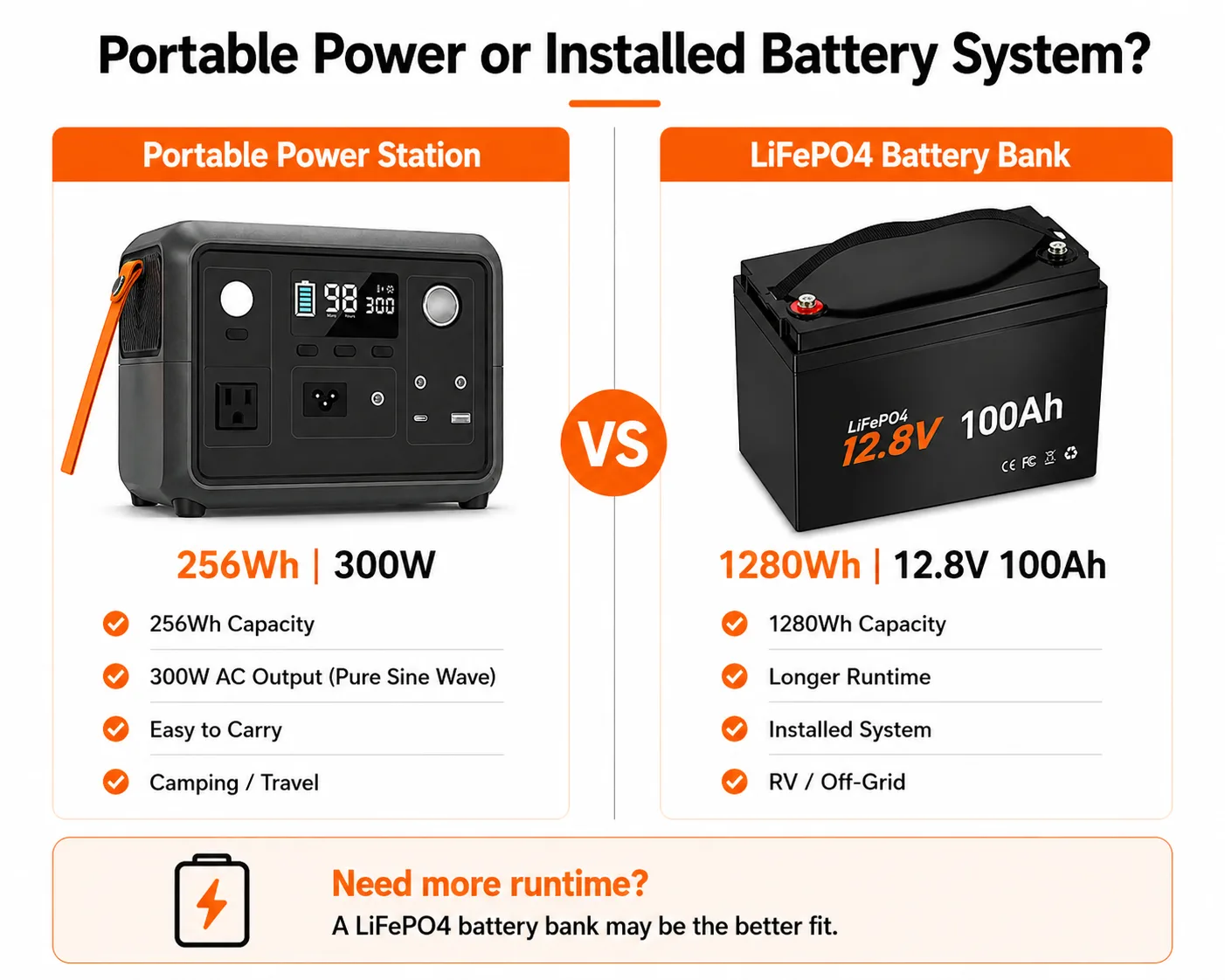
| Application | 256Wh Portable Power Station | Fixed LiFePO4 Battery Bank |
|---|---|---|
| Best for | Camping, travel, mobile electronics, temporary backup | RV, marine and installed off-grid electrical systems |
| Installation | Portable all-in-one unit | Integrated battery, inverter, charger, solar or DC-DC system |
| Stored energy | 256Wh | Example: 12.8V 100Ah LiFePO4 = 1,280Wh nominal energy |
| AC inverter | Built in, 300W continuous | External inverter selected for the required system load |
| Solar charging | Up to 80W input | Solar controller and array sized for the installed system |
| Lead-acid replacement | Not a direct replacement for an installed battery bank | Can replace compatible AGM, gel or flooded lead-acid systems after system review |
For comparison, a 12.8V 100Ah Group 24 LiFePO4 battery stores 1,280Wh of nominal energy — about 5× the nominal stored energy of this 256Wh portable power station. The two products serve different purposes: the portable station prioritizes convenience, while the fixed battery is designed for an installed electrical system.
Nominal Wh is a capacity comparison only. Actual usable AC runtime depends on inverter efficiency, system losses, load profile, battery settings, temperature and operating conditions.
A 256Wh power station works well for light, temporary loads, but a larger portable unit or a fixed battery system should be considered when you need:
For installed solar systems, see our Off-Grid Solar LiFePO4 Battery Solutions . For an existing battery conversion, start with our Lead-Acid Replacement Guide .
The 300W AC output is intended for small electronics and low-power appliances that remain within the unit's output limits.
The built-in UPS function provides a useful option for compatible low-power equipment when the main AC supply is interrupted.
It can be used with suitable Wi-Fi routers, communication equipment, computers and other electronics that remain within the unit's supported output range.
The integrated LED light provides convenient illumination while camping, travelling or during temporary power outages.
| Battery Type | LiFePO4 |
| Battery Capacity | 256Wh / 80,000mAh |
| Rated AC Output | 300W Max |
| Peak Output | 600W Max |
| AC Output Voltage | 110V ±10% / 230V ±10% |
| Output Frequency | 60Hz ±5% / 50Hz ±5% |
| AC Waveform | Pure Sine Wave |
| AC Charging Input | AC 100–120V / 200–240V, 72W Max |
| Car Charging Input | DC 12–28V / 7A, 80W Max |
| Solar Charging Input | DC 12–28V / 7A, 80W Max |
| USB Fast Charging | USB-C PD 60W + QC 18W |
| DC Outputs | 1 × Cigarette Lighter + 2 × DC5521 |
| DC Output Rating | 13.8V / 10A Max |
| AC Charging Time | Approx. 3.5–4 Hours |
| UPS Function | Supported |
| LED Light | 3 Brightness Levels + SOS |
| Dimensions | 235 × 168 × 233 mm |
| Weight | Approx. 3.9 kg |
For many basic camping needs, yes. A 300W portable power station can power or charge compatible phones, laptops, cameras, LED lights, portable speakers, routers and selected portable coolers. Check the wattage of each device before use.
The 256Wh rating describes how much energy the battery can store. A device with lower power consumption can normally run longer than equipment that draws close to the power station's maximum output.
Runtime depends mainly on the wattage of the connected equipment. Battery-to-AC conversion also uses some energy, so actual runtime will normally be lower than a simple 256Wh divided by device wattage calculation.
Yes. It uses a 256Wh LiFePO4 battery. LiFePO4 is widely used in portable energy storage applications because of its thermal stability and suitability for repeated charge and discharge use.
Yes. The AC output uses a pure sine wave inverter, providing smooth AC power for compatible electronics.
300W is the maximum continuous AC output rating. The 600W peak rating is intended for short startup surges from compatible equipment. It does not mean the unit can continuously operate a 600W appliance.
Yes, provided the laptop's power requirements are compatible. You can use the AC output or the USB-C PD 60W port for compatible USB-C laptops.
Many small TVs operate below 300W and may be compatible. Check the TV's rated wattage and keep the total connected load below the power station's continuous output limit.
Some small portable refrigerators and coolers may work, but refrigerator compressors can require a higher startup surge. Check both the running wattage and startup power before connecting a refrigerator.
Most Wi-Fi routers use relatively little power and may be suitable for this portable power station, provided the router's voltage, connector and power requirements are compatible.
Some CPAP machines operate within a 300W power range, but power consumption varies by model and can increase when a heated humidifier or heated tube is used. Check the CPAP manufacturer's specifications before use.
Yes. The unit supports solar charging at DC 12–28V / 7A, up to 80W maximum input. The connected solar panel must remain within this input range.
Use a compatible solar panel that stays within the power station's 12–28V / 7A input range and 80W maximum solar input. Always check the panel's open-circuit voltage and connector compatibility before connection.
There is no fixed solar charging time because actual input changes with sunlight intensity, weather, panel angle, temperature and panel performance.
Yes. Vehicle charging is supported through a DC 12–28V / 7A input with up to 80W maximum charging power.
Yes. The available AC, USB and DC outputs can be used for multiple compatible devices, provided the total power demand stays within the unit's output limits and the limits of each individual port.
Yes. A UPS function is supported for compatible applications. Connected equipment must remain within the unit's rated output capability.
It is suitable for temporary backup of compatible low-power electronics such as phones, routers, laptops and lighting. It is not intended to operate high-wattage household appliances above its 300W continuous AC output.
Yes. The portable power station is available in 110V / 60Hz and 230V / 50Hz configurations for different markets.
A 256Wh lithium battery can exceed normal passenger airline battery limits. Rules vary by airline and country, so confirm the current requirements directly with your airline before travelling with the unit.
Choose a portable power station when you need a compact all-in-one source for temporary AC, USB and DC power. Choose a fixed LiFePO4 battery bank when you need substantially more stored energy, longer runtime or integration with an RV, marine or off-grid system.
Not as a direct replacement for an installed RV house battery. This product is a portable all-in-one power source. An AGM or lead-acid house battery conversion should be reviewed against the charger, inverter, alternator or DC-DC charger, solar controller, cables, fuses, battery dimensions and required current.
If you still need portability, select a larger portable power station with sufficient output and stored energy. If the application is permanently installed, calculate the required battery-bank capacity from the daily energy use, inverter load, charging sources, peak current and desired reserve.
For an installed RV, marine or off-grid system, battery selection should consider required runtime, inverter load, charger compatibility, solar charging, alternator / DC-DC charging, BMS current and circuit protection.
Visit LiFePO4 Battery Technical Support for application-specific review, or browse our LiFePO4 Battery Resources for technical guidance.
This 300W 256Wh portable power station is suitable for companies sourcing compact portable energy products for camping, outdoor power, emergency backup, retail and distribution applications.
For qualified commercial projects, our OEM and ODM battery services can support product configuration, private-label requirements, packaging and volume production.
Companies evaluating production capability can also learn more about our LiFePO4 battery manufacturing and quality control process.
110V and 230V configurations are available for different markets. For commercial enquiries, provide your target market, required quantity and application requirements.
For 300W 256Wh portable power station requirements, contact us for 110V or 230V configurations, distributor orders, bulk purchasing, OEM/ODM projects, private-label requirements, packaging options and technical information.
If you are upgrading an RV, marine or off-grid system from AGM or lead-acid to LiFePO4, send us the original battery information, required runtime, inverter or equipment load, charging sources and available installation space.
We can review whether portable power or a fixed LiFePO4 battery system is the better fit for your application.
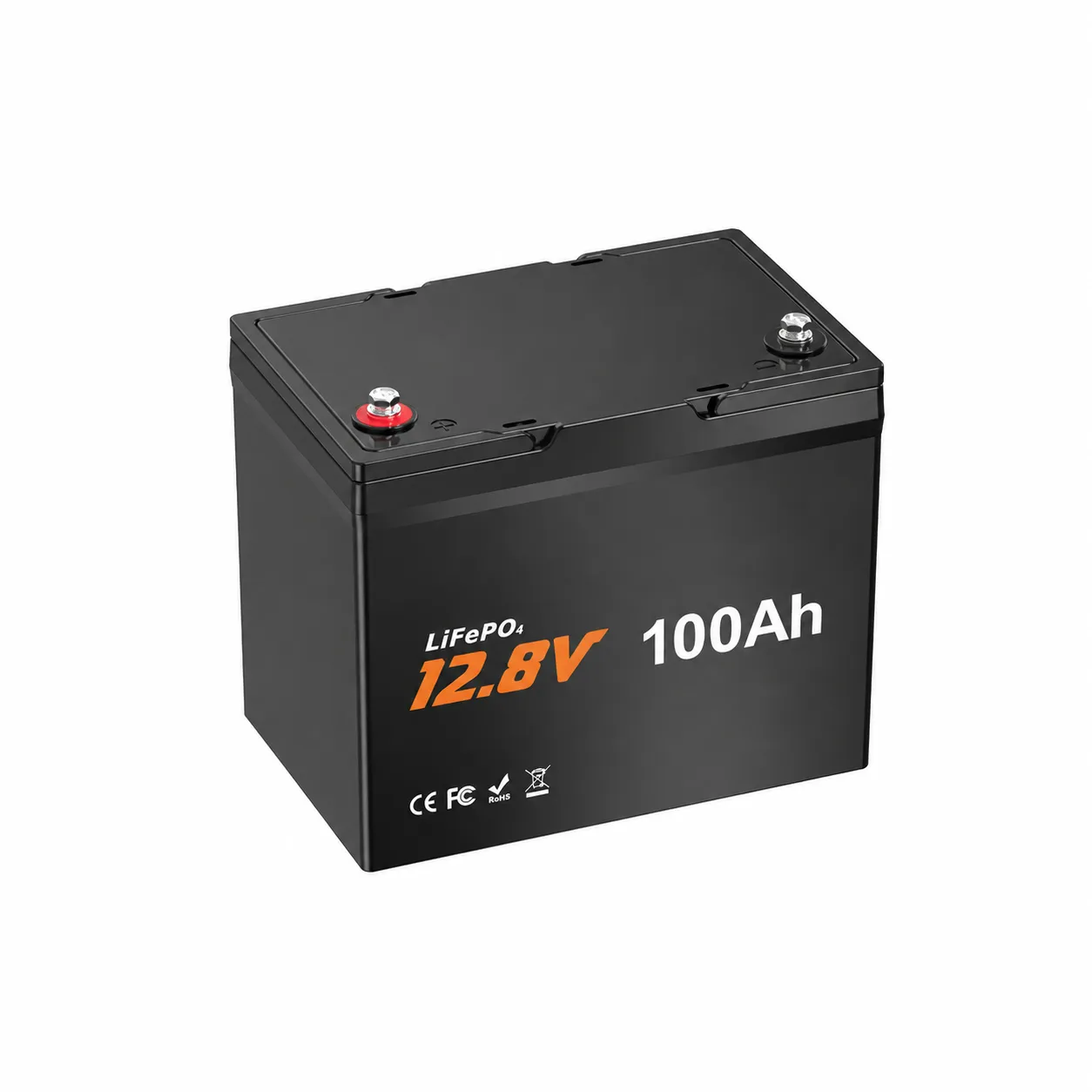
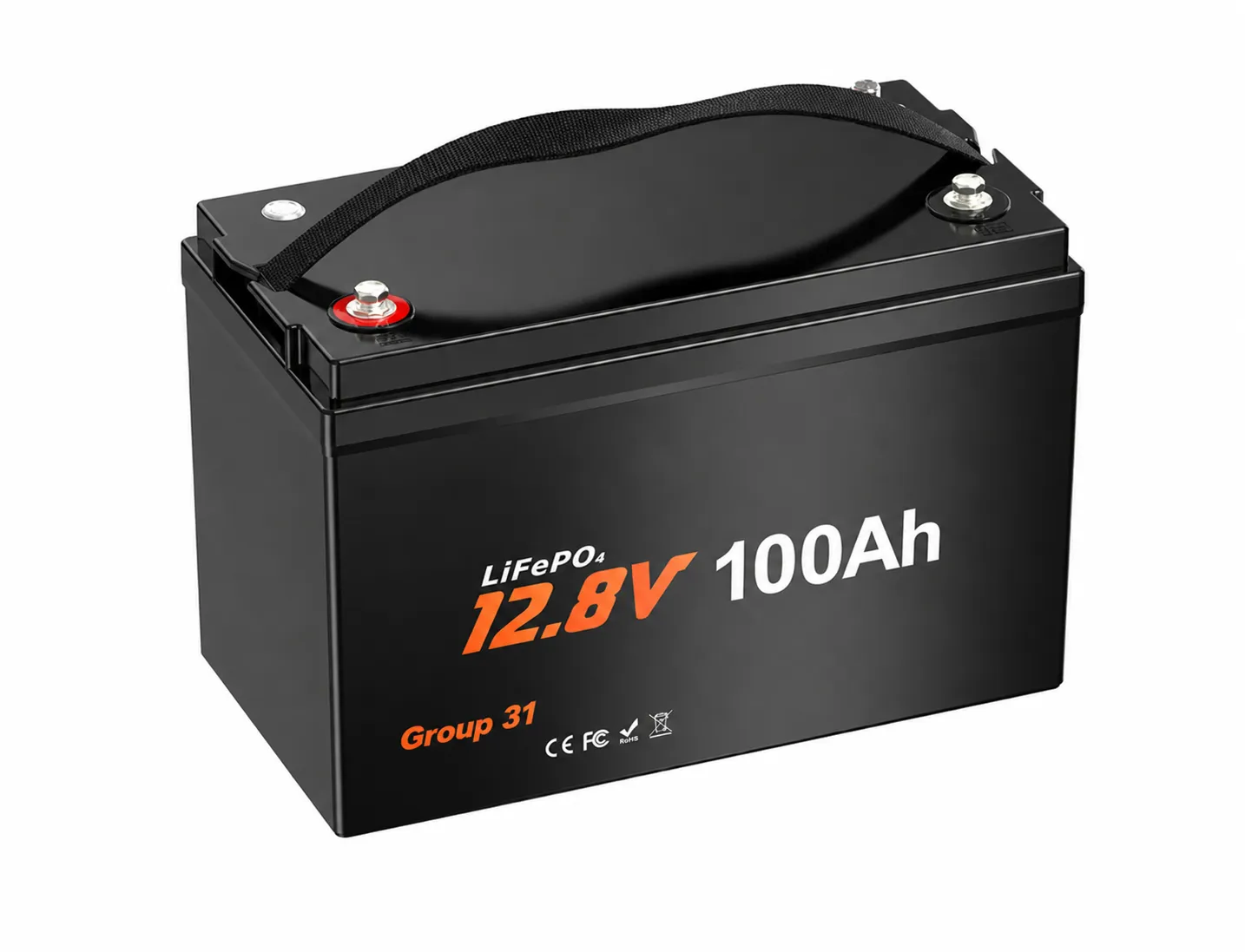
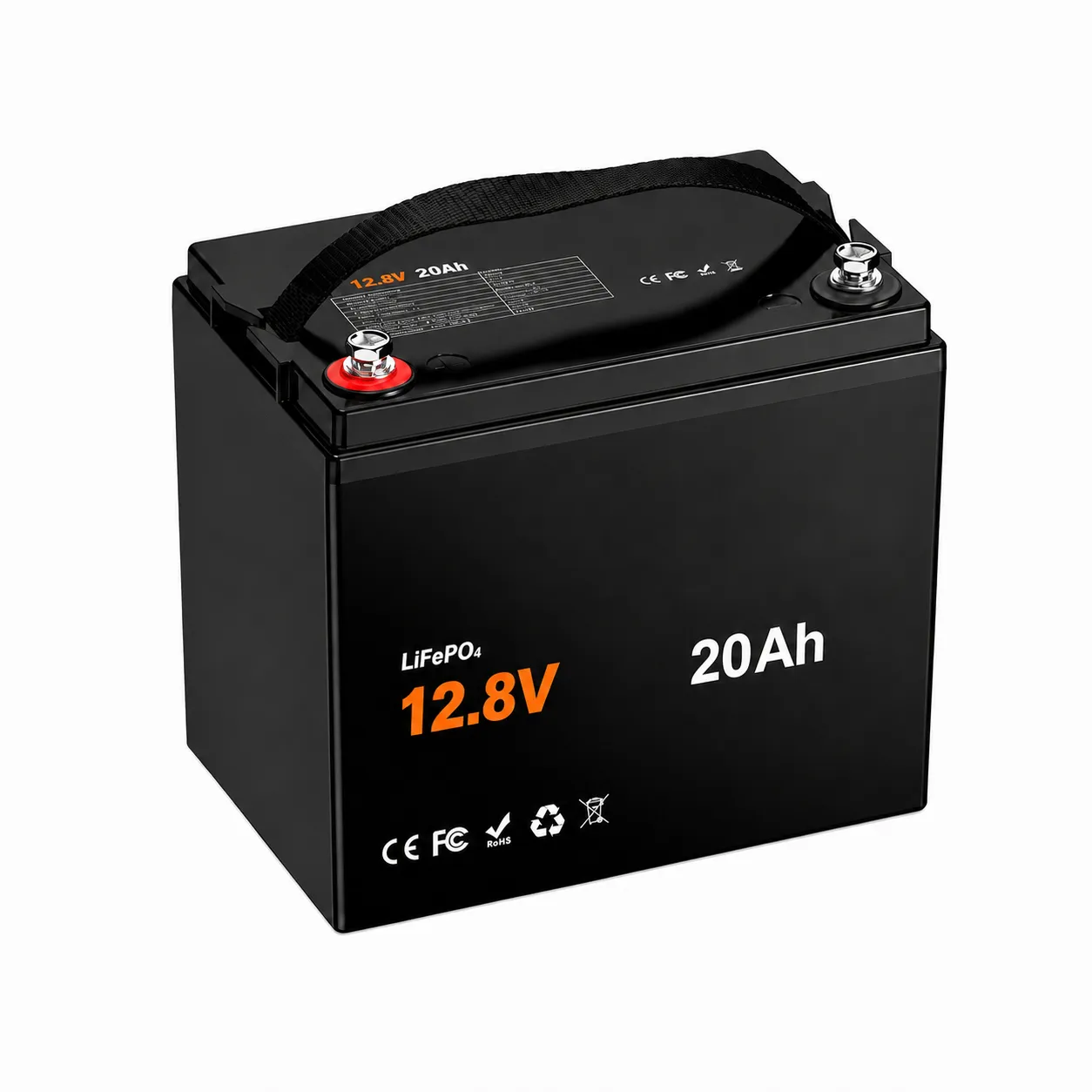
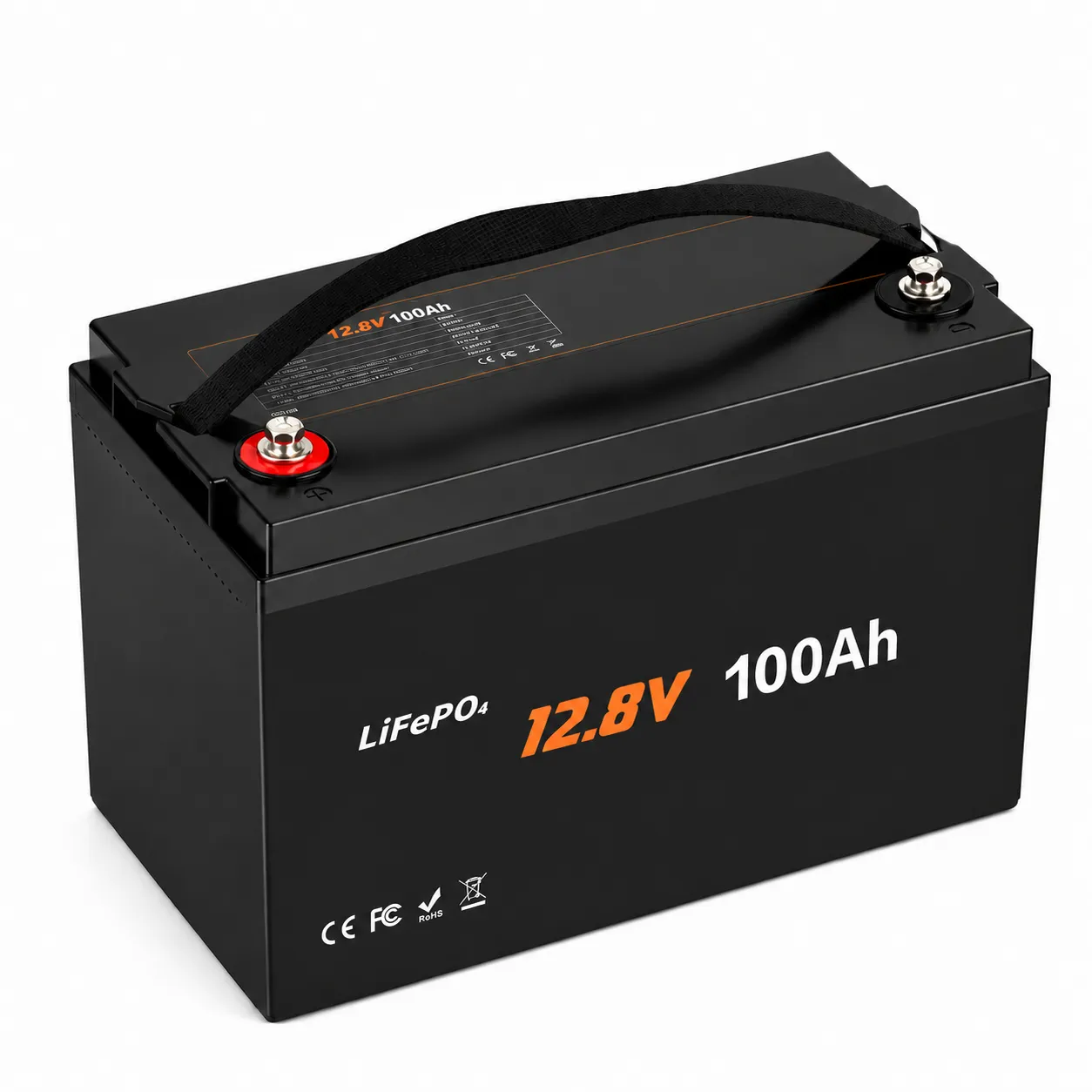
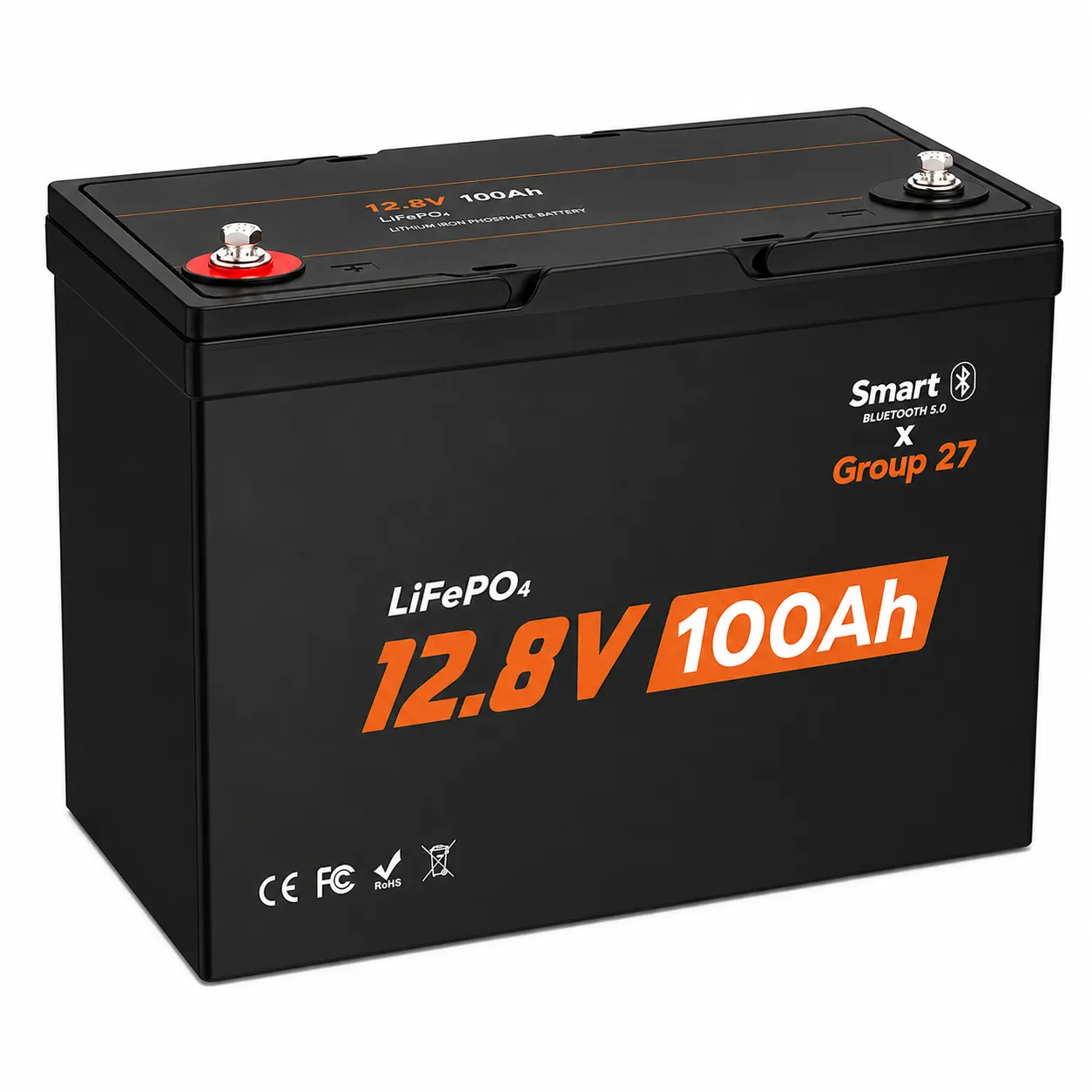
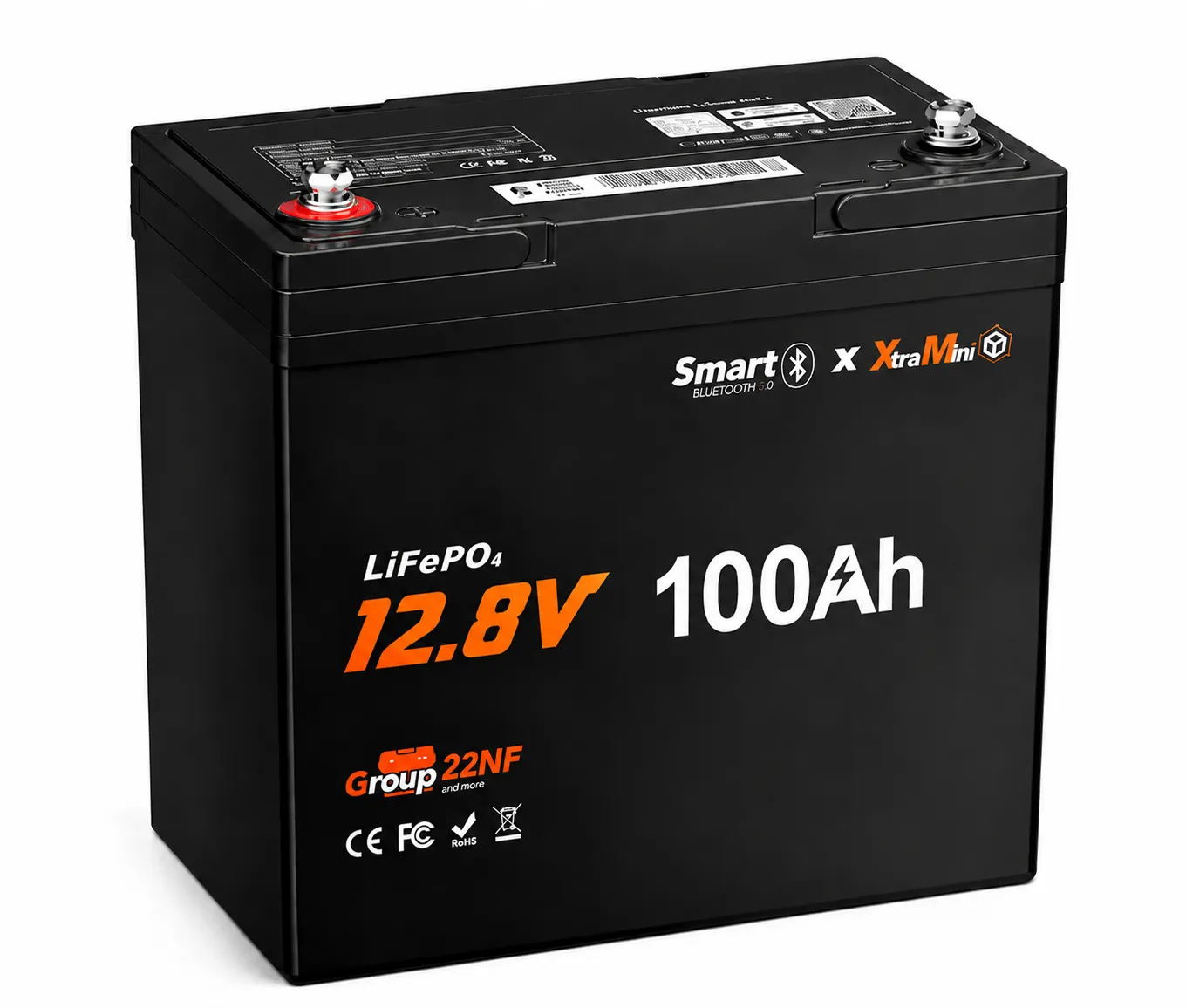
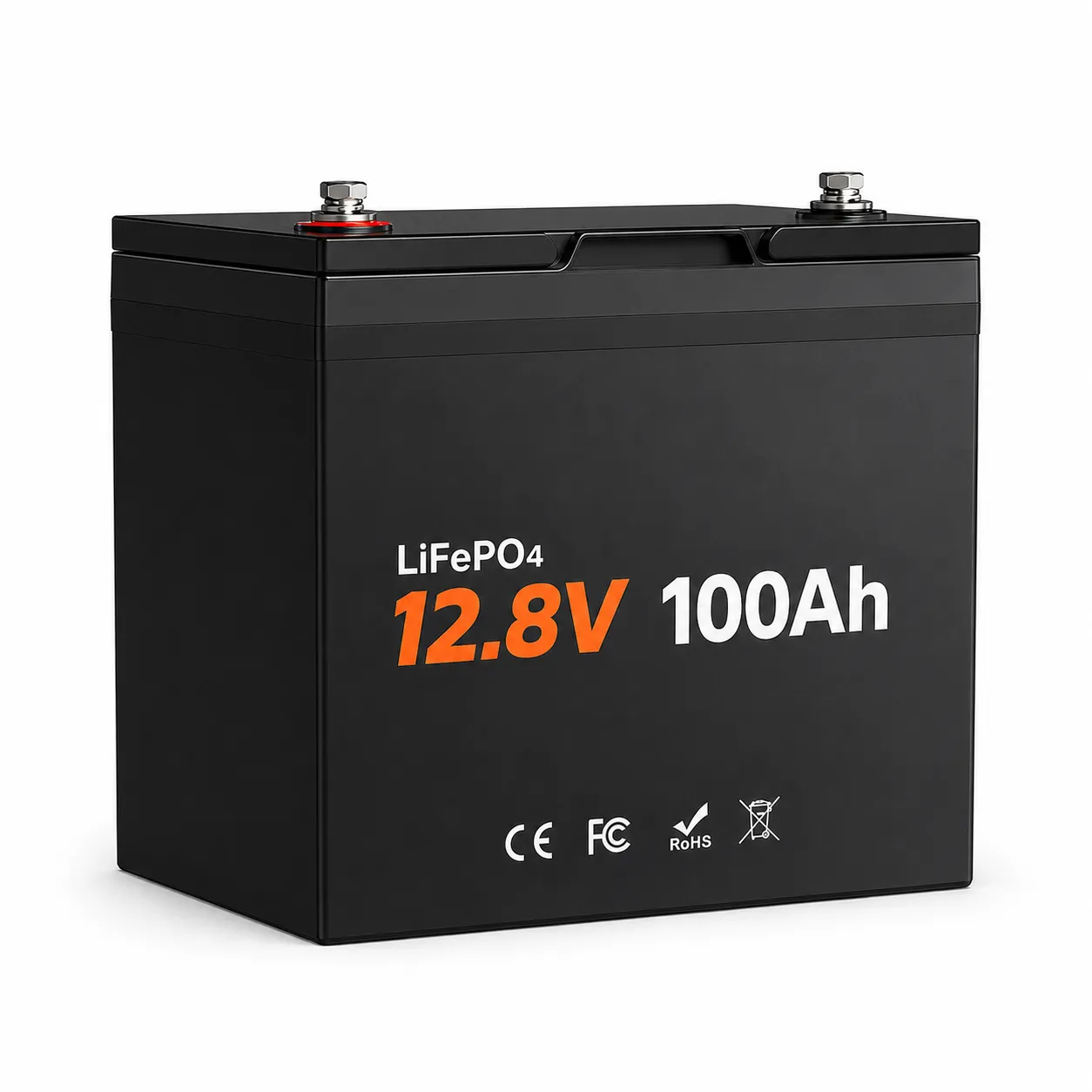
Many LiFePO4 batteries can replace compatible lead-acid deep-cycle batteries in RVs, boats, golf carts and industrial equipment. Before installation, confirm the system voltage, battery dimensions, terminal layout, charger profile, maximum load, cable size, fuse rating and operating temperature.
Most LiFePO4 batteries are compatible with standard 12V, 24V, 36V or 48V inverters when the system voltage and power requirements match. Many modern chargers also include a LiFePO4 charging profile. For lead-acid replacement projects, confirm the charger voltage, inverter rating and maximum load before installation. A compatible charger or DC-to-DC charger may be required if the existing charging equipment does not support LiFePO4 batteries.
Yes. OEM and custom battery support can include voltage, capacity, BMS settings, enclosures, terminals, connectors, communication protocols, labels and packaging. Send us the application, electrical requirements, installation dimensions and expected order quantity for review.
MOQ depends on the battery model, specification and customization requirements. Standard models may be available for sample testing, while custom enclosures, private labels and OEM production normally require a confirmed order quantity. Contact us with the model and required quantity for details.
Available certifications and documents depend on the battery model and destination market. Supporting documents may include UN38.3, MSDS, CE, RoHS and product test reports. Confirm the required documents and target market before placing an order.
Lead time depends on the battery model, order quantity, customization and testing requirements. Export shipping options are arranged according to the battery specification, destination and order volume. Send us the required quantity, delivery location and target schedule for a project-specific quotation.