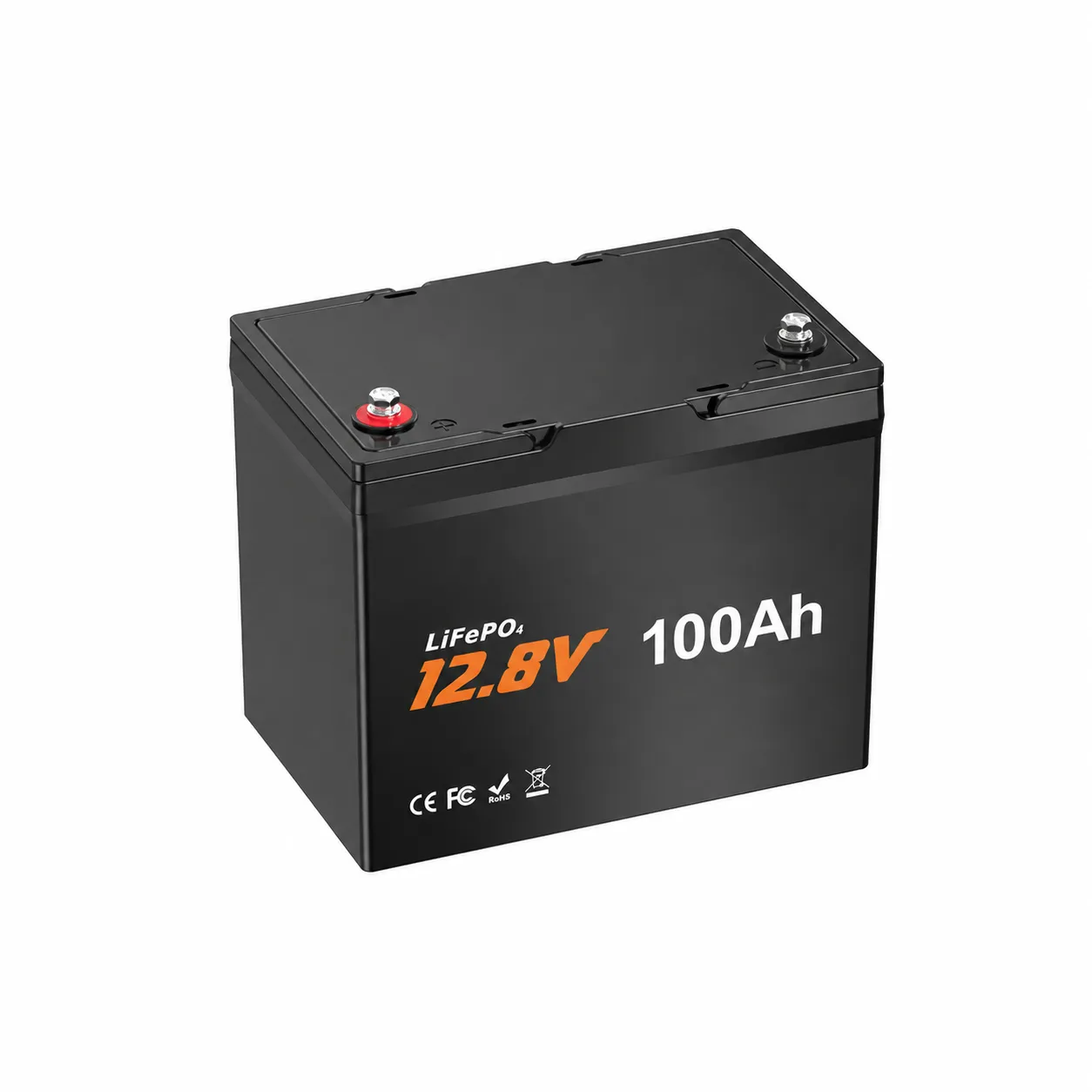
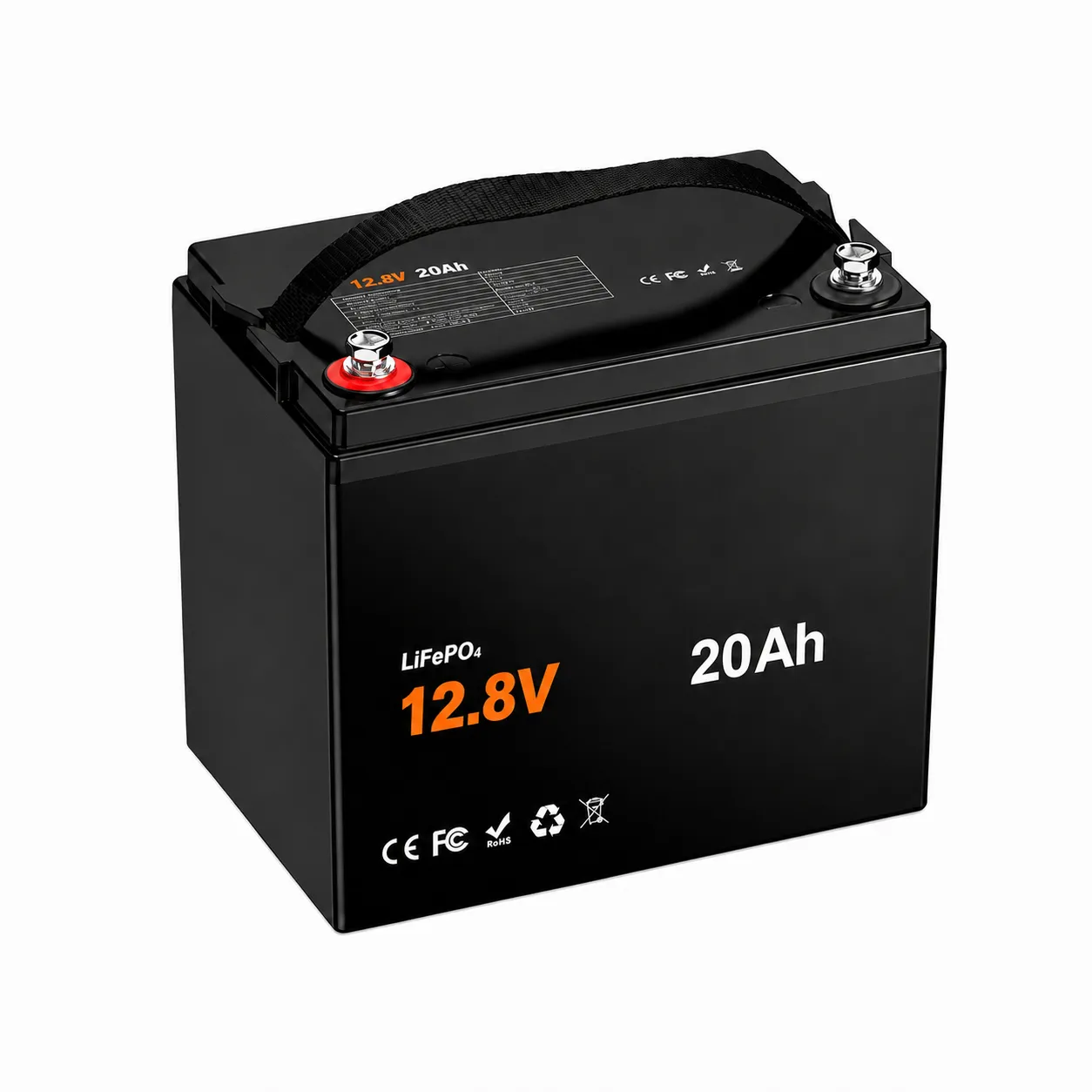
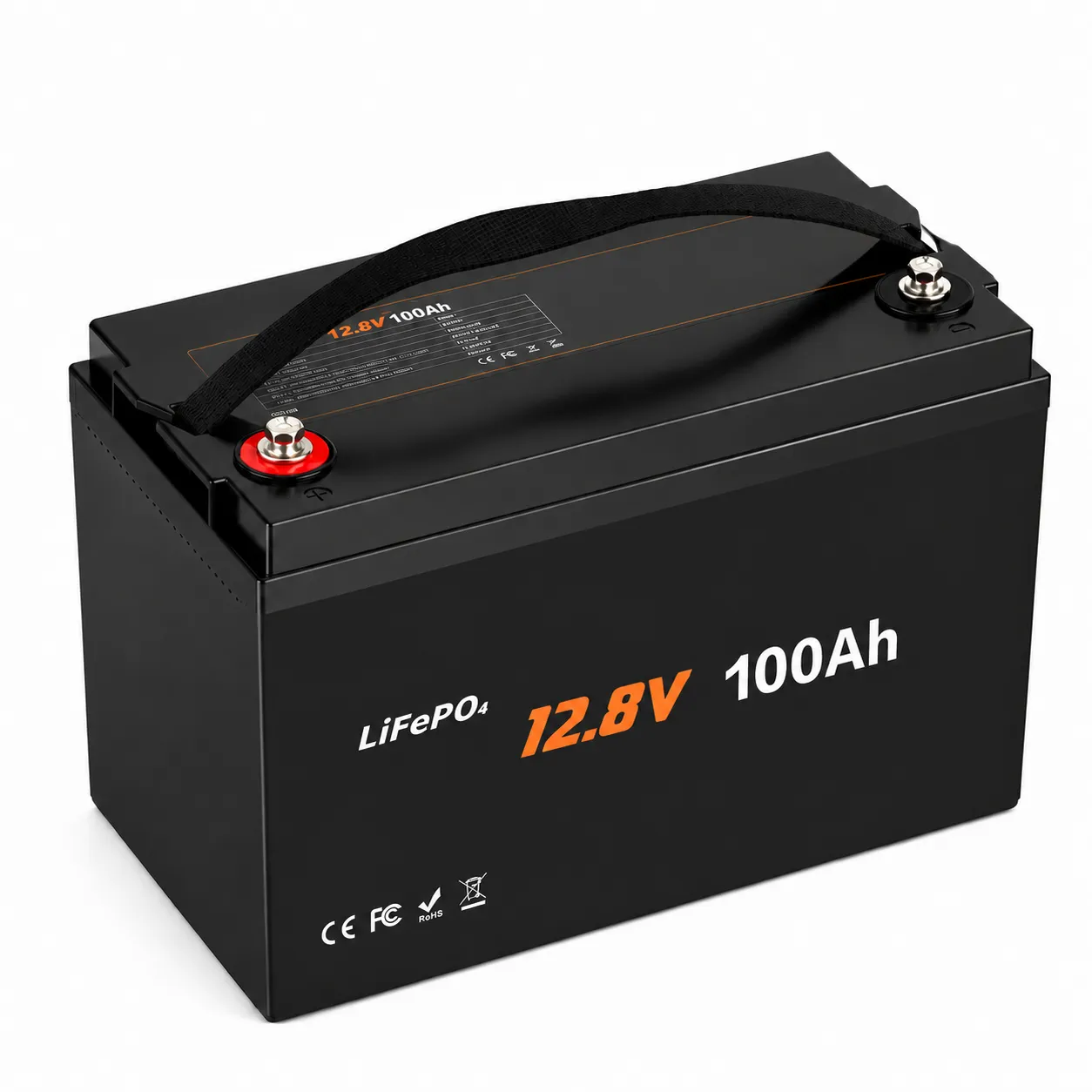
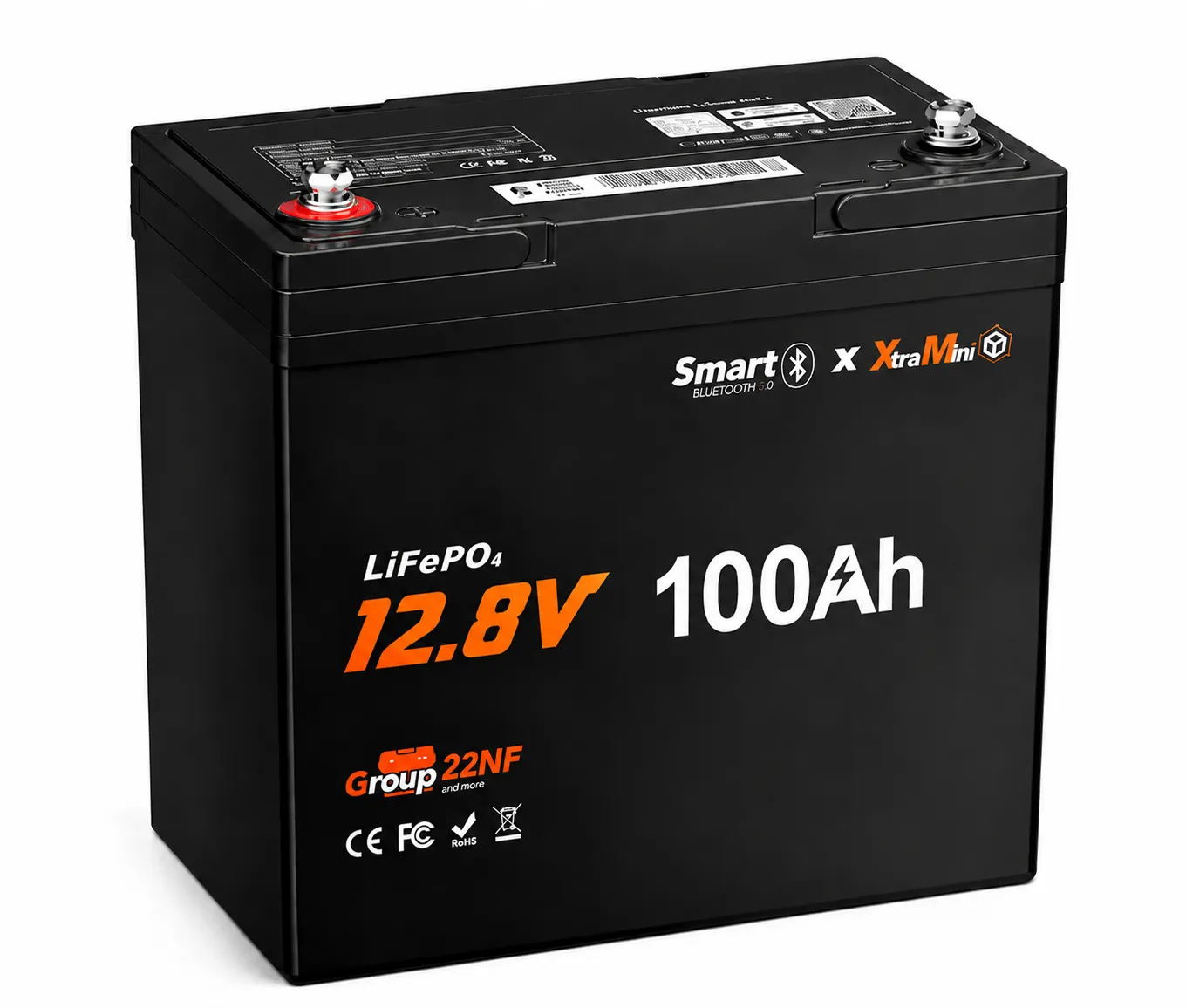
12V 100Ah Group 31 LiFePO4 Battery for Trolling Motors
$169.00
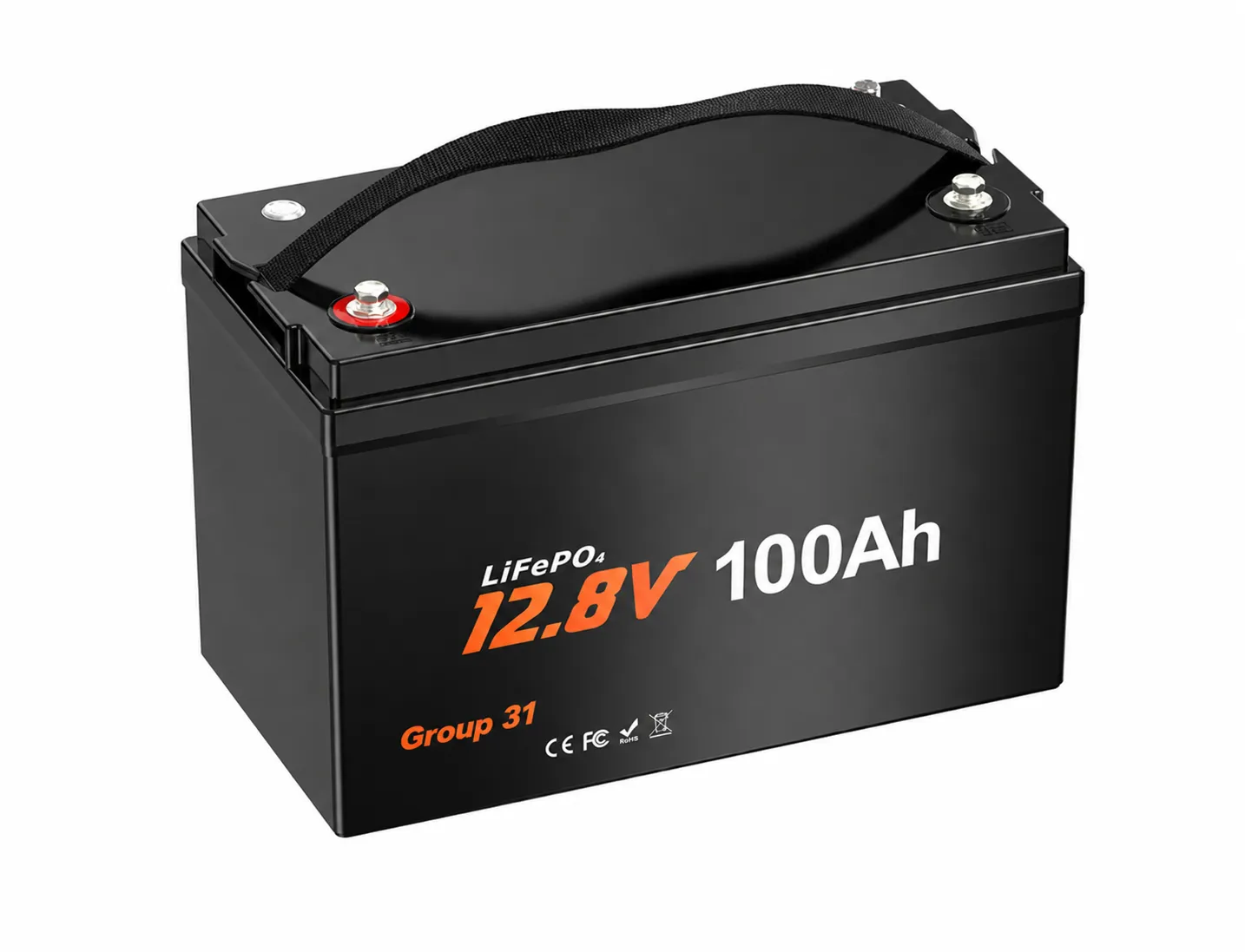
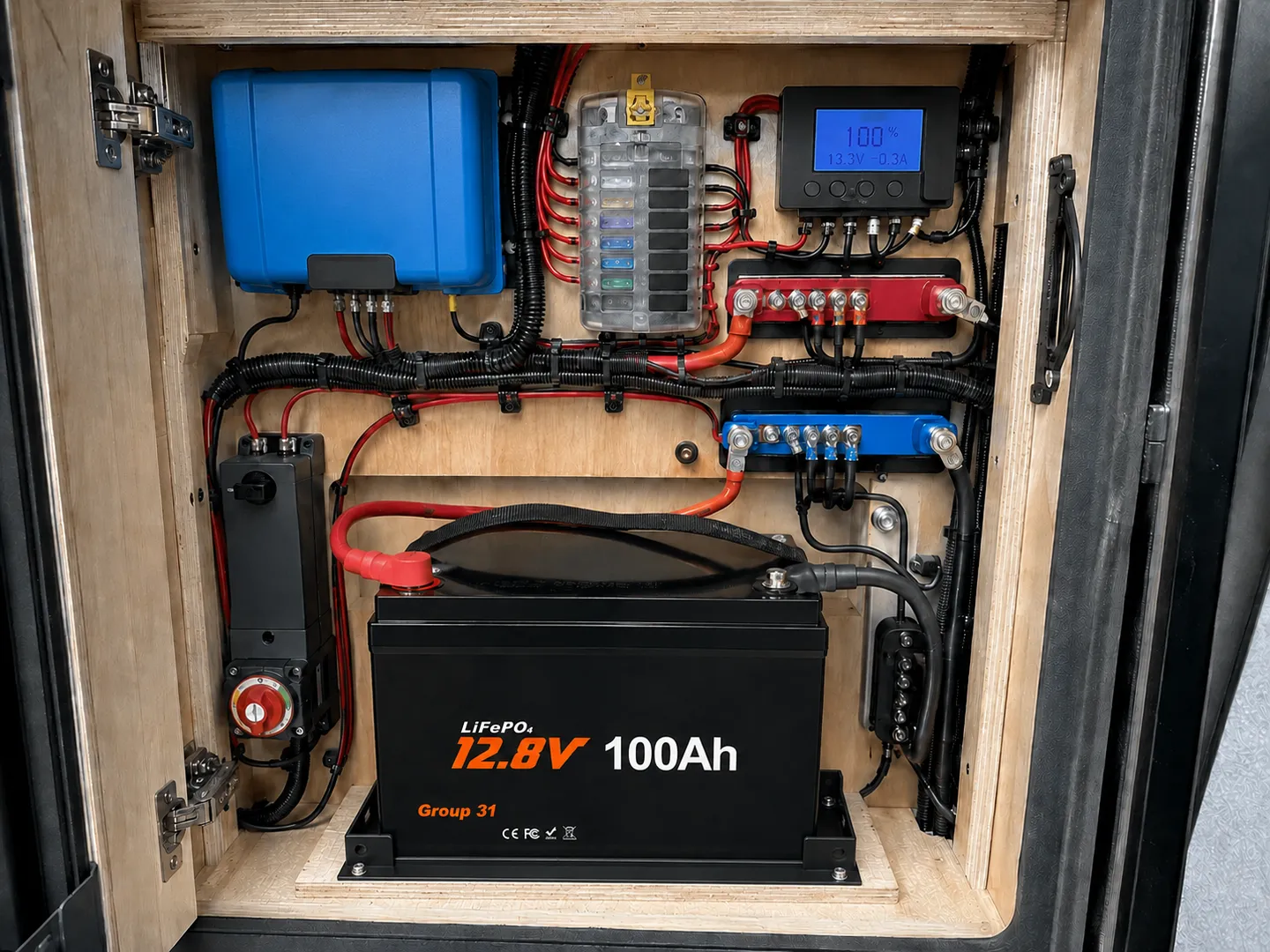
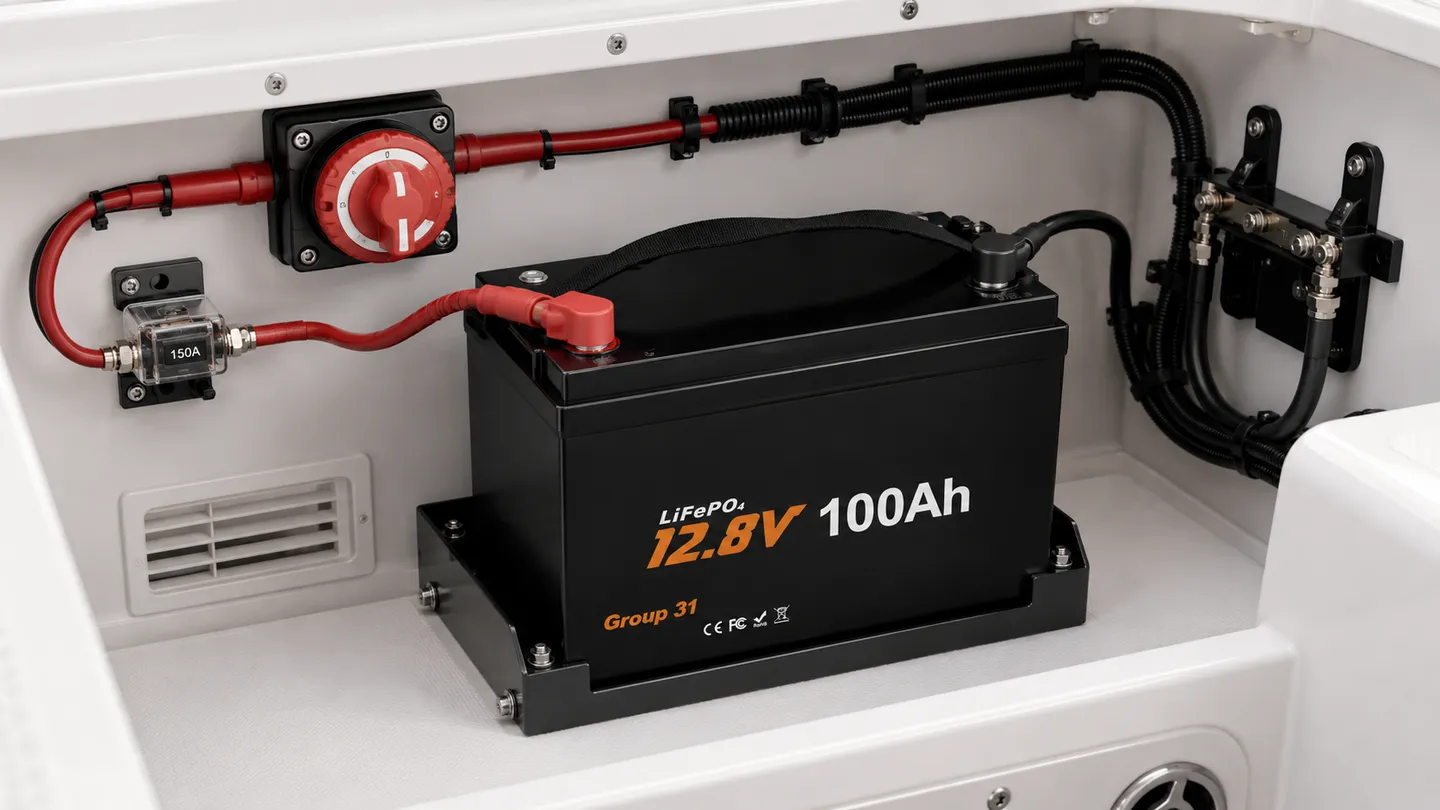
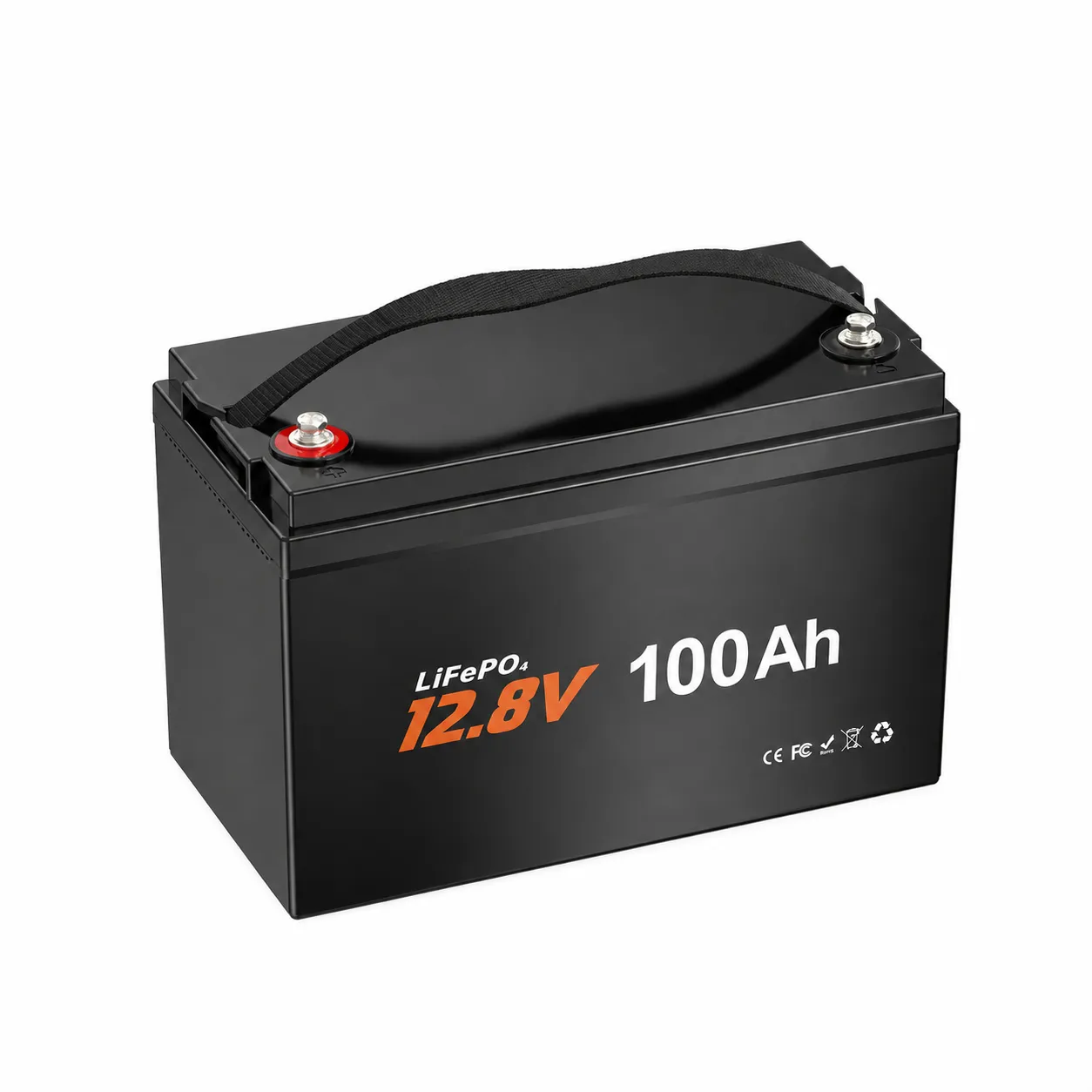
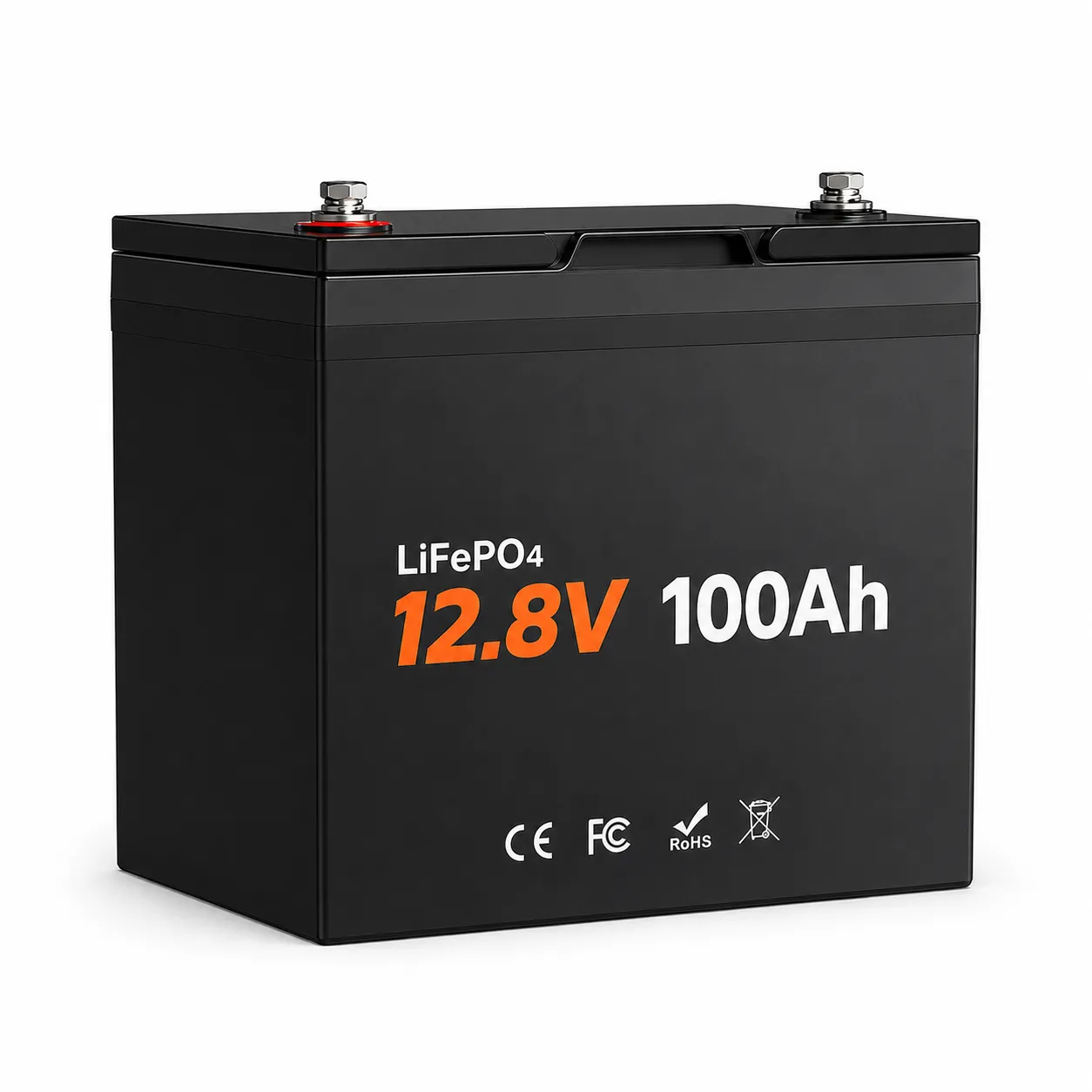
This 12V 100Ah LiFePO4 battery combines 1,280Wh of deep-cycle energy with CAN and RS485 communication for compatible Victron-based power systems. It is designed for RV house power, marine electrical systems and off-grid installations that require reliable battery data and coordinated system control.
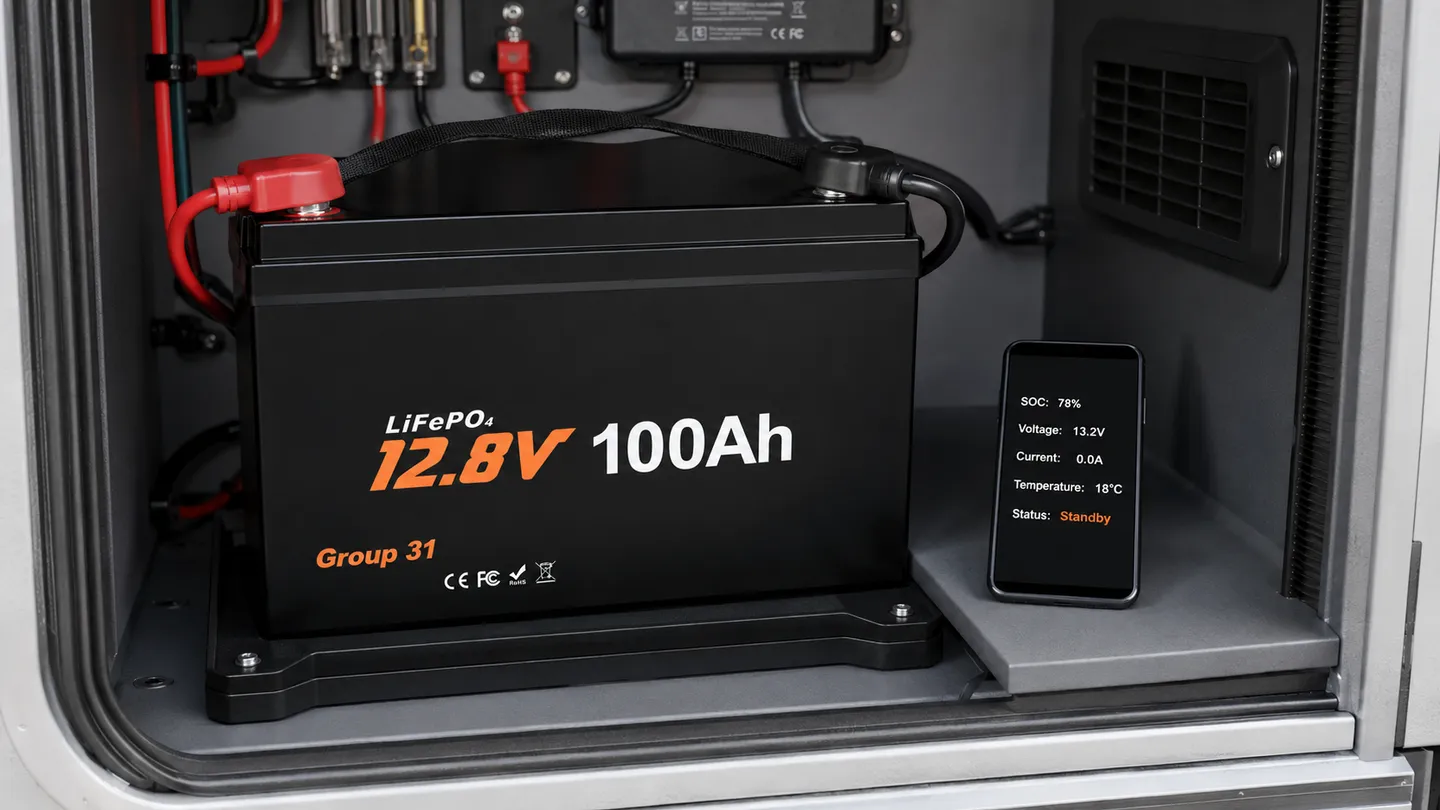
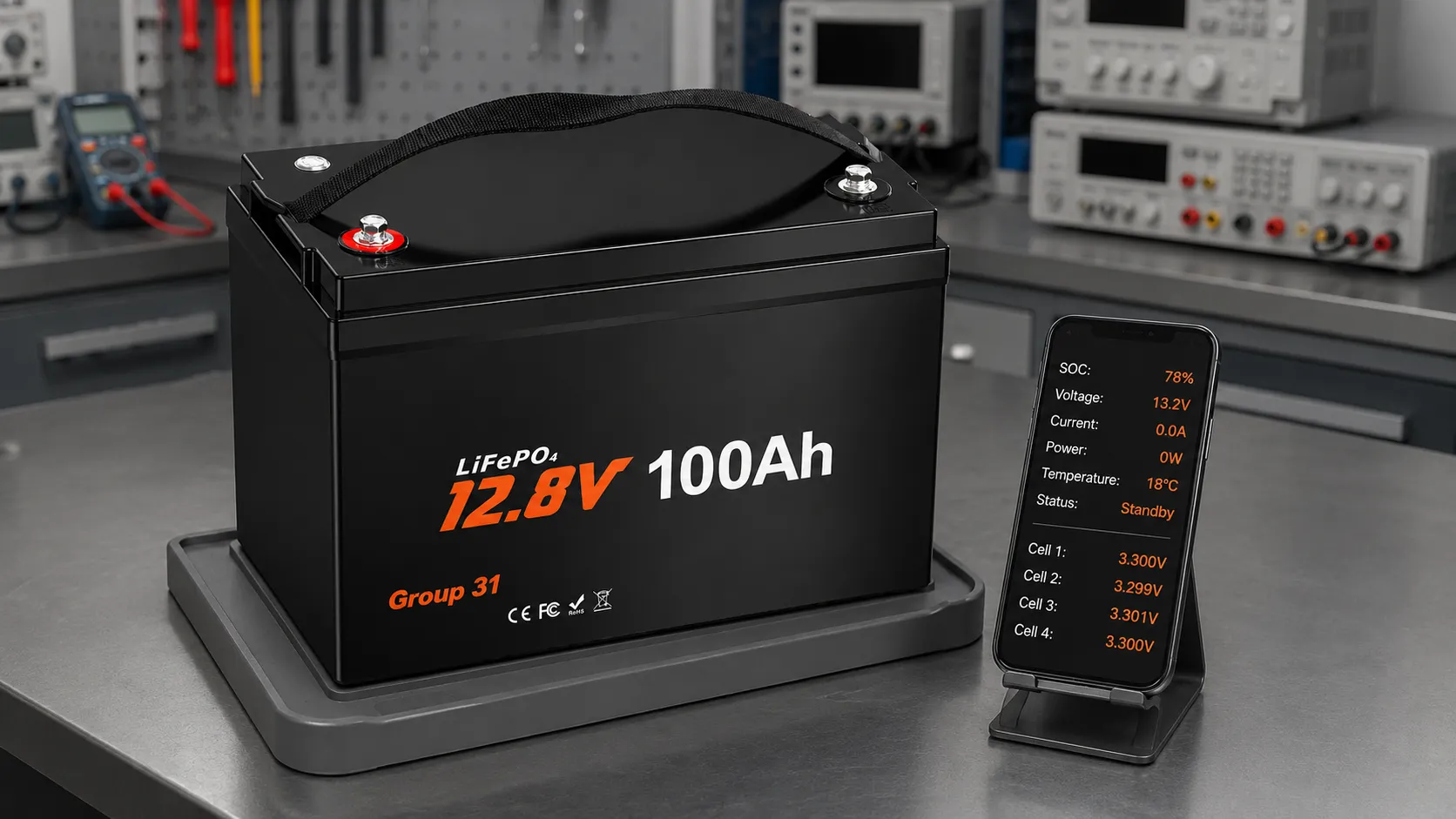
Bluetooth monitoring provides convenient access to state of charge, voltage, current and temperature. A 100A Smart BMS manages charging, discharging and cell protection, while the Group 31 enclosure supports compatible lead-acid and AGM battery replacement projects.
12.8V | 100Ah | 1,280Wh | 100A Smart BMS | CAN/RS485 | Bluetooth 5.0 | Group 31 | IP65
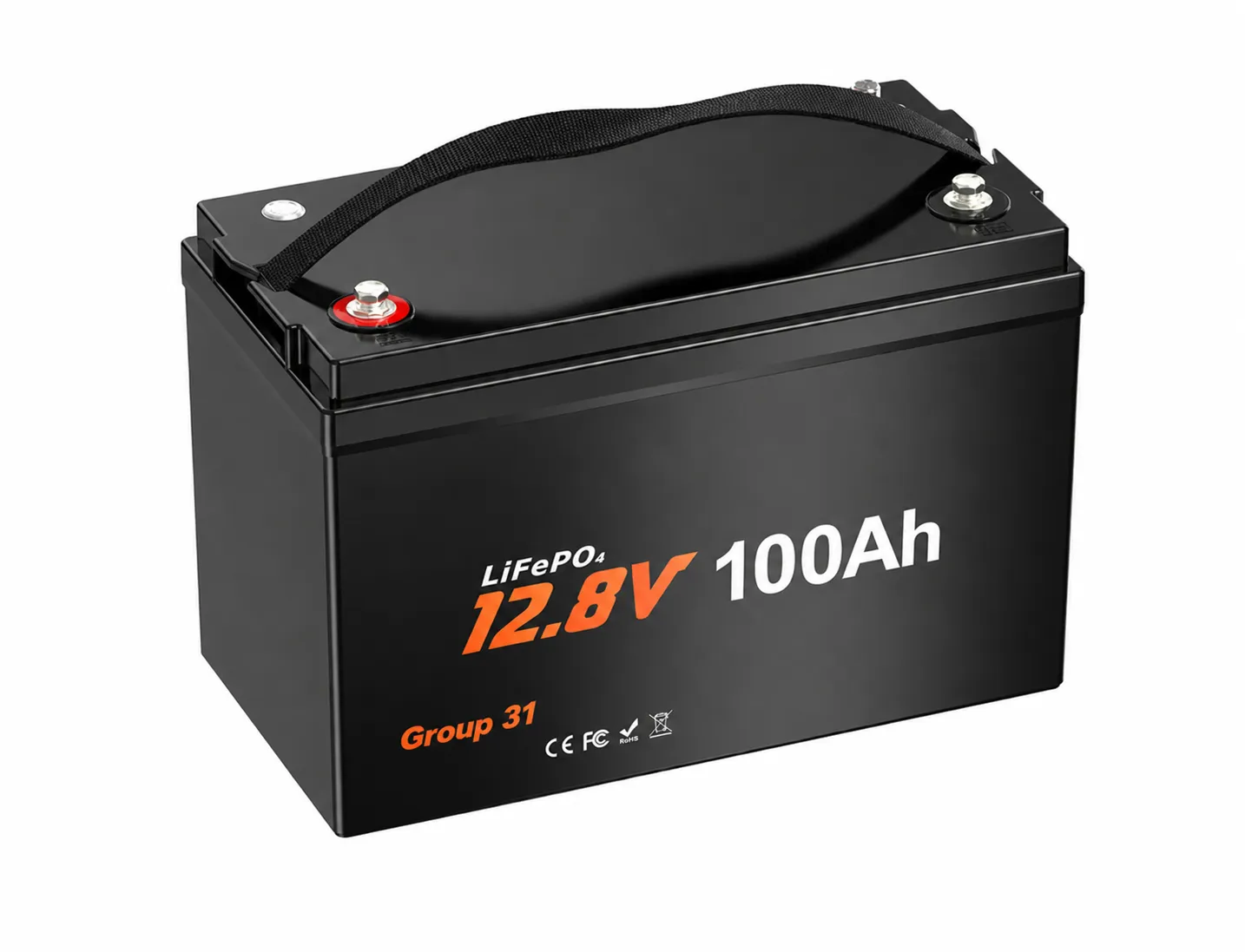
The battery uses CAN communication to exchange operating information with a compatible Victron-based system. When the correct communication protocol, cable, firmware and system settings are used, connected equipment can receive battery data and respond to the permitted charging and discharging limits.
Available system information may include:
Compatibility must be confirmed against the Victron GX device, inverter-charger, firmware version, battery protocol and communication-cable pinout used in the project.
This is an independently manufactured LiFePO4 battery designed for compatible Victron-based systems. It is not manufactured, supplied or endorsed by Victron Energy.
Do not use an ordinary Ethernet cable unless its pinout and communication standard have been confirmed for both the battery and connected equipment.
Bluetooth monitoring gives RV owners, marine installers and service engineers direct access to battery information during system checks and routine maintenance.
Depending on the confirmed BMS and application version, the mobile interface may display:
Bluetooth range, mobile operating-system requirements and remote-control functions depend on the BMS hardware, firmware and application version supplied with the battery.
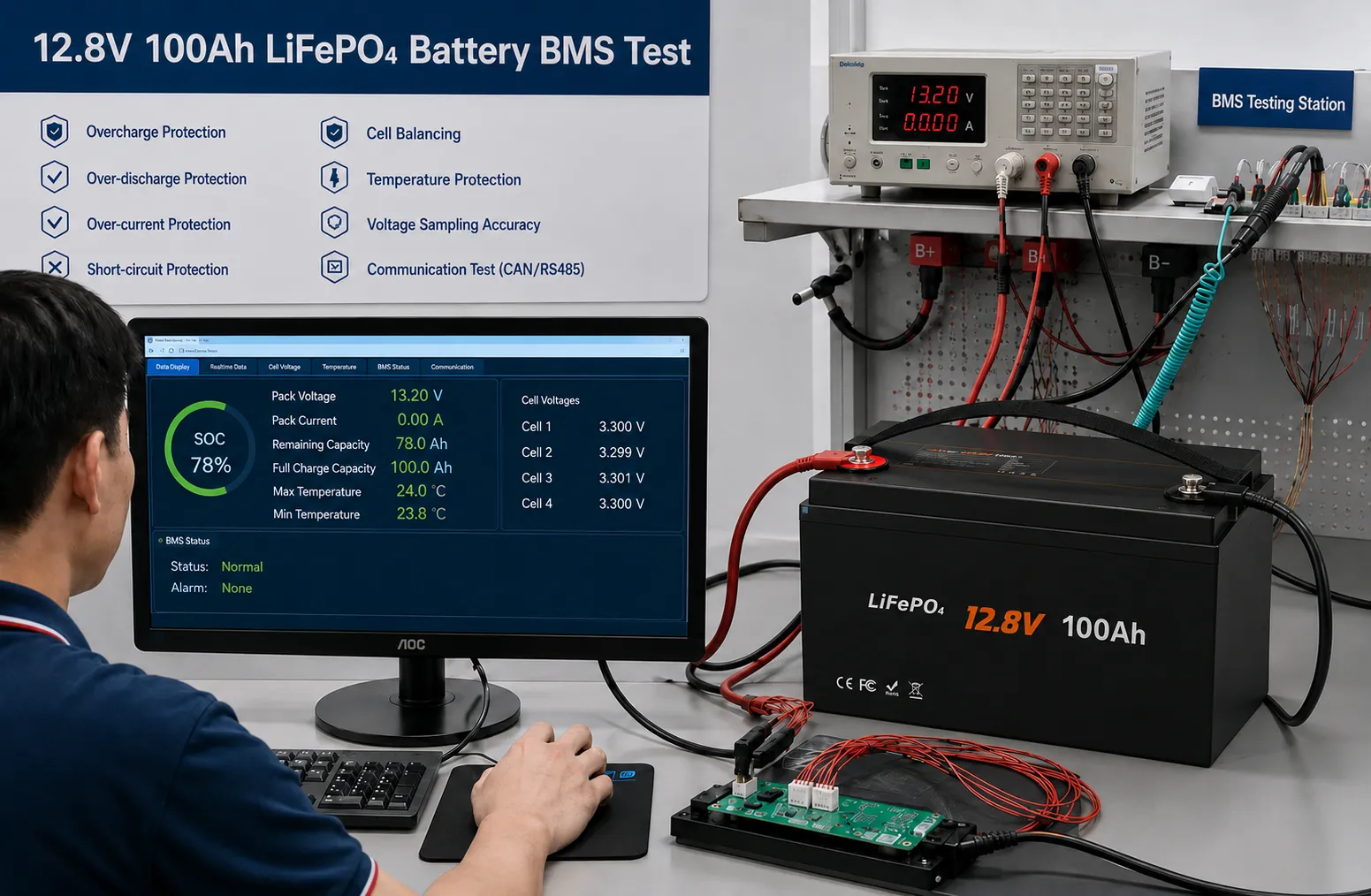
The integrated 100A Smart BMS monitors the battery during charging, discharging and storage. It protects the cells when voltage, current or temperature moves outside the configured operating limits.
The battery supports up to 100A continuous discharge and 1,280W of continuous output at nominal voltage. Inverters, fuses, cables, busbars and disconnect devices must remain within the battery and BMS ratings.
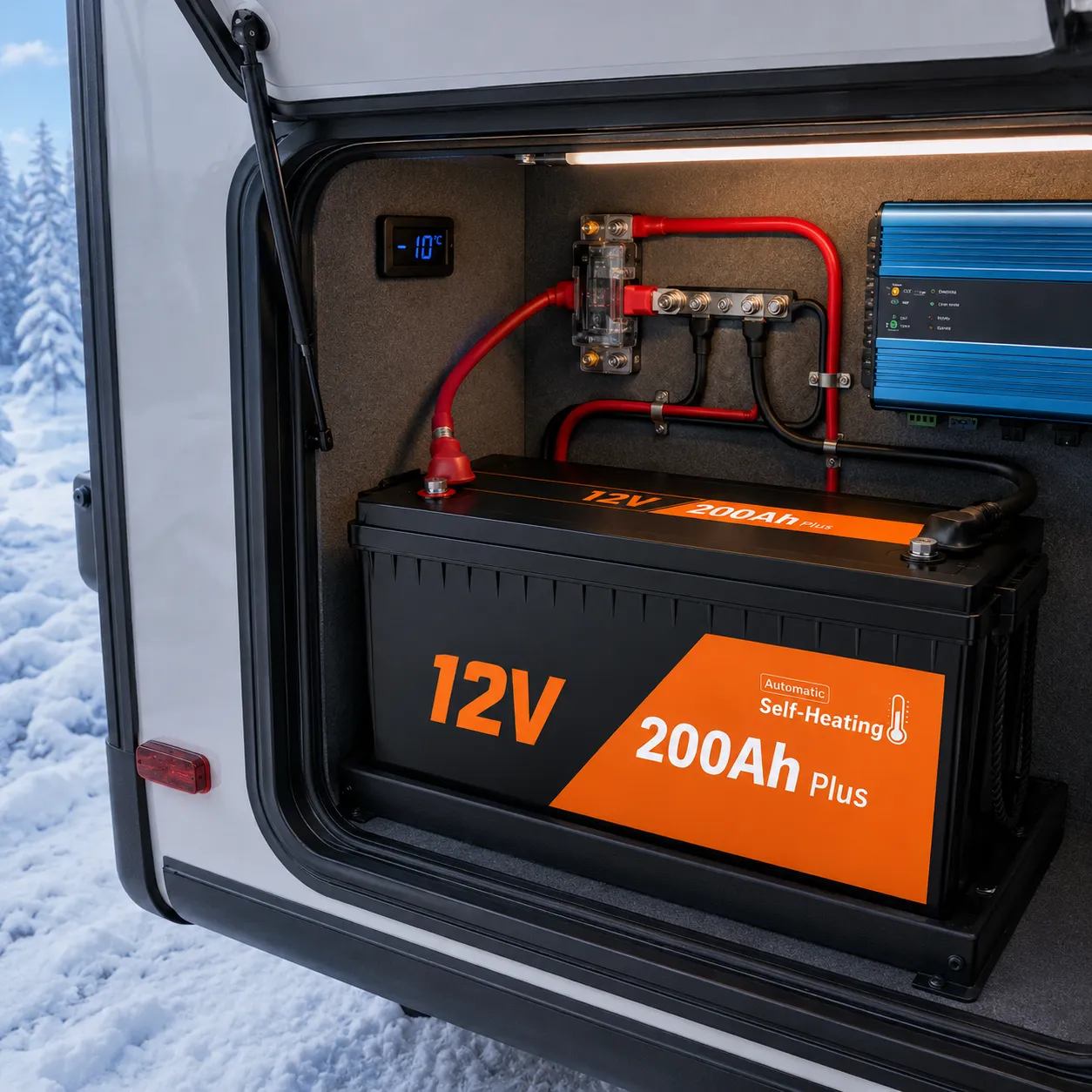
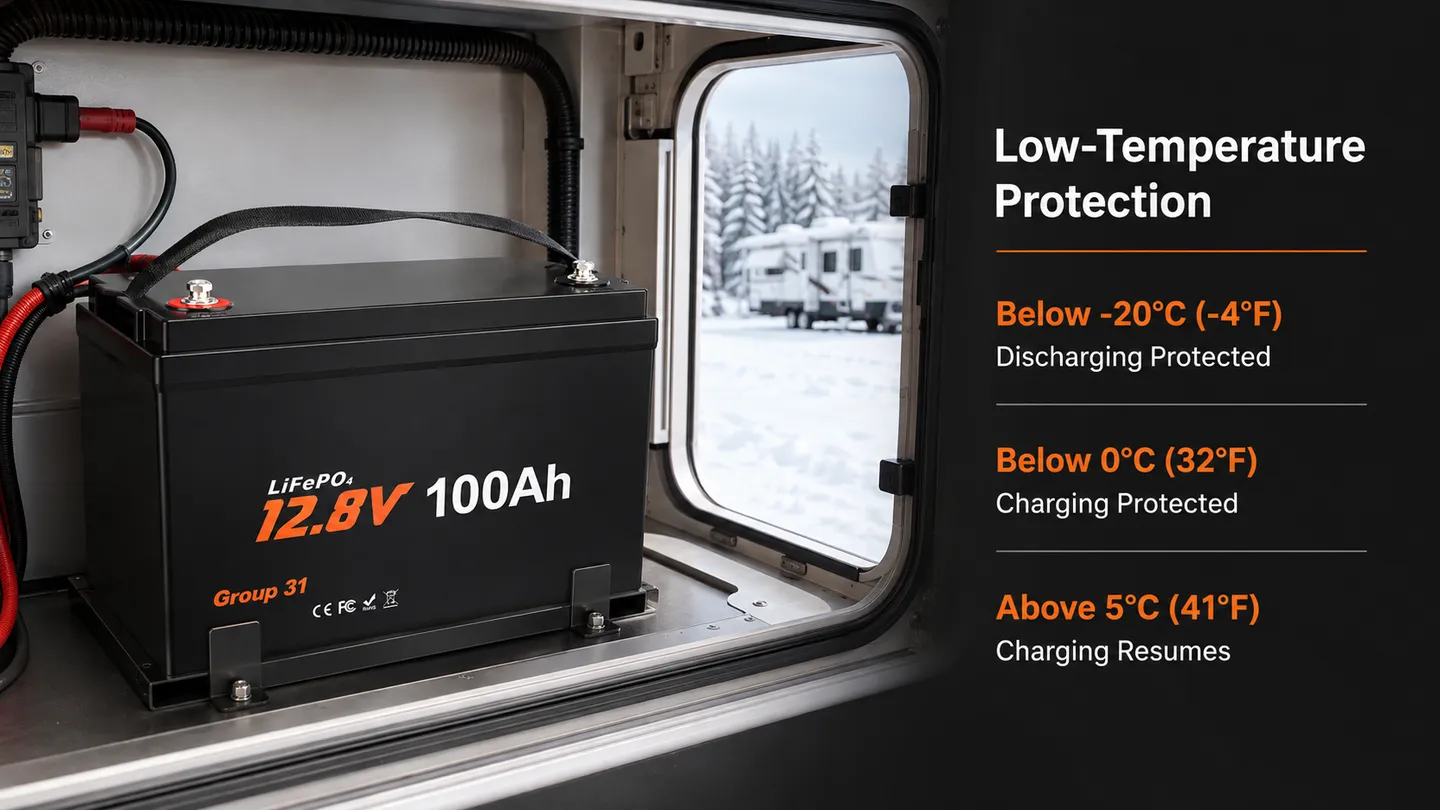
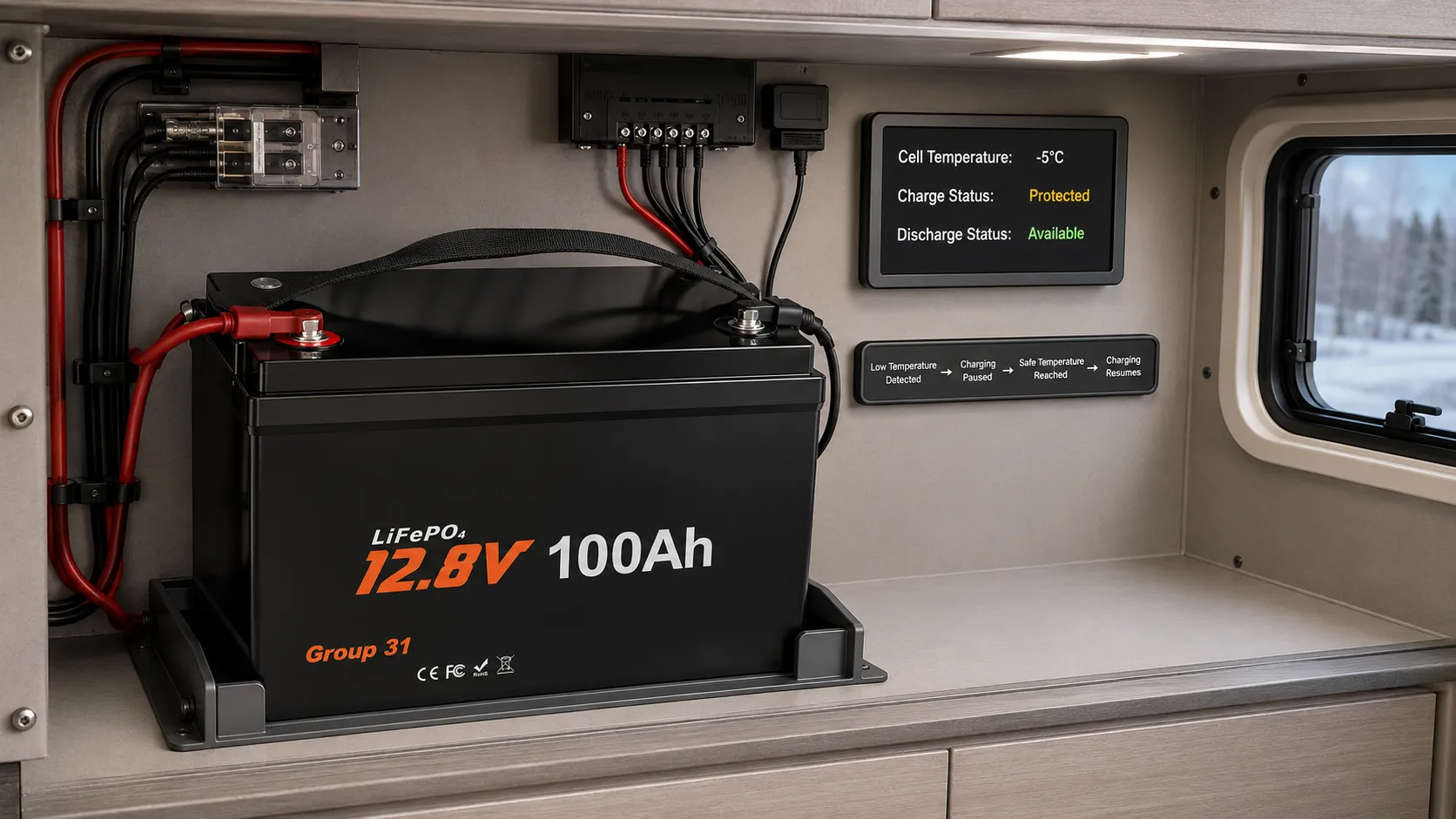
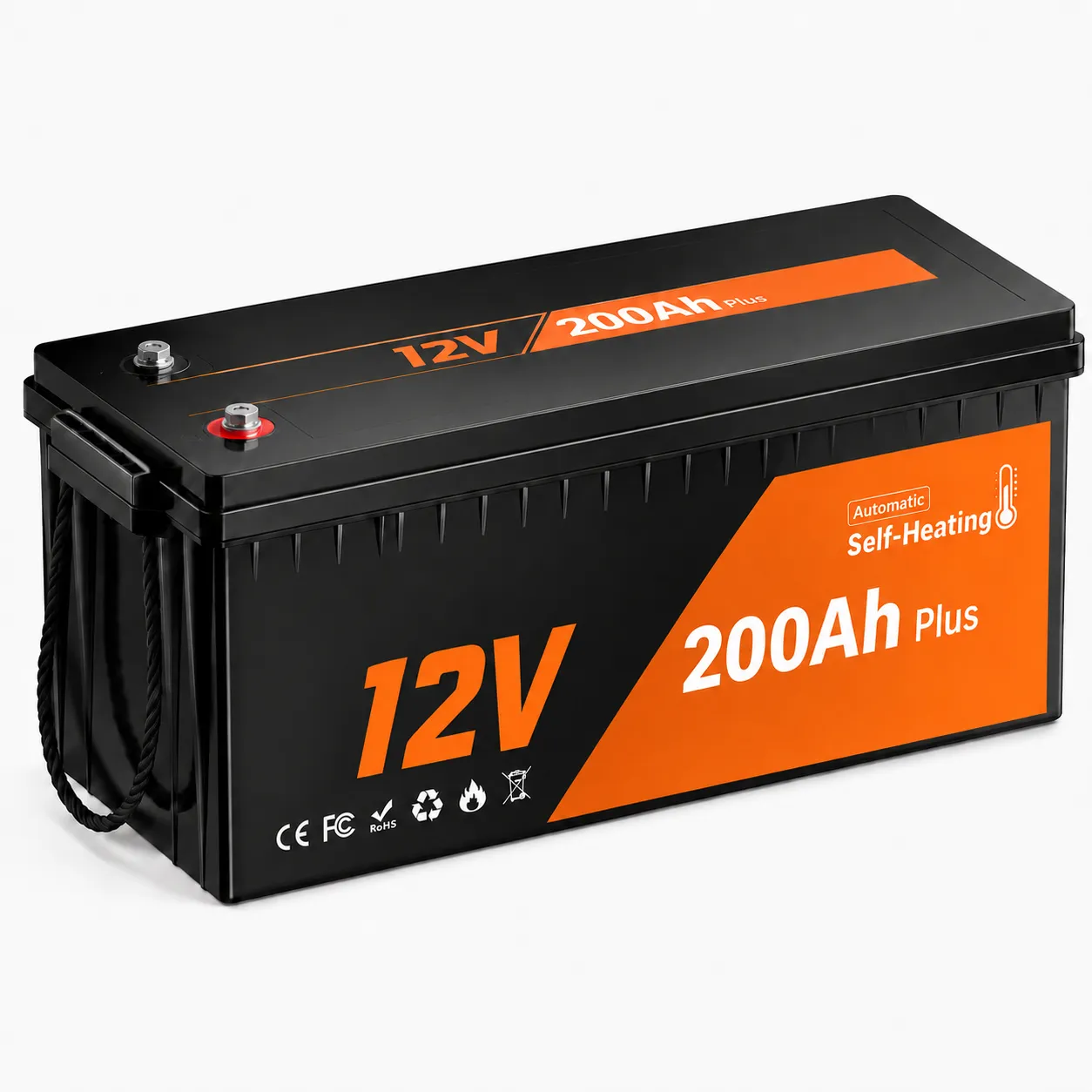
This model includes low-temperature protection but does not include self-heating.
When the cell temperature falls below 0°C, the BMS stops charging to help prevent cold-temperature cell damage. Charging becomes available again when the cell temperature reaches approximately 5°C.
Install the battery inside a dry, ventilated and securely mounted compartment. Low-temperature charging protection should not be described as self-heating.
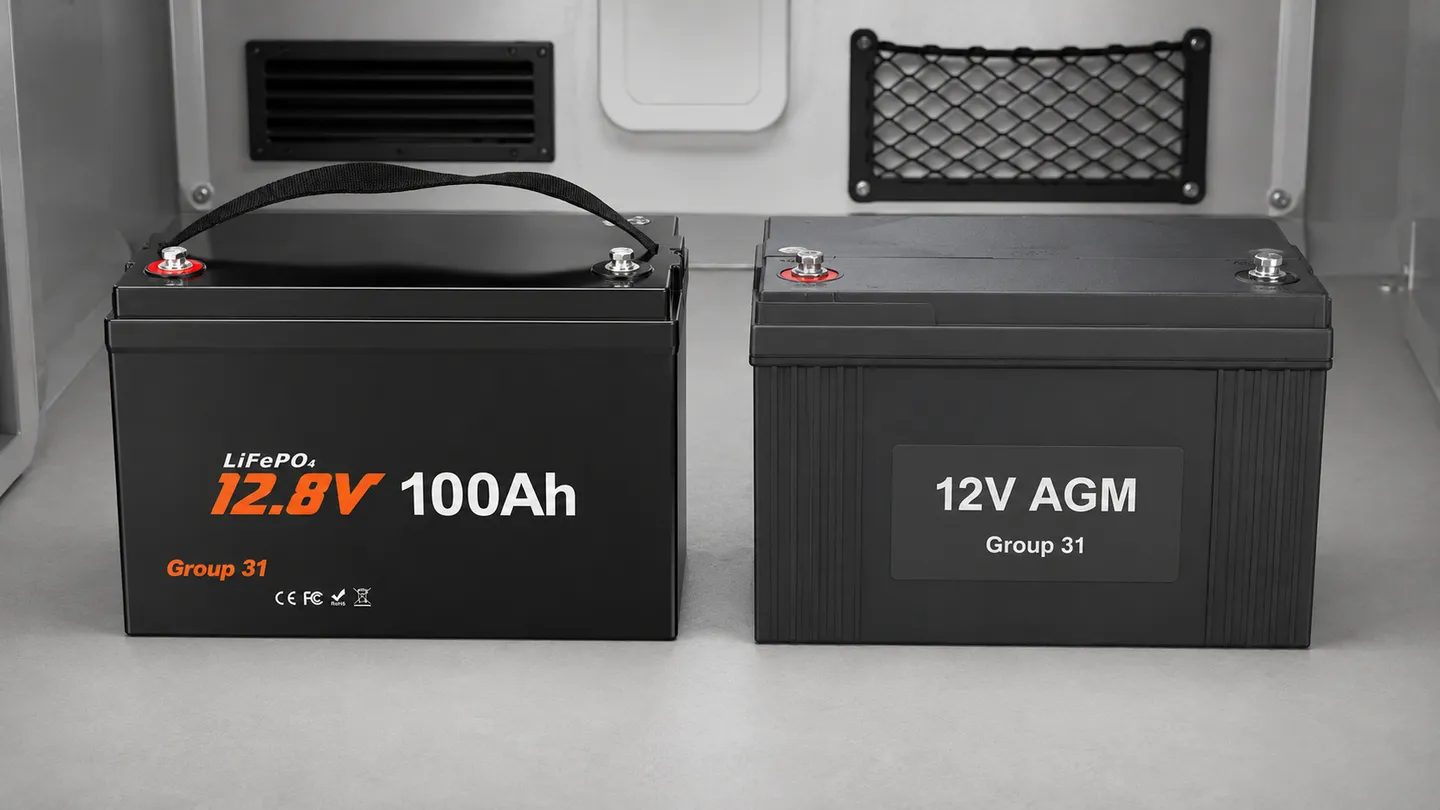
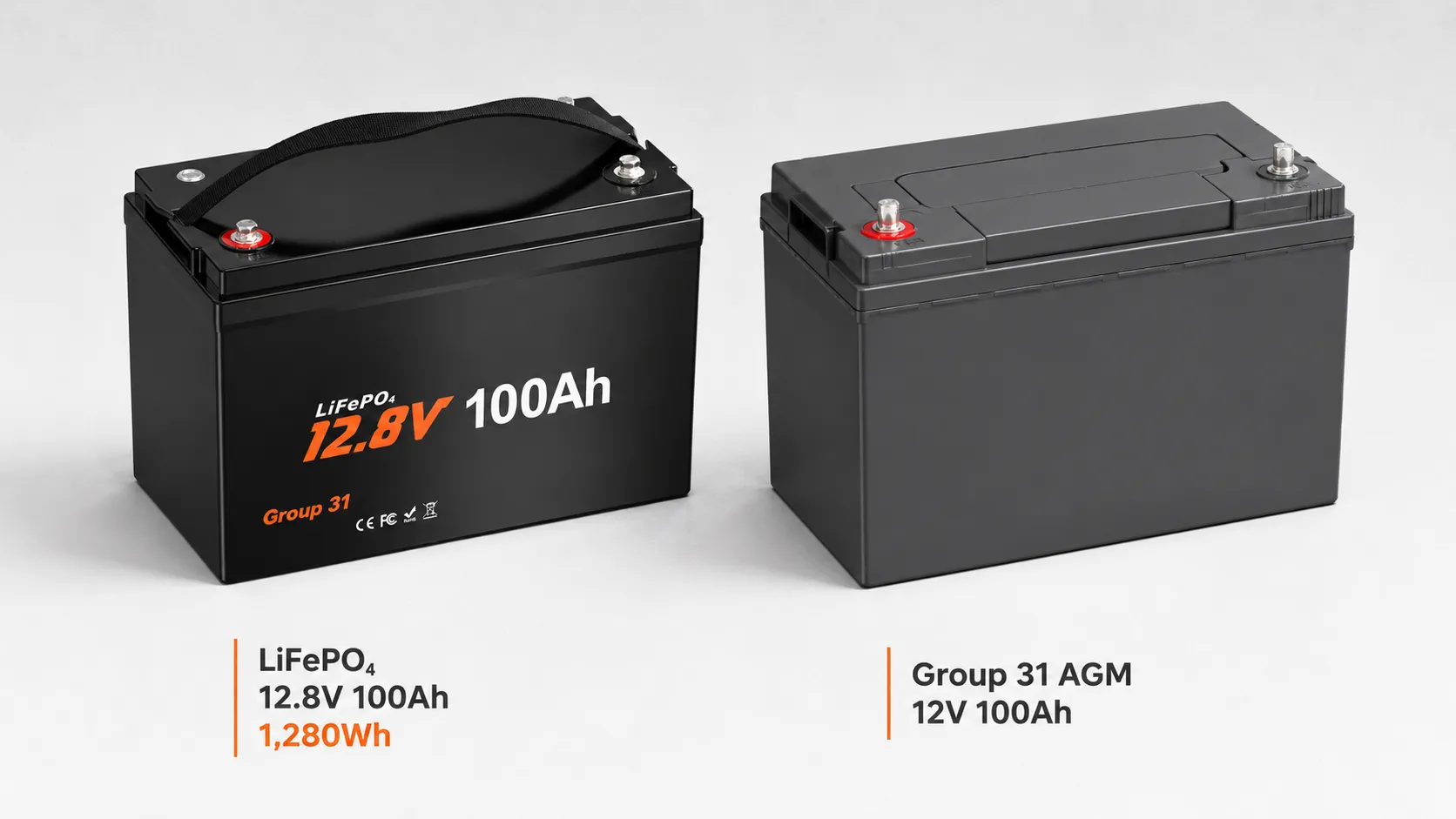
The Group 31 enclosure makes this 12V 100Ah lithium battery suitable for selected lead-acid and AGM replacement projects. Before installing it in an existing system, confirm:
Changing from lead-acid to LiFePO4 may require a compatible charging profile, DC-to-DC charger or changes to the battery-monitoring configuration.
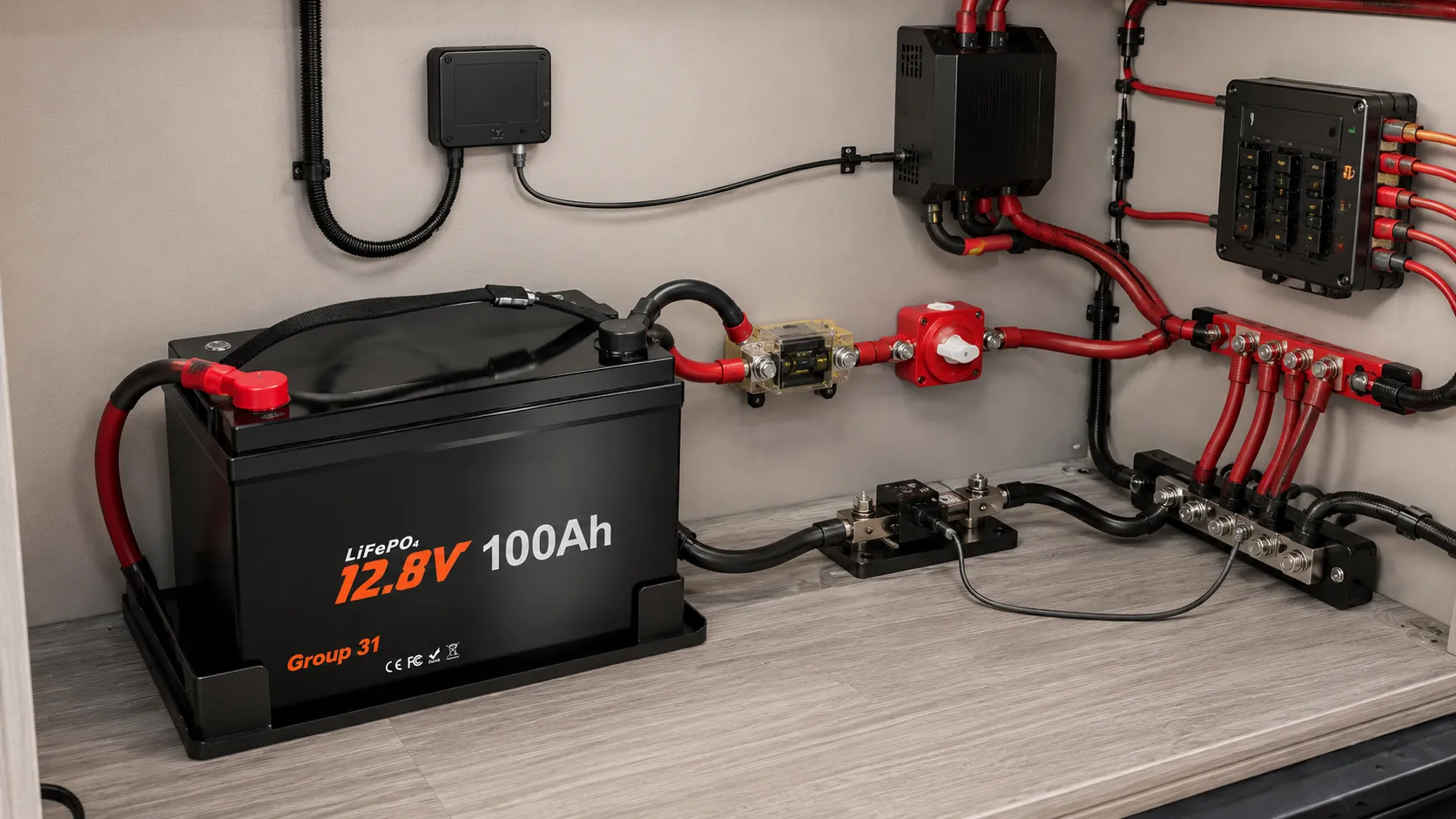
This 12V 100Ah deep-cycle battery can provide house power for compatible RVs, camper vans and mobile electrical systems. A safe installation should include correctly sized cables, a main fuse, battery disconnect switch and separate positive and negative busbars.
Positive circuit:
Battery Positive → Main Fuse → Battery Disconnect Switch → Positive Busbar → Inverter / DC Distribution
Negative circuit:
Battery Negative → Battery Monitor Shunt, when required → Negative Busbar → Inverter / DC Loads
If battery data is sent directly to a compatible Victron GX system through CAN communication, confirm whether the installation still requires a separate battery-monitor shunt.
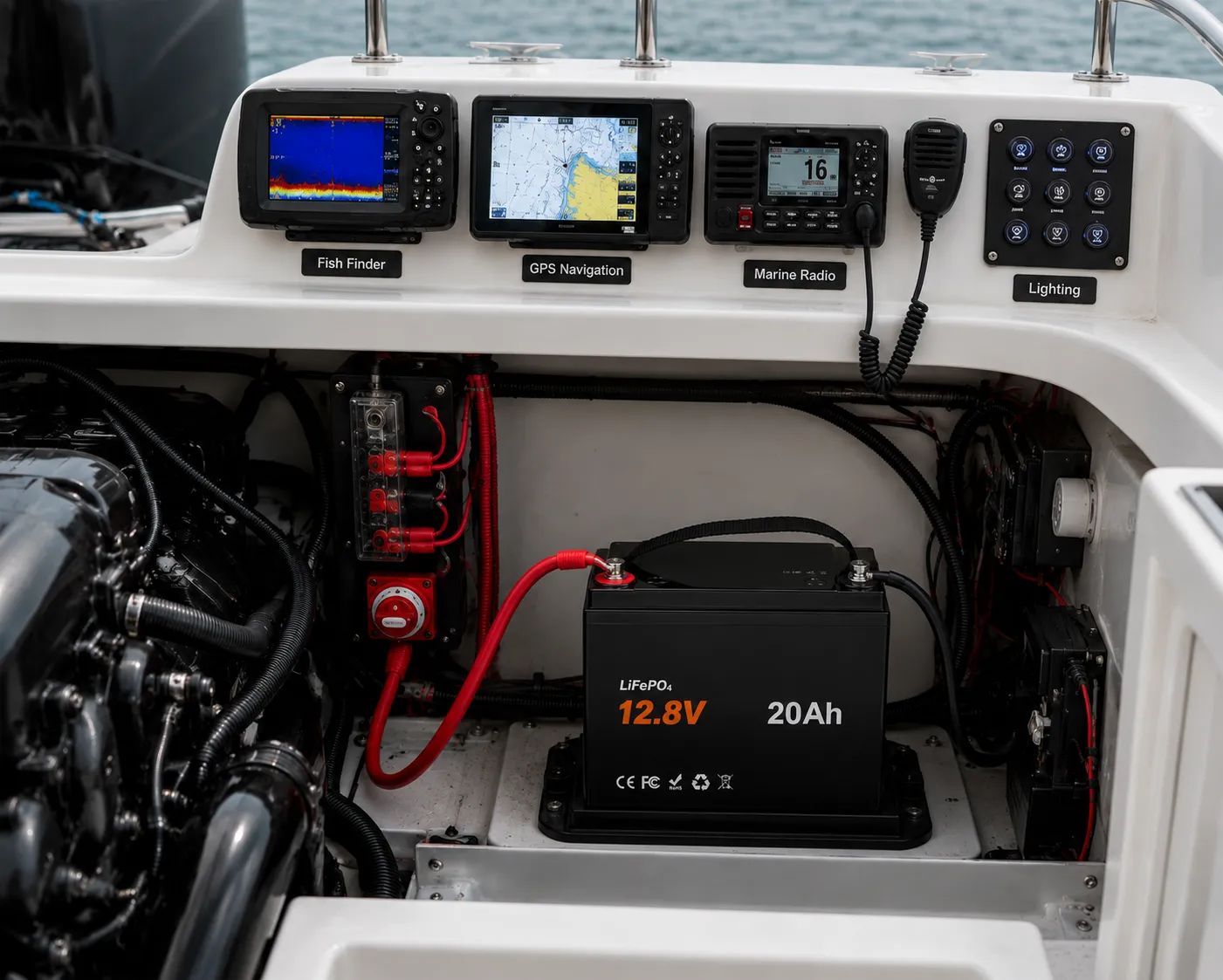
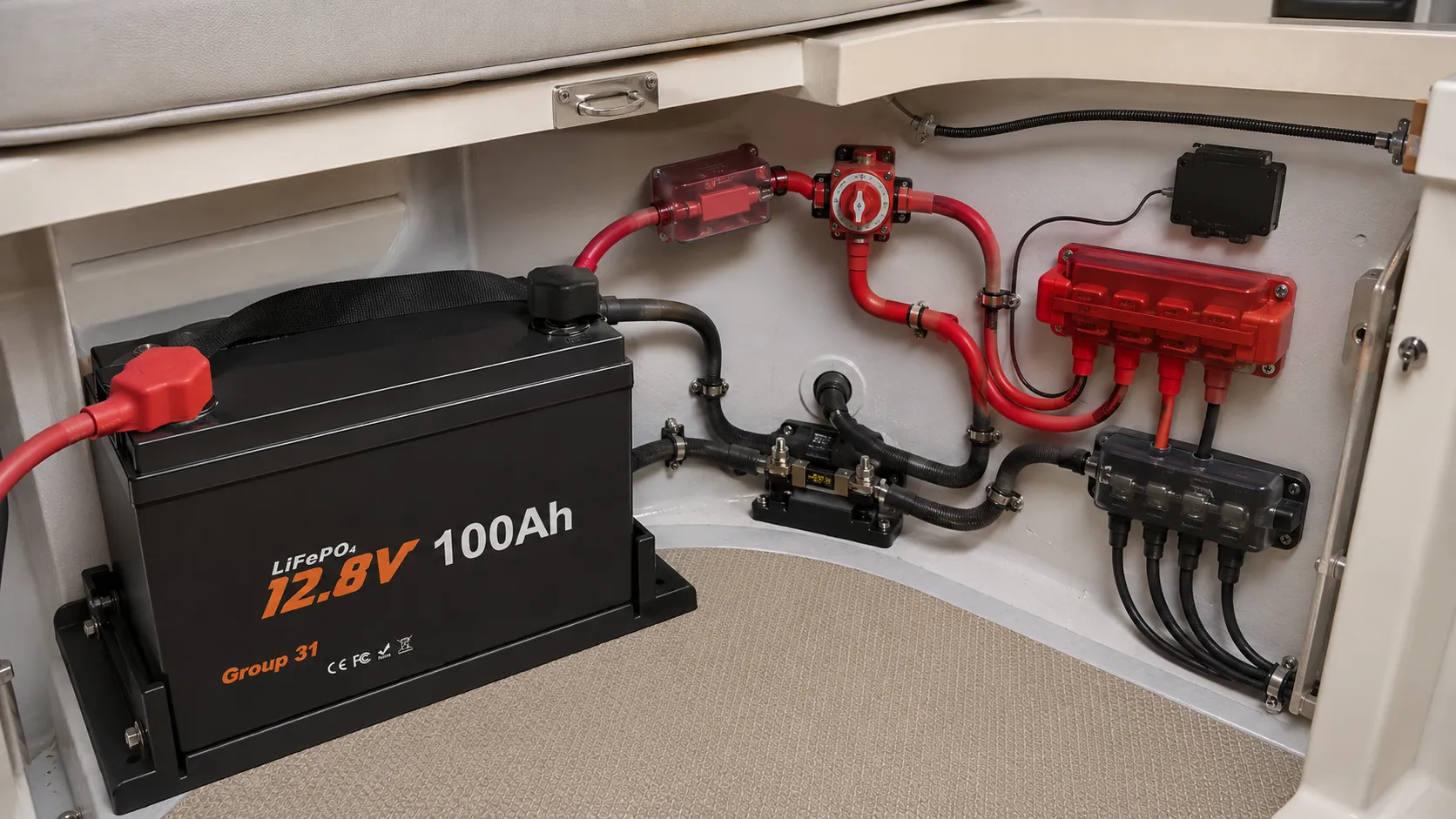
The battery can supply compatible marine house-power and trolling-motor systems when installed inside a dry internal battery compartment. Use a corrosion-resistant tray, secure mounting system, protected terminals and marine-grade cables.
This is a deep-cycle battery. Do not use it as an engine-starting battery unless the required starting-current performance has been tested and approved for the engine.
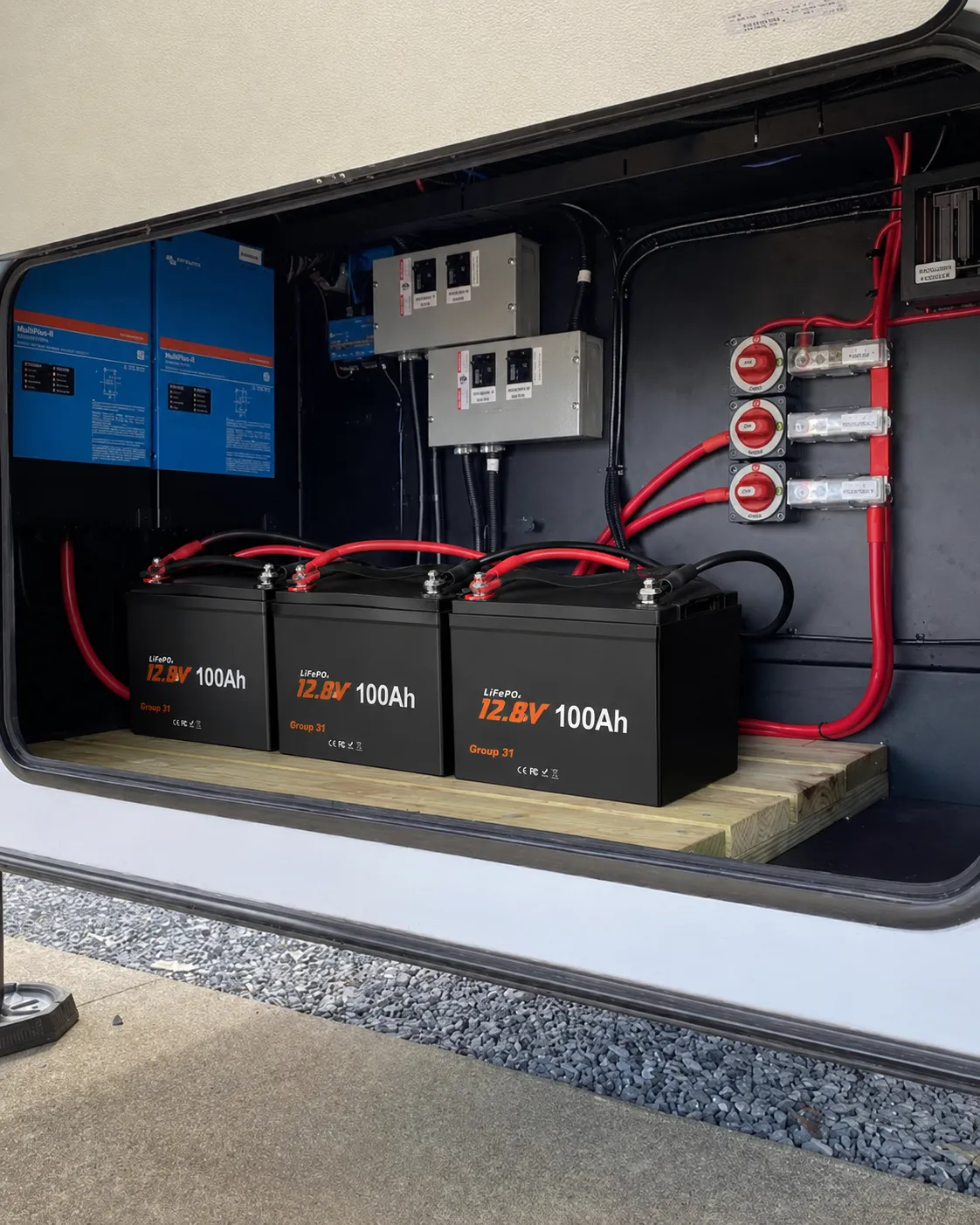
When active communication is not being used, the reference configuration supports up to four batteries in series and four batteries in parallel, subject to the battery manual and confirmed BMS configuration.
Only connect batteries of the same model, capacity, BMS version, firmware revision and state of charge. Parallel branches should use equal-length cables and appropriate branch protection.
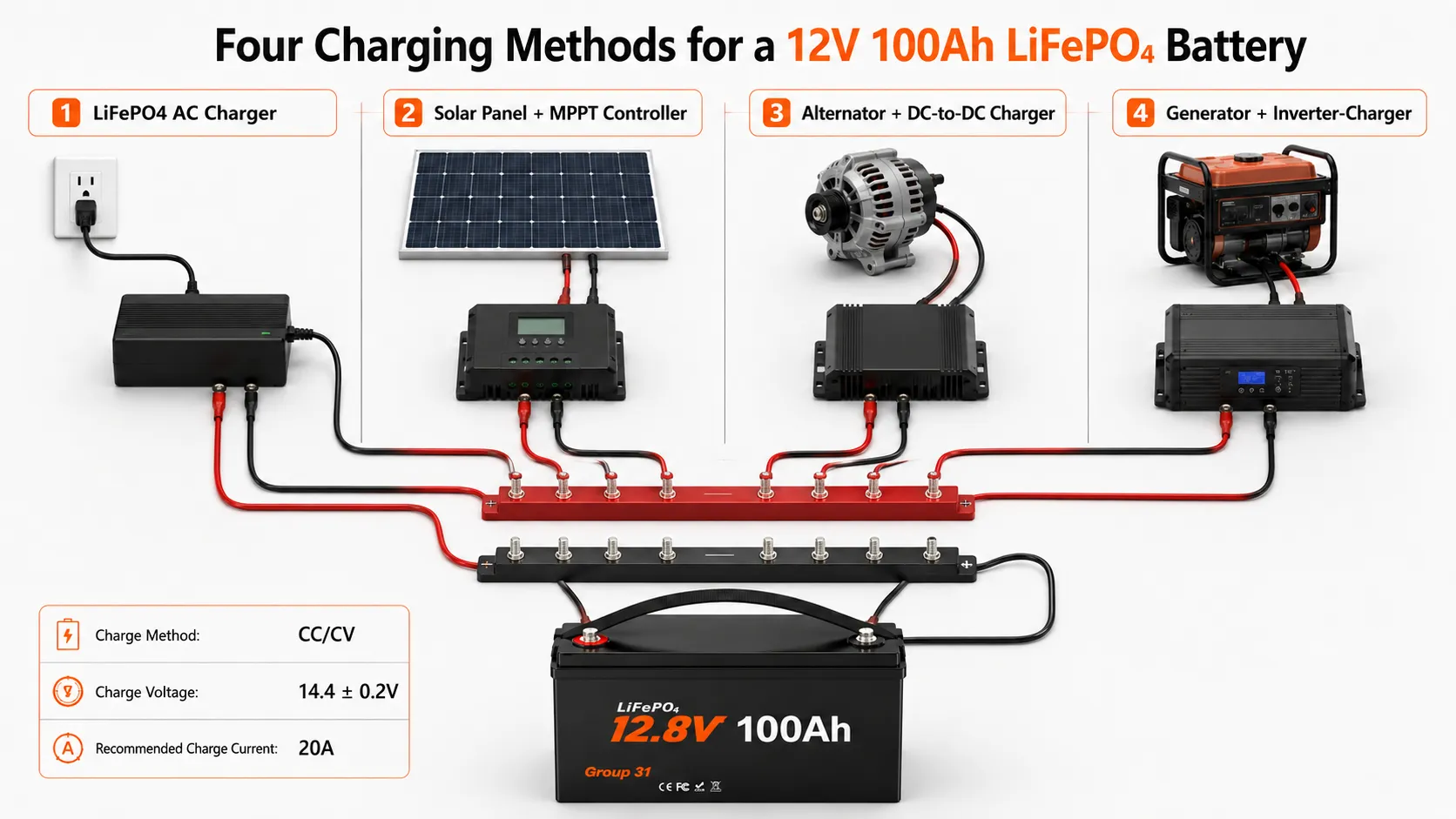
The battery uses a CC/CV charging profile with a reference charging voltage of 14.4V ± 0.2V and a recommended charging current of 20A.
Do not connect an alternator, generator or solar panel directly to the battery without appropriate charging equipment.
| Parameter | Specification |
|---|---|
| Battery chemistry | LiFePO4 |
| Nominal voltage | 12.8V |
| Rated capacity | 100Ah |
| Rated energy | 1,280Wh |
| Battery-management system | 100A Smart BMS |
| Maximum continuous output power | 1,280W |
| Maximum continuous charge current | 100A |
| Maximum continuous discharge current | 100A |
| Reference one-second discharge current | 500A |
| Communication | CAN and RS485 |
| Victron communication | Available with confirmed protocol, cable and compatible system configuration |
| Bluetooth | Bluetooth 5.0 monitoring |
| Self-heating | No |
| Low-temperature charging protection | Yes |
| Cycle life | 4,000 cycles at 100% DOD; 6,000 cycles at 80% DOD; 15,000 cycles at 60% DOD |
| Charge method | CC/CV |
| Charge voltage | 14.4V ± 0.2V |
| Recommended charge current | 20A |
| Charge temperature | 0°C–50°C / 32°F–122°F |
| Discharge temperature | −20°C–60°C / −4°F–140°F |
| Storage temperature | −10°C–50°C / 14°F–122°F |
| Automatic charge cut-off | Below 0°C / 32°F |
| Automatic charge recovery | At or above 5°C / 41°F |
| Automatic discharge cut-off | Below −20°C / −4°F |
| Maximum expansion | Up to 4P4S without active communication, subject to the product manual |
| Terminals | M8 bolts |
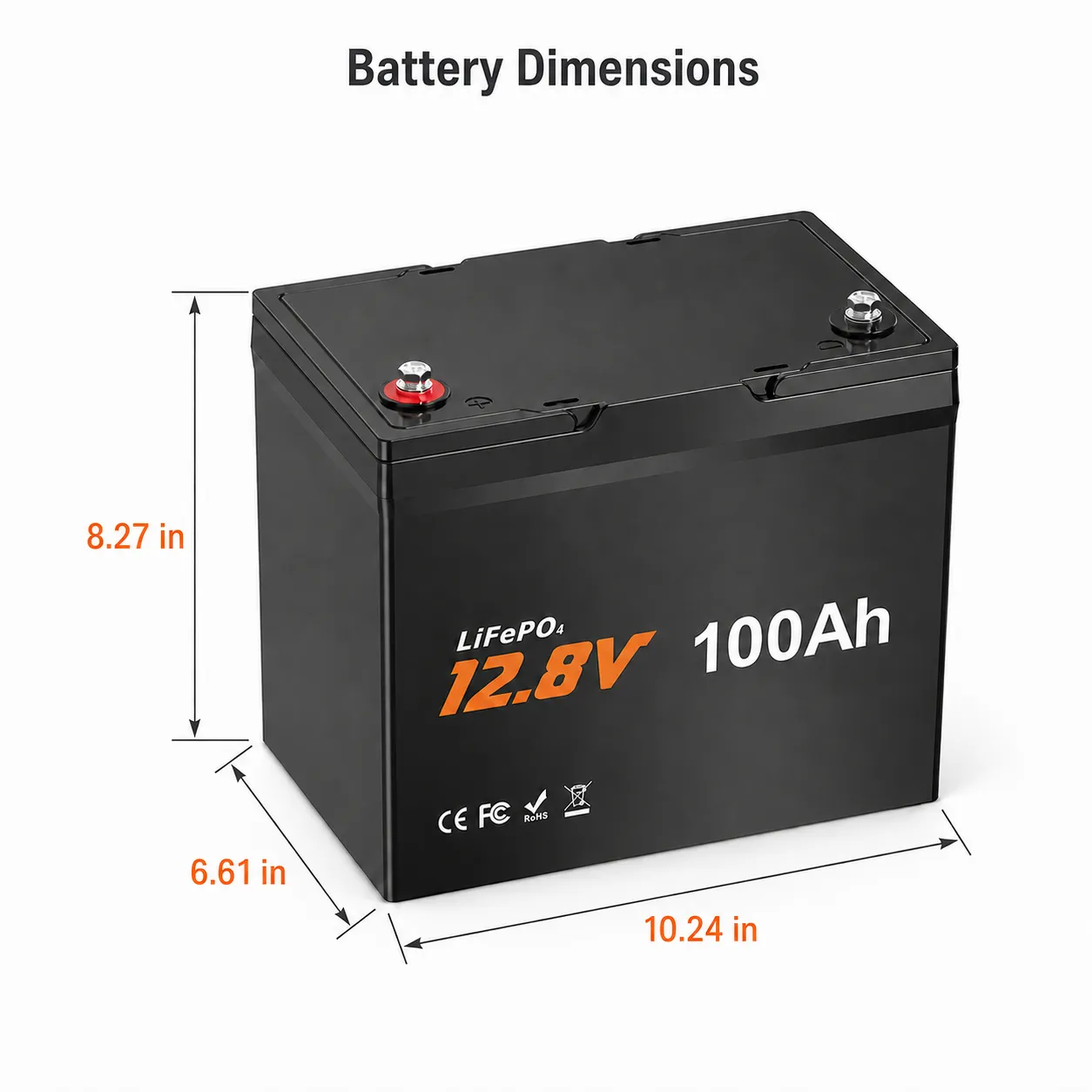
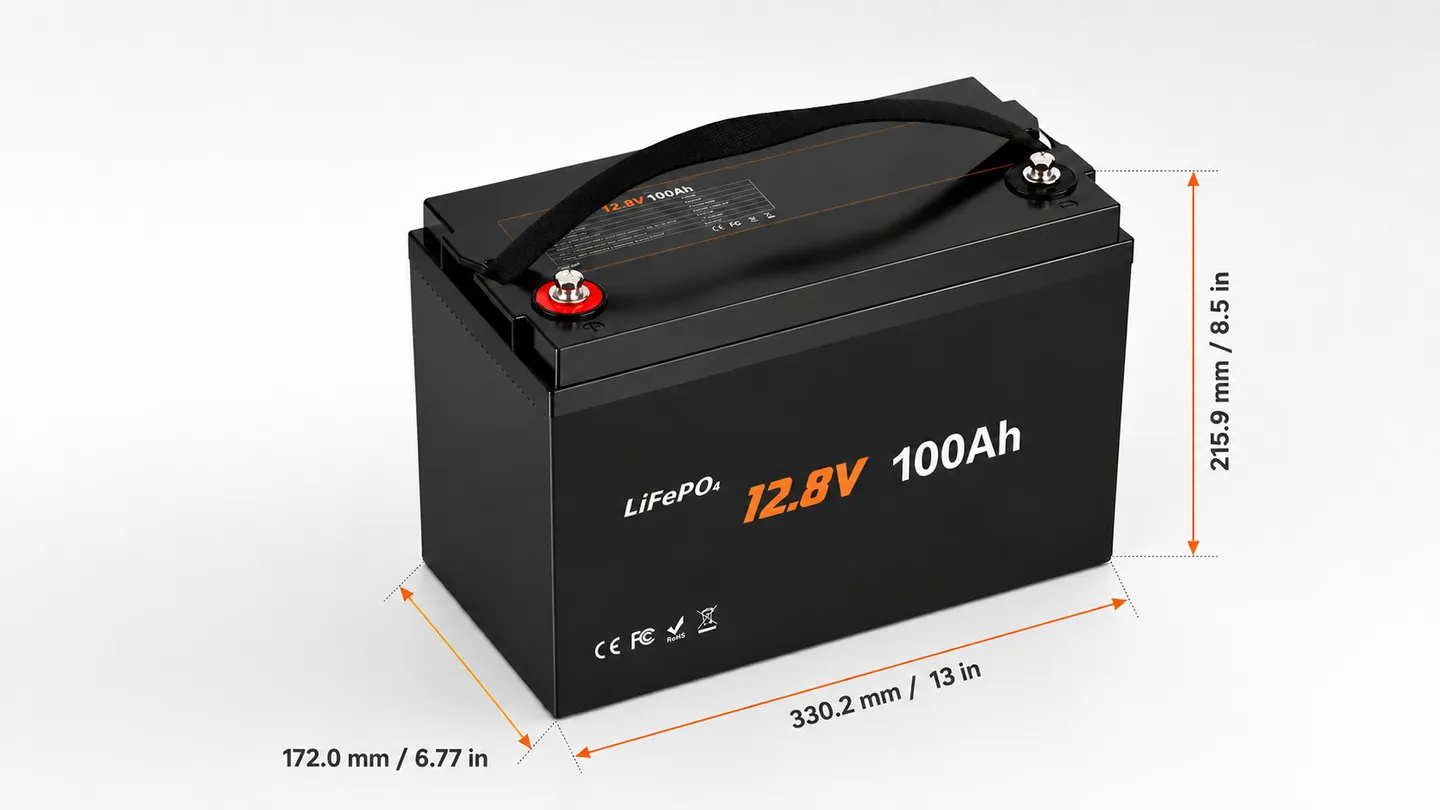
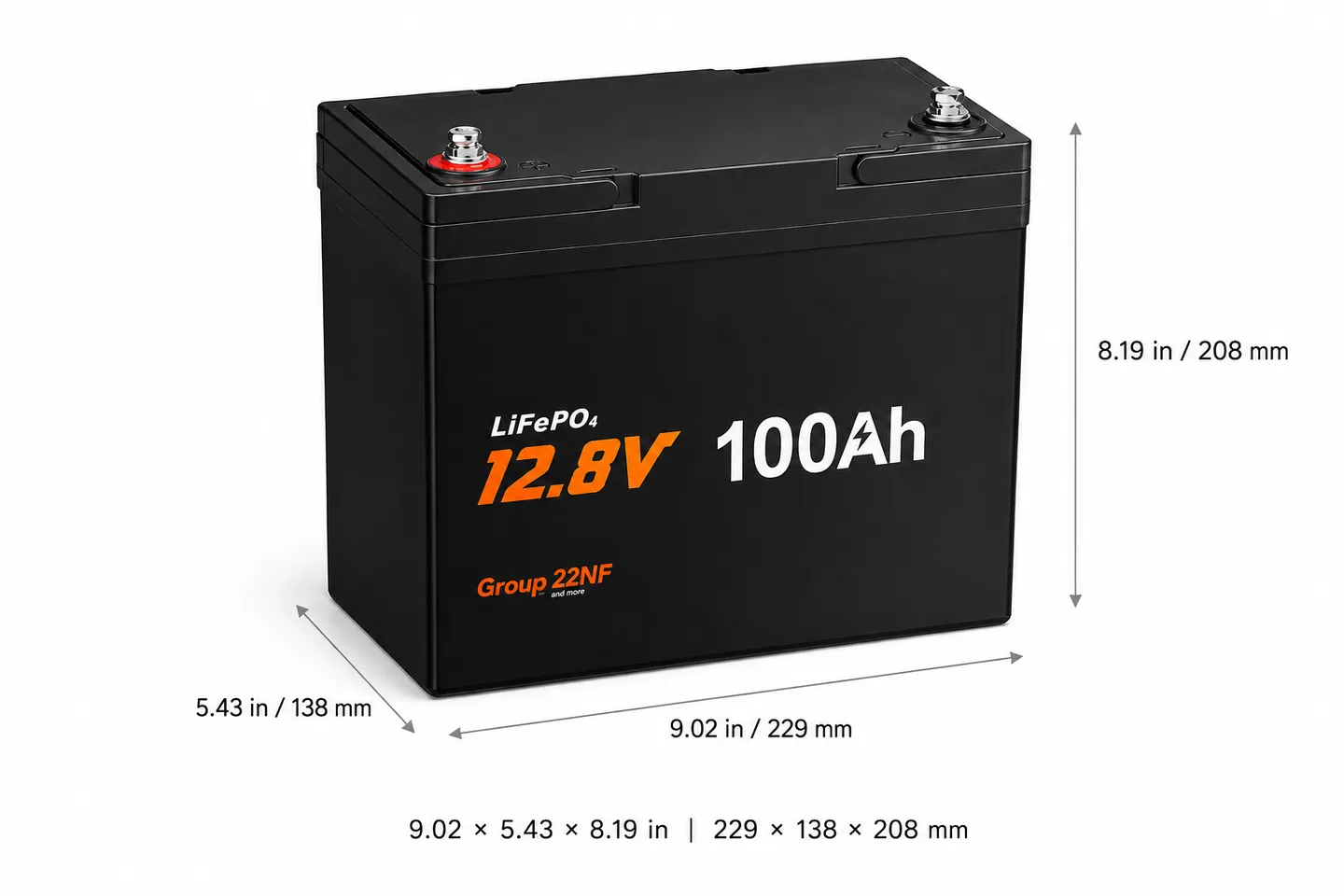
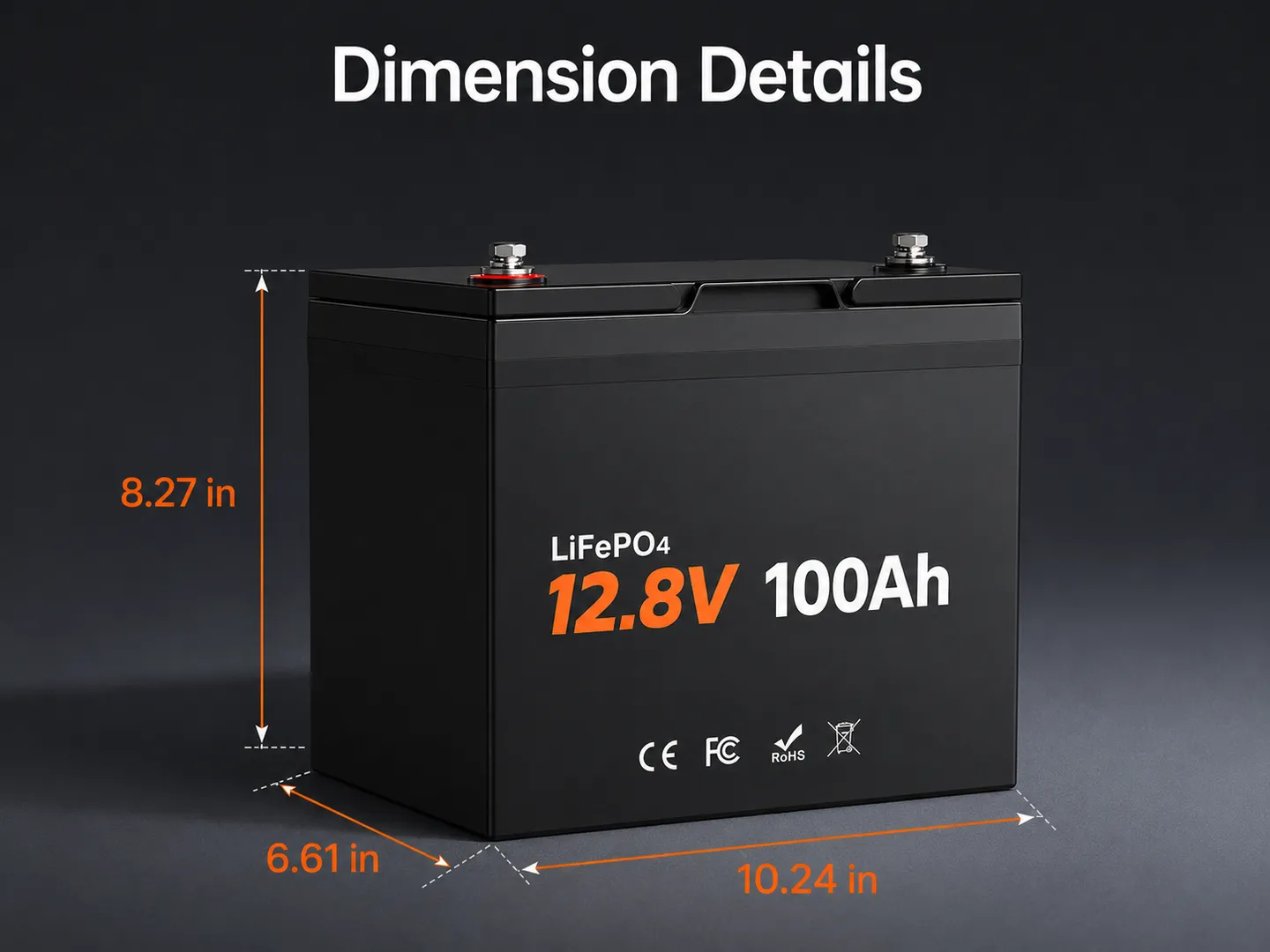
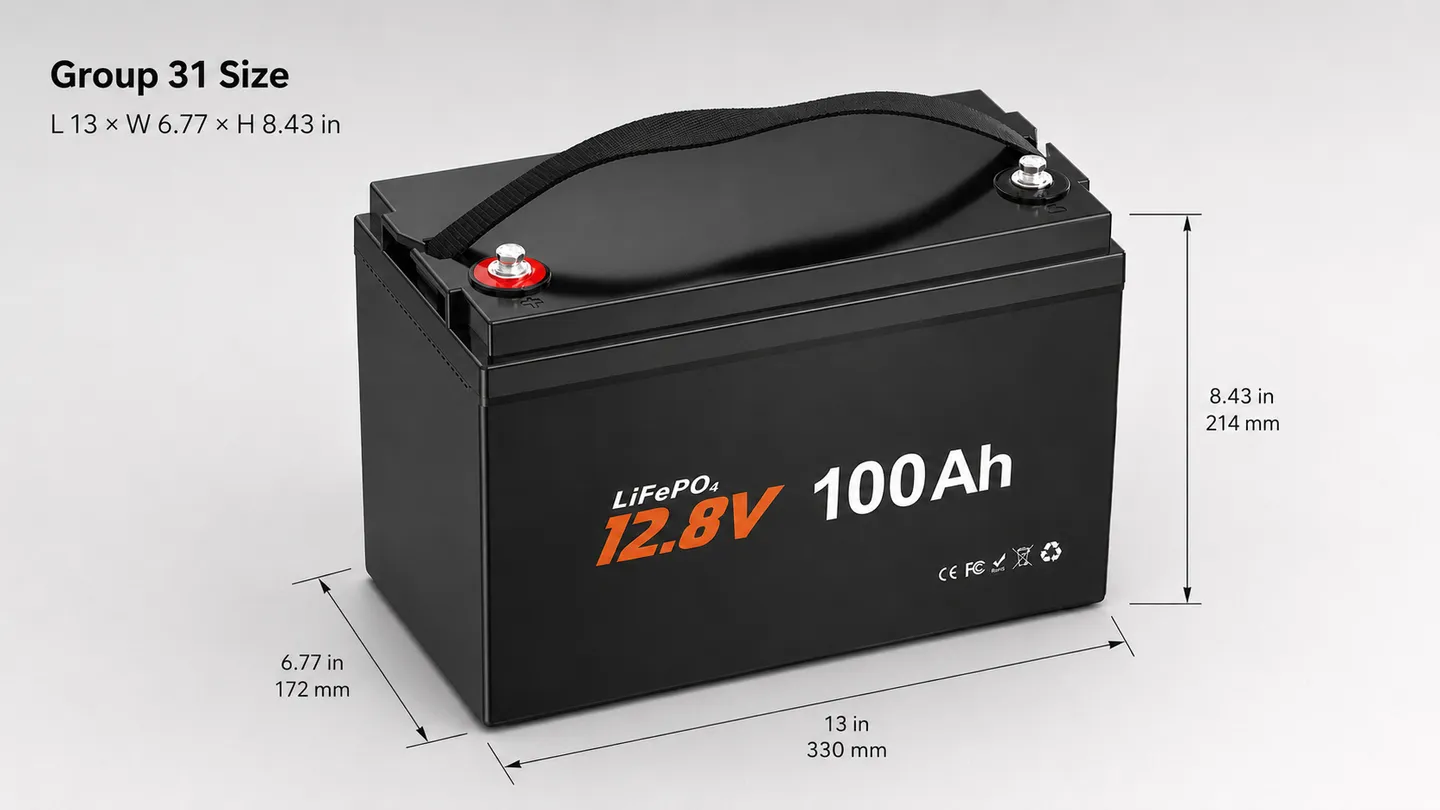
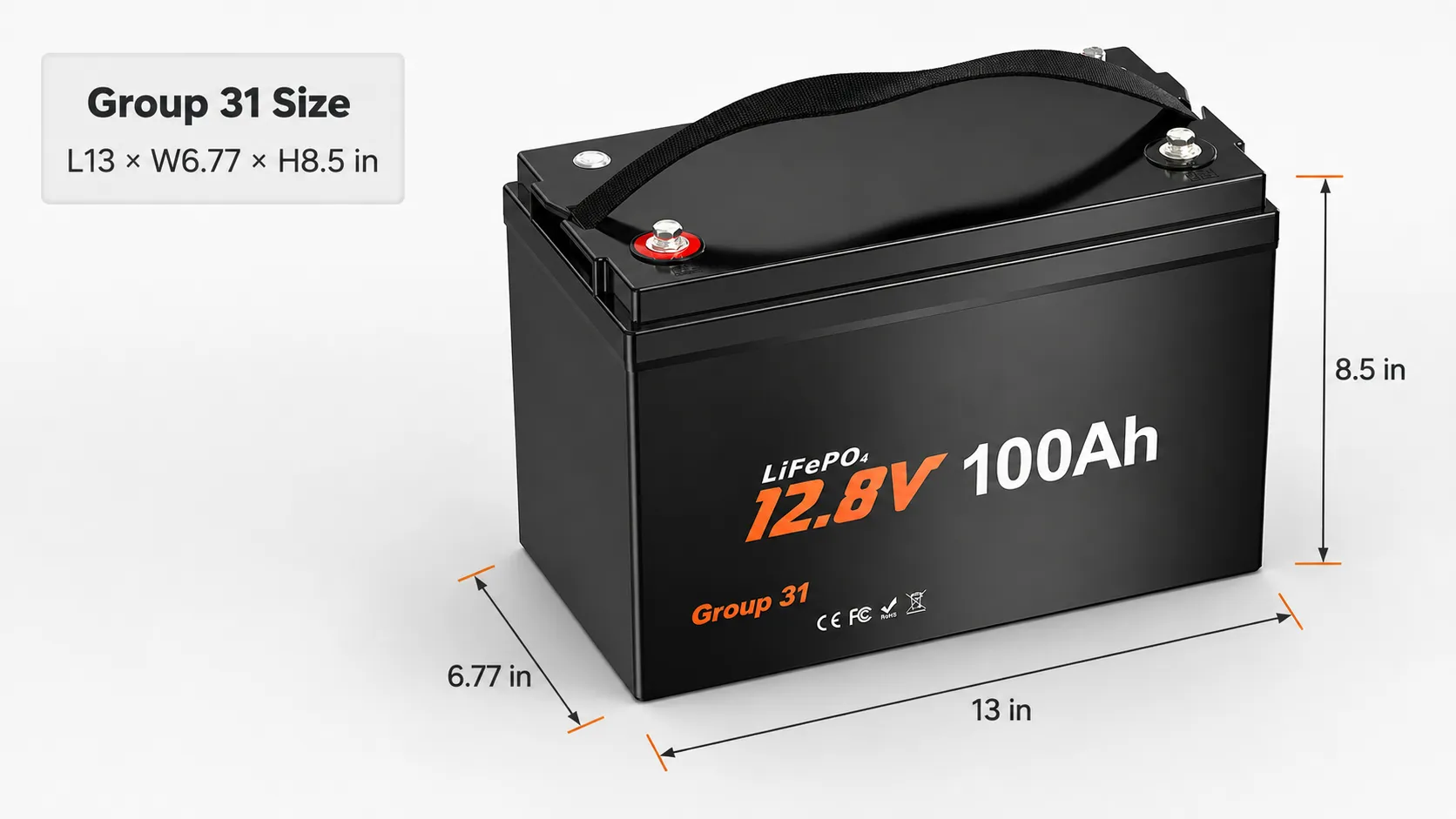
| Dimensions | 13 × 6.77 × 8.5 in |
| Metric dimensions | Approximately 330 × 172 × 216 mm |
| Case size | Group 31 |
| Weight | Approximately 21.6 lb / 9.8 kg |
| Housing material | ABS |
| Protection rating | IP65 |
OEM and private-label support is available for RV manufacturers, boat builders, system integrators, distributors and battery brands that require a 12V lithium battery with customised BMS and communication settings.
Protocol support, certifications and test documents depend on the confirmed model, destination market and project requirements.
It is designed to support CAN communication with compatible Victron-based systems. Compatibility depends on the battery protocol, communication cable, pinout, GX device, firmware and system settings. Confirm the complete equipment list before ordering.
It can replace a compatible 12V Group 31 deep-cycle battery after the compartment dimensions, terminal layout, charger profile, maximum load, cable size, fuse rating and operating temperature have been confirmed.
Use a compatible LiFePO4 charging profile. The reference charge method is CC/CV, the charging voltage is 14.4V ± 0.2V and the recommended charging current is 20A.
The reference configuration supports up to four batteries in series and four batteries in parallel without active communication. Only connect batteries of the same model, BMS version, firmware, capacity and state of charge according to the product manual.
The BMS stops charging below 0°C to protect the cells and allows charging again when the cell temperature reaches approximately 5°C. This model does not include self-heating.
Bluetooth provides convenient local battery monitoring from a compatible mobile device. CAN and RS485 support wired communication with compatible controllers, displays and power-system equipment when the correct protocol and cable are used.
This 12V 100Ah LiFePO4 battery is suitable for RV brands, marine installers, system integrators and distributors that require Bluetooth monitoring and CAN/RS485 communication for compatible power systems.
Contact our team for protocol confirmation, product specifications, sample evaluation, OEM configuration, production lead time and wholesale pricing.
Many LiFePO4 batteries can replace compatible lead-acid deep-cycle batteries in RVs, boats, golf carts and industrial equipment. Before installation, confirm the system voltage, battery dimensions, terminal layout, charger profile, maximum load, cable size, fuse rating and operating temperature.
Most LiFePO4 batteries are compatible with standard 12V, 24V, 36V or 48V inverters when the system voltage and power requirements match. Many modern chargers also include a LiFePO4 charging profile. For lead-acid replacement projects, confirm the charger voltage, inverter rating and maximum load before installation. A compatible charger or DC-to-DC charger may be required if the existing charging equipment does not support LiFePO4 batteries.
Yes. OEM and custom battery support can include voltage, capacity, BMS settings, enclosures, terminals, connectors, communication protocols, labels and packaging. Send us the application, electrical requirements, installation dimensions and expected order quantity for review.
MOQ depends on the battery model, specification and customization requirements. Standard models may be available for sample testing, while custom enclosures, private labels and OEM production normally require a confirmed order quantity. Contact us with the model and required quantity for details.
Available certifications and documents depend on the battery model and destination market. Supporting documents may include UN38.3, MSDS, CE, RoHS and product test reports. Confirm the required documents and target market before placing an order.
Lead time depends on the battery model, order quantity, customization and testing requirements. Export shipping options are arranged according to the battery specification, destination and order volume. Send us the required quantity, delivery location and target schedule for a project-specific quotation.