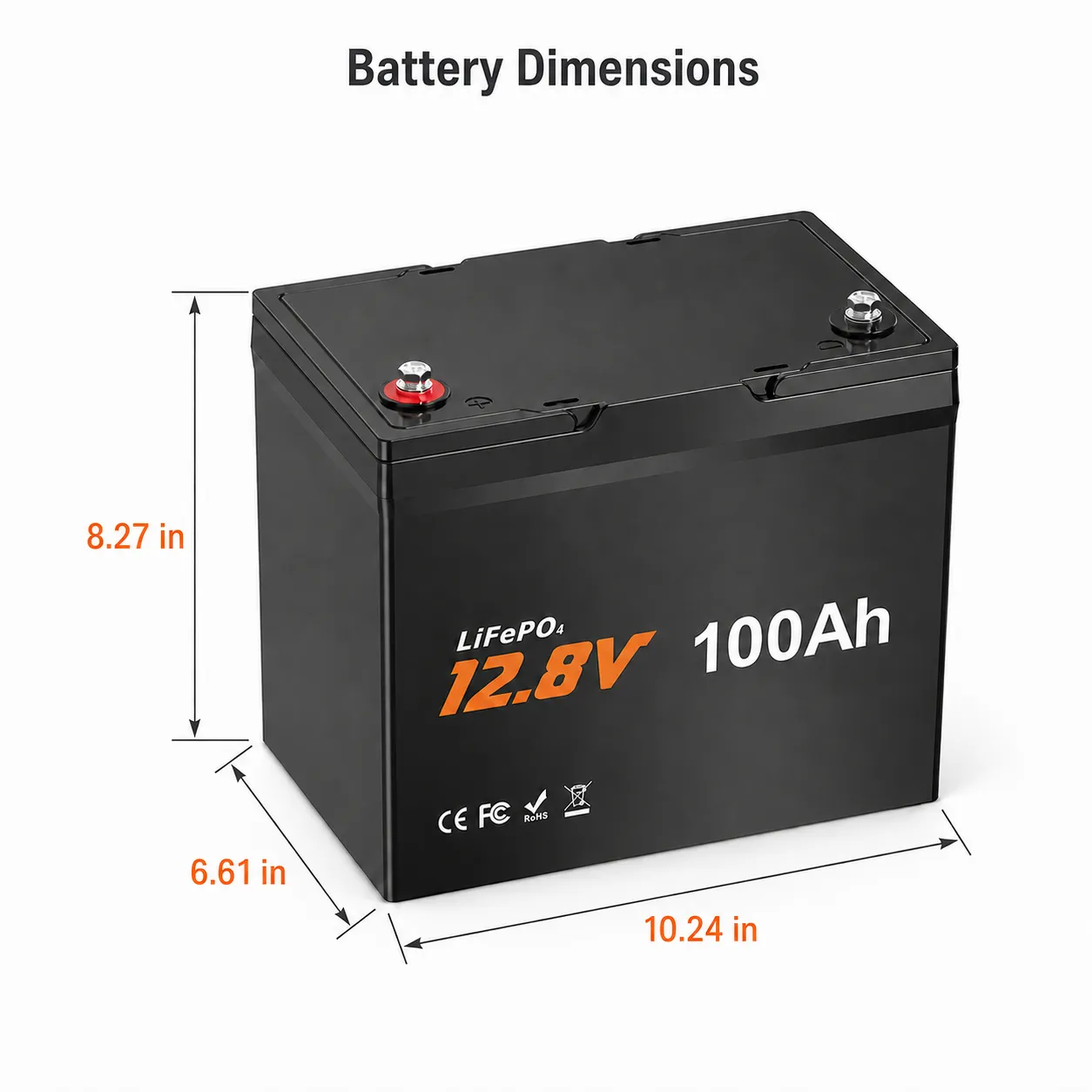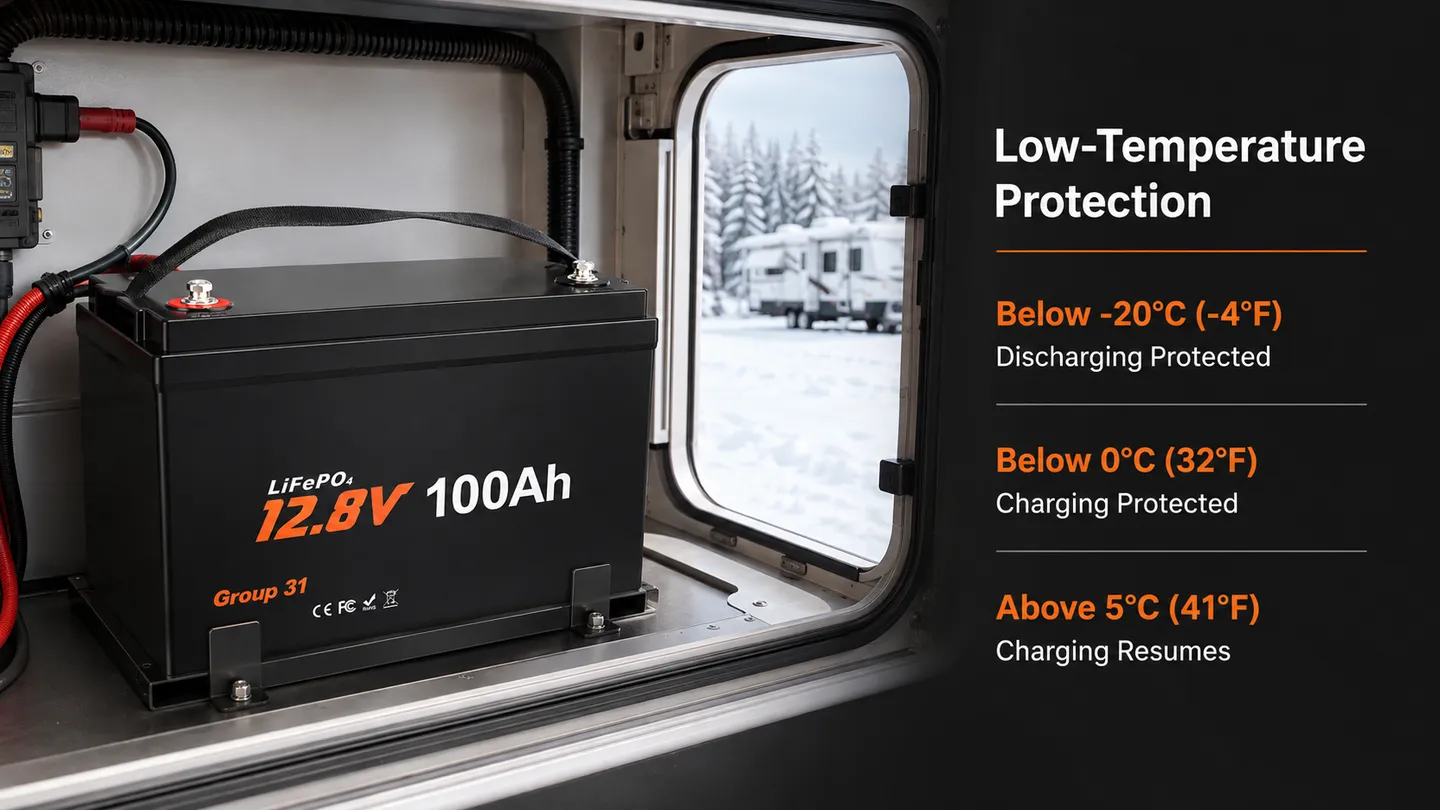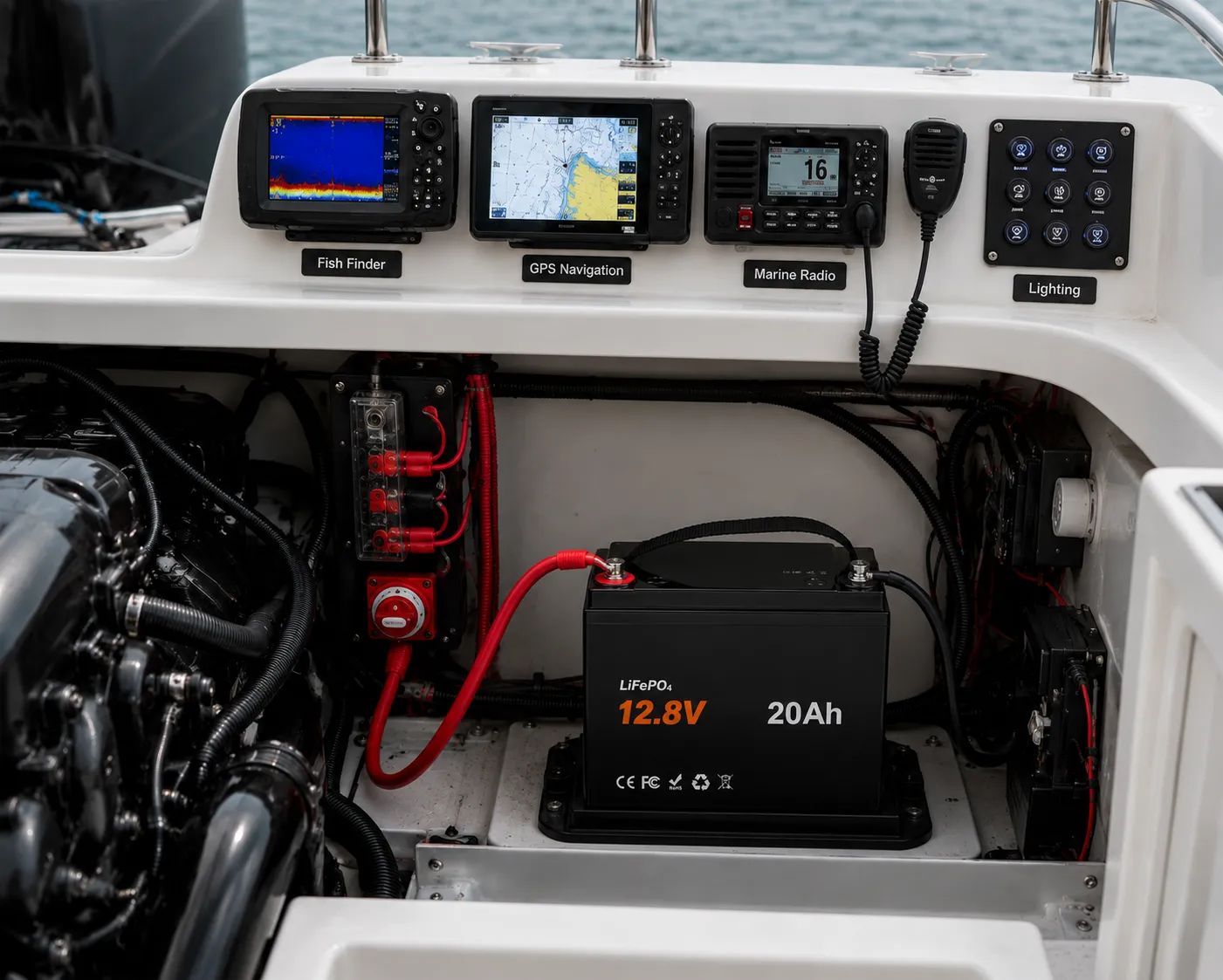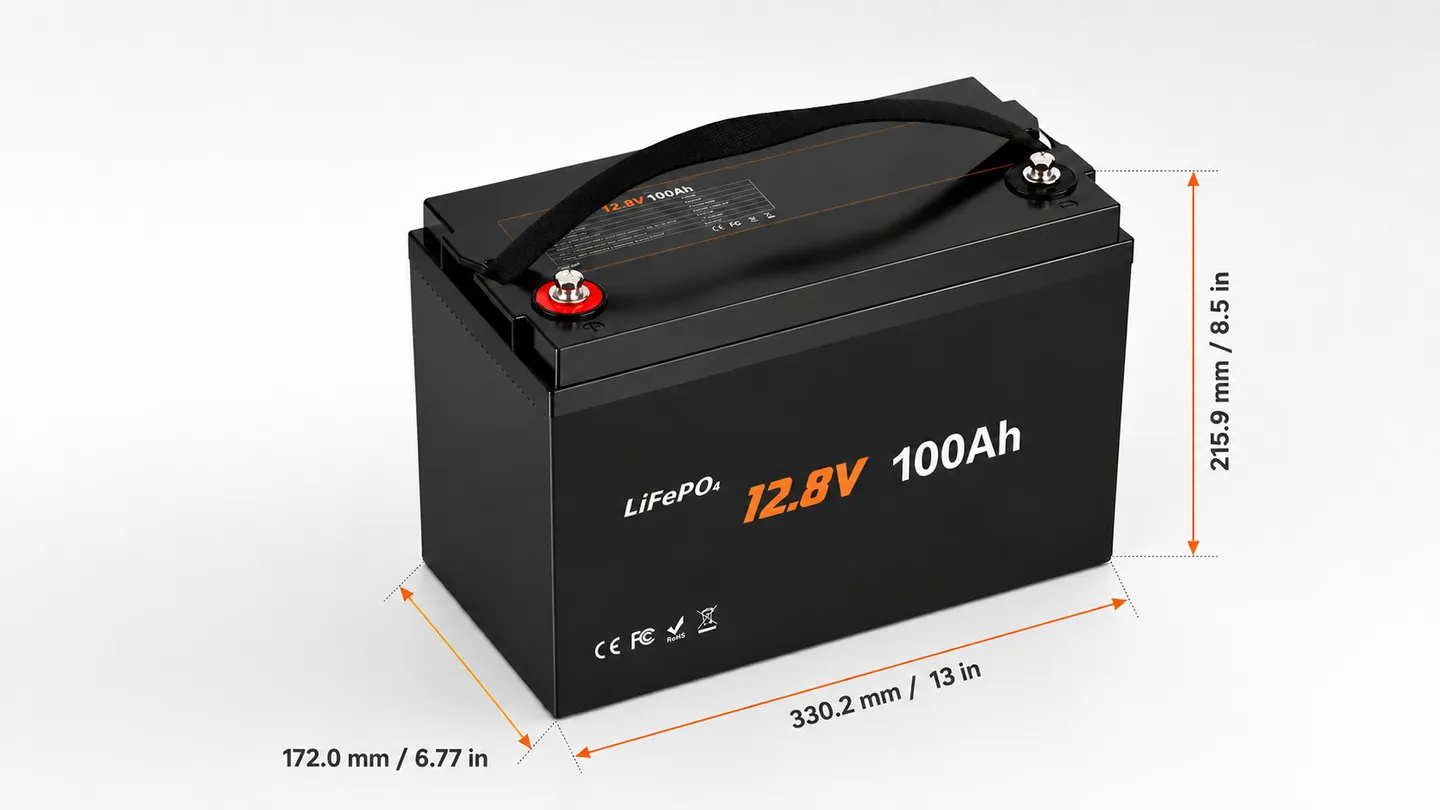
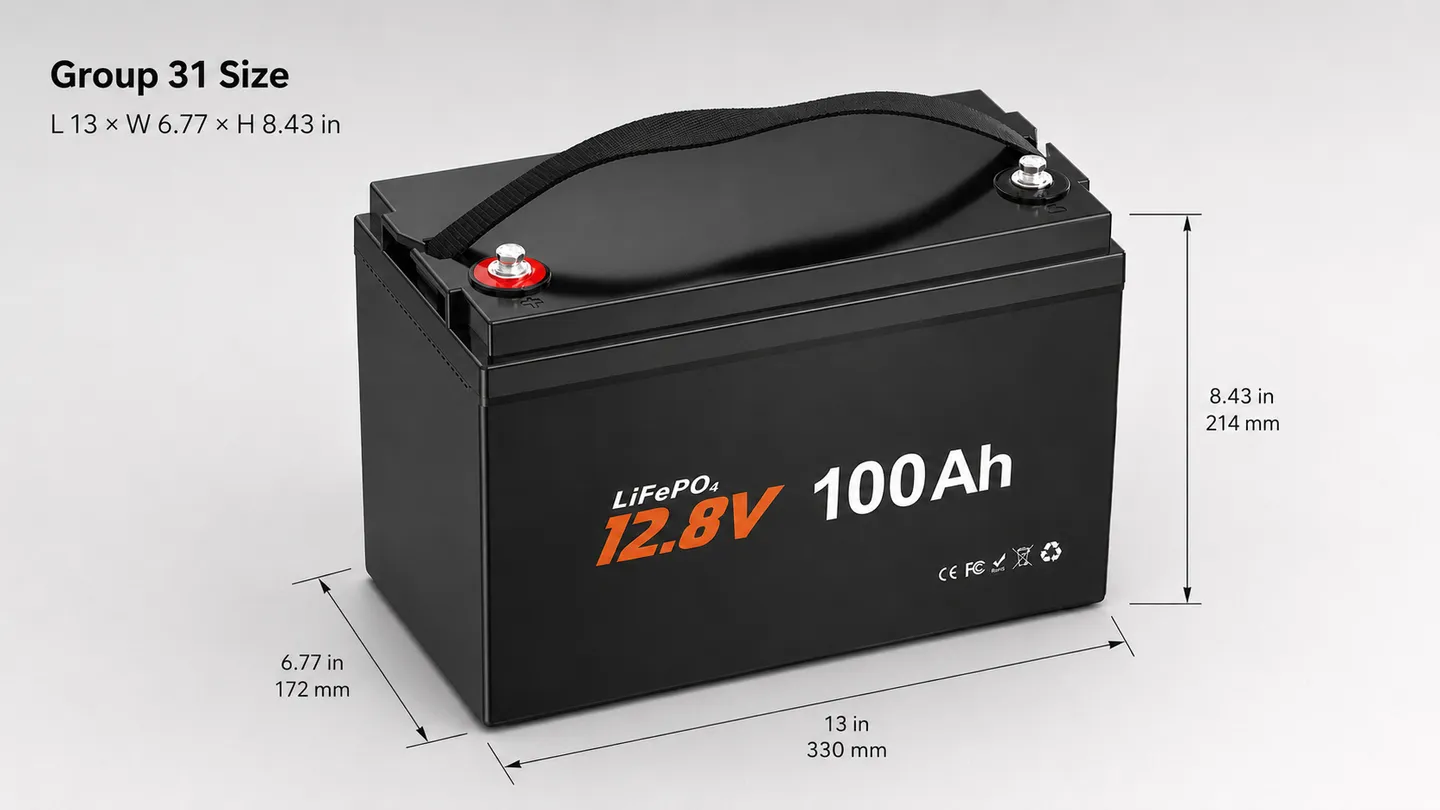
12V 100Ah Group 31 LiFePO4 Battery for Trolling Motors
$169.00
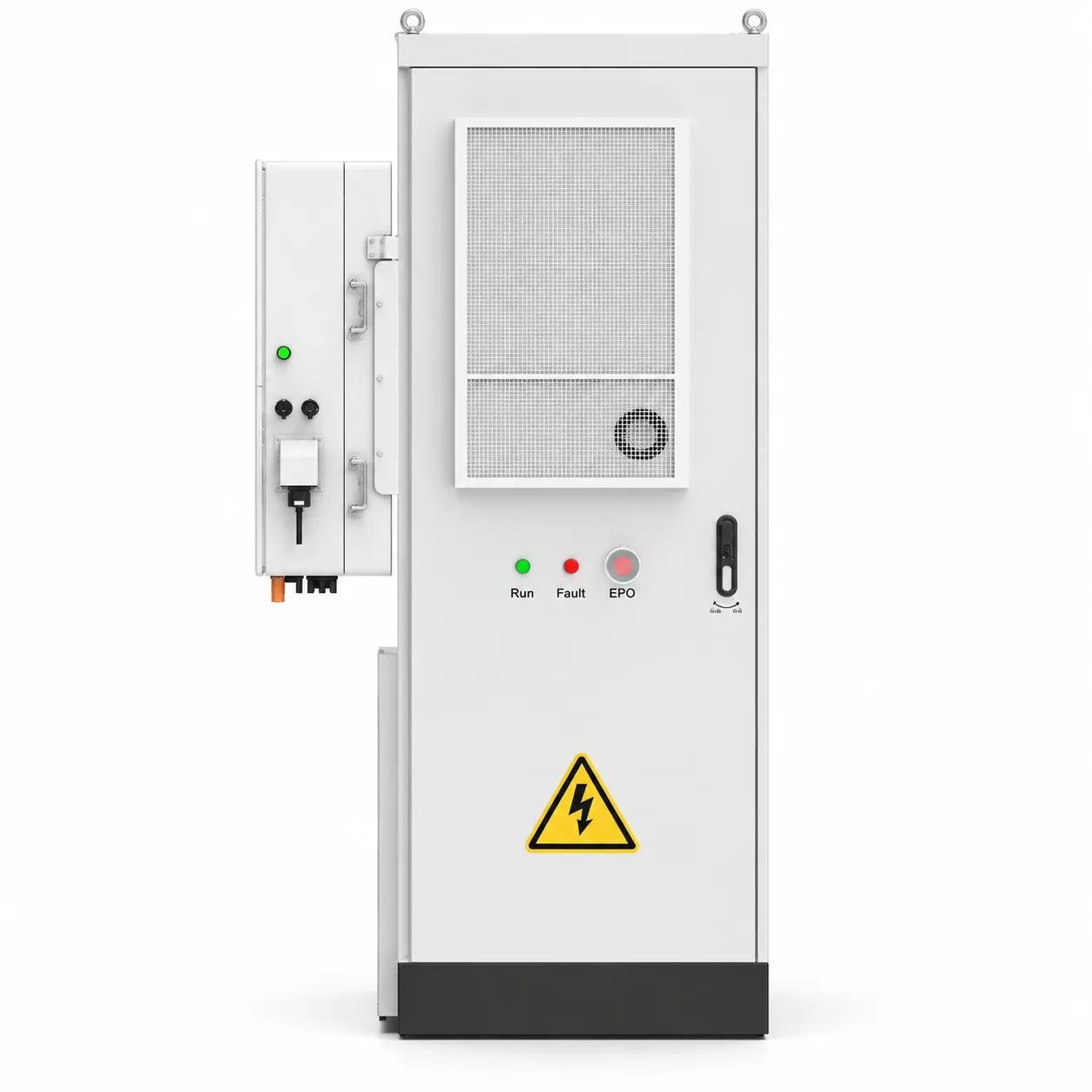
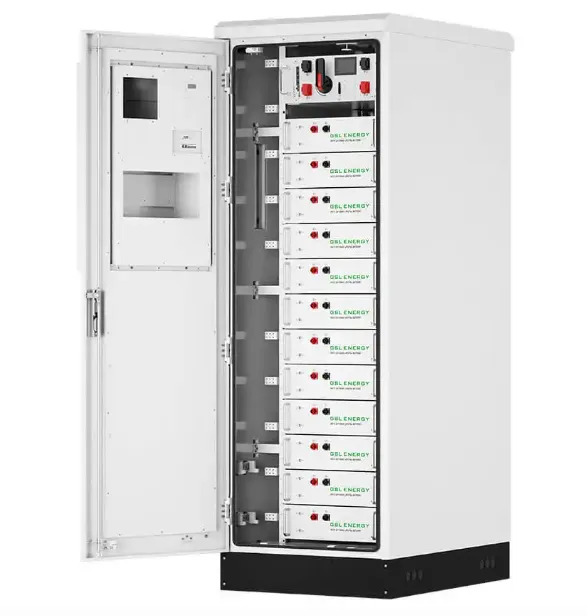
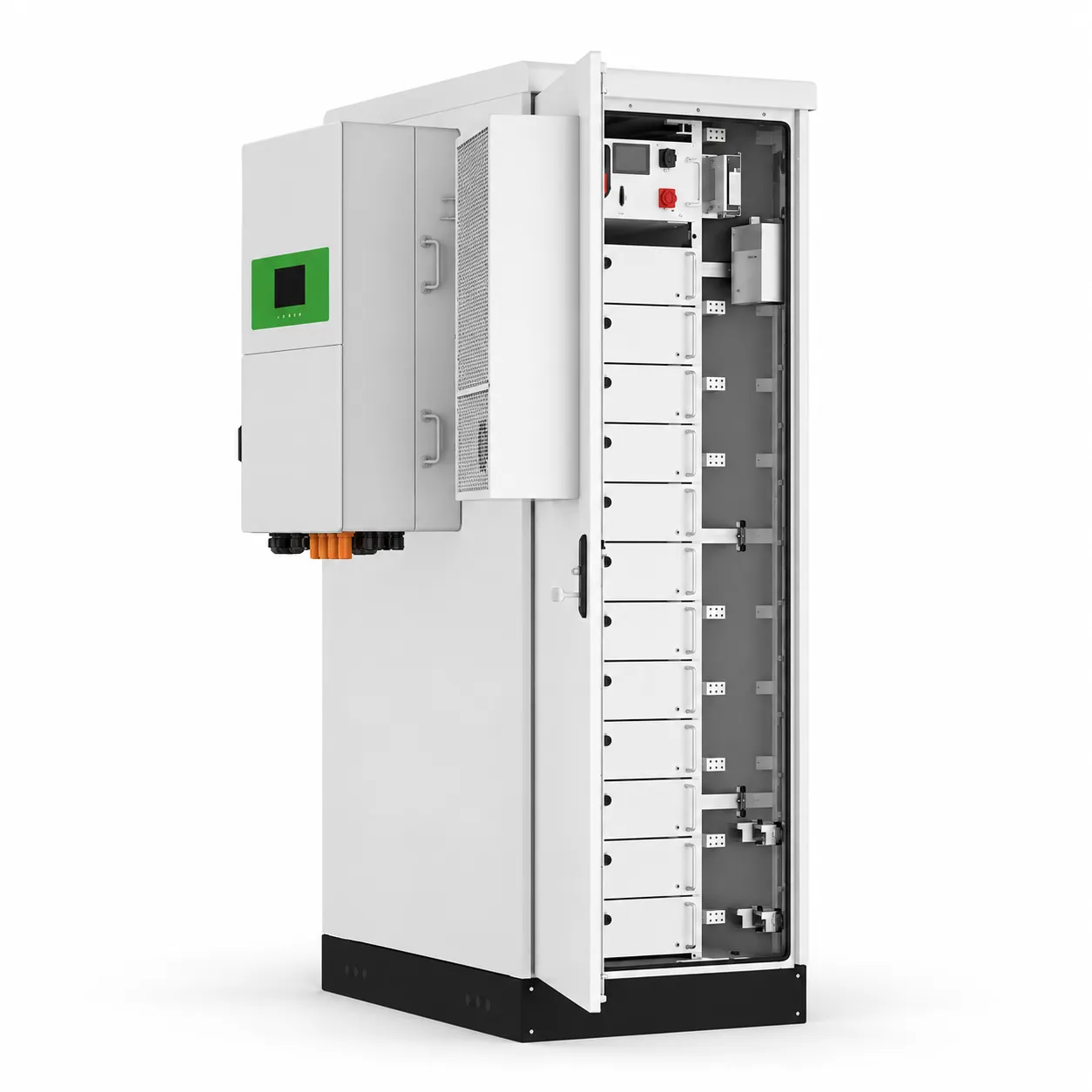
Compact three-phase LiFePO4 commercial and industrial battery energy storage system with 40.96–61.44kWh configurations, hybrid inverter, BMS communication, energy management, IP55 enclosure and solar-plus-storage capability for commercial buildings, factories, farms, EV charging sites and microgrids.
These five links form the main internal-link path for this 30kVA Mini C&I BESS page. Each destination is live and appears only once on this page.
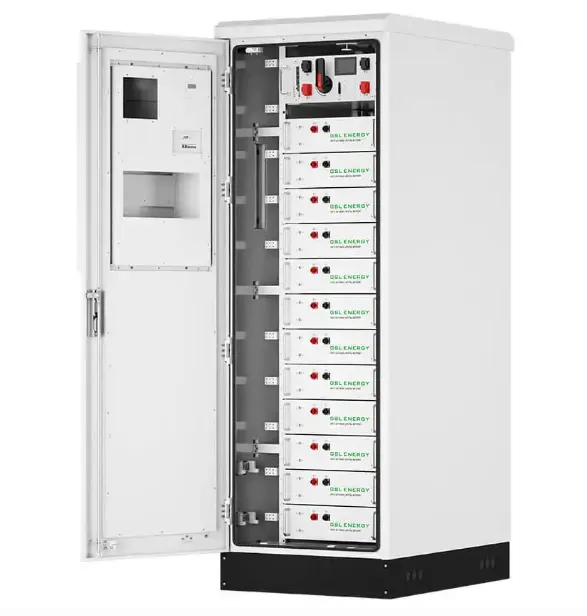
The 30kVA Mini C&I BESS combines LiFePO4 battery storage, hybrid power conversion, BMS communication and energy-management functions in a compact floor-mounted platform. Typical use cases include solar + BESS self-consumption, commercial peak shaving, backup support, time-of-use optimization, microgrids and other commercial energy-storage applications.
Five reference energy configurations are available: 40.96kWh, 46.08kWh, 51.20kWh, 56.32kWh and 61.44kWh. Final system selection should be confirmed against site load, PV capacity, grid voltage, backup duration, installation environment and project control requirements. For kW/kWh selection and discharge-duration logic, use the C&I BESS sizing.
Available reference capacity options for the 30kVA all-in-one Mini C&I battery energy storage platform.
| Parameter | 40kWh | 45kWh | 50kWh | 55kWh | 60kWh |
|---|---|---|---|---|---|
| Model Class | 30K40 | 30K45 | 30K50 | 30K55 | 30K60 |
| Nominal Output / UPS Power | 30,000W | ||||
| Battery Energy | 40.96kWh | 46.08kWh | 51.20kWh | 56.32kWh | 61.44kWh |
| Battery Capacity | 100Ah | ||||
| Battery Module Nominal Voltage | 409.6V | 460.8V | 512.0V | 563.2V | 614.4V |
| Approx. Weight (inverter excluded) | 612.8kg | 654.4kg | 696.0kg | 737.6kg | 779.2kg |
| Nominal Output / UPS Power | 30,000W |
|---|---|
| AC Output Frequency & Voltage | 50/60Hz; 3L/N/PE 220/380Vac or 230/400Vac |
| Grid Type | Three phase |
| Energy Configuration | 40.96 / 46.08 / 51.20 / 56.32 / 61.44kWh |
| Battery Cabinet Dimensions | 1100 × 750 × 2200mm (inverter excluded) |
| Approx. Weight | 612.8–779.2kg (inverter excluded, depending on energy configuration) |
| AC Output Rated Current | 100A |
| Battery Operating Voltage | 160–850V |
| Battery Chemistry | LiFePO4 |
| Enclosure Rating | IP55 |
| Installation | Floor-mounted |
| Reference Compliance | UN38.3, IEC 62619, CE, CEI 0-21, VDE-AR-N 4105, IEC 62109* |
| Reference Warranty | 10 years* |
*Compliance scope and warranty must be confirmed for the exact supplied model, legal manufacturer and target market before customer release.
| Maximum PV Input Power | 39,000W |
|---|---|
| Maximum PV Input Current | 36 + 36 + 36A |
| Rated PV Input Voltage | 600Vdc |
| Start-Up DC Voltage | 180Vdc |
| MPPT Voltage Range | 150–850Vdc |
| Maximum PV Short-Circuit Current | 55 + 55 + 55A |
| Number of MPPT | 3 |
| Peak Power (Off-Grid) | 1.5 × rated power for 10 seconds |
| Power Factor | 0.8 leading to 0.8 lagging |
| THD | <3% |
| Display | LCD |
| Operating Temperature | -40°C to +60°C (>45°C derating) |
| Relative Humidity | 15%–85% (non-condensing) |
| Inverter Dimensions | 527 × 894 × 294mm (excluding connectors and brackets) |
| Communication | CAN / RS485 / Wi-Fi / Ethernet |
| Maximum Efficiency | 97.6% |
| Maximum Charging / Discharging Efficiency | 91% |
| Maximum Parallel Inverter Sets | 10 |
| Battery Chemistry | LiFePO4 |
|---|---|
| Battery Capacity | 100Ah |
| Battery Energy | 40.96 / 46.08 / 51.20 / 56.32 / 61.44kWh |
| Battery Module Nominal Voltage | 409.6 / 460.8 / 512.0 / 563.2 / 614.4V |
| BMS Communication | CAN |
| BMS Parallel Support | 5 sets standard; up to 32 sets with extra BAU module |
| Maximum Charge & Discharge Current | 100A |
| Charge Temperature | 0°C to +55°C |
| Discharge Temperature | -20°C to +55°C |
| Reference Cycle Life | ≥6500 cycles @ 25°C ±2°C, 0.5C/0.5C, 70% EOL |
Typical project integration can combine solar PV generation, the Mini C&I battery energy storage system, utility grid connection and commercial or industrial loads. Final power flow, protection, metering, transfer logic and EMS strategy should be engineered for the site.
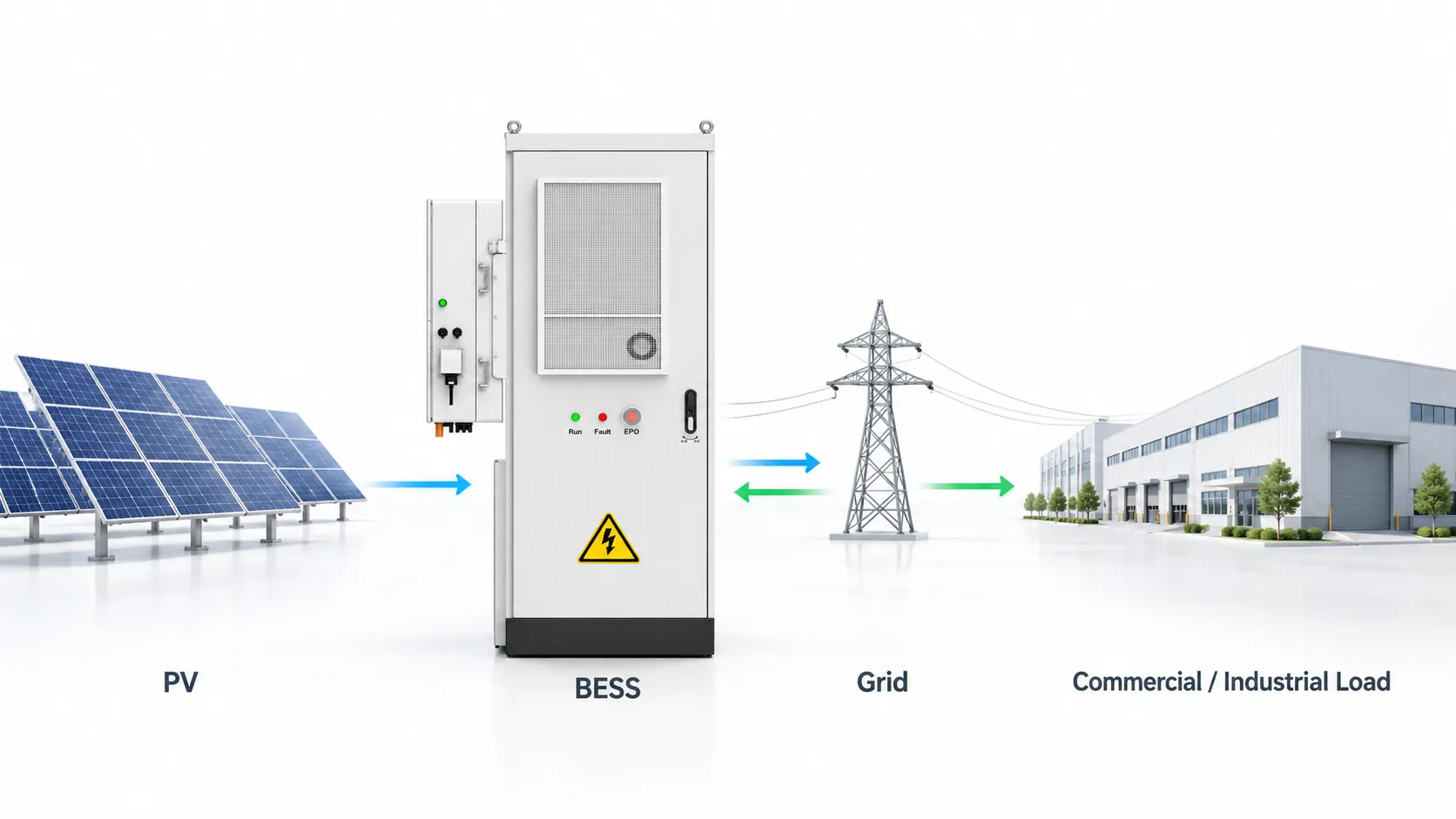
For EPC contractors, distributors and system integrators, the Mini C&I BESS configuration should be evaluated against the actual site requirements rather than selected by battery capacity alone.
Download the technical datasheet covering the 30kVA all-in-one Mini C&I battery energy storage system, including capacity variants, inverter parameters, LiFePO4 battery specifications, BMS protection and typical applications.
Download 30kVA 40–60kWh Mini C&I BESS Datasheet (PDF)Send your required power, battery capacity, grid voltage, PV capacity, backup duration and application. The project can then be reviewed for battery configuration, inverter matching, communication and installation requirements.
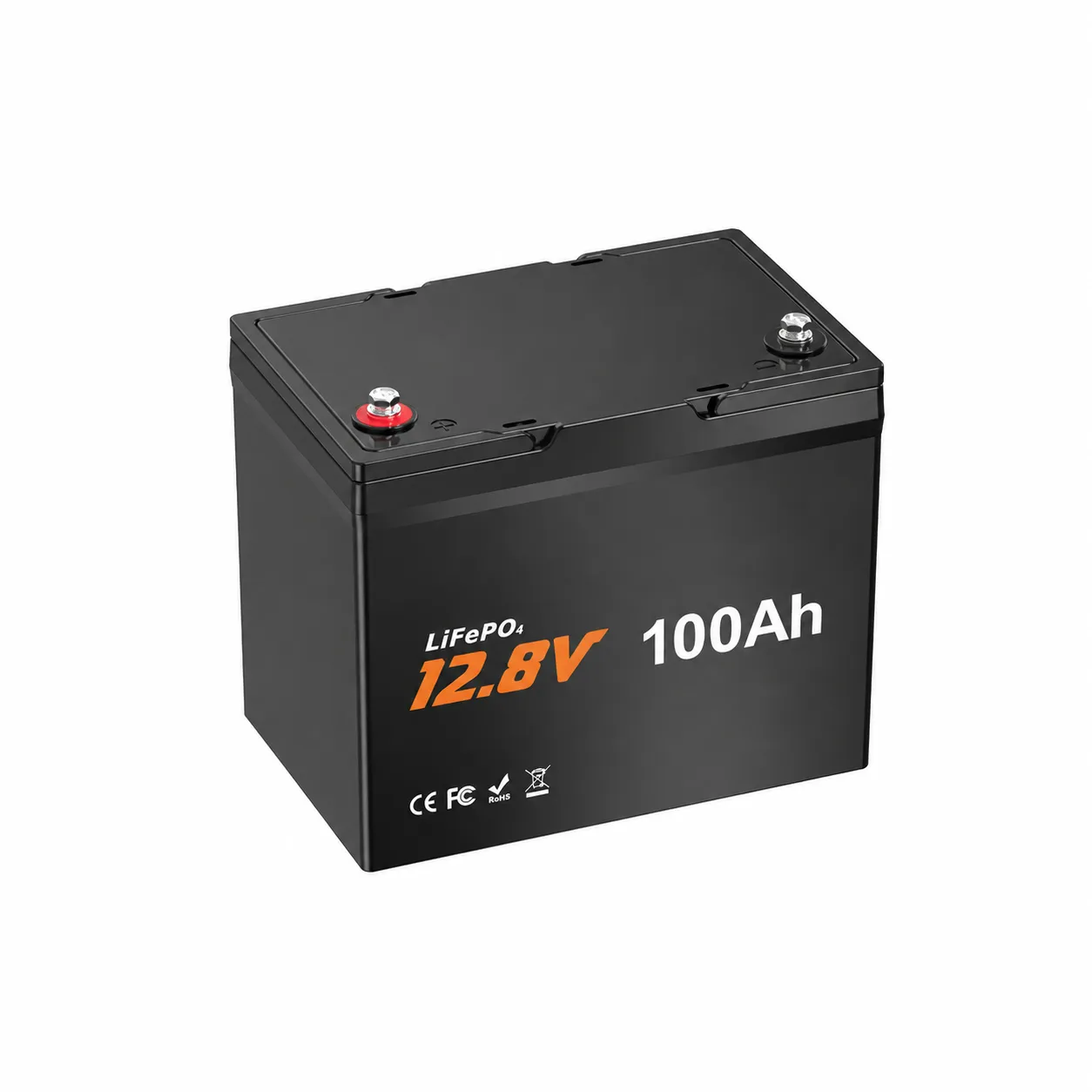
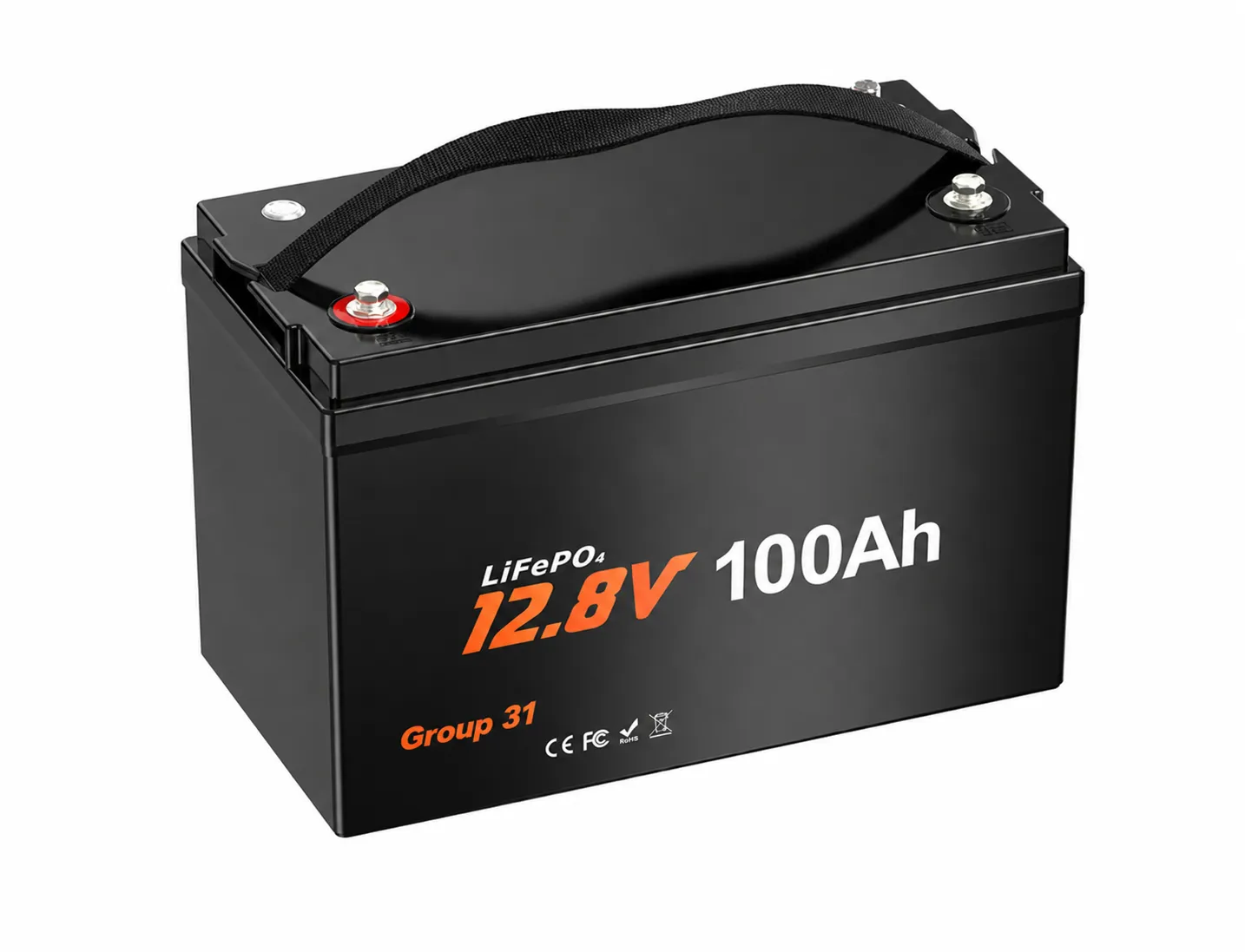
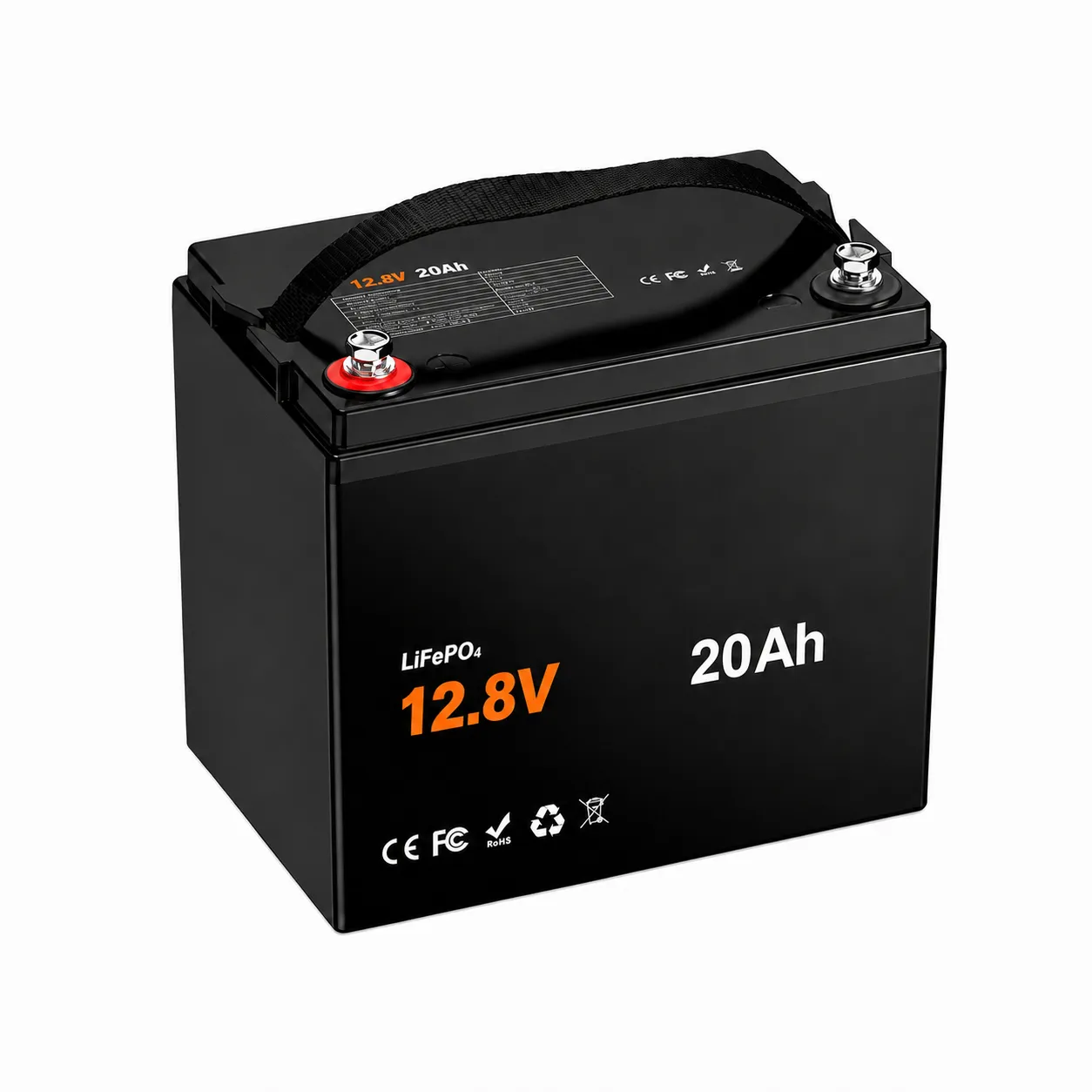
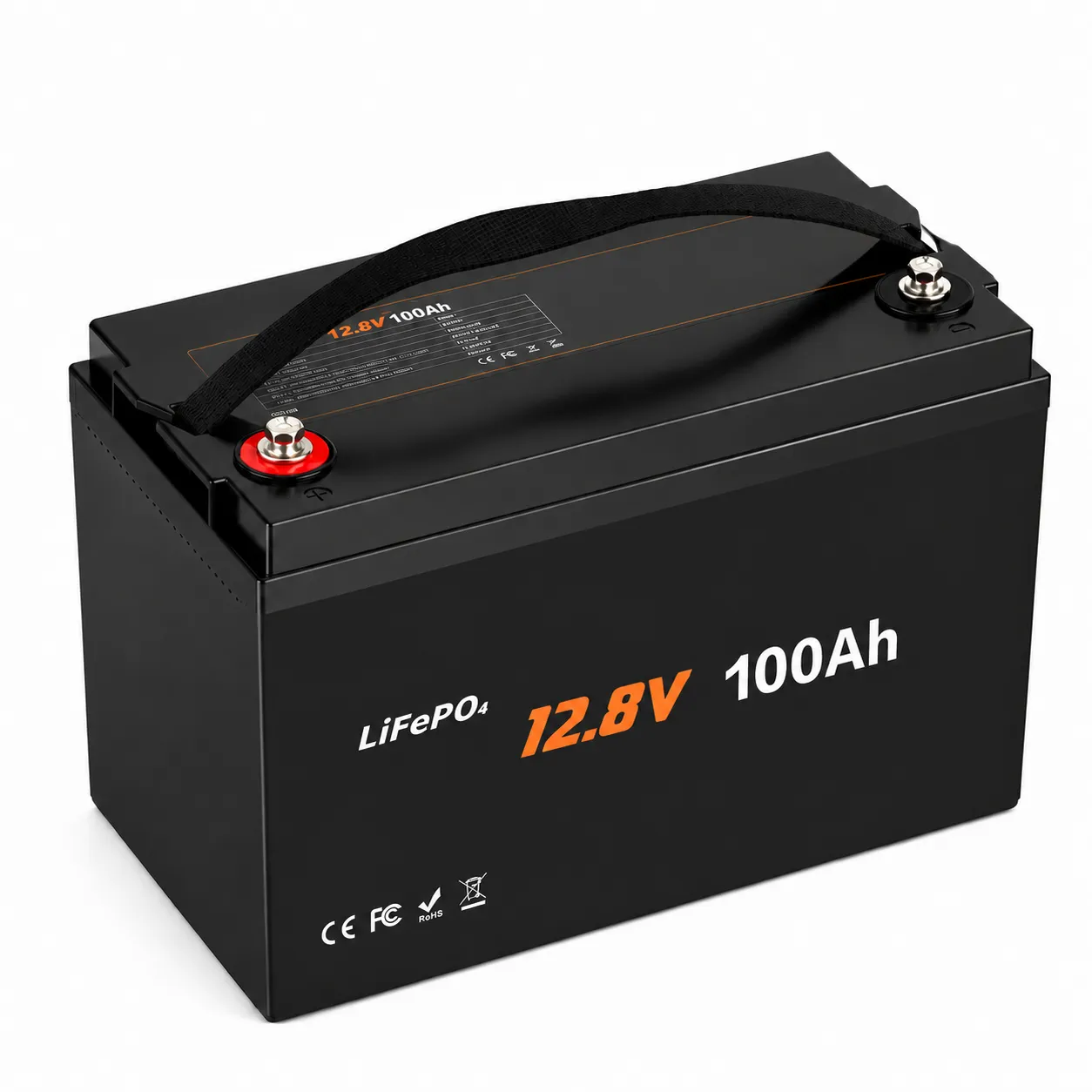
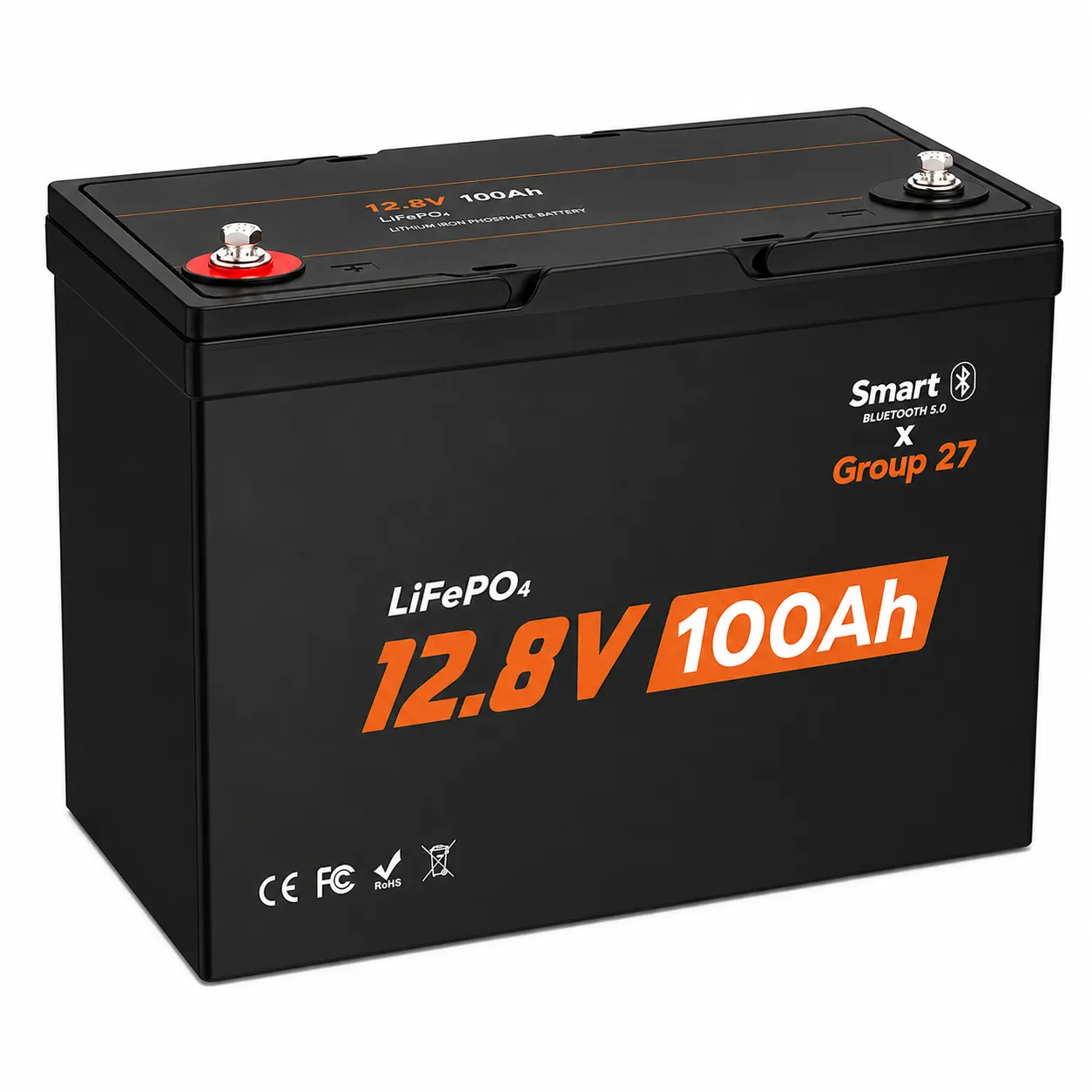
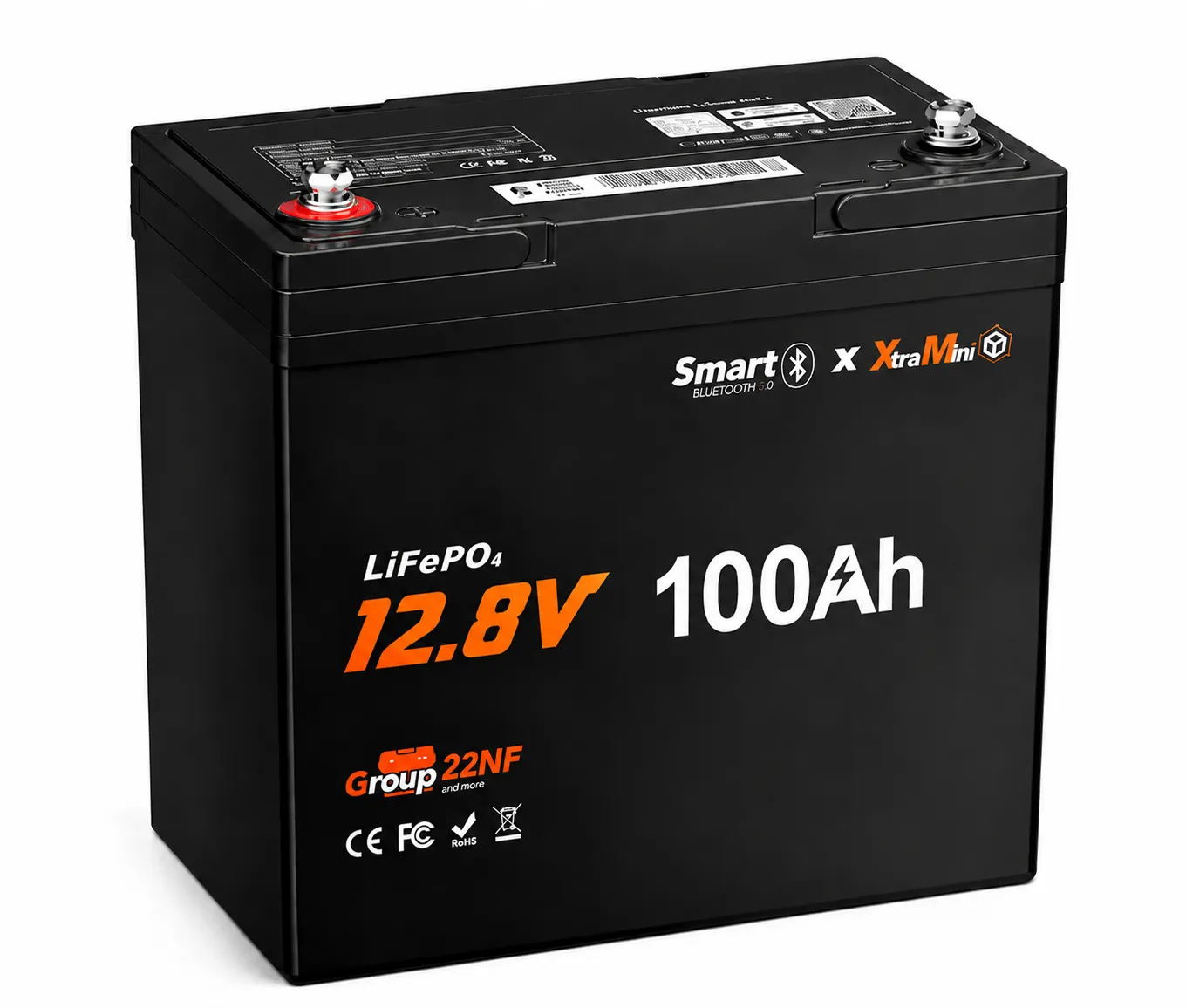
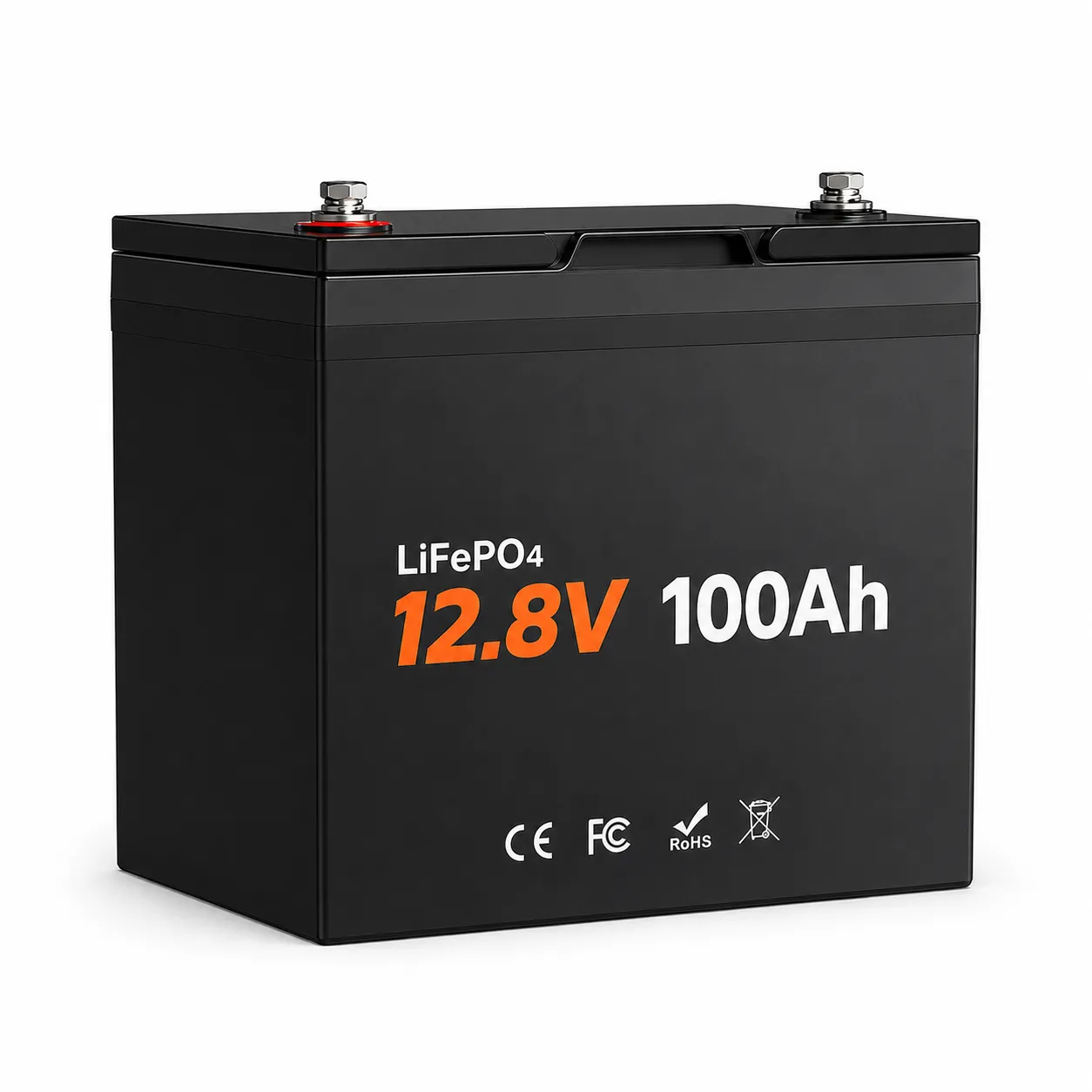
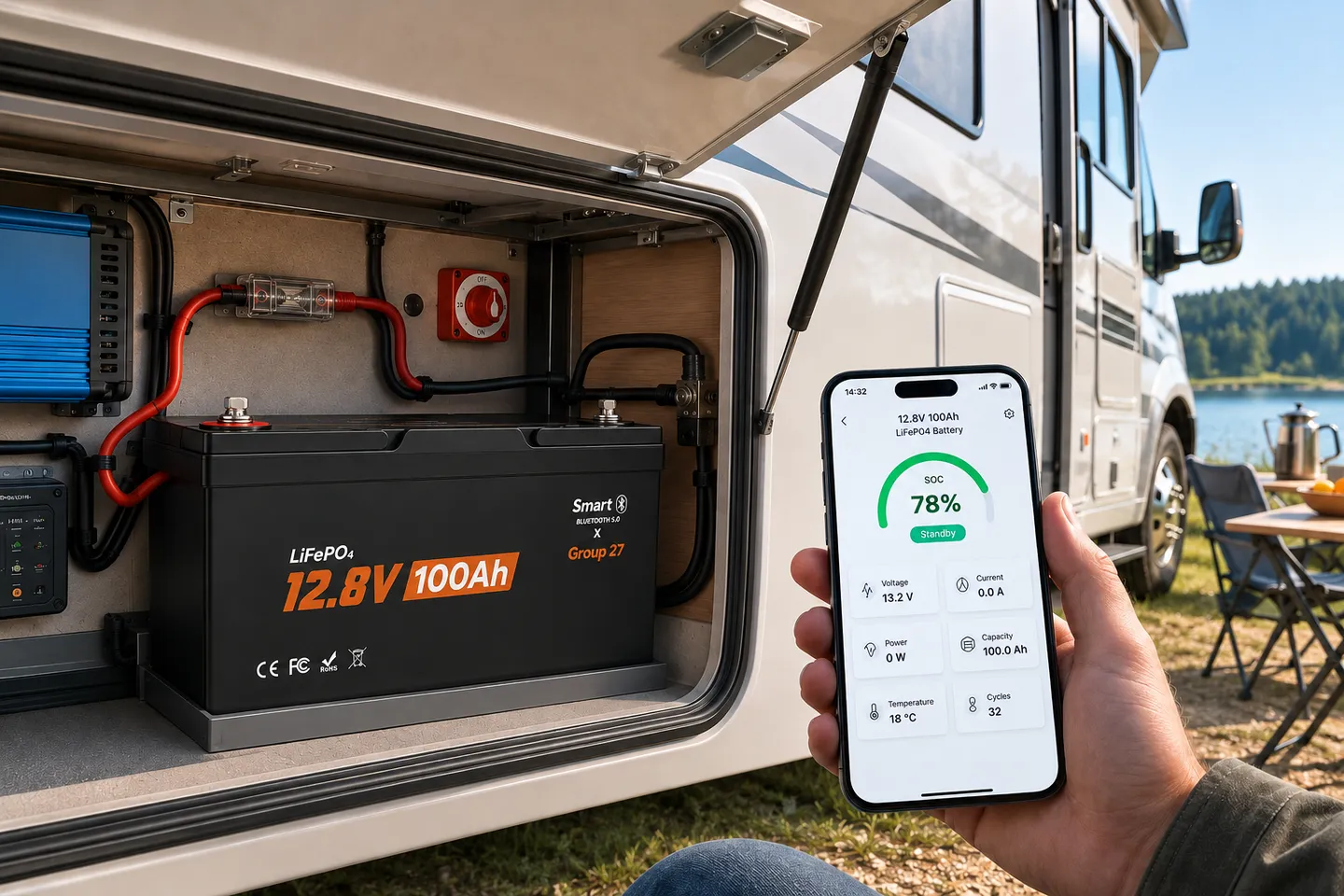
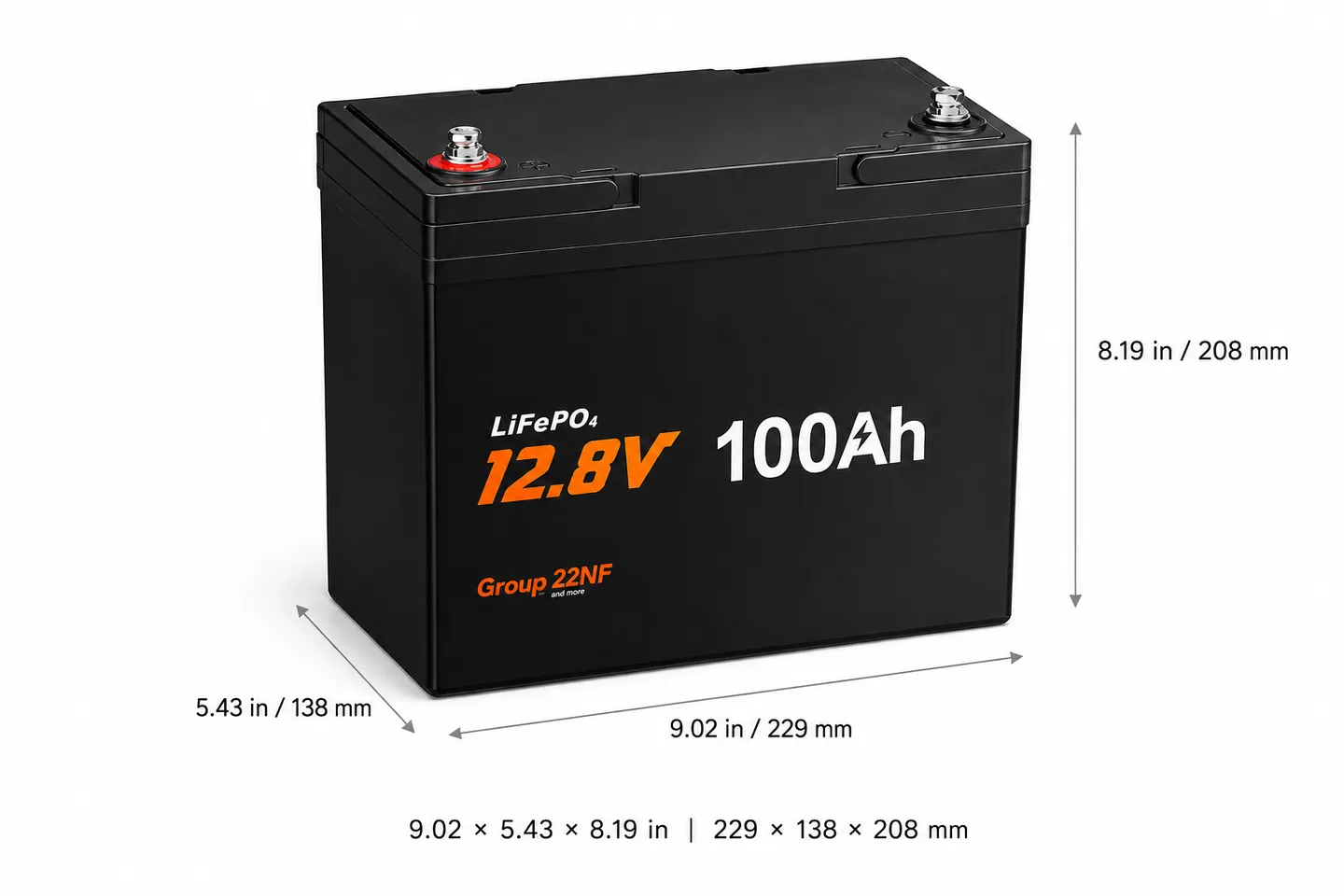
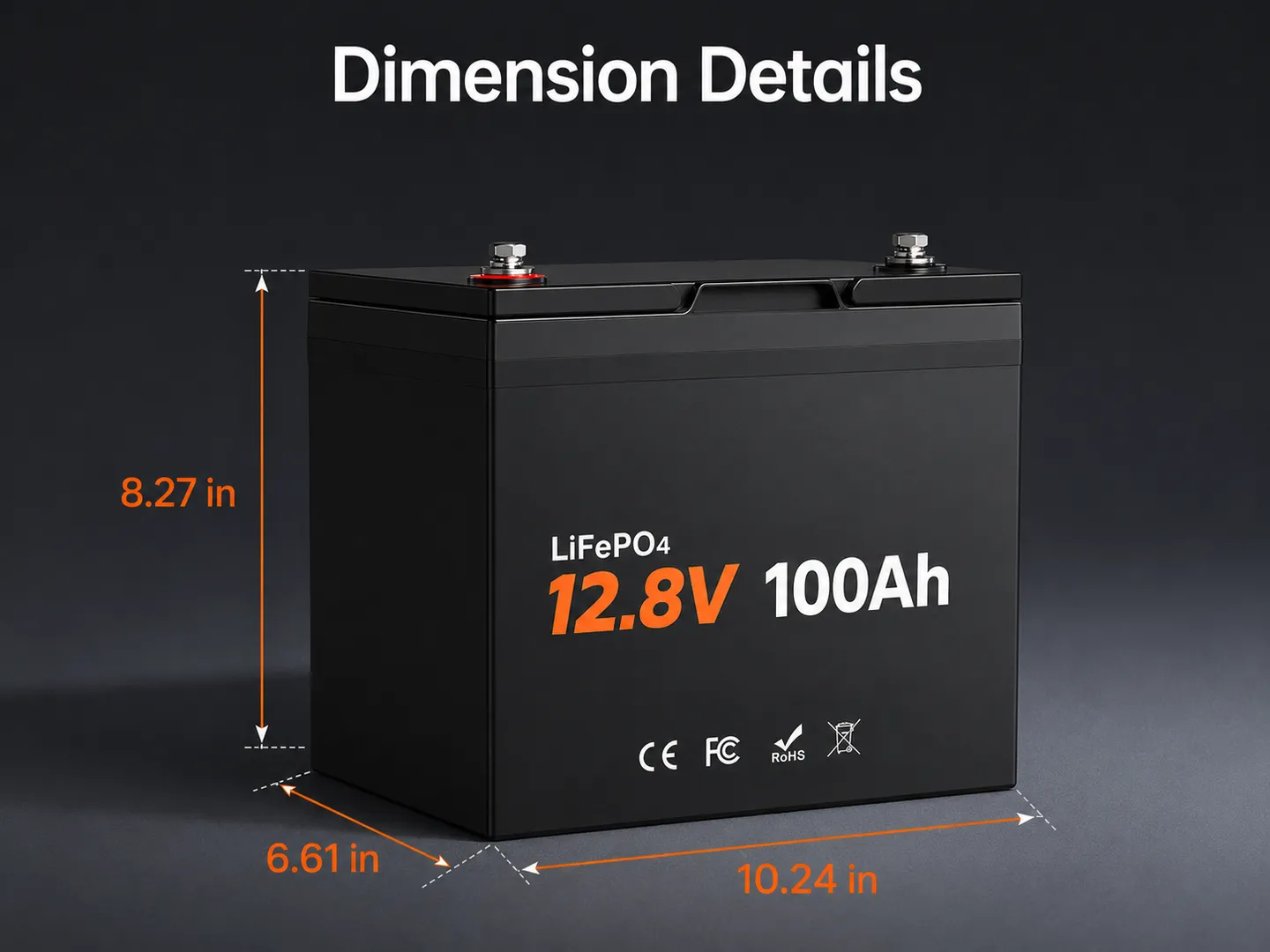
Many LiFePO4 batteries can replace compatible lead-acid deep-cycle batteries in RVs, boats, golf carts and industrial equipment. Before installation, confirm the system voltage, battery dimensions, terminal layout, charger profile, maximum load, cable size, fuse rating and operating temperature.
Most LiFePO4 batteries are compatible with standard 12V, 24V, 36V or 48V inverters when the system voltage and power requirements match. Many modern chargers also include a LiFePO4 charging profile. For lead-acid replacement projects, confirm the charger voltage, inverter rating and maximum load before installation. A compatible charger or DC-to-DC charger may be required if the existing charging equipment does not support LiFePO4 batteries.
Yes. OEM and custom battery support can include voltage, capacity, BMS settings, enclosures, terminals, connectors, communication protocols, labels and packaging. Send us the application, electrical requirements, installation dimensions and expected order quantity for review.
MOQ depends on the battery model, specification and customization requirements. Standard models may be available for sample testing, while custom enclosures, private labels and OEM production normally require a confirmed order quantity. Contact us with the model and required quantity for details.
Available certifications and documents depend on the battery model and destination market. Supporting documents may include UN38.3, MSDS, CE, RoHS and product test reports. Confirm the required documents and target market before placing an order.
Lead time depends on the battery model, order quantity, customization and testing requirements. Export shipping options are arranged according to the battery specification, destination and order volume. Send us the required quantity, delivery location and target schedule for a project-specific quotation.