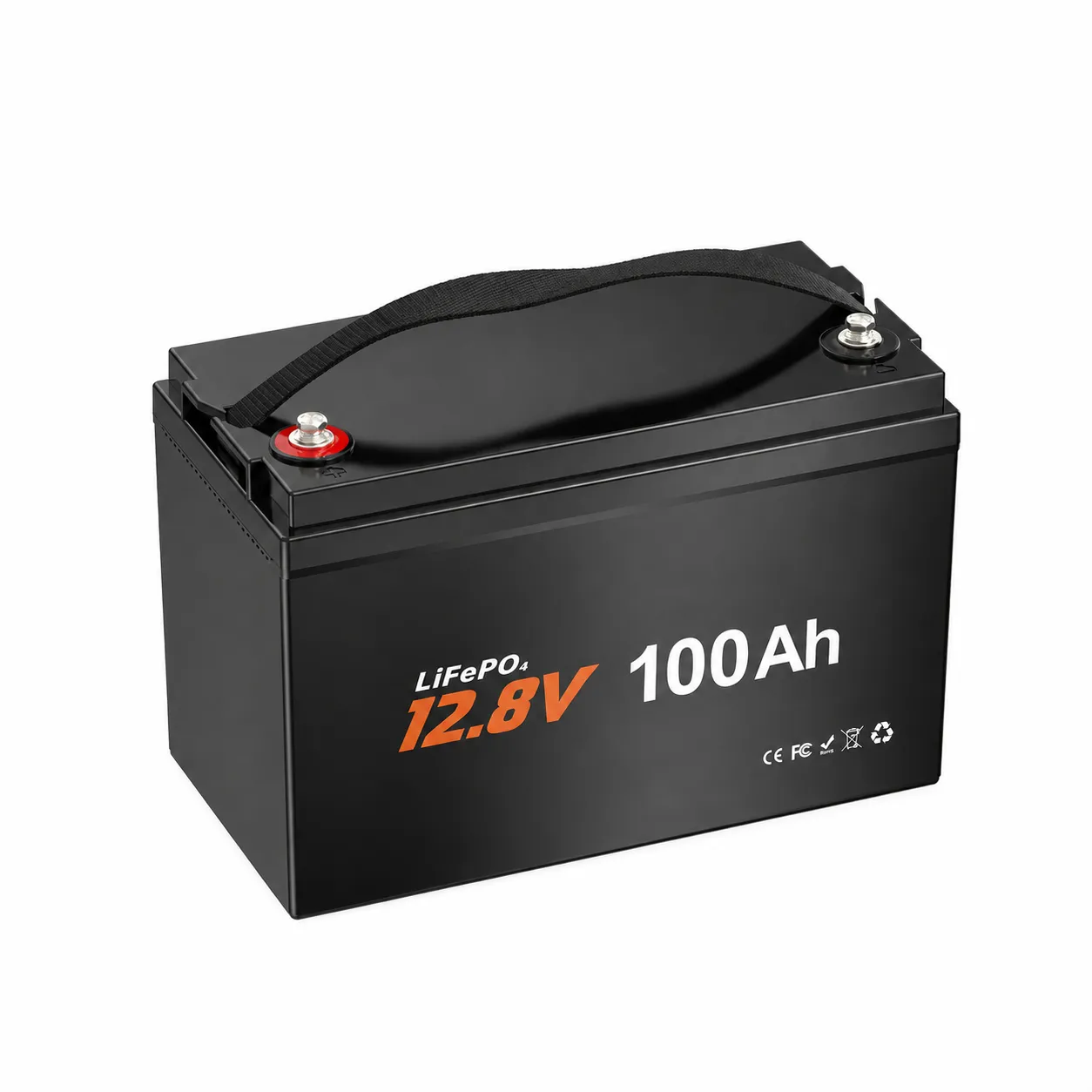
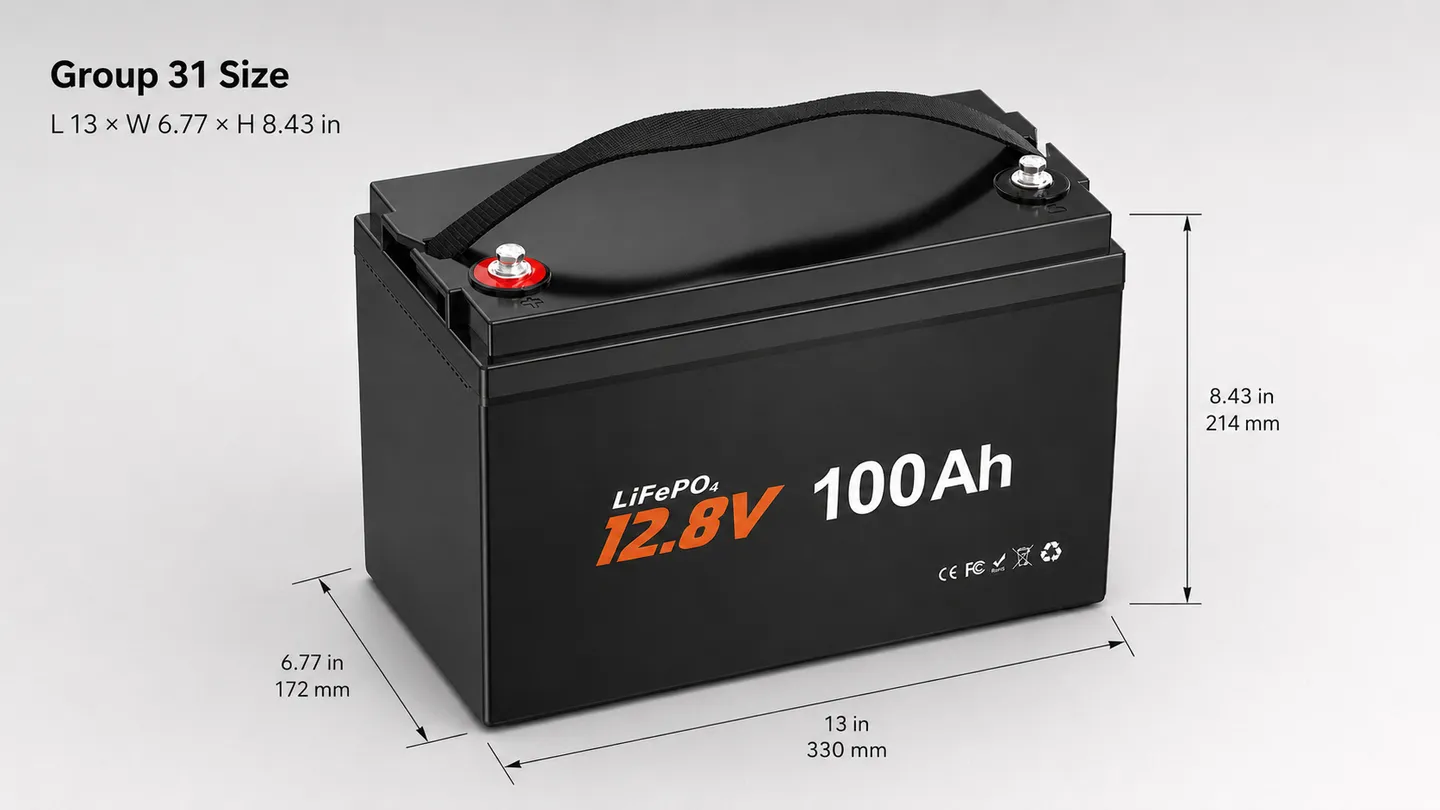
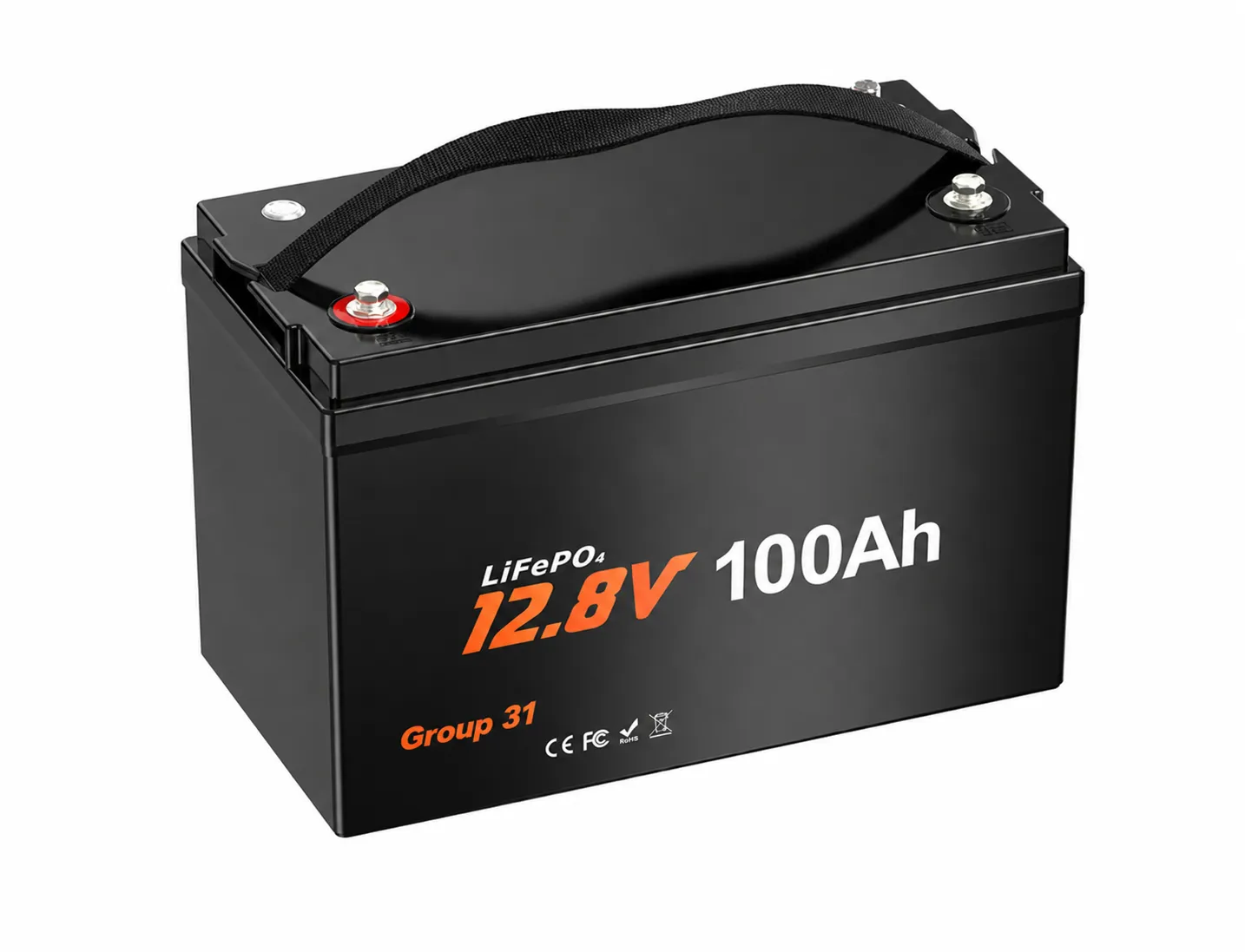
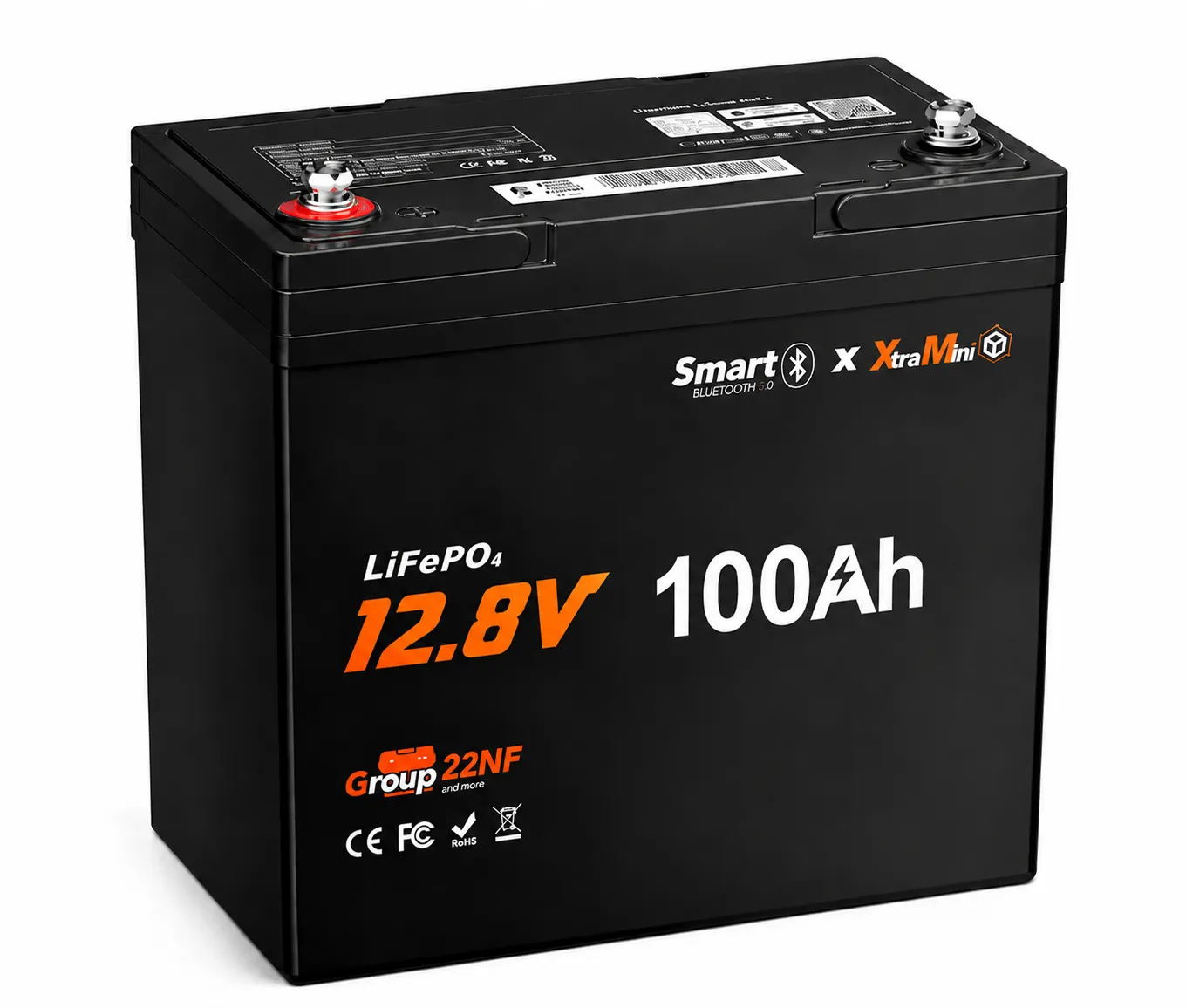
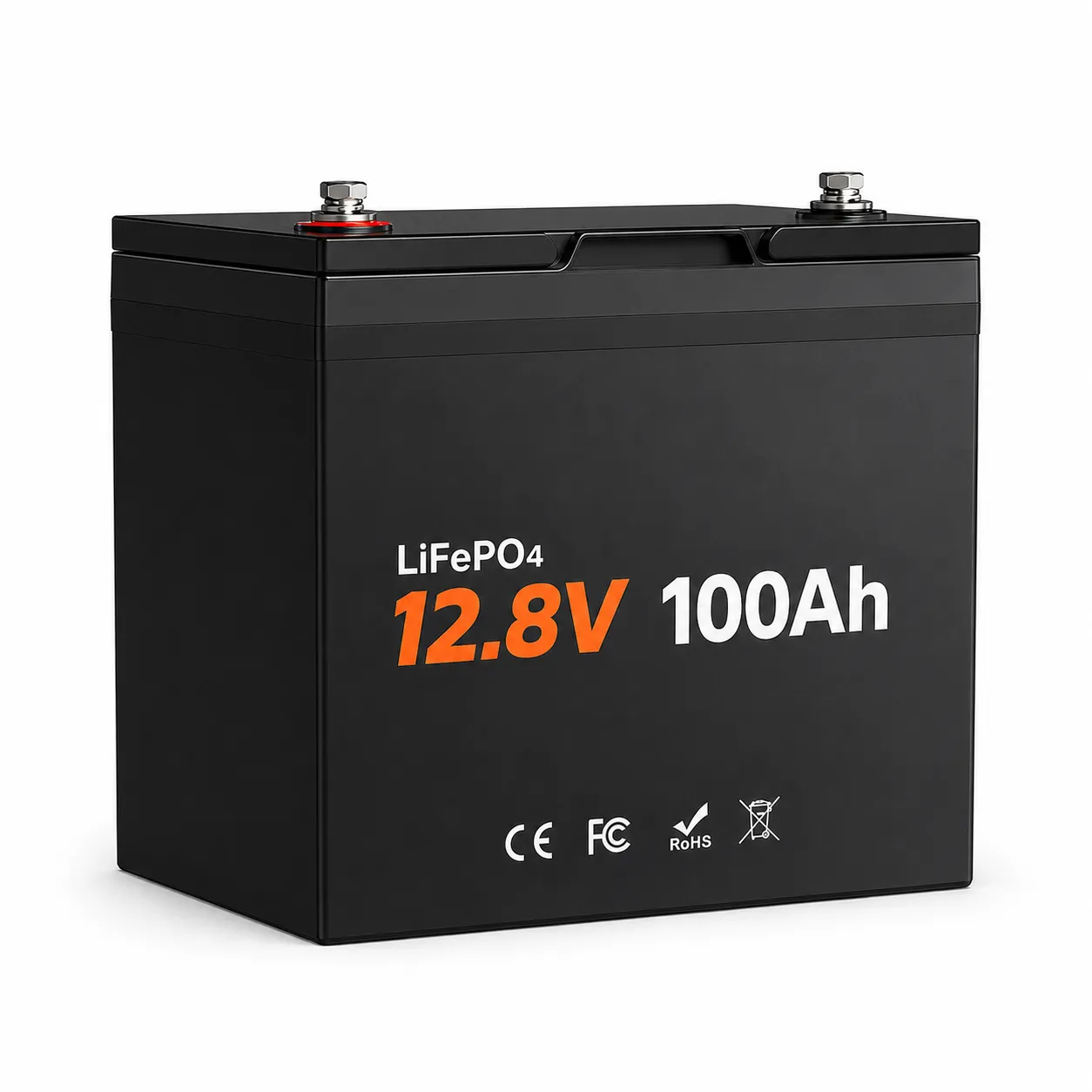
12V 100Ah Group 31 LiFePO4 Battery for Trolling Motors
$169.00
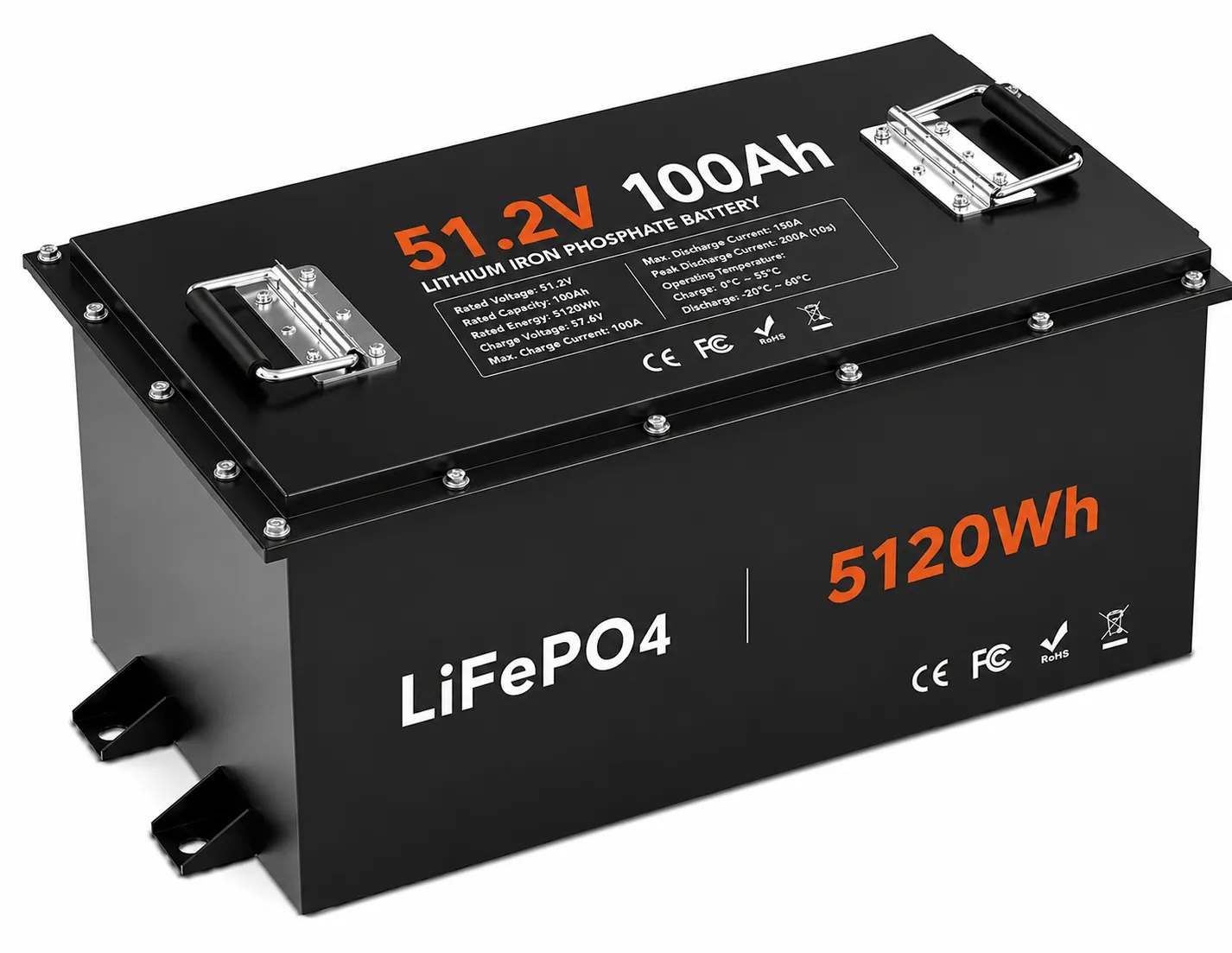
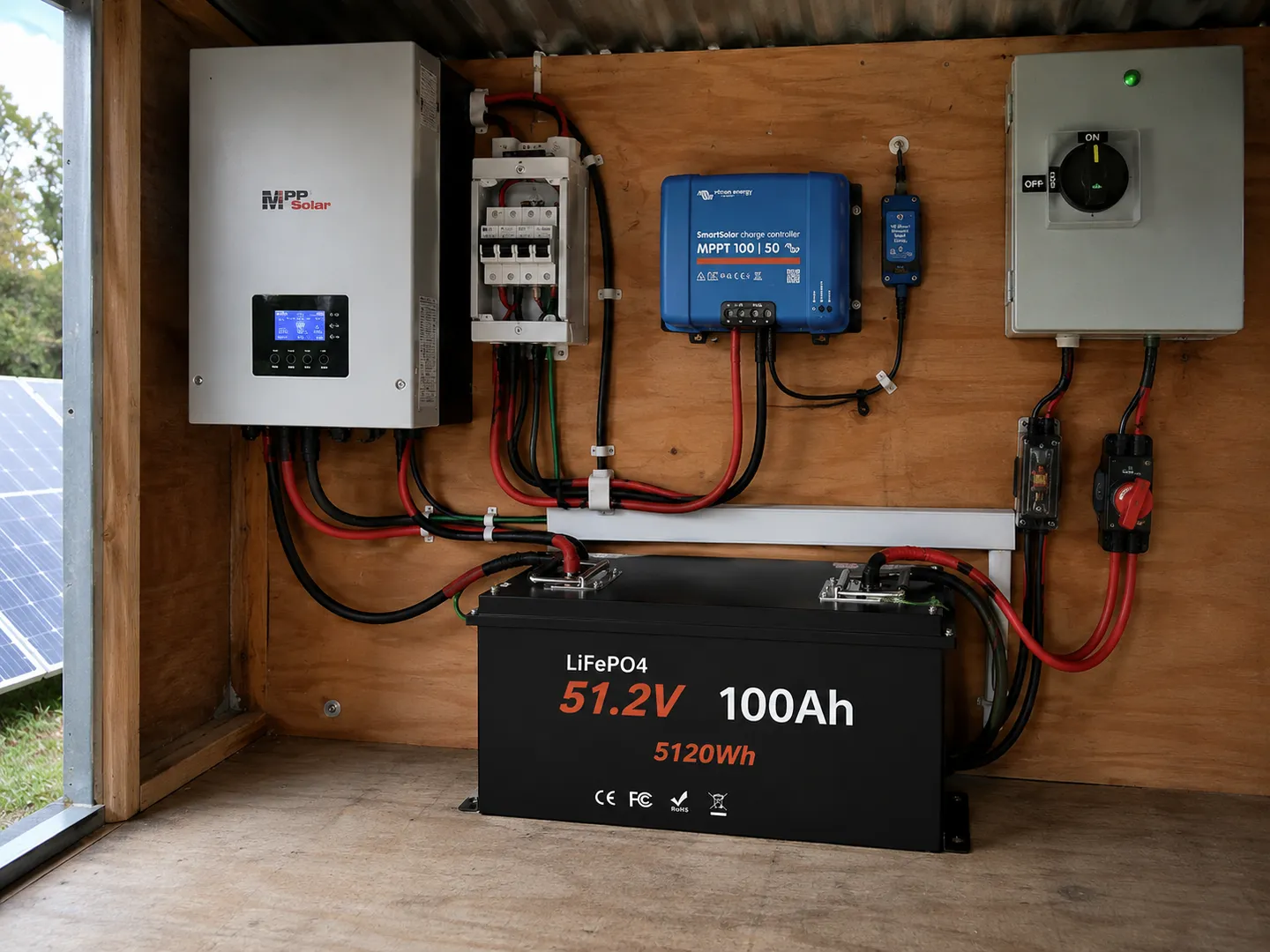
This 48V 100Ah LiFePO4 battery provides 5.12kWh of energy for compatible off-grid, solar and backup power systems. Bluetooth monitoring and CAN/RS485 communication support battery status monitoring and system integration in compatible 48V power installations.
Built around a 51.2V 100Ah LiFePO4 platform, the battery can be expanded in parallel for projects that need additional storage capacity without increasing the nominal system voltage.
51.2V | 100Ah | 5.12kWh | 200A BMS | Bluetooth | CAN/RS485 | IP65 | Low-Temperature Protection
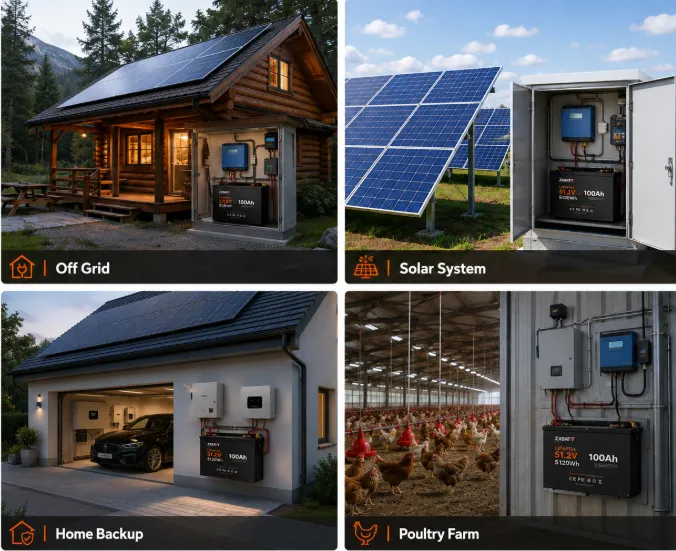
With 5,120Wh of stored energy, this 48V lithium battery is designed for compatible off-grid power systems, solar installations and backup power projects built around a 51.2V battery platform.
The single-battery configuration provides 100Ah of capacity and can be expanded in parallel when additional energy storage is required.
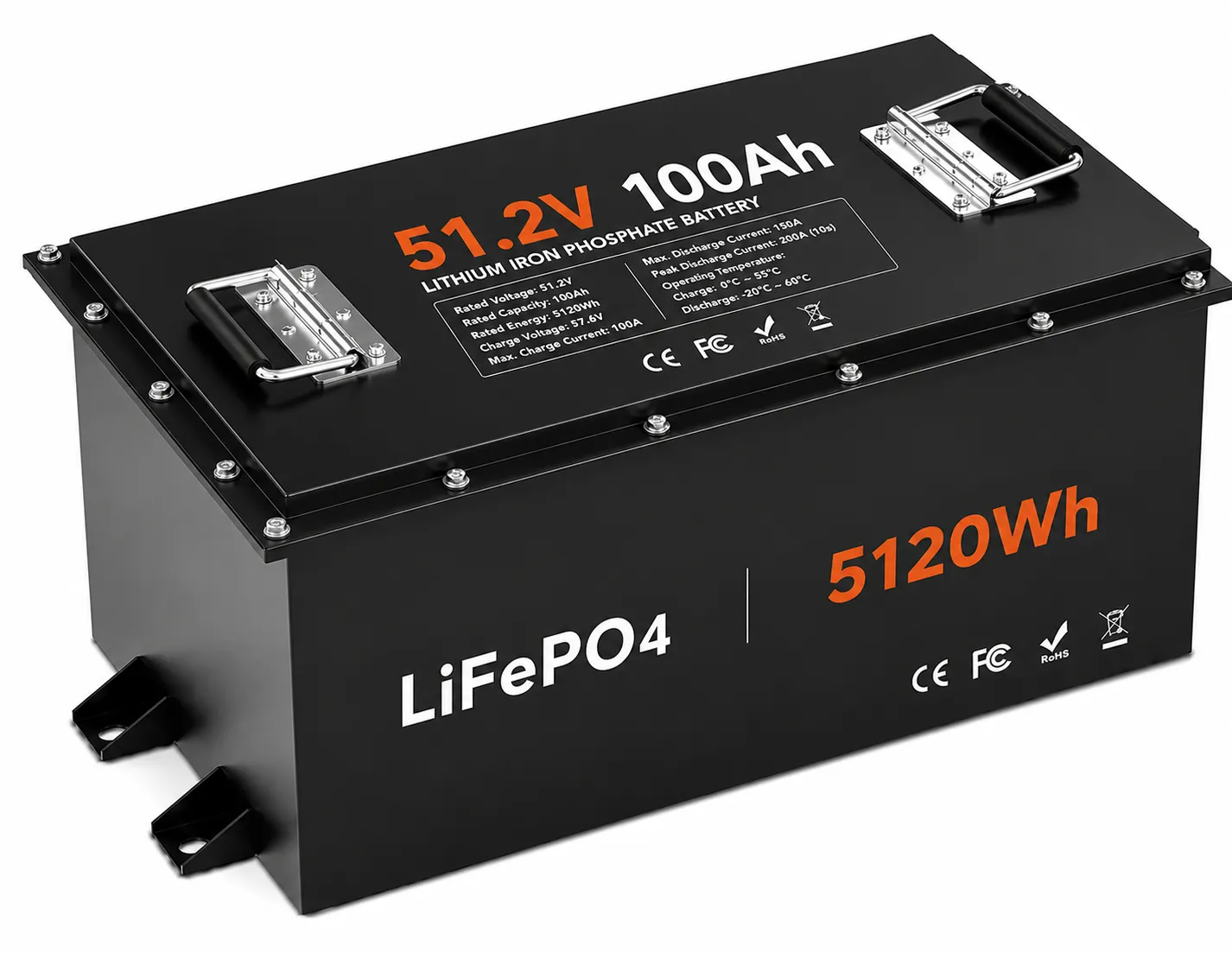
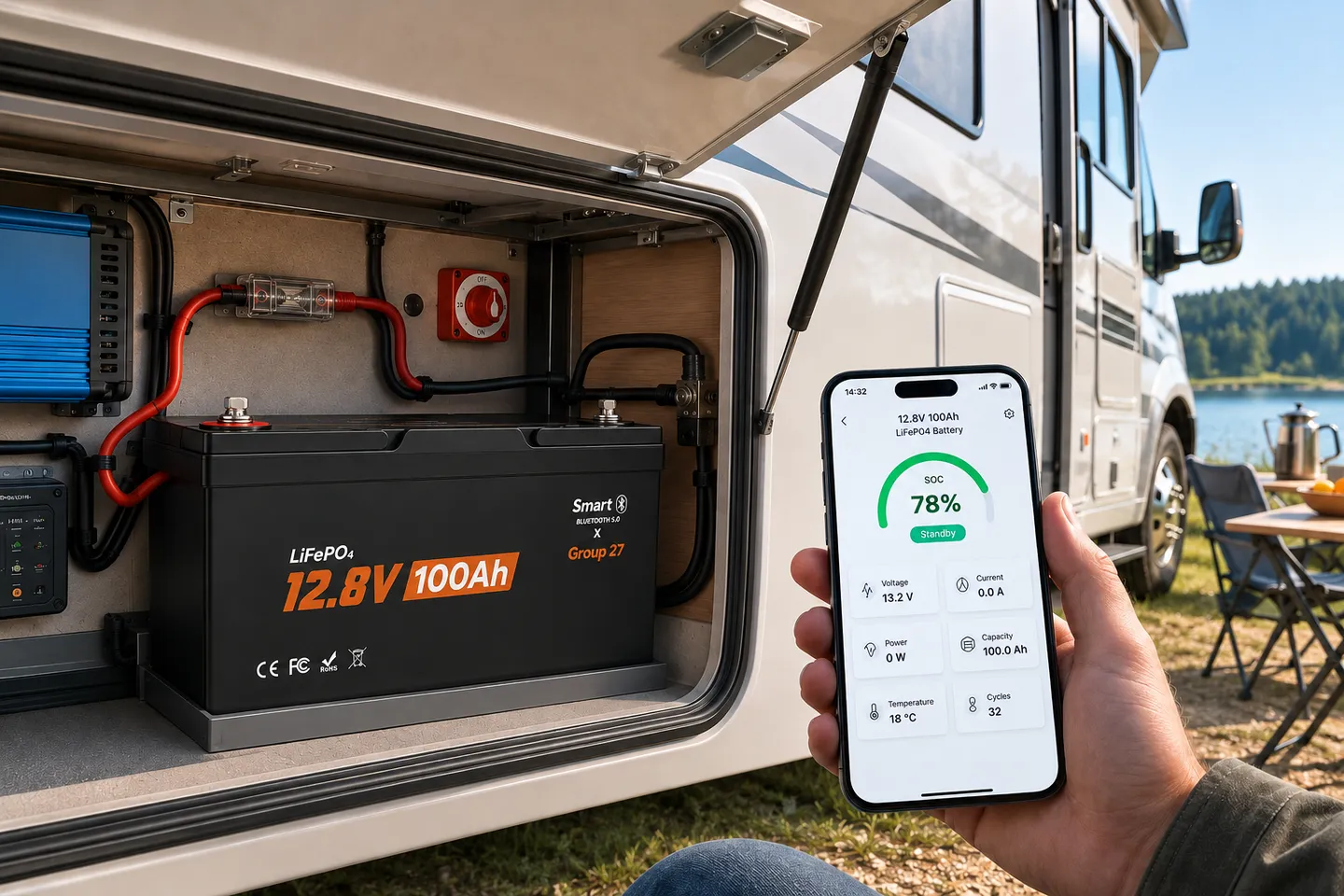
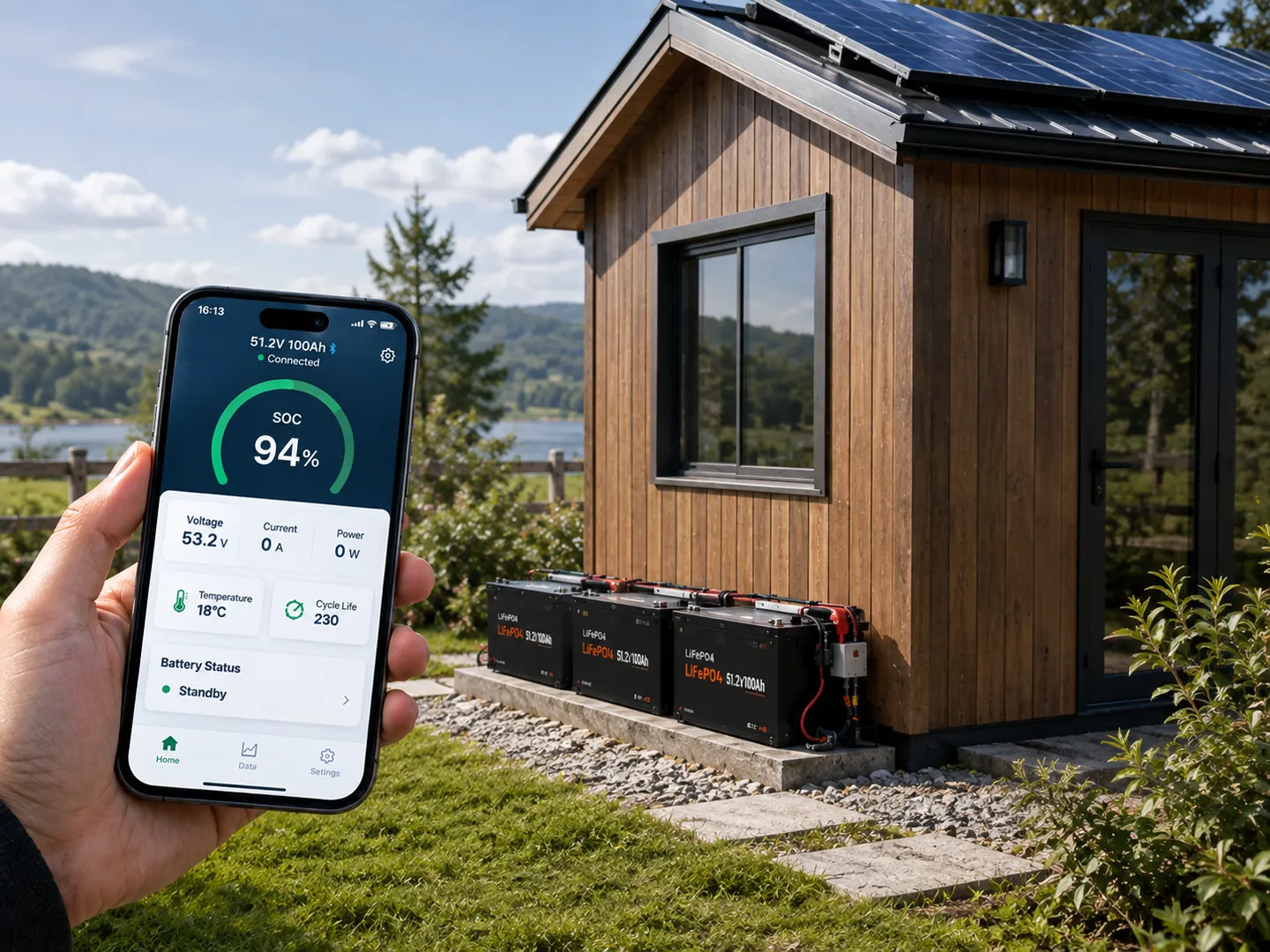
Bluetooth monitoring provides convenient access to battery information during installation, commissioning and routine system checks. A compatible monitoring interface can display key operating data without requiring direct access to the battery enclosure.
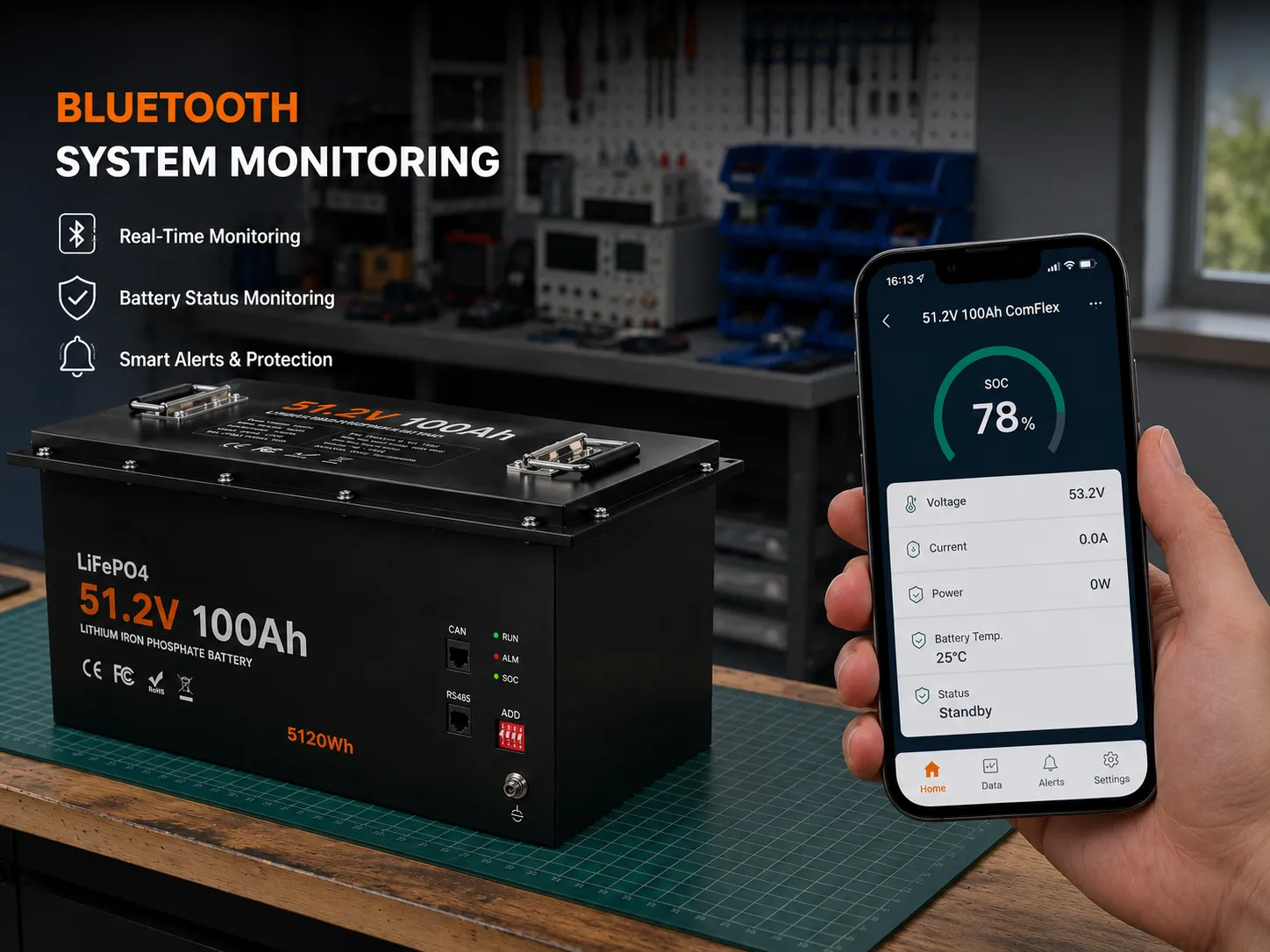
CAN and RS485 communication allow the battery to exchange operating information with compatible external equipment and coordinated battery systems. This is useful for projects where battery data needs to be shared with an inverter, system controller or monitoring platform.
Communication compatibility should be confirmed against the inverter, controller and protocol version before installation. CAN and RS485 interfaces do not automatically guarantee protocol compatibility with every third-party device.
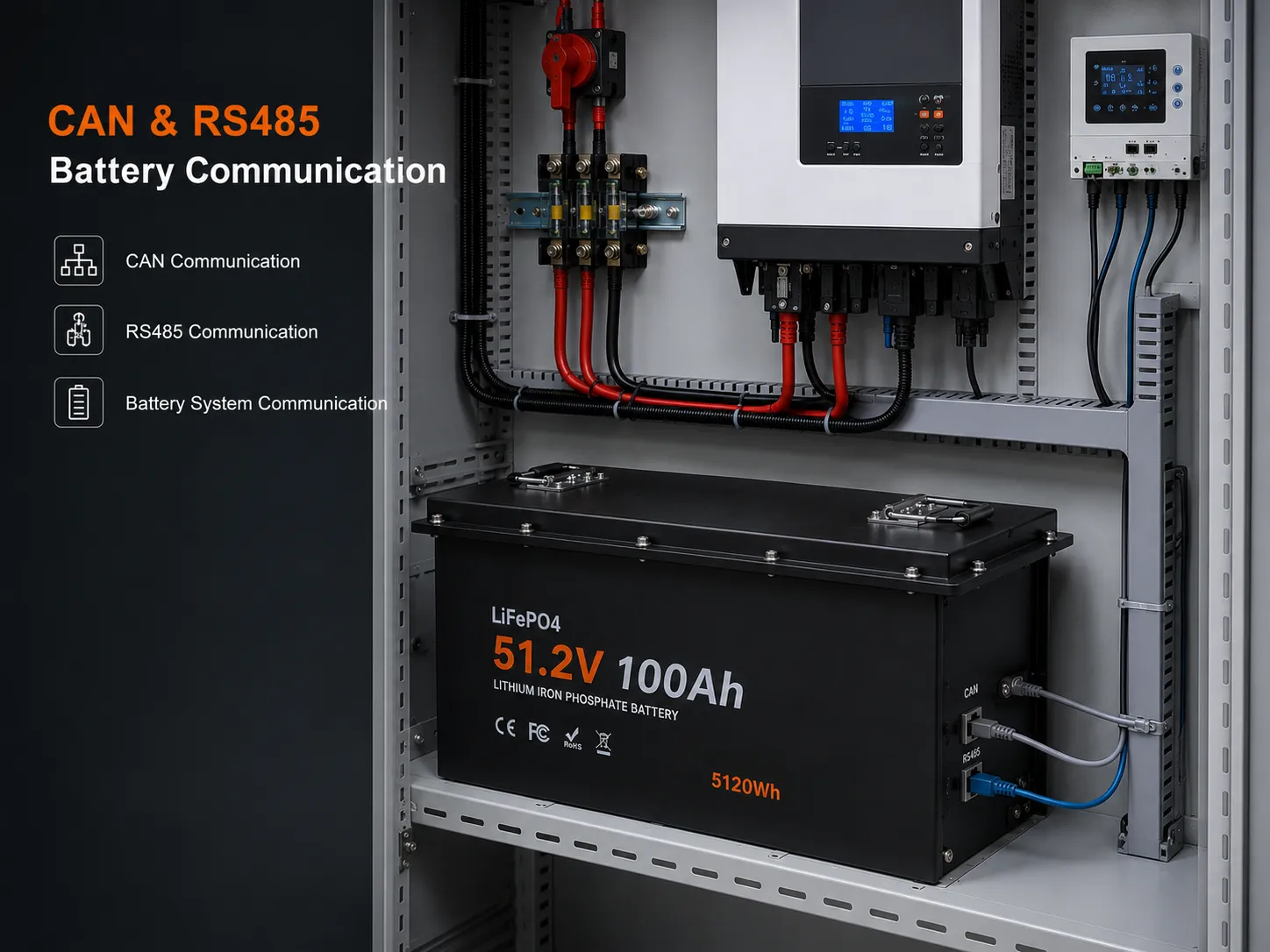
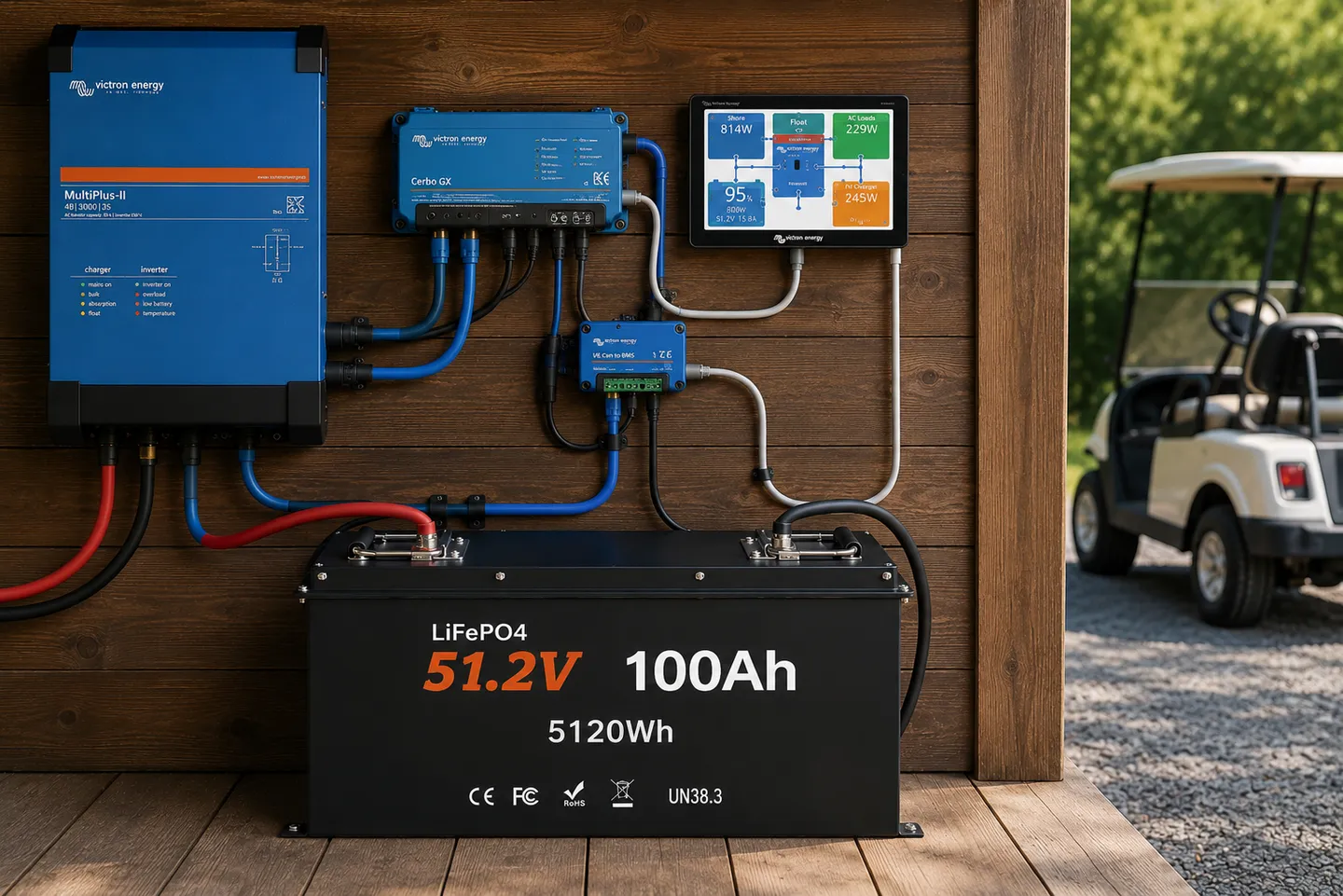
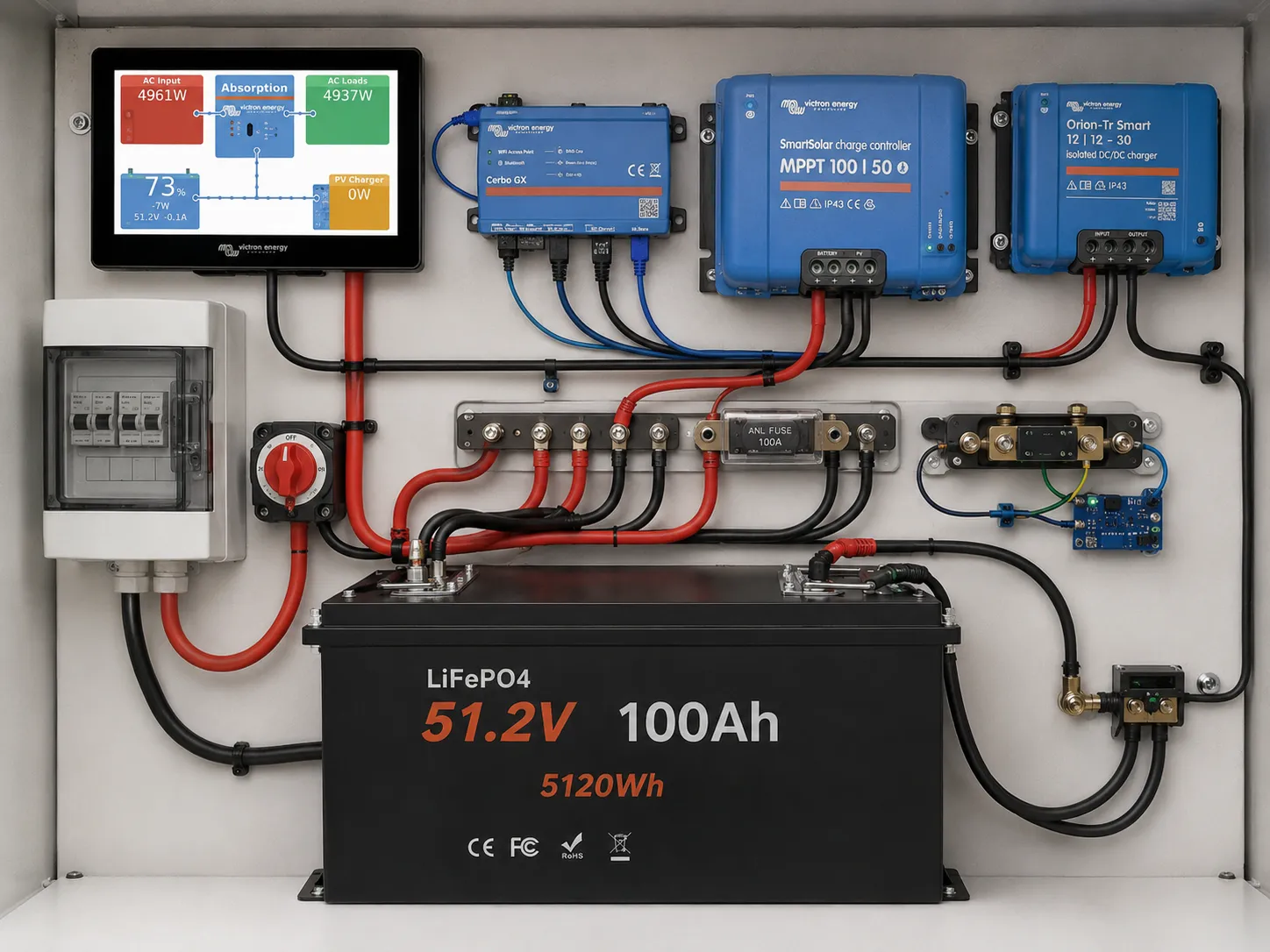
For compatible projects, CAN communication can be used to exchange battery information with supported Victron equipment. This can make battery operating data available to the connected energy-management and monitoring system.
Victron compatibility depends on the battery communication protocol, inverter or GX device, firmware and system configuration. Confirm the required communication profile before commissioning the system.
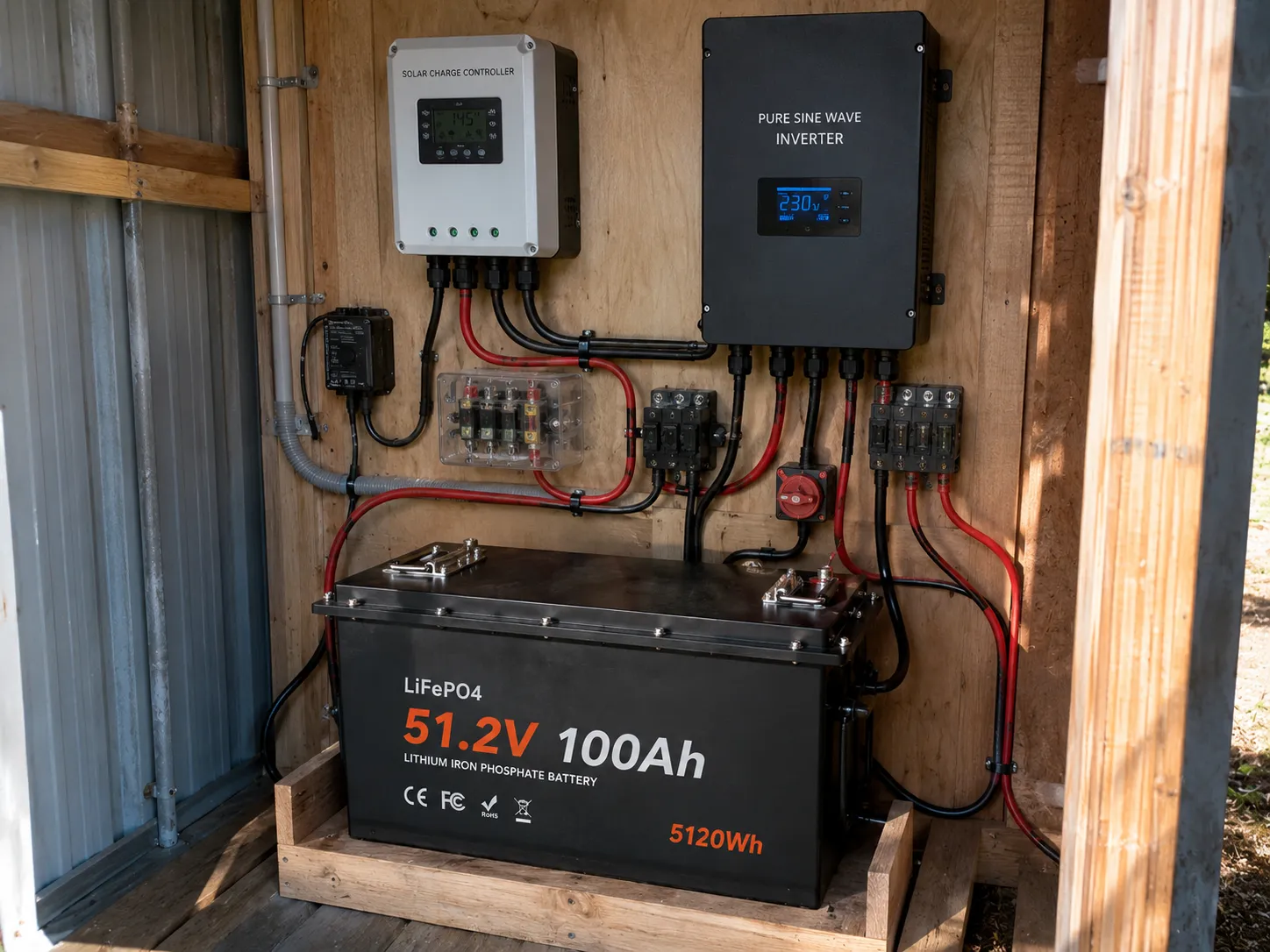
For larger off-grid, solar and backup power projects, identical batteries can be connected in parallel to increase total storage capacity while maintaining a 51.2V nominal system voltage.
With supported battery communication enabled, the reference configuration supports up to 16 batteries in parallel. A fully expanded 16-battery bank provides 1,600Ah and 81.92kWh of nominal stored energy.
Without communication, the reference configuration supports up to four batteries in parallel. Series connection is not supported.
Parallel batteries should use the same model, capacity, BMS configuration and state of charge. Use appropriately sized busbars, balanced cables, individual branch protection and system-level disconnect protection.
The integrated 200A Battery Management System monitors voltage, current and temperature during charging and discharging and provides protection when operating conditions move outside programmed limits.
The reference specification lists a maximum continuous charge current of 100A and maximum continuous discharge current of 100A, with discharge up to 200A for two minutes and 600A for one second.
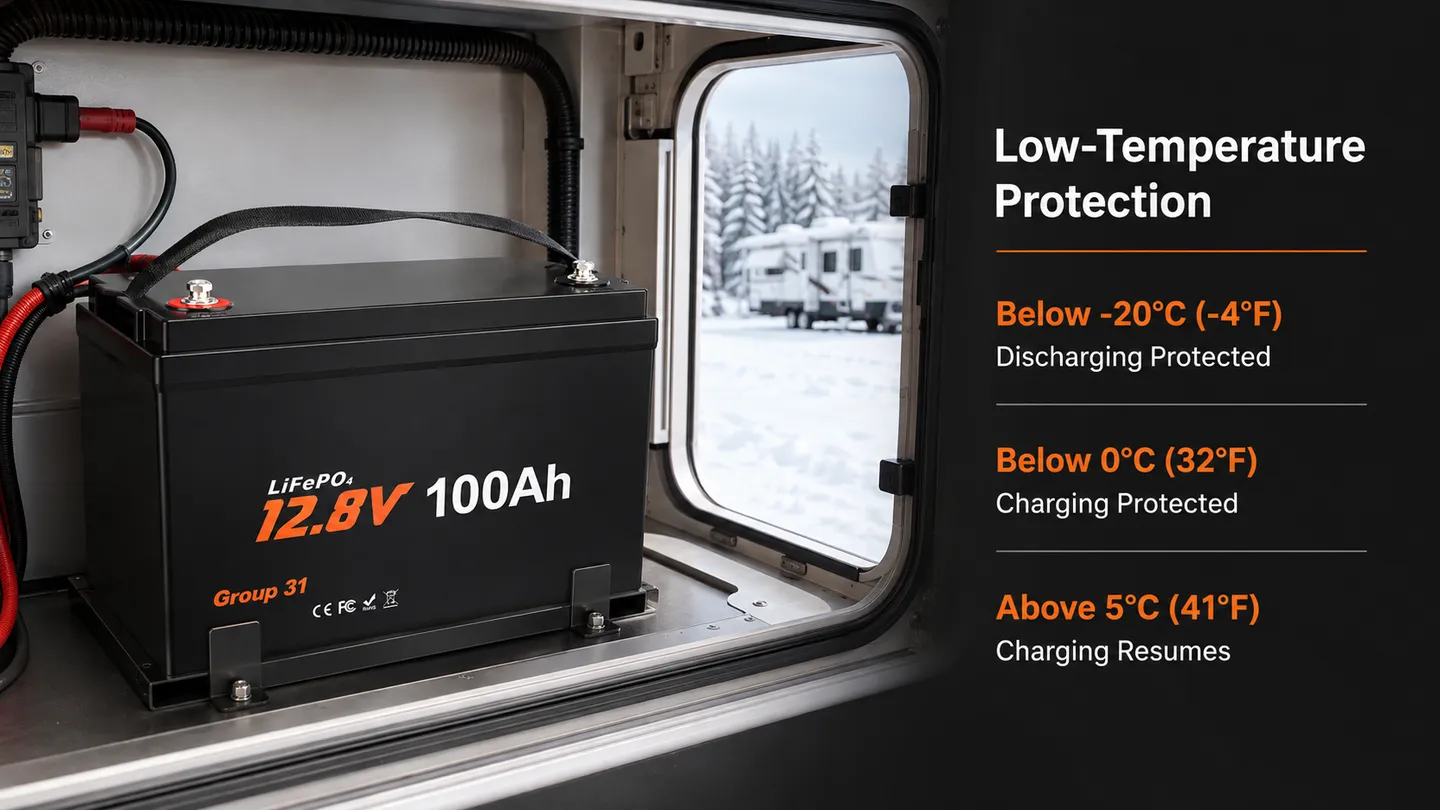
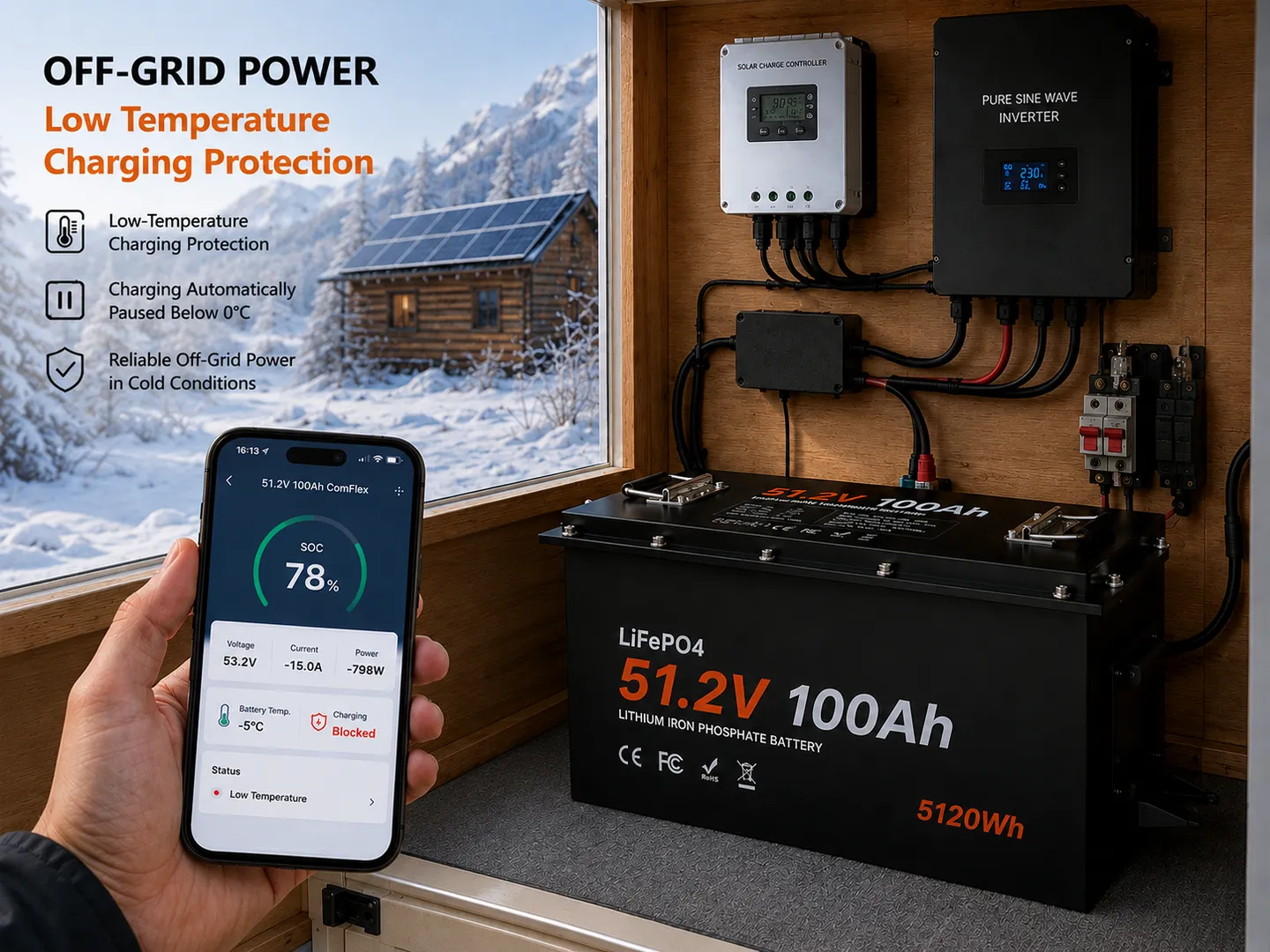
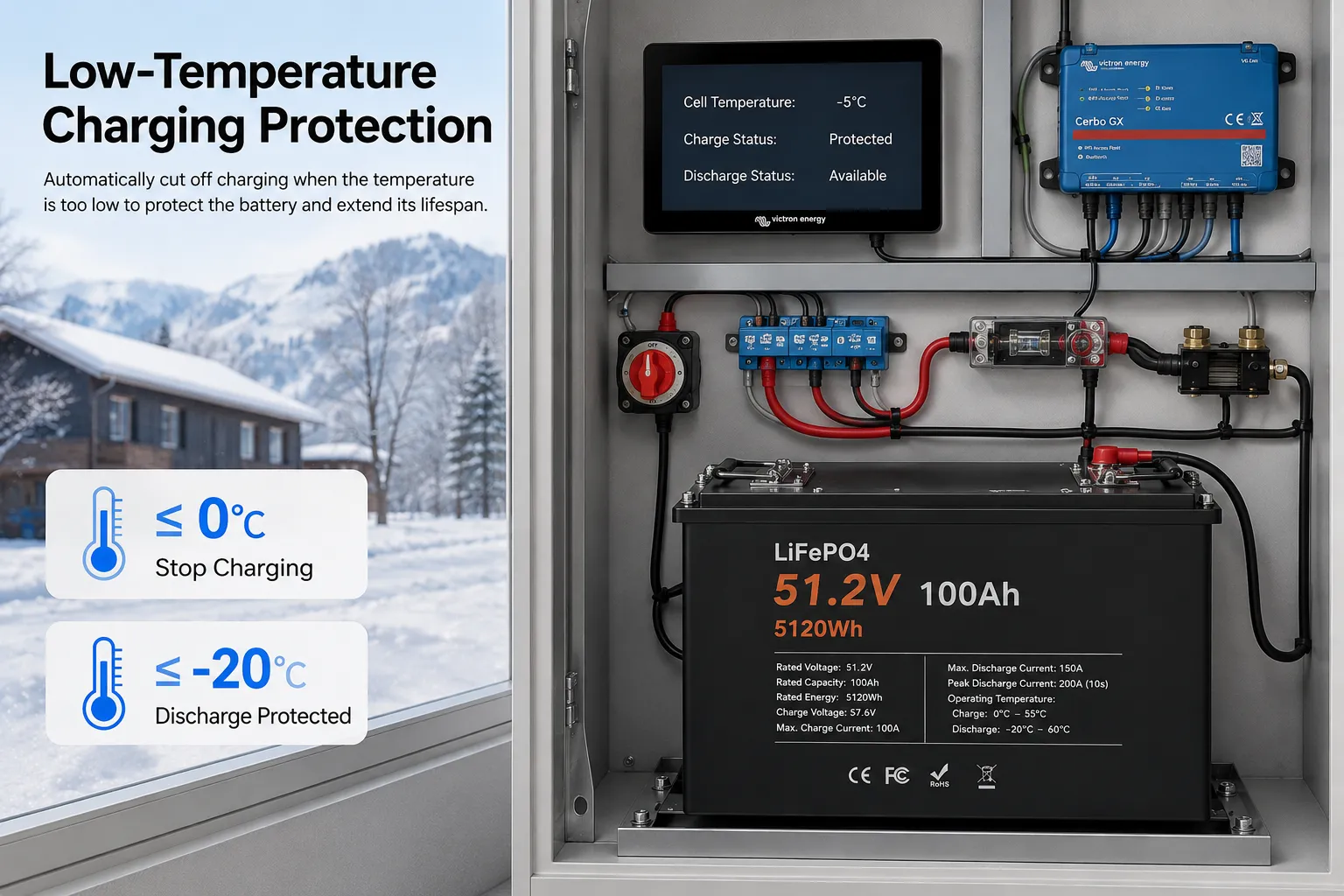
The BMS monitors cell temperature and automatically stops charging when the cells fall below the permitted charging range. Charging becomes available again after the cells return to the specified recovery temperature.
This configuration does not include active self-heating. Low-temperature protection disconnects charging or discharging when required but does not actively heat the battery cells.
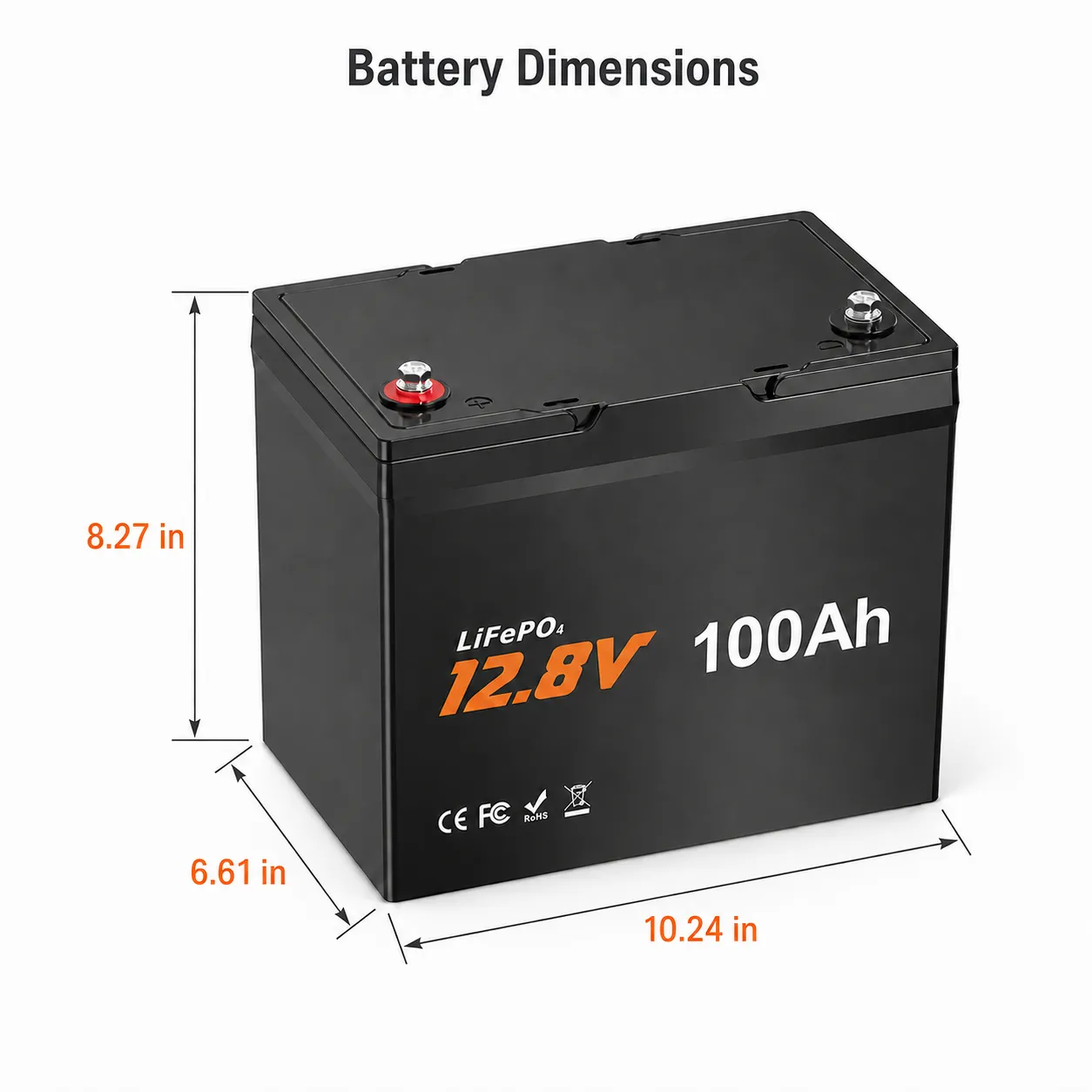
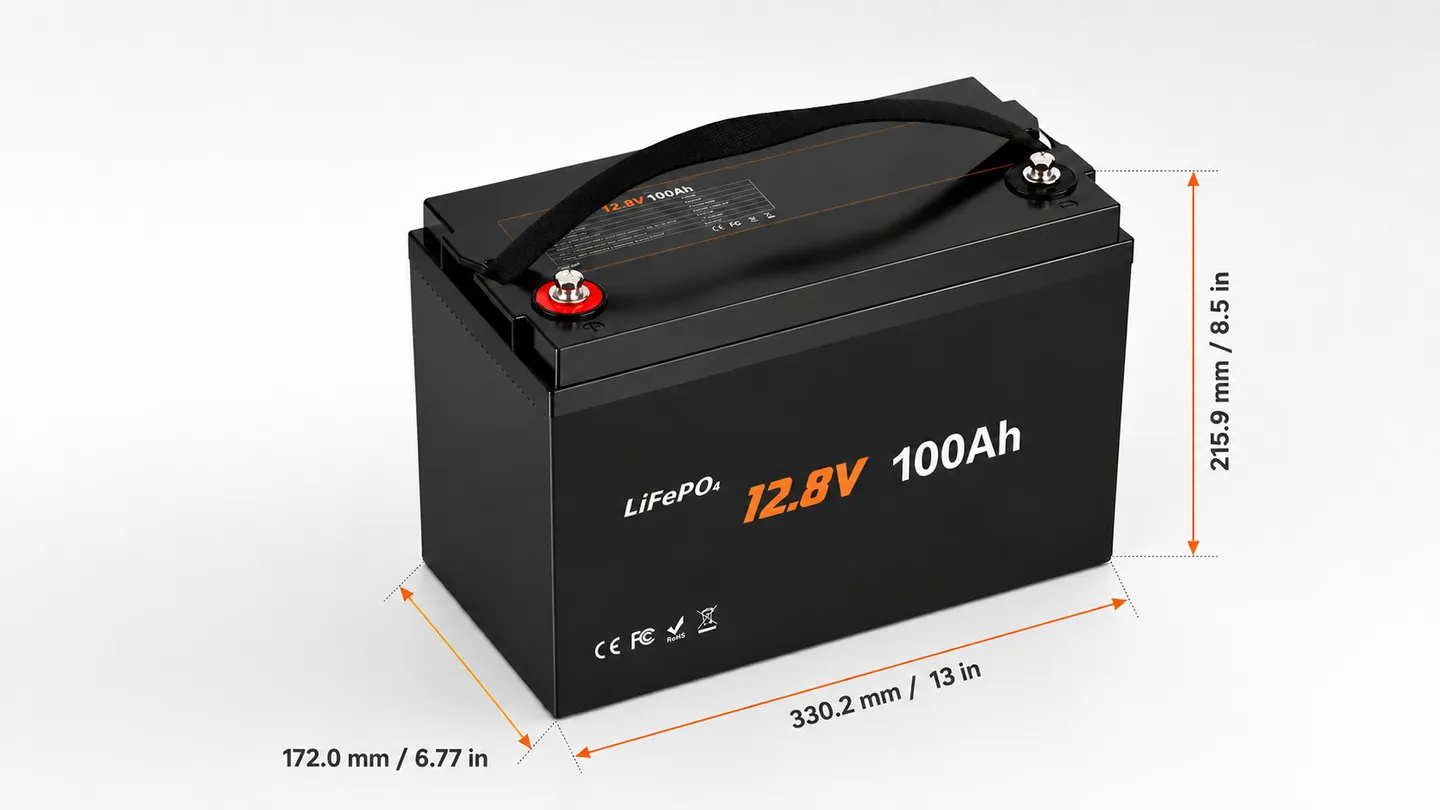
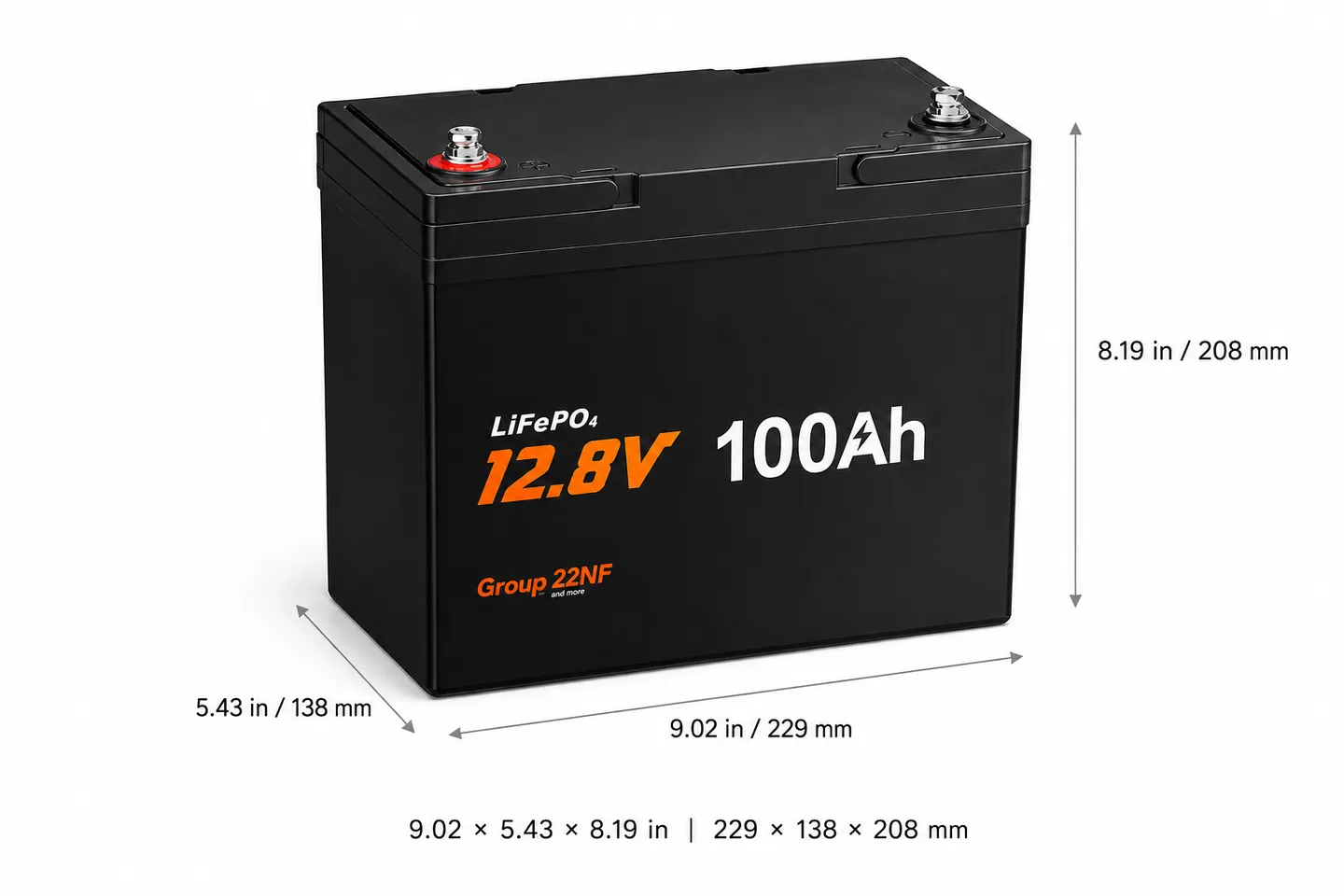
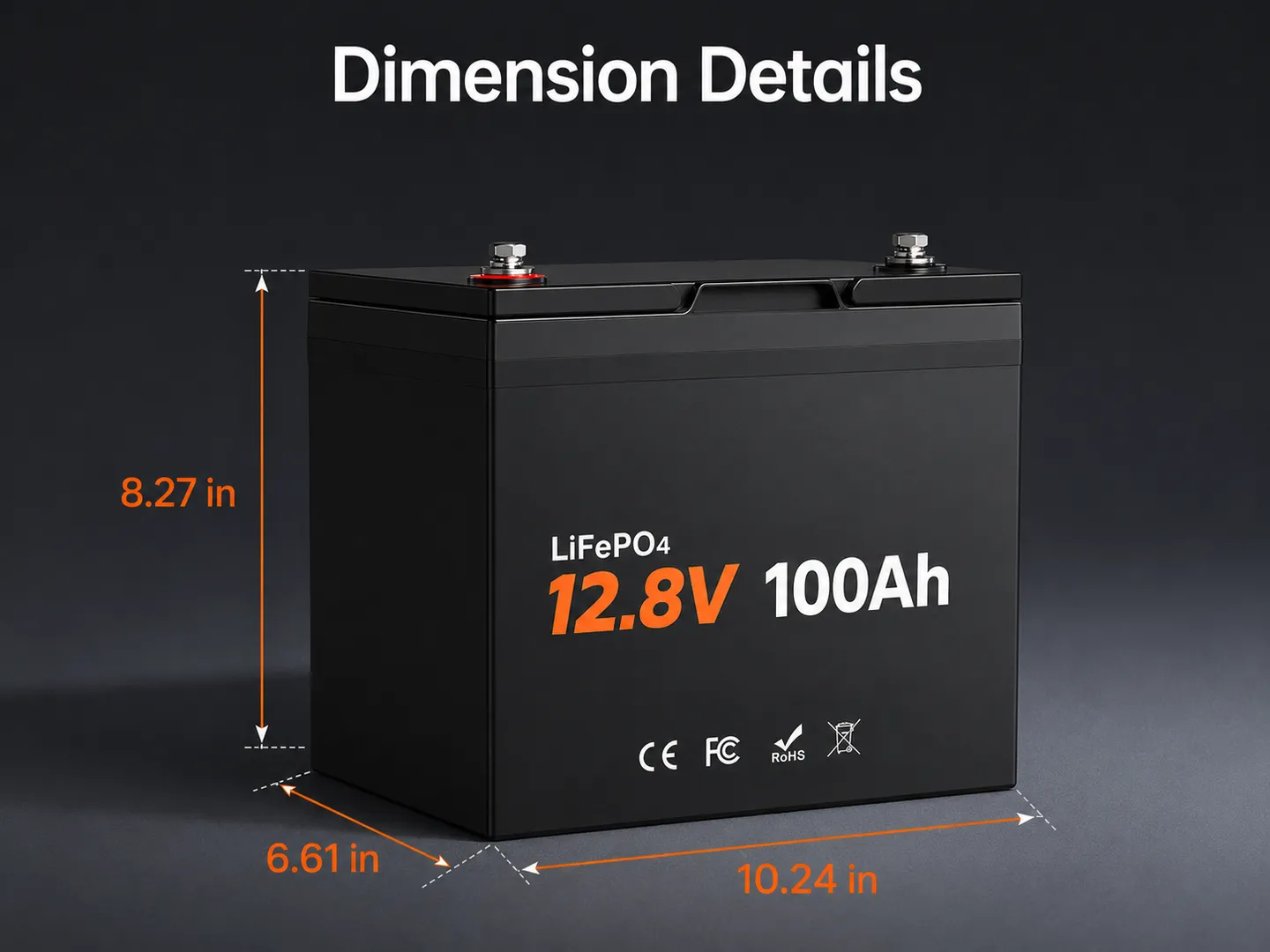
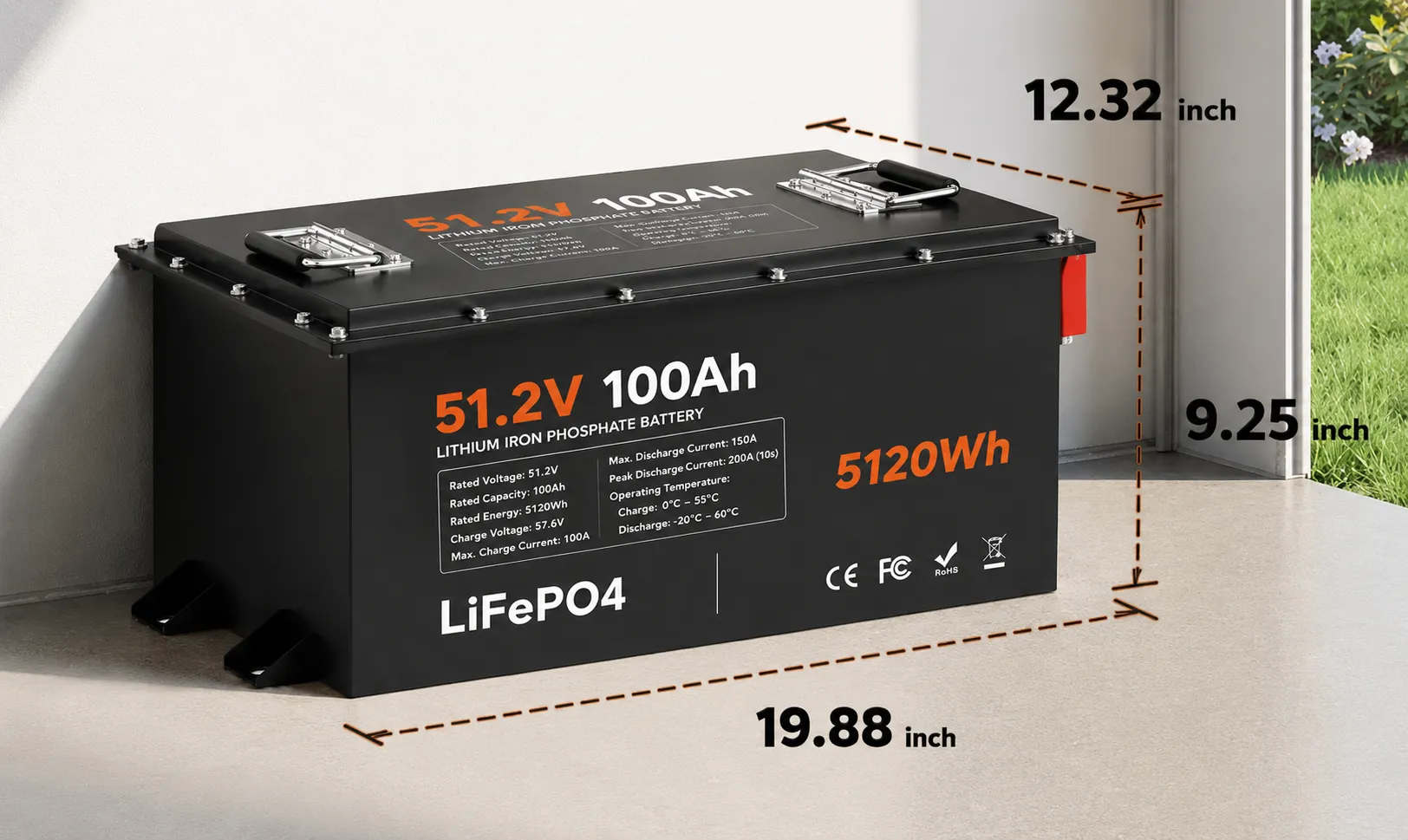
The battery uses an SPCC steel enclosure measuring approximately 19.88 × 12.32 × 9.25 inches and weighs approximately 97.44 lb. The enclosure is intended for upright installation with adequate clearance for terminals, communication ports, cabling and service access.
Measure the available installation space before specifying the battery for an equipment enclosure, electrical room or off-grid power system.
Use charging equipment configured for the battery's LiFePO4 CC/CV charging profile. The reference charge voltage is 57.6V ± 0.8V, with a recommended charging current of approximately 20A.
Do not connect solar panels, a generator or an AC source directly to the battery. Charging equipment must regulate voltage and current within the specified battery limits.
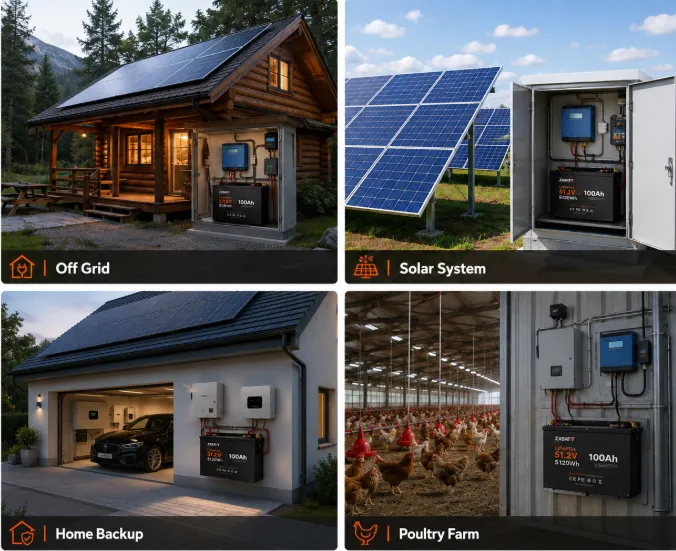
This 51.2V 100Ah battery is intended primarily for compatible stationary and off-grid deep-cycle power systems where communication, monitoring and parallel expansion are useful.
| Parameter | Specification |
|---|---|
| Battery Chemistry | LiFePO4 |
| Nominal Voltage | 51.2V |
| Rated Capacity | 100Ah |
| Energy | 5,120Wh / 5.12kWh |
| Battery Management System | 200A BMS |
| Maximum Continuous Charge Current | 100A |
| Maximum Continuous Discharge Current | 100A |
| Temporary Discharge Current | 200A for up to 2 minutes |
| Peak Discharge Current | 600A for 1 second |
| Maximum Continuous Output Power | 5,120W |
| Bluetooth Monitoring | Supported |
| CAN Communication | Supported |
| RS485 Communication | Supported |
| Victron Communication | Supported for compatible system configurations |
| Self-Heating | Not included |
| Low-Temperature Protection | Supported |
| Charge Method | CC/CV |
| Charge Voltage | 57.6V ± 0.8V |
| Recommended Charge Current | Approximately 20A |
| Charge Temperature | 0°C to 50°C / 32°F to 122°F |
| Discharge Temperature | −20°C to 60°C / −4°F to 140°F |
| Storage Temperature | −10°C to 50°C / 14°F to 122°F |
| Automatic Charge Cut-Off | Below 0°C / 32°F |
| Automatic Charge Recovery | At or above 5°C / 41°F |
| Automatic Discharge Cut-Off | Below −20°C / −4°F |
| Dimensions | Approximately 19.88 × 12.32 × 9.25 in |
| Weight | Approximately 97.44 lb |
| Housing Material | SPCC Steel |
| Protection Class | IP65 |
| Parallel Expansion with Communication | Up to 16P / 51.2V 1,600Ah / 81.92kWh |
| Parallel Expansion without Communication | Up to 4P / 51.2V 400Ah / 20.48kWh |
| Series Connection | Not supported |
This is a 51.2V nominal LiFePO4 battery designed for compatible 48V-class power systems. The 51.2V nominal voltage comes from the LiFePO4 cell configuration used in the battery.
Yes. It is designed for compatible 48V off-grid, solar and backup power systems. Before installation, confirm the inverter voltage range, charging profile, current requirements and communication compatibility.
Yes. Bluetooth monitoring provides access to battery information such as state of charge, voltage, current, power, temperature and operating status through a compatible monitoring interface.
Yes. CAN and RS485 communication are supported for compatible battery, inverter and monitoring-system configurations. Confirm the required communication protocol before system integration.
Compatible system configurations can use CAN communication to exchange battery information with supported Victron equipment. Compatibility depends on the communication protocol, GX or inverter equipment, firmware and system configuration.
With supported battery communication enabled, the reference configuration supports up to 16 identical batteries in parallel, providing up to 51.2V 1,600Ah and 81.92kWh of nominal stored energy. Without communication, the reference configuration supports up to four batteries in parallel.
No. Series connection is not supported. Additional capacity should be added through an approved parallel configuration while maintaining the 51.2V nominal system voltage.
No. This configuration includes low-temperature charging and discharging protection but does not include active self-heating.
Use charging equipment configured for a compatible 51.2V LiFePO4 CC/CV profile. The reference charging voltage is 57.6V ± 0.8V, with a recommended charging current of approximately 20A.
For distributors, system integrators, equipment manufacturers and project developers, this 51.2V 100Ah platform can be evaluated for OEM and project-based battery programs.
Send us your inverter model, communication requirements, installation environment and expected order quantity. Our team can review the electrical and mechanical configuration before preparing a quotation.
Sourcing a 48V 100Ah LiFePO4 battery for an off-grid solar system, backup power installation, inverter system or OEM battery program? Send us your project requirements for technical review and volume pricing.
To help us review the right configuration, include your inverter model, system voltage, required battery capacity, CAN or RS485 communication requirements, installation environment and estimated order quantity.
51.2V | 100Ah | 5.12kWh | Bluetooth | CAN/RS485 | Compatible System Communication | Parallel Expansion
Request OEM & Volume Pricing Discuss Your Battery Project
Need a different capacity, communication protocol, enclosure or battery-bank configuration? Send us your system requirements and our team can review a custom LiFePO4 battery solution for your project.
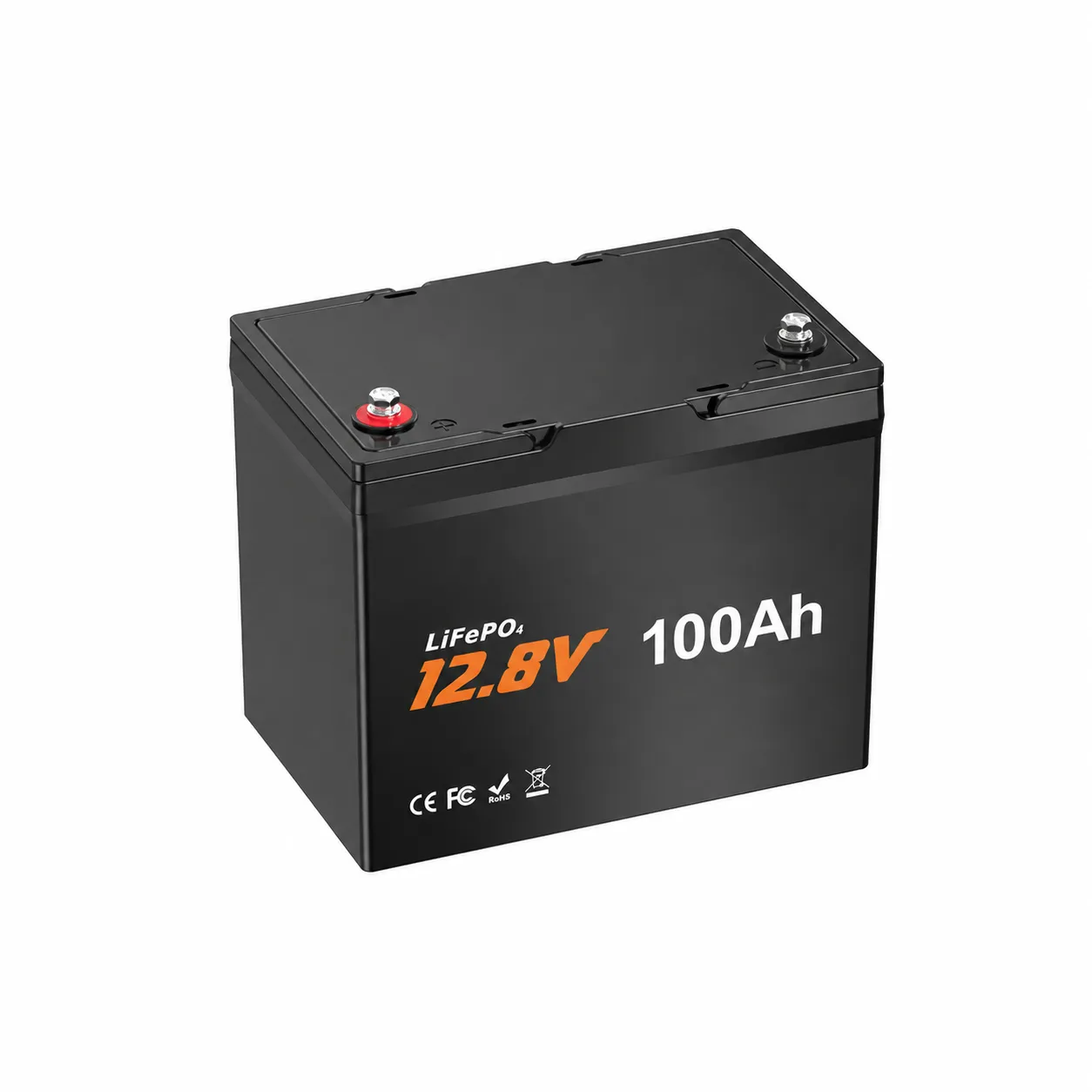
Many LiFePO4 batteries can replace compatible lead-acid deep-cycle batteries in RVs, boats, golf carts and industrial equipment. Before installation, confirm the system voltage, battery dimensions, terminal layout, charger profile, maximum load, cable size, fuse rating and operating temperature.
Most LiFePO4 batteries are compatible with standard 12V, 24V, 36V or 48V inverters when the system voltage and power requirements match. Many modern chargers also include a LiFePO4 charging profile. For lead-acid replacement projects, confirm the charger voltage, inverter rating and maximum load before installation. A compatible charger or DC-to-DC charger may be required if the existing charging equipment does not support LiFePO4 batteries.
Yes. OEM and custom battery support can include voltage, capacity, BMS settings, enclosures, terminals, connectors, communication protocols, labels and packaging. Send us the application, electrical requirements, installation dimensions and expected order quantity for review.
MOQ depends on the battery model, specification and customization requirements. Standard models may be available for sample testing, while custom enclosures, private labels and OEM production normally require a confirmed order quantity. Contact us with the model and required quantity for details.
Available certifications and documents depend on the battery model and destination market. Supporting documents may include UN38.3, MSDS, CE, RoHS and product test reports. Confirm the required documents and target market before placing an order.
Lead time depends on the battery model, order quantity, customization and testing requirements. Export shipping options are arranged according to the battery specification, destination and order volume. Send us the required quantity, delivery location and target schedule for a project-specific quotation.