Explore our LiFePO4 battery manufacturing capabilities, battery pack assembly process, quality-control procedures and available certification documents.
With more than 20 years of battery manufacturing experience, we support battery brands, equipment manufacturers, distributors and system integrators with custom battery development, Smart BMS integration, testing and volume production.
Our manufacturing operations in Shenzhen and Hengyang, China, cover more than 40,000 m² of production and supporting facilities.
Production capabilities cover cell inspection, LiFePO4 battery pack assembly and selected battery systems for RV, marine, residential energy storage, off-grid solar, golf carts, electric mobility and industrial equipment.
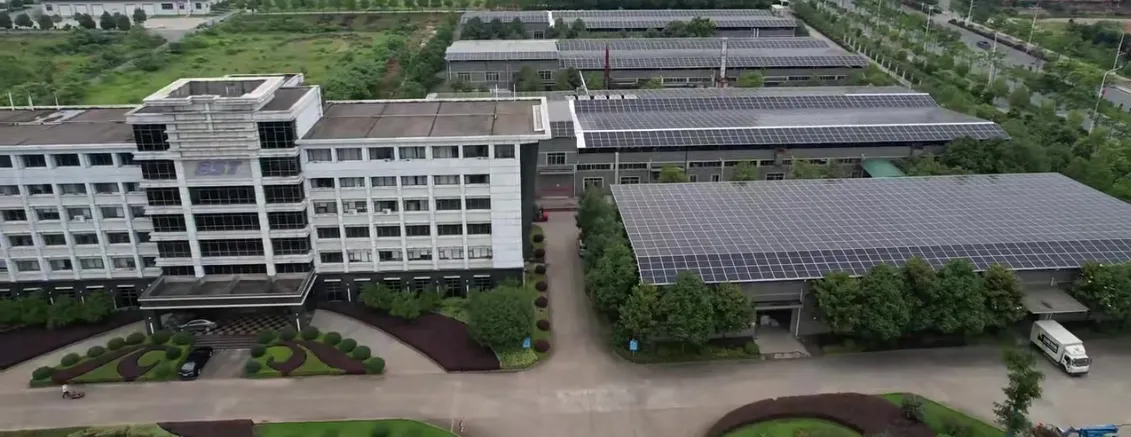
Each project begins with a review of the electrical, mechanical and operating requirements. The engineering and production teams confirm the cell configuration, battery structure, Smart BMS functions, enclosure, terminals, cables, communication requirements and testing plan before sample assembly or production.
Standard battery models and qualified custom projects are supported from specification review and prototype development through testing and repeat production.
Battery specifications are prepared around the application, installation space, charging equipment, operating environment and required current output.
Available manufacturing capabilities include:
Battery voltage, capacity, continuous current and peak current are confirmed before production. Enclosure dimensions, terminal positions, mounting points and cable connections are also reviewed against the intended equipment.
View LiFePO4 Battery Manufacturing →
A controlled manufacturing process helps maintain consistent construction and electrical performance from the approved sample to repeat production.
Battery cells, BMS units, enclosures, terminals, connectors and other key components are checked before assembly. Inspection requirements are based on the approved product specification.
Cell voltage, internal resistance, capacity consistency and physical condition are reviewed. Cells are grouped according to the required battery configuration before pack assembly.
Matched cells are assembled into the specified battery structure. Busbars, wiring, insulation, supports and protective materials are installed according to the approved enclosure and operating requirements.
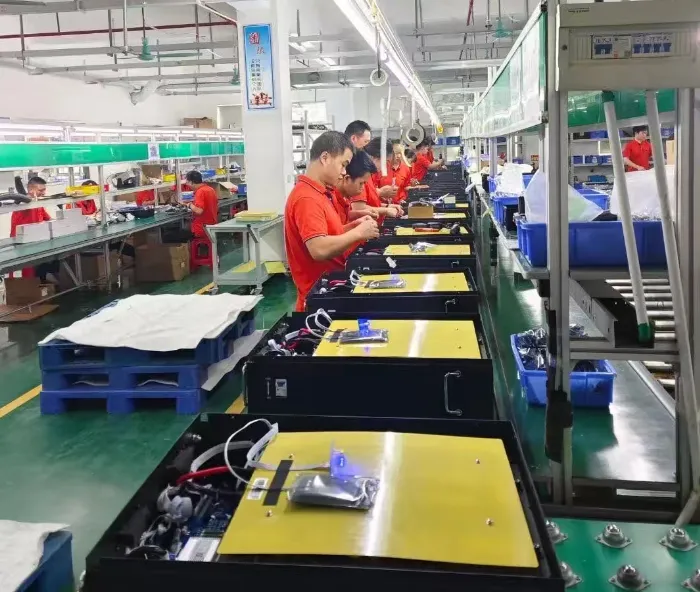
The battery management system is installed and configured according to the cell arrangement, charging limits, continuous current, peak current and operating conditions.
BMS protection can include overvoltage, undervoltage, overcurrent, short-circuit and temperature protection. Bluetooth, CAN or RS485 communication can be configured when required by the inverter, charger, controller or connected equipment.
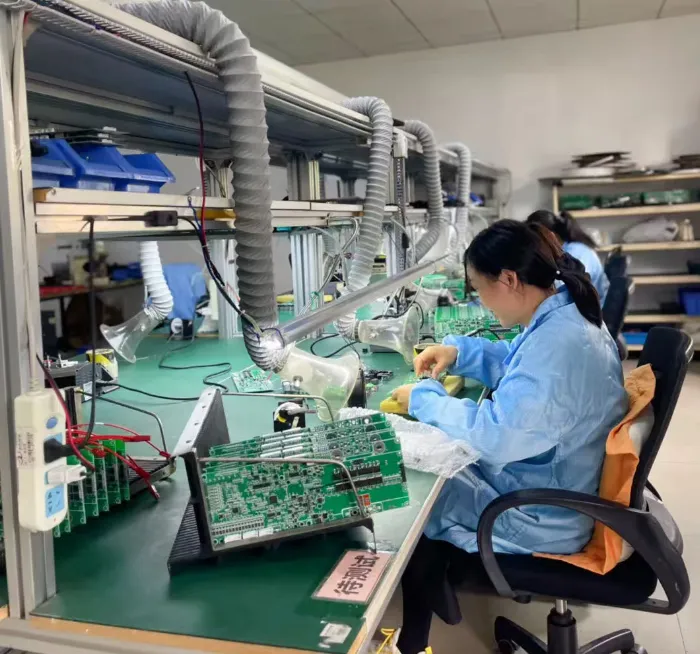
The assembled battery pack is installed in its specified enclosure with the approved terminals, cables, connectors and mounting components. Product identification and labels are checked against the confirmed order specification.
Completed batteries undergo electrical testing, BMS protection verification and the specified aging procedures. Approved batteries proceed to final inspection and packaging before shipment.
LiFePO4 battery testing is completed during production and after final assembly. The inspection plan depends on the battery design, application, communication requirements and approved project specification.
Inspection and testing can include:
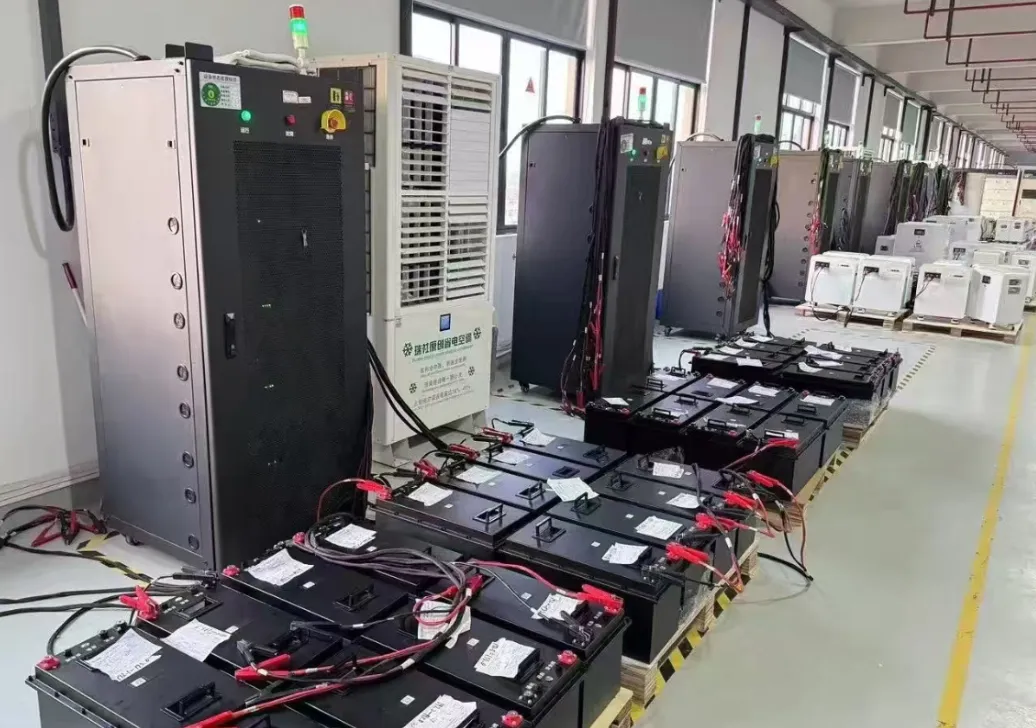
For batteries with communication functions, the BMS protocol and connected equipment should be confirmed during sample development. Compatibility may depend on the inverter, charger, controller, firmware and cable configuration used in the final system.
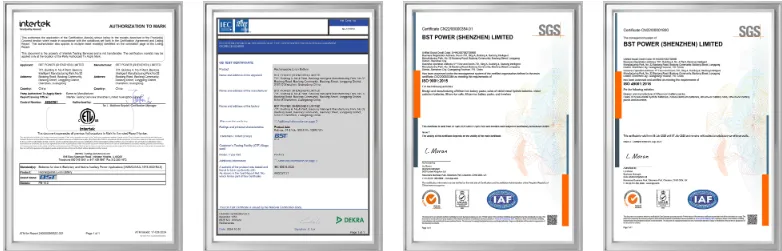
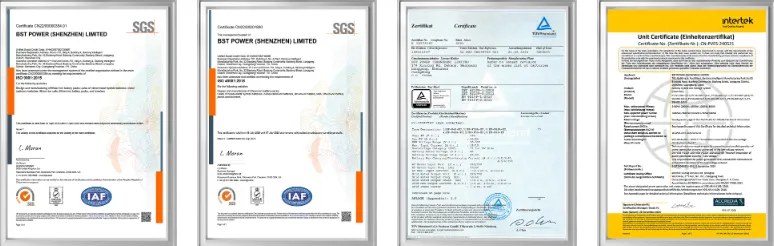
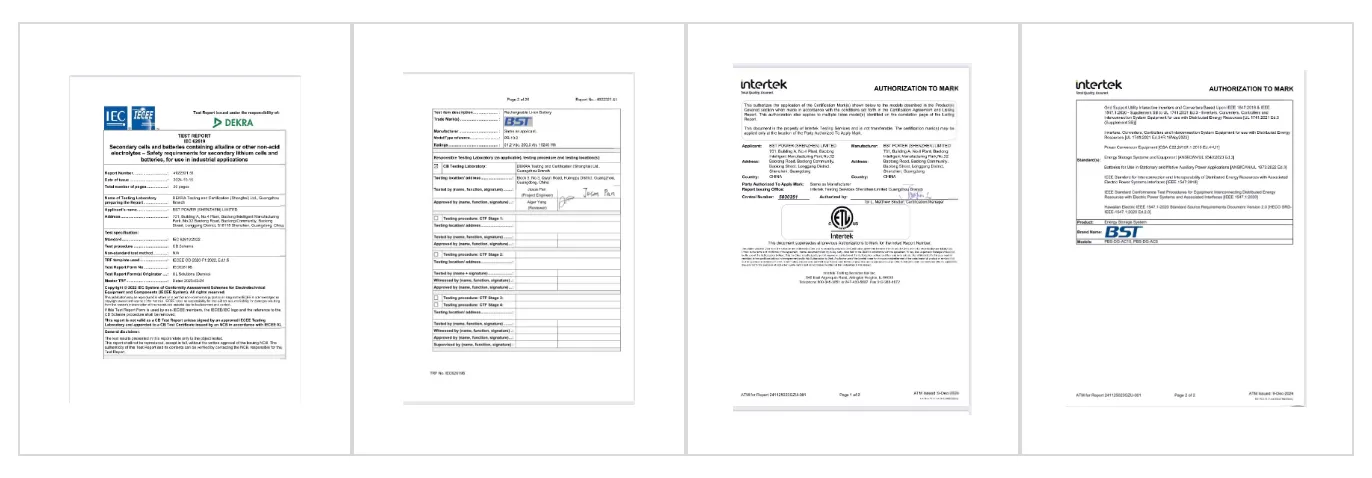
Certification documents and test reports are available for qualified battery models. Document availability depends on the battery specification, product configuration, shipping method and destination market.
Available documents may include:
Certification should always be confirmed for the exact battery model. A document issued for one voltage, capacity, cell configuration or enclosure may not automatically apply to a modified battery.
Please provide the battery model, application and destination country so that we can confirm which certification documents and test reports are available for your project.
We support battery brands, distributors, equipment manufacturers and system integrators with custom LiFePO4 battery development and production.
OEM and ODM options can include:
Sample batteries can be developed after the electrical, mechanical and communication requirements are approved. Test results are reviewed before the final production specification is confirmed.
View OEM & ODM Battery Services →
Send us your application, required voltage and capacity, maximum current, battery dimensions, charging equipment, communication requirements, destination country and estimated order quantity.
Our team will review the requirements and confirm the recommended battery configuration, sample process, testing requirements and available certification documents.
Tell us about your battery application and project requirements.
Request a Quote → Contact Us on WhatsApp →