This off-grid home solar project combines rooftop solar panels, a hybrid inverter and LiFePO4 battery storage to provide dependable household power where the utility grid is unavailable or unreliable.
The system was designed around daily energy use, peak inverter load, available solar generation and the required backup time. Battery sizing, Smart BMS protection, inverter communication and electrical integration were reviewed before installation.
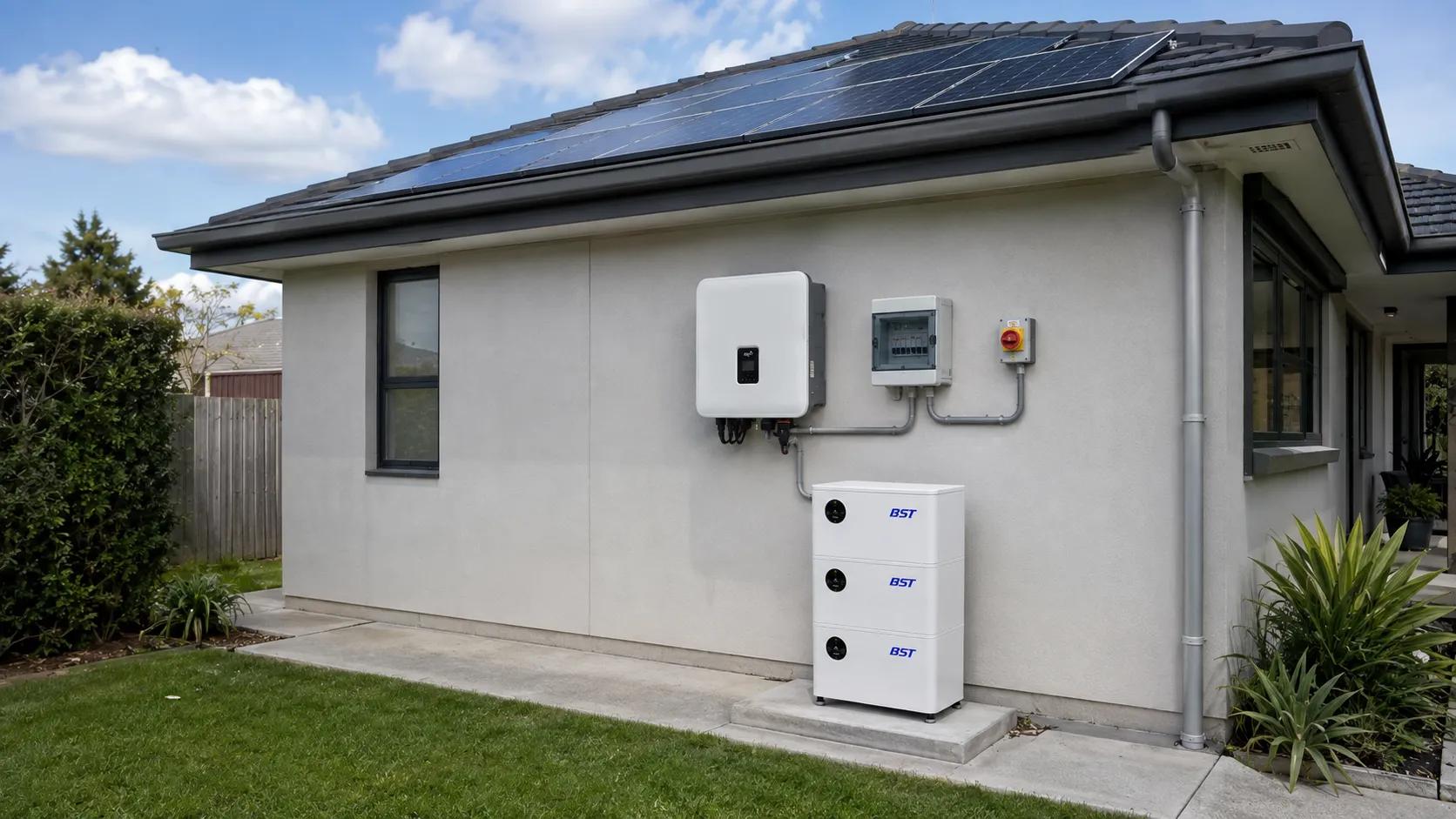
The battery needed to store enough solar energy for essential household loads while maintaining a suitable reserve during periods of limited solar production.
Project requirements included:
The installation includes a rooftop solar array, hybrid inverter, LiFePO4 home battery, electrical distribution equipment, DC protection and a battery isolation switch.
Battery voltage, usable capacity, continuous current, peak current and communication settings were matched to the inverter and expected household loads.
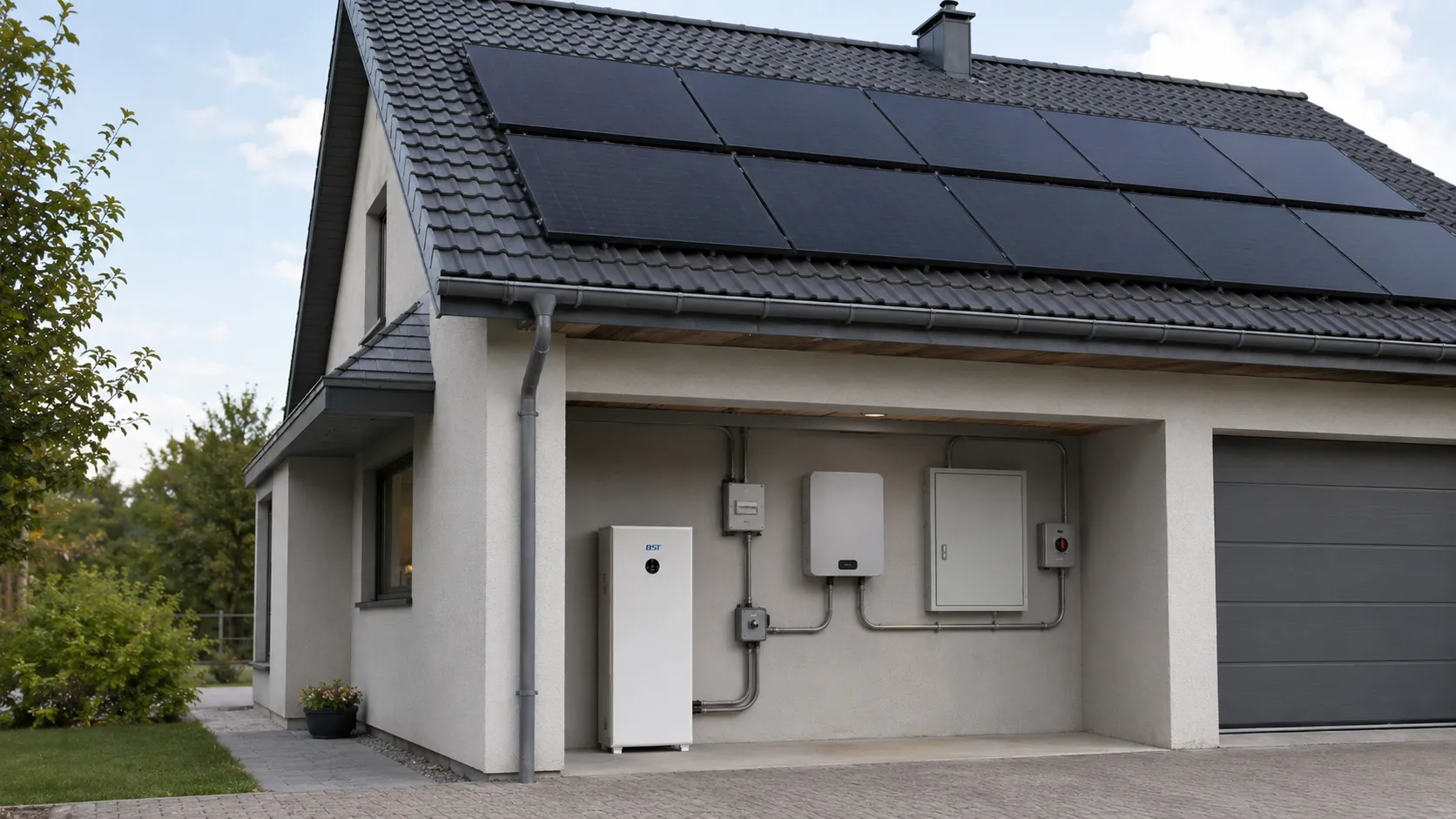
Battery capacity was calculated from daily energy use, the required number of backup days, usable battery percentage and expected inverter efficiency. Peak loads were checked separately to confirm that the battery and BMS could supply the required current.
Required Battery Energy (Wh) = Daily Energy Use (Wh) × Backup Days ÷ Usable Battery Percentage ÷ Inverter Efficiency
For example, a home using 5,000Wh per day with 80% usable battery capacity and 90% inverter efficiency requires approximately 6,944Wh of nominal battery capacity for one day of backup.
Additional capacity may be needed to account for seasonal solar conditions, temperature, battery aging and changes in household energy use.
The sizing review considered:
The selected battery must balance storage capacity with the available solar charging energy. An oversized battery may not recharge fully during periods of limited sunlight, while an undersized battery may not provide the required runtime.
The inverter model and communication protocol were confirmed before the battery specification was finalized. Selected battery configurations support CAN or RS485 communication with compatible hybrid and off-grid inverters.
The integration review covered:
Compatibility depends on the inverter model, firmware version, BMS protocol and communication cable. These details must be confirmed for each project.
View LiFePO4 Battery Technical Support →
The equipment layout was planned around the battery enclosure, inverter position, cable length and access for inspection. The battery was installed in a protected location with secure mounting and suitable operating clearance.
Installation requirements included:
Outdoor equipment should only be installed in an enclosure with a suitable environmental rating. A battery without the required enclosure protection should not be exposed directly to rain or standing water.
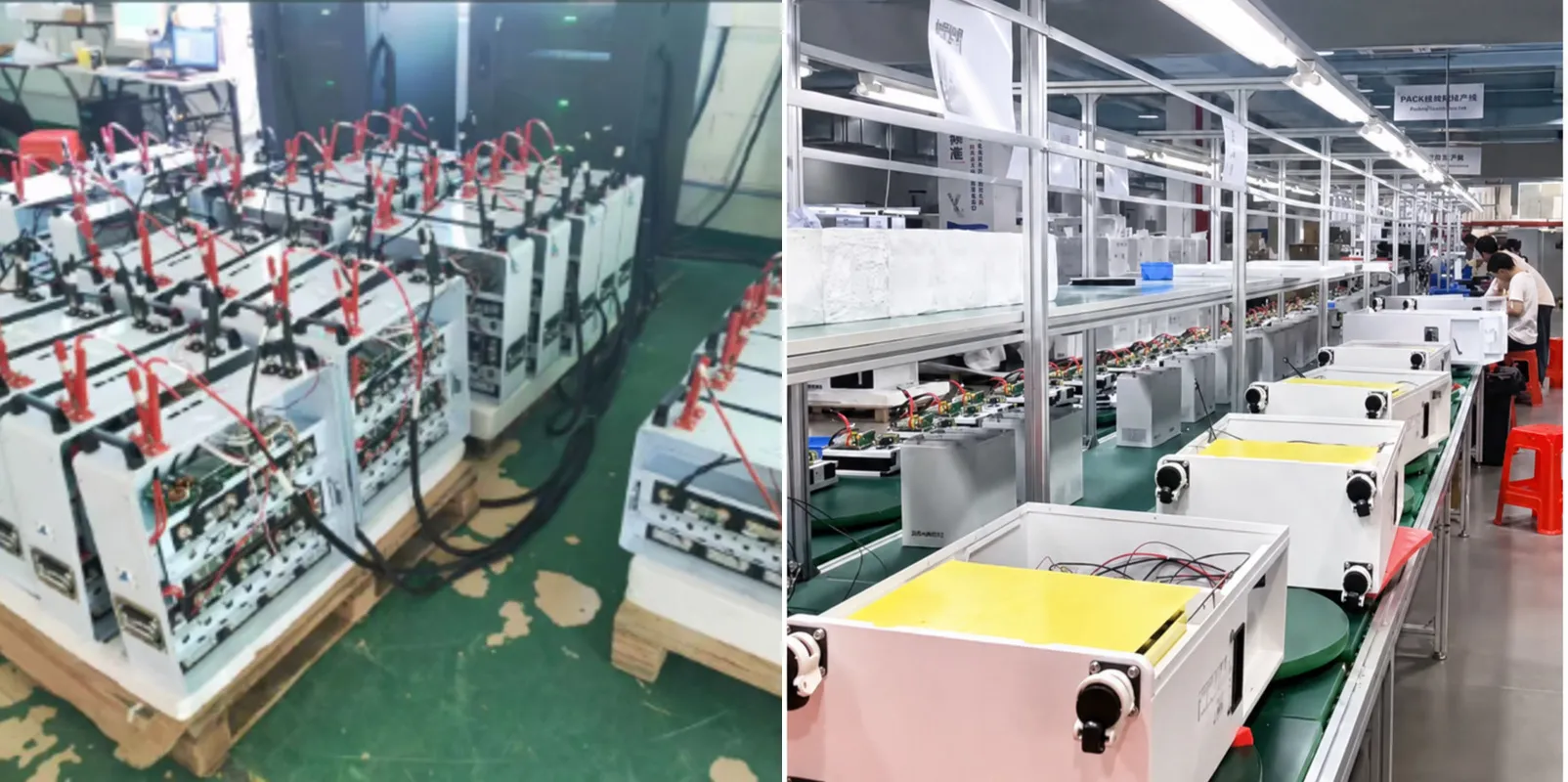
With more than 20 years of battery manufacturing experience, we support off-grid home energy projects from specification review and sample development through testing and repeat production.
Battery inspection and testing can include:
View LiFePO4 Battery Manufacturing →
We manufacture custom LiFePO4 battery systems for solar equipment companies, battery distributors, installers and system integrators.
OEM and ODM options include:
For custom projects, the electrical, mechanical, communication and operating requirements are confirmed before sample production begins.
View OEM & ODM Battery Services →
The completed system combines solar generation, battery storage and inverter power in one integrated off-grid installation. Stored solar energy can supply essential household loads when solar input is unavailable, while the Smart BMS protects the battery during charging and discharging.
The modular battery configuration allows additional storage capacity to be considered if household energy use increases. Actual runtime depends on usable battery capacity, connected loads, inverter efficiency and available solar generation.
The required capacity depends on daily energy use, peak loads, the number of backup days, usable battery percentage, inverter efficiency and available solar generation.
Small systems may use 12V or 24V batteries, while larger home energy systems commonly use 48V or 51.2V configurations. The battery voltage must match the inverter and overall electrical design.
Selected batteries support CAN or RS485 communication with compatible inverters. The inverter model, firmware, BMS protocol and cable pinout must be confirmed before production.
Selected battery systems support parallel expansion. The permitted number of batteries and communication arrangement must be confirmed for the specific battery and inverter combination.
Yes. OEM options can include custom capacity, enclosures, BMS settings, inverter communication, product labels, packaging and sample testing.
Send us your daily energy consumption, system voltage, inverter model, peak load, required backup time, installation space, communication protocol and estimated order quantity.
Our engineering team will review the information and recommend a suitable LiFePO4 battery configuration for sample development or volume production.